Note: This article is based on reputable U.S. gardening and university extension guidance, rewritten into original, publication-ready content.
Hydrangeas are the garden equivalent of a dramatic friend: gorgeous, unforgettable, and occasionally unwilling to explain why they are upset. One year your shrub is covered in cloud-like blooms; the next year it gives you nothing but leaves and attitude. If you have been staring at a green hydrangea bush wondering, “Excuse me, where are the flowers I was promised?” you are not alone.
The good news is that most hydrangea blooming problems are fixable. These shrubs are not usually being difficult for fun, although it may feel personal. They often fail to bloom because of improper pruning, not enough sunlight, winter bud damage, poor watering habits, too much nitrogen fertilizer, or simply because the plant is the wrong type for the location. Once you understand how hydrangeas set flower buds, the mystery becomes much less mysterious.
Below are 10 simple, practical ways to get hydrangeas to bloom, whether you grow bigleaf hydrangeas, panicle hydrangeas, smooth hydrangeas, oakleaf hydrangeas, or reblooming varieties. Think of this as couples counseling for you and your shrub.
Why Hydrangeas Do Not Bloom
Before fixing the problem, it helps to know what is actually going wrong. Hydrangeas may skip flowering for several reasons. Some bloom on old wood, meaning they form flower buds on stems produced the previous year. Others bloom on new wood, meaning they form buds on the current season’s growth. If you prune an old-wood hydrangea at the wrong time, you may remove next year’s flowers before they ever get a chance to show off.
Weather also matters. A late spring freeze can damage tender buds. A brutal winter can kill old stems. Too much shade can produce lush leaves but few blooms. Too much fertilizer, especially nitrogen-heavy lawn fertilizer, can push leafy growth at the expense of flowers. In short, hydrangeas need the right mix of timing, light, water, nutrients, and patience.
1. Identify What Type of Hydrangea You Have
The fastest way to improve hydrangea blooms is to identify your plant. This sounds basic, but it is the step many gardeners skip. Unfortunately, hydrangeas do not come with tiny name tags forever, and “the blue one by the fence” is not a botanical classification.
Common garden hydrangeas include bigleaf hydrangea, mountain hydrangea, oakleaf hydrangea, smooth hydrangea, and panicle hydrangea. Bigleaf, mountain, and oakleaf hydrangeas usually bloom on old wood. Smooth and panicle hydrangeas bloom on new wood. Reblooming bigleaf hydrangeas can bloom on both old and new wood, but they still perform better when old stems survive winter.
Simple identification clues
Bigleaf hydrangeas often have large, rounded mophead or lacecap flowers in blue, pink, purple, or white. Oakleaf hydrangeas have leaves shaped like oak leaves and cone-shaped flower clusters. Panicle hydrangeas also produce cone-shaped blooms, often white, lime, pink, or rosy as they mature. Smooth hydrangeas include popular white-flowering types such as ‘Annabelle’ and similar cultivars.
Once you know the type, you can prune, feed, and protect it correctly. Guessing can work in cooking. In hydrangea care, guessing is how you accidentally remove all the flower buds and then blame the plant.
2. Prune at the Right Time
Pruning is the most common reason hydrangeas fail to bloom. The plant may be perfectly healthy, but if you cut off the stems holding next season’s buds, the shrub cannot bloom no matter how nicely you talk to it.
For old-wood hydrangeas, prune shortly after flowering, usually in summer. Avoid pruning them in fall, winter, or early spring except to remove dead or damaged wood. Bigleaf, mountain, and oakleaf hydrangeas often set buds in late summer or fall for the next year’s flowers. Cutting them back too late is like deleting tomorrow’s calendar and then wondering why nothing happened.
For new-wood hydrangeas, prune in late winter or early spring before new growth begins. Panicle and smooth hydrangeas are more forgiving because they form flower buds on the current season’s stems. You can lightly shape them, remove weak stems, and cut out dead wood without destroying the bloom show.
Pruning rule of thumb
If you do not know what type of hydrangea you have, do less. Remove only dead, broken, or obviously damaged stems until you can identify the plant. Hydrangeas rarely need aggressive pruning every year. Sometimes the best pruning cut is the one you almost made but did not.
3. Give Hydrangeas Enough Sunlight
Hydrangeas like some shade, but deep shade can turn them into leafy freeloaders. Most hydrangeas bloom best with morning sun and afternoon shade, especially in hot climates. Four to six hours of direct or bright filtered light is often a sweet spot for many types.
Too little sun means fewer flower buds. If your hydrangea is planted under dense trees, behind a tall fence, or on the dark side of the house, it may survive but refuse to bloom generously. Survival is not the same as performance. A hydrangea can be alive and still be giving you the botanical version of “minimum effort.”
Panicle hydrangeas are generally more sun-tolerant than bigleaf hydrangeas and can often handle more light, especially in cooler regions. In warmer areas, afternoon shade helps prevent wilting and leaf scorch. Bigleaf hydrangeas usually appreciate protection from harsh afternoon sun, but they still need enough light to set flowers.
4. Protect Buds From Winter Damage
Old-wood hydrangeas can lose their flower buds to winter cold. The roots may survive, and the plant may grow back beautifully from the base, but if the old stems die, the buds die with them. The result is a green shrub with no flowers, which is technically healthy but emotionally disappointing.
In colder regions, choose hardy varieties and plant old-wood hydrangeas in protected locations. A spot near a building, fence, or windbreak can reduce exposure to drying winter winds. Mulch around the base of the plant in late fall to help insulate roots and moderate soil temperature. In especially cold areas, gardeners sometimes protect bigleaf hydrangeas with burlap, leaves, straw, or wire cages filled with loose mulch.
Do not rush to prune in early spring. Some stems that look lifeless may still have viable buds. Wait until new growth appears, then remove only wood that is clearly dead, dry, and brittle.
5. Water Deeply and Consistently
Hydrangeas are not called hydrangeas by accident. The name hints at water, and the plant’s big leaves lose moisture quickly in hot weather. Drought stress can reduce flowering, weaken stems, and cause buds to fail.
Water deeply rather than sprinkling lightly every day. A slow soak encourages roots to grow deeper into the soil. Shallow watering trains roots to stay near the surface, where they dry out faster. Aim for evenly moist, well-drained soil. Hydrangeas dislike drought, but they also do not want to sit in soggy soil like they are auditioning for a swamp documentary.
Mulch helps tremendously. A two- to three-inch layer of shredded bark, compost, pine straw, or leaf mold can conserve moisture, reduce weed competition, and keep soil temperatures more stable. Keep mulch a few inches away from the stems to prevent rot.
6. Avoid Too Much Nitrogen Fertilizer
Fertilizer can help hydrangeas bloom, but too much of the wrong fertilizer can backfire. High-nitrogen fertilizer encourages leafy green growth. That sounds good until you realize the plant has become all salad and no flowers.
Be especially careful if your hydrangea grows near a lawn. Lawn fertilizers are often nitrogen-rich, and runoff or overspreading can feed nearby shrubs. The hydrangea may respond with impressive leaves and disappointing bloom production.
Use a balanced, slow-release fertilizer formulated for flowering shrubs, and follow the label. More is not better. In many gardens, compost and a modest spring feeding are enough. If your hydrangea is growing vigorously but not blooming, stop fertilizing for a while and evaluate light, pruning, and winter damage first.
7. Improve the Soil, But Do Not Obsess Over Bloom Color
Healthy soil supports better flowering. Hydrangeas generally prefer rich, well-drained soil with steady moisture. Adding compost improves soil structure, helps sandy soil hold water, and helps heavy clay drain better over time.
Soil pH affects the flower color of some bigleaf hydrangeas, especially blue and pink varieties, but it does not magically force a hydrangea to bloom. Acidic soil with available aluminum can turn some flowers blue. More alkaline soil can encourage pink. White hydrangeas usually stay white regardless of pH.
In other words, pH is about color, not whether the plant produces flowers in the first place. If your hydrangea has no blooms, do not begin by dumping random soil amendments around it. First check pruning, sunlight, winter damage, and water. Your hydrangea does not need a chemistry experiment until the basics are handled.
8. Choose Reblooming or Cold-Hardy Varieties
If you live in a colder climate and love bigleaf hydrangeas, consider reblooming varieties. Reblooming hydrangeas can flower on old wood and new wood, giving the plant a second chance if winter damages some buds. They are not magic, but they are more forgiving.
For reliable blooms in tough climates, panicle hydrangeas and smooth hydrangeas are often easier choices. Since they bloom on new wood, winter damage to old stems is less likely to ruin the entire season. Panicle hydrangeas are also more tolerant of sun and cold than many bigleaf types.
Plant selection is not a minor detail. A hydrangea that is poorly suited to your USDA hardiness zone or microclimate may always struggle. Choosing the right hydrangea for your region is like hiring the right person for the job. You would not ask a penguin to manage a desert resort, and you should not ask a tender hydrangea to thrive in a wind-blasted cold pocket without help.
9. Be Patient With Young or Recently Moved Plants
Newly planted hydrangeas may need time to establish before they bloom heavily. A young plant often invests energy in roots and leaves first. That is not laziness; it is survival planning.
If you recently transplanted a hydrangea, give it at least a full growing season to settle in. Keep the soil evenly moist, mulch well, and avoid heavy pruning. Transplant stress can delay flowering, especially if the shrub was moved during hot weather or planted in poor soil.
Container-grown hydrangeas from garden centers may also behave differently after planting. Some are forced into bloom for retail appeal, then need time to adjust outdoors. Do not panic if the second year looks quieter than the first. Focus on steady care, and the plant may reward you once it has a stronger root system.
10. Deadhead Carefully and Maintain Plant Health
Deadheading spent flowers can make hydrangeas look tidier, but it should be done carefully. On old-wood hydrangeas, cut just below the spent bloom and avoid cutting deep into the stem. Developing buds may be lower on the same branch, and one enthusiastic snip can become a floral crime scene.
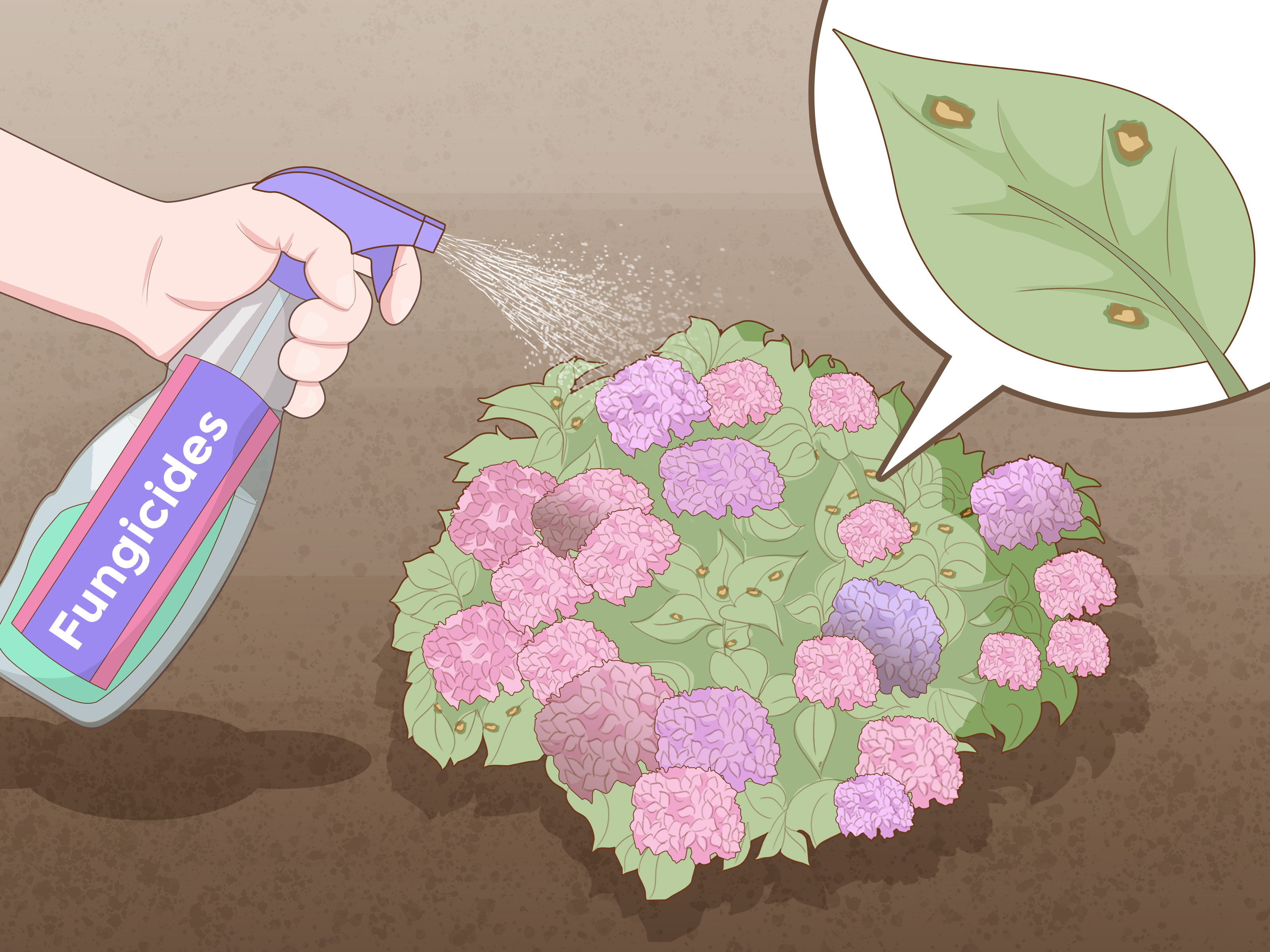
Keep the shrub healthy by removing dead, diseased, or crossing stems. Good air circulation reduces disease pressure. Water at the base instead of constantly wetting leaves. Watch for leaf spots, powdery mildew, wilt, scale, and other problems that may weaken the plant over time.
A stressed hydrangea is less likely to bloom well. Think of flowers as the plant’s luxury project. It needs basic health, water, sunlight, and energy before it can afford the big show.
Quick Troubleshooting Guide
If your hydrangea has big leaves but no flowers
Too much nitrogen, too much shade, or improper pruning may be the problem. Reduce fertilizer, check sunlight, and confirm whether your plant blooms on old or new wood.
If your hydrangea blooms only at the bottom
Winter may have killed the exposed upper buds while lower buds survived under snow or mulch. Add winter protection and avoid early pruning.
If your hydrangea used to bloom but stopped
Look for changes in the environment. Did nearby trees grow larger and create more shade? Did lawn fertilizer reach the shrub? Was it pruned in fall? Hydrangeas often respond to small changes in care.
If your hydrangea wilts every afternoon
Some temporary wilting in heat is normal, but constant wilting means the plant needs deeper watering, more mulch, or relief from harsh afternoon sun.
Best Seasonal Care Schedule for Better Hydrangea Blooms
Spring
Wait for new growth before removing dead stems. Fertilize lightly if needed. Refresh mulch. Check for winter damage. Avoid cutting old-wood hydrangeas too hard.
Summer
Water deeply during dry spells. Deadhead carefully. Prune old-wood hydrangeas only after flowering, if pruning is needed. Watch for signs of heat stress.
Fall
Stop heavy pruning. Avoid late fertilizer that encourages tender growth. Add mulch before winter in colder areas. Let the plant harden off naturally.
Winter
Protect vulnerable old-wood hydrangeas from cold wind and extreme temperature swings. Do not panic-prune. Your future blooms may be sleeping on those stems.
Experience-Based Tips: What Actually Helps Hydrangeas Bloom Better
After working with hydrangeas in real garden settings, one lesson becomes very clear: most bloom problems are caused by humans trying too hard. Hydrangeas often do better when gardeners stop treating them like a complicated science project and start observing them like living shrubs with preferences.
One of the most common experiences is the “helpful fall haircut” mistake. A gardener sees a large hydrangea in October, decides it looks messy, cuts it neatly to the ground, and then spends the next summer wondering why there are no flowers. The plant may grow back beautifully, but if it was a bigleaf or oakleaf hydrangea, many of the flower buds were removed. The fix is simple but emotionally difficult: put down the pruners. Let the shrub keep its stems through winter, then evaluate in spring.
Another practical lesson is that morning sun can change everything. A hydrangea planted in deep shade may survive for years and produce only a few reluctant blooms. Move the same type of plant to a spot with gentle morning sun and afternoon protection, and it often becomes much more generous. The plant was not broken; it was underpowered. Sunlight is the battery charger for blooms.
Watering also makes a bigger difference than many people expect. Hydrangeas with large leaves can look dramatic during heat waves, drooping like they just received bad news. A deep watering at the base, followed by mulch, usually helps more than daily surface sprinkling. In gardens with sandy soil, compost can make watering more effective. In clay soil, compost and proper planting height help prevent waterlogged roots.
Fertilizer is another area where restraint wins. Many gardeners assume a non-blooming shrub must be hungry, so they feed it more. But if the hydrangea already has dark green leaves and strong growth, food may not be the missing piece. In fact, too much nitrogen can make the plant even leafier. A better approach is to use a modest flowering-shrub fertilizer in spring, then stop. Let the plant work instead of constantly sending it to the buffet.
Winter protection can be the deciding factor for old-wood hydrangeas in colder areas. A simple burlap windscreen, extra mulch, or planting near a protected wall can help buds survive. Gardeners often notice that stems covered by snow bloom while exposed stems do not. That is a clue, not a coincidence. The lower buds had a blanket; the upper buds had a bad winter.
Finally, patience is underrated. A newly planted hydrangea may need time to build roots before it gives a full flower display. During that establishment period, consistent watering, mulch, and minimal pruning are more useful than constant changes. Gardeners sometimes move, prune, fertilize, and amend all in one season, then wonder why the plant looks stressed. Hydrangeas appreciate care, but they also appreciate not being micromanaged.
The best experience-based strategy is simple: identify the hydrangea, give it the right light, water deeply, prune only when appropriate, protect old stems if needed, and avoid overfeeding. Do those things consistently, and your hydrangea has a much better chance of producing the lush blooms that made you buy it in the first place.
Conclusion
Getting hydrangeas to bloom is not about luck. It is about matching the plant’s natural growth habit with smart care. Identify the type, prune at the correct time, provide enough sunlight, water consistently, avoid excess nitrogen, protect buds from winter damage, and choose varieties that suit your climate. Once those pieces are in place, hydrangeas usually become much more cooperative.
And when they finally bloom? All is forgiven. The shrub that spent last year looking like a leafy green mystery suddenly becomes the star of the garden, and you will absolutely pretend you knew what you were doing all along.