For most of history, becoming “superhuman” meant training harder, eating better, or accidentally getting bitten by a radioactive spider. Today, the upgrade path looks a little different: brain-computer interfaces, AI assistants, gene editing, exoskeletons, bionic vision, smart wearables, and medical technologies that sound like they were smuggled out of a sci-fi writer’s notebook.
But here is the important part: this is not about turning people into invincible metal superheroes who dramatically land on rooftops at sunset. The real future of human enhancement technology is more practical, more medical, and honestly more interesting. It may help a person with paralysis communicate again, allow a worker to lift safely, detect illness earlier, restore partial vision, or give doctors a constantly updated digital picture of a patient’s health.
Technology may make us “superhuman” not by replacing humanity, but by expanding what ordinary humans can do. Below are 10 incredible ways emerging technology could enhance human abilities, improve health, and give us powers that our grandparents would have called magicright before asking why the Wi-Fi is slow.
1. Brain-Computer Interfaces Could Turn Thoughts Into Actions
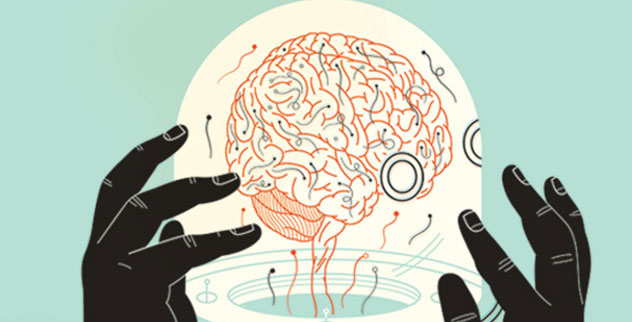
Brain-computer interfaces, or BCIs, are among the most jaw-dropping examples of future human enhancement. These systems read signals from the brain and translate them into commands for external devices such as cursors, robotic arms, speech generators, or wheelchairs.
How BCIs may enhance human ability
For people with paralysis, BCIs may restore a form of independence by allowing them to control technology with intention rather than muscle movement. Some experimental systems have already helped users move computer cursors, operate robotic limbs, or generate speech from brain activity. That does not mean everyone will be sending emails with pure thought next Tuesday, but the progress is real.
The superhuman angle is not mind reading in the movie-villain sense. It is the possibility of creating a direct communication channel between the nervous system and machines. In the future, BCIs could help people interact with computers faster, operate assistive devices more naturally, or control prosthetics with smoother precision.
2. Robotic Exoskeletons May Give Humans Extra Strength
Robotic exoskeletons are wearable machines that support movement, reduce strain, or increase physical power. Some are designed for rehabilitation, helping patients practice walking after injury or illness. Others are being developed for industrial workers, military settings, emergency response, and people with mobility limitations.
From medical support to real-world stamina
An exoskeleton can assist the hips, knees, back, shoulders, or arms, depending on the design. The goal is not always to make someone lift a truck like a comic-book character. Often, the bigger benefit is endurance: helping a nurse move patients safely, helping a warehouse worker reduce back strain, or helping someone with spinal cord injury stand and walk with support.
This is one of the clearest examples of technology making humans physically “more than human.” The machine does not erase the body’s limits, but it can share the load. Think of it as a wearable teammate that never asks for coffee breaks.
3. Bionic Limbs Could Restore Touch, Grip, and Precision
Modern prosthetics have moved far beyond simple replacement parts. Advanced bionic limbs can use sensors, motors, pattern recognition, and sometimes neural signals to create more natural movement. Some systems are also exploring sensory feedback, allowing users to feel pressure, touch, or limb position.
The future of prosthetics is feedback
A hand is not just a tool for grabbing things. It is a high-resolution sensor system. It tells you whether a cup is slipping, whether a surface is hot, and whether you are holding a potato chip or accidentally crushing it into sad snack confetti. Bionic prosthetics that restore feedback could make artificial limbs feel more like part of the body.
As prosthetic technology improves, future users may gain limbs that are stronger, more durable, or more specialized than biological ones. A bionic hand could be optimized for delicate work, heavy labor, sports, or even custom tools. The key challenge is making these devices affordable, reliable, comfortable, and accessiblenot just impressive in a lab video.
4. Gene Editing May Help Rewrite the Rules of Disease
Gene editing technologies such as CRISPR have already moved from theory into real medicine. The approval of CRISPR-based therapies for certain inherited blood disorders marked a major step in treating disease at its genetic root. Instead of only managing symptoms, gene editing may correct or modify biological instructions that contribute to illness.
Enhancement begins with healing
The most responsible path for gene editing is not designing designer babies with perfect hair and suspiciously good cheekbones. It is treating serious diseases: sickle cell disease, certain cancers, rare genetic conditions, immune disorders, and inherited blindness. Over time, the same tools that repair disease-related genes could open debates about prevention, resilience, and enhancement.
This technology may make us superhuman by reducing biological vulnerability. Imagine a future where some inherited diseases are corrected before they cause lifelong harm. That is not flying through the sky, but for affected families, it may feel even more miraculous.
5. AI Assistants Could Become Cognitive Exoskeletons
Artificial intelligence is already changing how people work, learn, diagnose problems, write code, analyze images, and manage information. In the future, AI may function like a cognitive exoskeleton: not replacing the brain, but supporting memory, decision-making, creativity, and attention.
Smarter decisions, not magic answers
A well-designed AI assistant could help a doctor compare symptoms with medical literature, help an engineer test designs faster, help a student learn at a personalized pace, or help an older adult manage medications and appointments. The benefit is not that AI “knows everything.” It definitely does not. The benefit is speed, pattern recognition, and the ability to organize oceans of information without needing a submarine license.
Human intelligence plus AI may outperform either one alone in many settings. The superhuman future is collaborative: humans bring judgment, values, lived experience, and creativity; AI brings scale, memory, and rapid analysis. When used wisely, that partnership could make people far more capable.
6. Wearable Sensors May Give Us Early Warning Systems
Wearable technology has already normalized heart-rate tracking, sleep scores, step counts, and blood oxygen measurements. The next wave of wearable sensors may go much deeper, monitoring hydration, glucose, stress markers, body temperature, movement patterns, cardiovascular changes, and possibly molecular biomarkers in sweat, tears, or saliva.
Your body, but with dashboard alerts
The dream is a real-time health dashboard that spots subtle changes before symptoms become serious. A wearable could detect unusual heart rhythms, signs of infection, changes in breathing, abnormal fatigue, or shifts in recovery after exercise. For people with chronic conditions, this could mean fewer surprises and faster interventions.
Of course, a future full of body data also needs privacy protections, accuracy standards, and common sense. Nobody wants a smartwatch that screams “You are doomed!” because you ate spicy noodles and slept badly. The best wearable health technology will be quiet, reliable, and usefulnot a tiny wrist-mounted drama queen.
7. Augmented Reality Could Upgrade Vision and Skill
Augmented reality, or AR, overlays digital information onto the physical world. In entertainment, that might mean games or interactive displays. In medicine, engineering, aviation, education, and repair work, it could mean step-by-step guidance directly in a person’s field of view.
Seeing instructions in the real world
Surgeons may use AR to visualize anatomy, trainees may practice complex procedures in simulations, technicians may see repair instructions while looking at machinery, and students may explore 3D models instead of flat textbook diagrams. AR could turn the world itself into an interactive manual.
This may make humans superhuman by improving perception. Instead of simply seeing what is in front of us, we could see context: measurements, warnings, translations, labels, navigation, hidden structures, or expert guidance. It is like having a helpful expert whispering in your glassesideally one who knows when to stop talking.
8. Bionic Eyes and Smart Lenses May Expand Human Vision
Vision enhancement is one of the most fascinating areas of assistive technology. Retinal prostheses, optogenetic therapies, smart contact lenses, and wearable visual aids are being explored to restore or support sight. Some technologies aim to help people with retinal disease perceive shapes or movement, while smart lenses may monitor eye pressure, glucose-related biomarkers, or other health indicators.
Beyond ordinary eyesight
The future of vision technology may include lenses that display information, glasses that translate signs in real time, implants that restore partial visual function, or sensors that detect health changes through the eye. These tools may not create superhero laser vision, which is probably good for workplace safety, but they could dramatically change how people interact with the world.
For people with vision loss, even partial restoration can be life-changing. For everyone else, smart visual systems could expand awareness, improve navigation, and reduce errors in high-stakes environments.
9. 3D Bioprinting and Regenerative Medicine Could Repair the Body
Regenerative medicine aims to repair, replace, or regrow damaged tissues. 3D bioprinting adds another layer by using living cells and biomaterials to create tissue-like structures. Researchers are exploring applications in skin, cartilage, bone, blood vessels, heart tissue, liver models, and organ research.
Spare parts, but biological
The ultimate vision is not a shelf full of fully printed human organs ready for same-day delivery. That remains extremely complex. Organs are not just blobs of cells; they need blood vessels, nerves, immune compatibility, structure, and long-term function. Biology is picky. Very picky.
Still, progress in tissue engineering could transform medicine. Bioprinted tissues may help test drugs, model diseases, repair injuries, and eventually reduce the shortage of transplantable organs. If regenerative medicine matures, future humans may recover from damage that today would be permanent.
10. Nanomedicine May Deliver Treatments With Microscopic Precision
Nanomedicine uses materials and devices at extremely small scales to diagnose, monitor, or treat disease. Nanoparticles can be designed to carry drugs, target specific tissues, improve imaging, or reduce side effects. Some cancer treatments already rely on nanoscale delivery systems, and research continues in targeted therapy, vaccines, biosensing, and regenerative medicine.
Tiny tools with huge potential
The superhuman promise of nanomedicine is precision. Instead of flooding the whole body with a treatment and hoping the right cells get the message, future therapies may deliver medicine more directly where it is needed. That could mean stronger effects, lower doses, fewer side effects, and better personalization.
Nanomedicine is not a swarm of tiny robots with tool belts fixing your knee cartilage while humming. At least, not yet. But nanoscale engineering is already changing how scientists think about drug delivery, diagnostics, and disease monitoring.
The Big Question: Should We Become Superhuman?
The phrase “superhuman technology” sounds exciting, but it also raises serious questions. Who gets access? Who controls the data? What happens when enhancement becomes expensive, competitive, or socially expected? Could workers be pressured to wear performance-tracking devices? Could soldiers be pushed toward risky upgrades? Could genetic tools be misused?
These questions matter because technology does not automatically create a better future. It creates options. People, institutions, laws, and culture decide how those options are used. The best version of human enhancement technology should prioritize health, dignity, consent, fairness, safety, and accessibility.
In other words, the future should not be “upgrade or fall behind.” It should be “use technology to help people live better, safer, fuller lives.” Superhuman should not mean less human. It should mean more capable, more resilient, and more empowered.
Real-Life Experiences: What Superhuman Technology May Feel Like
Imagine waking up in the morning and your wearable health system has already done a quiet check-in. It notices your resting heart rate is higher than usual, your sleep was poor, and your skin temperature rose overnight. Instead of panicking, it simply suggests taking it easy, drinking water, and watching for symptoms. If the pattern continues, it recommends contacting a clinician. That does not feel like science fiction. It feels like having a very calm, very nerdy health coach living on your wrist.
Now imagine a construction worker using a back-support exoskeleton. At first, the device feels strange, like wearing a backpack designed by a robot with excellent posture. But after a few hours, the difference becomes obvious. Bending, lifting, and repetitive movements feel less punishing. At the end of the day, the worker is still tired, but not destroyed. That is the kind of “superpower” most adults would actually request: fewer aches, fewer injuries, and enough energy left to make dinner without staring into the refrigerator like it contains answers to life.
For a person who has lost a limb, a bionic prosthetic with better grip control and sensory feedback could change everyday routines. Holding a coffee cup, buttoning a shirt, typing, cooking, shaking hands, or picking up a child may become smoother and more natural. The emotional impact may be as powerful as the mechanical one. Good technology does not merely perform a function; it restores confidence.
In a hospital, augmented reality could help a trainee understand anatomy with 3D overlays rather than memorizing everything from flat images. A surgeon might use image guidance to plan a procedure more precisely. A nurse might receive real-time alerts from patient-monitoring systems that catch subtle deterioration earlier. These technologies do not remove the need for expertise. They raise the ceiling of what expertise can do.
Students may experience AI as a personal tutor that never gets annoyed by the phrase “Can you explain that again, but easier?” Workers may use AI to summarize documents, check code, prepare presentations, or analyze trends. Creative people may use it as a brainstorming partner. The best experience is not feeling replaced. It is feeling less stuck.
Older adults may benefit from homes equipped with sensors that detect falls, medication reminders that reduce errors, and digital assistants that help manage appointments. People with chronic illnesses may use remote monitoring to avoid unnecessary hospital visits. Athletes may use biomechanics data to improve performance while reducing injury risk. People with visual impairments may use smart glasses to identify objects, read text, or navigate unfamiliar places.
The most powerful experience may be psychological. Superhuman technology, when designed well, may make people feel less limited by injury, age, disease, distance, or information overload. It may turn “I can’t” into “I can, with help.” That small phrase“with help”is the heart of the whole topic. Human enhancement does not have to be about replacing the body or outsourcing the mind. It can be about partnership between biology and tools.
There will be awkward moments. Devices will need charging. Sensors will occasionally misread things. AI will sometimes sound confident while being wrong, which is basically the digital version of a guy at a barbecue explaining nutrition science. Exoskeletons may look clunky before they look cool. Smart glasses may go through a fashion phase best described as “cyborg substitute teacher.” But early awkwardness is normal. The first mobile phones were bricks with antennas. Now people complain if a pocket computer takes three seconds to load a video of a raccoon stealing cat food.
The future of superhuman technology will likely arrive unevenly: first in hospitals, rehabilitation centers, research labs, workplaces, and specialized military or emergency settings. Then, slowly, the best and safest tools may become ordinary. That is how many superpowers enter daily life. They stop looking like miracles and start looking like convenience.
Conclusion: The Superhuman Future Is Already Warming Up
Technology may make us superhuman in ways that are quieter and more useful than fiction promised. Brain-computer interfaces may restore communication. Exoskeletons may reduce injury and improve mobility. Bionic limbs may bring back touch and precision. Gene editing may treat diseases at their root. AI may amplify intelligence. Wearables may warn us before health problems become emergencies. AR may upgrade perception. Smart lenses and bionic eyes may expand vision. Regenerative medicine may repair damaged tissues. Nanomedicine may deliver treatments with stunning precision.
The future will not be perfect, and it should not be rushed without ethics, testing, privacy, and public discussion. But the direction is clear: human enhancement is no longer just a fantasy. It is becoming a practical field where medicine, engineering, artificial intelligence, biology, and design meet.
The best version of this future will not ask humans to become machines. It will use machines, software, sensors, and biology to help humans do what we have always tried to do: heal, learn, adapt, explore, and occasionally feel a little cooler while doing it.
Note: This article is based on current public research and real developments from reputable U.S. medical, regulatory, academic, and technology sources. It is written for informational and editorial purposes only and is not medical, legal, or investment advice.