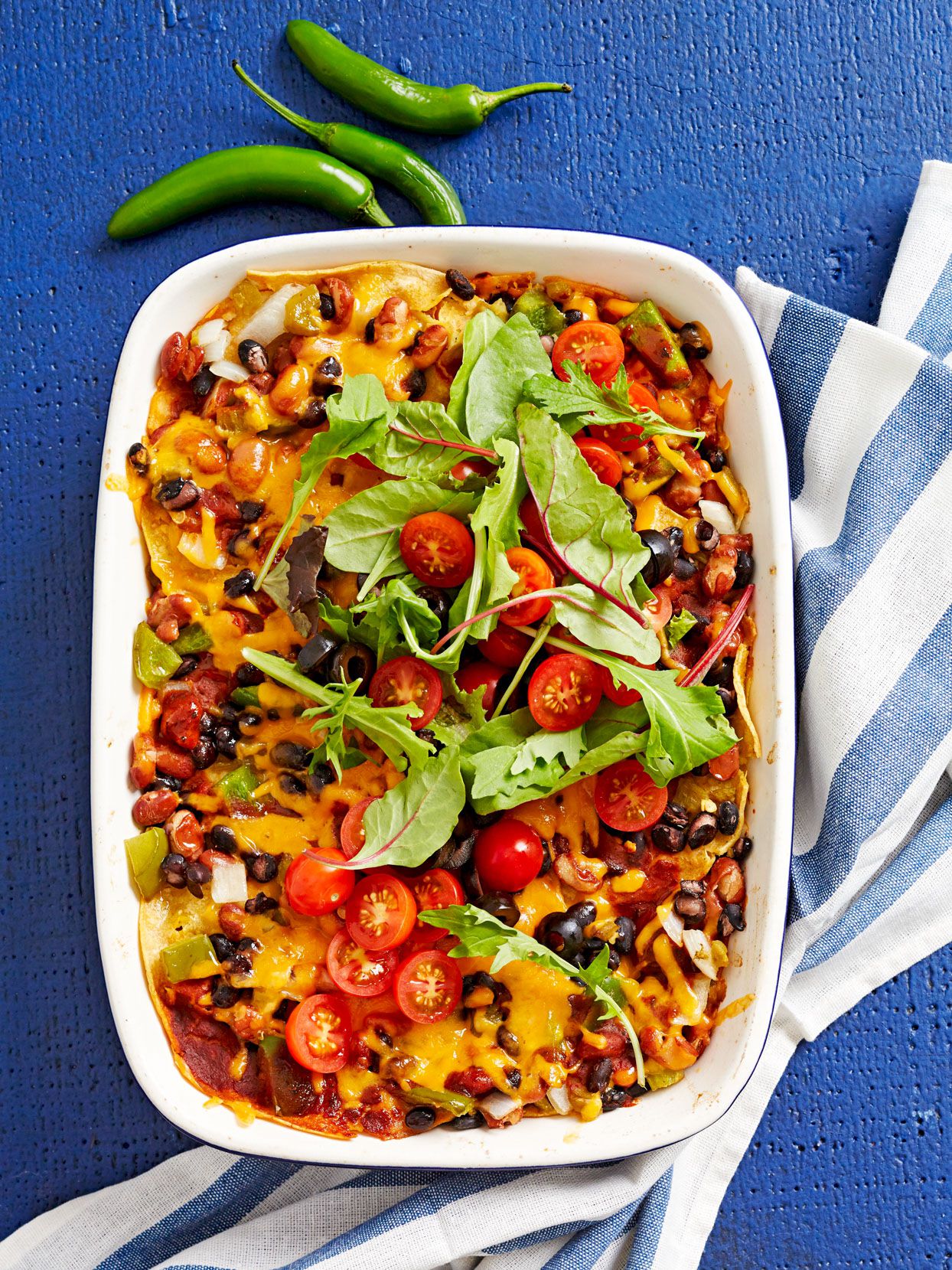
Healthy casseroles have had a glow-up. Once known as the land of mystery soup, crushed crackers, and enough cheese to make a dairy cow file a complaint, today’s casseroles can be colorful, protein-rich, vegetable-packed, and still deeply comforting. The best part? You do not have to eat “sad diet food” to enjoy a low-calorie casserole. A smart casserole can be warm, saucy, satisfying, and full of real flavor without turning dinner into a math worksheet.
The secret is balance. Instead of relying on heavy cream, processed meats, refined pasta, and cheese by the handful, healthy casserole recipes use lean protein, vegetables, beans, whole grains, Greek yogurt, cottage cheese, herbs, spices, and lighter sauces. That means you still get the cozy baked-dish experience, but with more nutrients and fewer empty calories.
Below are 10 healthy casserole recipes low on calories, designed for weeknight dinners, meal prep, family meals, and those nights when your oven is basically your emotional support appliance. Calorie counts are estimates and depend on portion size and ingredients, but each idea is built around lighter cooking principles, filling ingredients, and plenty of flavor.
What Makes a Casserole Healthy and Low in Calories?
A healthy casserole is not just a regular casserole with the cheese removed and the joy confiscated. A better approach is to build the dish like a balanced meal: vegetables for volume and fiber, protein for fullness, a smart carbohydrate source for energy, and a flavorful sauce that does not rely entirely on fat.
Use More Vegetables Than You Think You Need
Vegetables add color, texture, water, fiber, vitamins, and bulk. Zucchini, cauliflower, spinach, broccoli, mushrooms, bell peppers, kale, eggplant, tomatoes, and spaghetti squash all work beautifully in casseroles. They help make each serving feel generous without sending calories sky-high.
Choose Lean or Plant-Based Protein
Chicken breast, turkey, tuna, salmon, eggs, low-fat cottage cheese, beans, lentils, chickpeas, and tofu can all anchor a casserole. Protein helps turn a pan of baked vegetables into a real meal, not a side dish wearing a trench coat.
Lighten the Sauce Without Losing Creaminess
Greek yogurt, low-fat milk thickened with a little flour, blended cottage cheese, tomato sauce, salsa, broth, and pureed vegetables can create creamy or saucy textures. A little cheese can still be included, but it works best as a flavor accent instead of the main structural material.
10 Healthy Casserole Recipes Low on Calories
1. Chicken Broccoli Whole-Wheat Pasta Casserole
Estimated calories: 350–450 per serving
This casserole is a lighter cousin of classic creamy chicken pasta bake. It combines cooked whole-wheat pasta, chopped broccoli, shredded chicken breast, low-fat milk, garlic, onion powder, black pepper, and a modest amount of sharp cheddar or Parmesan. Whole-wheat pasta adds fiber, while broccoli adds volume and that “I made a responsible dinner” feeling.
To make it, whisk low-fat milk with a spoonful of flour over medium heat until lightly thickened. Stir in garlic, mustard powder, pepper, and a small amount of cheese. Fold in cooked pasta, steamed broccoli, and cooked chicken. Bake until bubbly. For extra crunch, top with whole-wheat breadcrumbs instead of crushed chips.
Why it works: You get the creamy comfort of a traditional casserole, but the lean chicken and broccoli keep it balanced. Use strongly flavored cheese so a smaller amount tastes like more.
2. Turkey Taco Cauliflower Rice Casserole
Estimated calories: 280–380 per serving
This low-calorie casserole recipe brings taco night into a baking dish without requiring a mountain of tortillas. Brown lean ground turkey with onion, garlic, chili powder, cumin, smoked paprika, and a pinch of salt. Stir in cauliflower rice, black beans, diced tomatoes, corn, and salsa. Spread everything in a baking dish and top with a light sprinkle of reduced-fat Mexican cheese.
Bake until hot and slightly golden. Serve with shredded lettuce, cilantro, lime, and plain Greek yogurt instead of sour cream. It tastes like taco filling decided to go to college and major in nutrition.
Why it works: Cauliflower rice lowers calories while black beans add fiber and texture. Salsa provides big flavor with minimal effort, which is exactly the kind of kitchen shortcut we respect.
3. Spinach and Feta Egg White Breakfast Casserole
Estimated calories: 180–260 per serving
A healthy breakfast casserole can be light, protein-rich, and meal-prep friendly. Combine egg whites with a few whole eggs for richness, then add spinach, tomatoes, onions, bell peppers, reduced-fat feta, black pepper, and oregano. Pour into a greased baking dish and bake until set.
This casserole reheats well, making it ideal for busy mornings. Pair it with fruit, whole-grain toast, or roasted sweet potatoes if you need a more filling breakfast.
Why it works: Egg whites keep calories lower, while whole eggs and feta add flavor. Spinach shrinks dramatically when cooked, so use more than seems reasonable. Spinach is basically the laundry of vegetables: a giant pile becomes tiny after heat gets involved.
4. Light Tuna Noodle Casserole with Peas
Estimated calories: 320–420 per serving
Tuna noodle casserole is a classic, but the old-school version can be heavy. This lighter version uses whole-wheat egg noodles, tuna packed in water, peas, mushrooms, onion, low-fat milk, broth, and a small amount of Parmesan. Instead of canned condensed soup, make a quick sauce with flour, milk, broth, garlic, and pepper.
Mix the sauce with noodles, tuna, peas, and sautéed mushrooms. Top with a thin layer of breadcrumbs and bake until golden. The result is creamy, nostalgic, and far less heavy than the version that haunted many cafeteria trays.
Why it works: Tuna provides protein, peas add sweetness and fiber, and homemade sauce helps control sodium and fat.
5. Zucchini Lasagna Casserole
Estimated calories: 250–360 per serving
Zucchini lasagna casserole is perfect when you want lasagna flavor without a pasta-heavy dish. Slice zucchini lengthwise or into rounds, salt lightly, and let it sit for 10–15 minutes to draw out moisture. Pat dry before layering.
Layer zucchini with marinara sauce, lean ground turkey or lentils, part-skim ricotta or blended cottage cheese, spinach, Italian seasoning, and a little mozzarella. Bake uncovered so excess liquid evaporates. Let it rest before slicing, because hot zucchini lasagna fresh from the oven has the structural confidence of a sleepy toddler.
Why it works: Zucchini replaces some or all of the pasta, while cottage cheese or ricotta adds creaminess and protein. Marinara brings flavor without needing a heavy cream sauce.
6. Salmon Sweet Potato and Kale Casserole
Estimated calories: 350–460 per serving
This casserole is colorful, hearty, and naturally rich in nutrients. Layer thin slices of cooked sweet potato with flaked cooked salmon, chopped kale, onion, garlic, and a light yogurt-dill sauce. You can use fresh baked salmon or canned salmon if you want a budget-friendly shortcut.
The sauce can be made with plain Greek yogurt, lemon juice, dill, garlic powder, and a splash of milk to loosen it. Bake until warm and tender. Add a small sprinkle of Parmesan or feta if desired.
Why it works: Salmon adds protein and healthy fats, sweet potato adds natural sweetness and satisfying carbohydrates, and kale brings sturdy texture that holds up well in the oven.
7. Vegetarian Enchilada Bean Casserole
Estimated calories: 300–420 per serving
This meatless casserole is built from black beans, pinto beans, corn, peppers, onions, enchilada sauce, corn tortillas, and a moderate amount of cheese. Layer torn tortillas with the bean mixture and sauce, then bake until the edges bubble.
For a lighter finish, top with shredded cabbage, cilantro, diced tomatoes, and Greek yogurt. The beans make the dish filling, while the tortillas give it structure without needing a giant stack.
Why it works: Beans are affordable, filling, and rich in fiber. They make a low-calorie casserole feel hearty enough for dinner, even for people who believe “vegetarian” means “where is the second dinner?”
8. Mushroom Chicken and Wild Rice Casserole
Estimated calories: 330–450 per serving
Wild rice has a nutty flavor and chewy texture that makes casseroles feel more interesting. Combine cooked wild rice with shredded chicken, mushrooms, celery, onion, carrots, thyme, broth, and a light milk-based sauce. Add a small amount of Gruyere, Swiss, or Parmesan for flavor.
Bake until the top is lightly browned and the filling is hot. This is an excellent meal-prep casserole because the flavors deepen after a day in the fridge.
Why it works: Mushrooms add savory depth, wild rice adds texture, and chicken supplies lean protein. The dish tastes rich even when the sauce is lighter.
9. Greek Chickpea Spinach Casserole
Estimated calories: 290–390 per serving
This Mediterranean-inspired casserole uses chickpeas, spinach, tomatoes, red onion, garlic, oregano, lemon zest, parsley, and feta. Stir everything together with a spoonful of olive oil and bake until the chickpeas are warm and slightly crisp around the edges.
For a creamy version, add a thin layer of Greek yogurt mixed with lemon and herbs. Serve with cucumber salad or a small portion of brown rice or quinoa.
Why it works: Chickpeas bring fiber and plant protein, while lemon and herbs keep the flavor bright. Feta is salty and tangy, so a little goes a long way.
10. Spaghetti Squash Pizza Casserole
Estimated calories: 250–370 per serving
Spaghetti squash makes this casserole fun and lighter than traditional pasta bakes. Roast the squash, scrape out the strands, and squeeze out excess moisture. Mix with marinara, turkey pepperoni or cooked lean turkey sausage, mushrooms, bell peppers, onions, Italian herbs, and part-skim mozzarella.
Bake until the cheese melts and the edges are bubbly. Add basil after baking for fresh flavor. This is the casserole for anyone who wants pizza energy without ordering delivery and accidentally adding garlic knots “because the app suggested it.”
Why it works: Spaghetti squash lowers the calorie density while keeping a pasta-like texture. Vegetables and lean protein turn it into a complete meal.
Low-Calorie Casserole Tips That Actually Work
Measure the High-Calorie Ingredients
Cheese, oil, nuts, cream, and breadcrumbs are delicious, but they are also easy to overdo. Measuring them does not mean being strict or joyless. It simply means giving flavor a job description instead of letting it run the company.
Use Big Flavor Boosters
Garlic, onion, mustard, smoked paprika, cumin, chili flakes, lemon zest, vinegar, fresh herbs, salsa, roasted tomatoes, and mushrooms can make a casserole taste bold without adding many calories. If a dish tastes flat, it may not need more cheese. It may need acid, herbs, spice, or salt used carefully.
Do Not Underseason the Vegetables
Vegetables are often blamed for being boring when the real culprit is poor seasoning. Roast or sauté watery vegetables before adding them to casseroles. This improves texture and concentrates flavor.
Let the Casserole Rest Before Serving
A casserole needs 10 minutes after baking to settle. This helps the sauce thicken, makes slicing easier, and prevents the first serving from looking like a landslide with cheese.
Meal Prep and Storage Ideas
Most healthy casseroles keep well in the refrigerator for three to four days. Store portions in airtight containers so lunch is ready without negotiating with your future hungry self. Many casseroles also freeze well, especially those with rice, beans, pasta, poultry, or tomato-based sauces.
For best results, cool the casserole completely before freezing. Wrap tightly or use freezer-safe containers. Thaw overnight in the refrigerator and reheat in the oven or microwave. If the casserole seems dry after reheating, add a splash of broth, milk, or sauce.
Personal Experience: What I Learned Making Low-Calorie Casseroles Taste Good
After experimenting with healthy casserole recipes, one lesson becomes obvious very quickly: “low calorie” does not automatically mean “small, plain, and emotionally disappointing.” The casseroles that work best are not the ones that remove everything fun. They are the ones that use smarter proportions. A little cheese on top tastes more satisfying than a lot of cheese hidden inside. Roasted vegetables taste better than watery vegetables tossed in raw. A bright sauce can rescue a dish faster than another handful of shredded mozzarella.
The biggest mistake I have seen with light casseroles is trying to replace every rich ingredient at once. No cheese, no oil, no sauce, no carbs, no joycongratulations, you have invented a warm vegetable apology. A better method is to keep the soul of the dish and improve the structure. If it is a pasta casserole, use whole-wheat pasta and add twice the vegetables. If it is a creamy chicken casserole, use a lighter sauce but keep enough seasoning and a crisp topping. If it is enchilada casserole, use beans, salsa, tortillas, and vegetables so the dish still feels hearty.
Another practical discovery: texture matters as much as calories. A casserole that is soft from top to bottom can feel boring even if the flavor is good. Add crunch with toasted whole-wheat breadcrumbs, crushed baked tortilla chips, roasted chickpeas, or a quick sprinkle of seeds. Add freshness after baking with herbs, scallions, chopped tomatoes, lemon juice, or shredded lettuce. That contrast makes leftovers taste intentional instead of like “Tuesday, again.”
Meal prep also becomes easier when casseroles are portioned before storing. Cutting the casserole into servings helps with lunches and avoids the classic problem of standing at the fridge with a fork, pretending “just one more corner” is a recognized serving size. It also makes it easier to pair the casserole with a salad, fruit, or soup depending on hunger.
One more experience-based tip: always check moisture. Zucchini, spinach, mushrooms, and spaghetti squash release water as they cook. If you do not remove some of that moisture first, your casserole can turn soupy. Salt zucchini and pat it dry. Sauté mushrooms before baking. Squeeze cooked spinach. Drain canned tomatoes if the sauce is already thin. These small steps make the difference between a neat slice and a casserole that needs a lifeguard.
Finally, the best healthy casseroles are flexible. They let you use what you have: leftover chicken, a half bag of spinach, canned beans, frozen broccoli, cooked rice, or that lonely bell pepper in the crisper drawer. Once you learn the formulaprotein, vegetables, sauce, seasoning, and a modest toppingyou can create dozens of low-calorie casserole recipes without starting from scratch every time.
Conclusion
Healthy casseroles prove that comfort food does not have to be heavy to be satisfying. With lean proteins, vegetables, beans, whole grains, lighter sauces, and smart seasoning, you can enjoy warm, cozy meals that fit into a balanced eating routine. Whether you choose chicken broccoli pasta, turkey taco cauliflower rice, zucchini lasagna, tuna noodle, or spaghetti squash pizza casserole, the goal is the same: make food that tastes good, fills you up, and does not require a nap immediately after dinner.
The best low-calorie casserole recipes are practical, flexible, and full of flavor. They are perfect for family dinners, weekly meal prep, and anyone who wants a healthier dinner without giving up the comfort of a bubbling dish fresh from the oven. In other words, your casserole dish is not retired. It is just entering its wellness era.