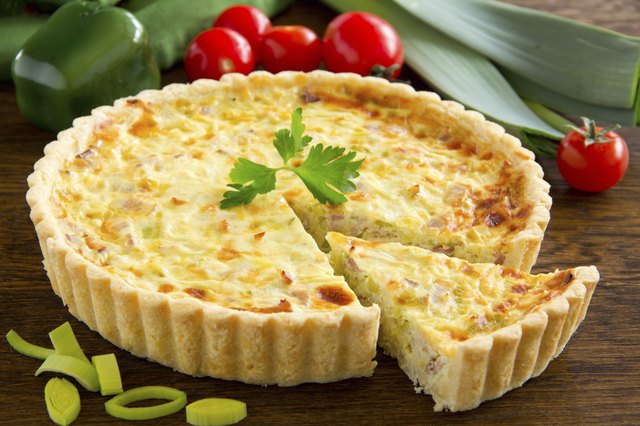
Cold quiche is one of those foods that quietly understands adult life. It does not demand a hot skillet, it does not sulk if you eat it straight from the fridge, and it somehow makes leftover breakfast feel like a small French café momenteven if you are standing in socks beside the sink. The best part? Eating quiche cold is not only acceptable; when handled and stored properly, it can be genuinely delicious.
Whether you made a classic Quiche Lorraine, a spinach and mushroom quiche, a broccoli cheddar quiche, or a crustless version because pastry decided to emotionally betray you, cold quiche can be served for breakfast, brunch, lunch, picnics, office meals, or late-night “I deserve something better than cereal” situations. The key is knowing how to chill it safely, slice it neatly, pair it smartly, and bring out its best texture and flavor.
This guide explains exactly how to eat quiche cold, how to store it, when to serve it chilled versus room temperature, what to pair it with, and how to avoid common mistakes. Think of it as your calm, eggy roadmap to enjoying quiche without reheating drama.
Can You Eat Quiche Cold?
Yes, you can eat quiche cold. In fact, many people prefer it that way because chilling helps the custard set firmly, making each slice cleaner, denser, and easier to handle. A warm quiche can be creamy and soft, but a cold quiche has structure. It behaves. It stays on the plate like it has somewhere important to be.
Cold quiche is especially good when the filling includes ingredients that taste bright or savory at lower temperatures, such as spinach, leeks, mushrooms, ham, bacon, cheddar, Swiss cheese, goat cheese, caramelized onions, asparagus, or roasted peppers. The custard becomes silky and firm, the crust can stay pleasantly flaky if stored correctly, and the flavors often deepen after a night in the refrigerator.
The important rule is that “cold” should mean properly refrigerated, not “forgotten on the counter since yesterday.” Quiche contains eggs and often dairy, cheese, meat, or vegetables, so it should be treated as a perishable food. Safe storage is what makes cold quiche a pleasure instead of a risky kitchen gamble.
How to Chill Quiche Properly Before Eating It Cold
Before quiche becomes a cold meal, it needs to cool and chill correctly. After baking, let the quiche rest on a rack until it is no longer steaming heavily. This helps the custard finish setting and prevents excess moisture from getting trapped under wrapping. If you cover a hot quiche tightly right away, condensation can soften the crust and make the top wet. Nobody wants a quiche wearing a tiny raincoat.
Once it has cooled slightly, refrigerate it within two hours of baking or serving. If the room is very hot, especially above 90°F, refrigerate it within one hour. Use a shallow container or cover the pie dish loosely at first, then wrap it more securely once chilled. The goal is to cool the quiche efficiently while protecting it from drying out or absorbing refrigerator odors.
Best Cooling Method
For the best cold quiche texture, follow this simple process:
- Let the baked quiche rest for 15 to 30 minutes after it comes out of the oven.
- Move it to the refrigerator before it has been out for two hours total.
- Chill it for at least 2 to 4 hours before serving cold.
- For the cleanest slices, chill it overnight.
Overnight chilling is the secret weapon. The custard firms, the cheese settles, and the flavors become more balanced. Yesterday’s quiche often tastes like it spent the night reading poetry and improving itself.
How to Serve Cold Quiche the Right Way
The easiest way to eat cold quiche is to remove it from the refrigerator, slice it, plate it, and enjoy. But if you want it to taste its best, give it a little attention first. Cold food can taste slightly muted because lower temperatures reduce aroma, so smart serving choices make a big difference.
Let It Rest Briefly Before Serving
If your quiche is very cold from the refrigerator, let it sit for about 10 to 15 minutes before eating. This does not mean leaving it out for hours. A short rest simply softens the texture slightly and allows the flavor of cheese, herbs, vegetables, and crust to become more noticeable. It is still cold, just not “straight from the Arctic shelf behind the pickles” cold.
Use a Sharp Knife for Clean Slices
Cold quiche slices beautifully when you use a sharp knife. Wipe the knife between cuts if the filling is cheesy or loaded with vegetables. For a full-size quiche, cut it into 6 to 8 wedges. For a brunch platter, smaller slices work well because guests can sample other foods without committing to a wedge the size of a paperback novel.
Serve It on a Cool Plate
A cold or room-temperature plate works better than a warm plate. A hot plate can make the bottom crust soften quickly. If you are serving cold quiche outdoors, keep it in a cooler until serving time, then plate only what people will eat soon.
Best Side Dishes for Cold Quiche
Cold quiche is rich, savory, and creamy, so it pairs best with foods that add crunch, freshness, acidity, or light sweetness. The goal is balance. Quiche brings the cozy sweater; the sides bring the sunglasses.
Fresh Green Salad
A crisp green salad is the classic partner for cold quiche. Use arugula, romaine, baby spinach, mixed greens, or butter lettuce. Add a light vinaigrette made with lemon juice or vinegar to cut through the richness of the eggs and cheese. Avoid heavy creamy dressings unless you want your lunch to feel like it needs a nap.
Fresh Fruit
Fruit works beautifully with cold quiche, especially for brunch. Try berries, grapes, melon, orange slices, apple wedges, or peaches. The sweetness brightens the meal and makes the quiche feel lighter. A spinach and feta quiche with strawberries on the side? Very civilized. Possibly too civilized for a Monday, but we believe in you.
Pickles or Marinated Vegetables
Pickled onions, cornichons, olives, marinated artichokes, roasted peppers, or cucumber salad are excellent with cold quiche. Their acidity wakes up the custard and keeps each bite from feeling too heavy.
Soup, If You Want a Bigger Meal
If you are eating cold quiche for lunch or dinner, pair it with a light soup. Tomato soup, vegetable soup, chilled cucumber soup, or a simple broth-based soup can turn one slice into a complete meal. Hot soup with cold quiche is a surprisingly good contrast.
Best Types of Quiche to Eat Cold
Almost any quiche can be eaten cold, but some fillings perform better than others. The best cold quiches have balanced moisture, strong flavor, and ingredients that remain pleasant when chilled.
Quiche Lorraine
Quiche Lorraine, usually made with bacon or lardons, eggs, cream, and cheese, is one of the best cold quiche options. The smoky bacon flavor stays bold after chilling, and the firm custard slices neatly. It is ideal for brunch tables, lunch boxes, and picnics.
Spinach and Cheese Quiche
Spinach quiche tastes excellent cold, especially with feta, goat cheese, Swiss, or cheddar. The only trick is to remove excess moisture from cooked spinach before baking. Too much water in the filling can make the cold slice soggy.
Mushroom Quiche
Mushroom quiche can be deeply savory when cold, but the mushrooms should be cooked first until their moisture evaporates. Properly browned mushrooms add an earthy flavor that becomes even better after a night in the fridge.
Vegetable Quiche
Vegetable quiche is great cold when the vegetables are roasted or sautéed before baking. Bell peppers, onions, zucchini, asparagus, broccoli, and tomatoes all work, but watery vegetables should be cooked down first. Cold quiche should taste fresh, not like the filling is quietly leaking into the crust.
How Long Does Cold Quiche Last in the Refrigerator?
Most homemade quiche is best eaten within 3 to 4 days when stored in the refrigerator at 40°F or below. Egg-containing leftovers should be refrigerated promptly and kept covered. If the quiche includes seafood or delicate ingredients, aim to eat it sooner for the best quality.
Use your senses, but do not rely on them alone. If quiche has been left out too long, smells sour, looks slimy, has mold, or tastes off, discard it. Food safety is not the place to be heroic. Save bravery for assembling furniture without crying.
Can You Pack Cold Quiche for Lunch?
Yes, cold quiche is excellent for lunch. It is sturdy, flavorful, and does not require a microwave, which is convenient if your school, office, or travel schedule is not exactly gourmet-friendly. Pack a chilled slice in an airtight container with an ice pack if it will be away from refrigeration for more than a short time.
For a balanced lunch box, add a small salad, fruit, cherry tomatoes, cucumber slices, crackers, or roasted vegetables. If the quiche has a delicate crust, place parchment paper underneath the slice to reduce moisture buildup. Keep juicy sides in separate containers so they do not make the crust soggy.
Can You Serve Cold Quiche at a Picnic?
Cold quiche is a picnic classic because it travels better than many hot egg dishes. However, it must stay cold until serving. Pack it in a cooler with ice packs, keep the cooler closed as much as possible, and serve only what people will eat soon. Perishable foods should not sit out for more than two hours, or more than one hour in very hot weather.
For easy picnic serving, cut the quiche into wedges at home after it has chilled. Wrap slices individually or place parchment between them. Mini quiches or quiche squares are even easier because nobody has to perform pie surgery on a blanket while ants form an audience.
How to Make Cold Quiche Taste Better
Cold quiche is delicious on its own, but a few finishing touches can make it feel restaurant-worthy. A sprinkle of flaky salt, cracked black pepper, fresh herbs, or a small spoonful of relish can brighten the flavor instantly.
Add Fresh Herbs
Chives, parsley, dill, basil, thyme, and tarragon all work well with cold quiche. Fresh herbs add aroma and color, which helps chilled food taste more lively. Use a light hand; quiche should not look like it fell into a lawn mower bag.
Use a Bright Sauce
A small amount of sauce can transform cold quiche. Try lemony yogurt sauce, salsa verde, pesto, hot honey, tomato chutney, or a spoonful of Dijon vinaigrette on the side. The sauce should complement the filling, not bury it under a dramatic personality.
Add Crunch
Cold quiche is soft and creamy, so crunchy sides help. Try toasted nuts, crisp lettuce, radishes, cucumbers, seeded crackers, or a simple slaw. Texture contrast makes each bite more interesting.
Common Mistakes When Eating Quiche Cold
Cold quiche is simple, but a few mistakes can turn it from elegant to disappointing. Here is what to avoid.
Leaving It Out Too Long
The biggest mistake is treating quiche like shelf-stable bread. It is not. Quiche contains eggs and dairy, and often meat or vegetables. Keep it refrigerated until serving and do not leave it at room temperature for extended periods.
Wrapping It While Hot
Wrapping hot quiche tightly traps steam, which can make the crust soggy. Let it cool briefly first, then refrigerate it safely. Once chilled, cover it well.
Using Watery Fillings
If you know you want to eat quiche cold, cook watery vegetables before baking. Spinach, mushrooms, zucchini, and tomatoes should release moisture before they go into the custard. A cold quiche with too much moisture can taste flat and feel rubbery.
Serving It Too Cold
A very cold quiche can taste muted. Letting it rest for 10 to 15 minutes before serving improves flavor and texture while keeping it safely chilled for normal mealtime use.
Cold Quiche vs. Reheated Quiche: Which Is Better?
Cold quiche and reheated quiche are different experiences, not enemies. Warm quiche is softer, creamier, and more aromatic. Cold quiche is firmer, cleaner to slice, and easier to pack. If the crust is important to you, reheating in the oven can restore crispness. If convenience and texture matter more, cold quiche wins.
For breakfast, cold quiche is quick and satisfying. For brunch, room-temperature or lightly warmed quiche may feel more traditional. For lunch boxes, picnics, and meal prep, cold quiche is the practical champion. It is the low-maintenance friend who still brings good cheese.
Experience Notes: What Eating Cold Quiche Is Really Like
The first time you eat quiche cold, you may expect it to taste like a compromise. It does not. A well-made cold quiche has a firm, creamy bite that feels somewhere between a savory custard tart and a very sophisticated breakfast casserole. The flavor is calmer than when hot, but not weaker. Cheese tastes smoother, herbs become more noticeable, and smoky or salty ingredients like bacon and ham stand out beautifully.
One of the best experiences with cold quiche is the next-day slice. You bake it for brunch, wrap the leftovers, and the next morning there it is: breakfast already handled. No pans. No stove. No negotiation with the toaster. A slice of cold spinach and cheddar quiche with a handful of grapes or a small salad feels complete without trying too hard. It is the kind of meal that says, “I planned this,” even when the plan was mostly accidental.
Cold quiche is also surprisingly useful for busy mornings. A wedge can be eaten with coffee, packed for school or work, or cut into cubes for a snack plate. If the crust is sturdy, you can even eat it by hand, though a fork is safer if the filling is soft. Mini quiches are especially practical because they turn breakfast into grab-and-go food without making you feel like you surrendered to a vending machine.
For picnics, cold quiche feels almost unfairly perfect. It is elegant but not fussy, filling but not heavy, and easy to pair with fruit, salad, pickles, or iced tea. The trick is slicing it after it has chilled fully. Warm quiche can collapse when cut, but cold quiche makes clean wedges that travel neatly. Wrap each slice in parchment, pack it in a cooler, and suddenly your picnic has main-character energy.
Texture matters, though. The best cold quiche has a tender custard and a crust that still has some structure. If the crust softens, serving it with crunchy vegetables or salad helps. If the filling tastes too rich, a sharp vinaigrette or pickled side brings it back to life. Cold quiche rewards small contrasts: creamy with crisp, savory with bright, rich with fresh.
Another useful lesson is that not every quiche improves equally in the fridge. Bacon, mushroom, caramelized onion, leek, asparagus, spinach, and cheese versions usually taste fantastic cold. Very watery tomato-heavy quiches can be less successful unless the tomatoes are roasted first. The same goes for zucchini or frozen spinach that has not been squeezed dry. Cold quiche is honest; it will reveal whether the filling was too wet.
In everyday life, cold quiche works because it is flexible. It can be breakfast, brunch, lunch, dinner, picnic food, party food, or the thing you eat while staring into the refrigerator deciding whether you are hungry or just bored. It tastes best when properly chilled, briefly rested, and served with something fresh. Treat it safely, slice it confidently, and cold quiche becomes less like leftovers and more like a smart little meal that was waiting for its moment.
Conclusion
Learning how to eat quiche cold is mostly about safe storage, smart serving, and good pairings. Chill it properly, keep it refrigerated, slice it with a sharp knife, and let it rest briefly before serving for the best flavor. Pair it with salad, fruit, pickles, soup, or fresh herbs, and cold quiche becomes more than a leftoverit becomes a ready-made meal with charm.
Cold quiche is practical, elegant, and forgiving. It is ideal for meal prep, picnics, brunch tables, lunch boxes, and quick breakfasts. As long as you respect food-safety basics and avoid soggy fillings, you can enjoy quiche cold with confidence. And frankly, any food that tastes good without requiring you to wash another pan deserves applause.