Note: In this article, “fraud” is used in the pop-culture sense: impostor lineups, legal name games, brand confusion, and comeback schemes that left fans wondering whether they had paid to see a legendary band or the musical equivalent of a trench coat full of raccoons.
Introduction: When a Band Name Becomes a Haunted House
A great band name is supposed to mean something. It promises a sound, a story, a lineup, a feeling, and usually at least one member who owns too many scarves. But music history is full of cases where the name outlived the band, the friendships, the contracts, or basic common sense. Once a famous group breaks up, that name can become a golden ticket. Promoters want it. Former members want it. Managers want it. Random guys with matching jackets and suspicious confidence also want it.
That is how we get one of the strangest corners of rock and pop history: bands that split up, disappeared, or lost key members, only to “return” in ways that were legally murky, ethically slippery, or just plain ridiculous. Sometimes the fraud was blatant, as with musicians touring under a famous name without any real connection to the original band. Sometimes it was a branding maneuver, as when a group name became one person’s legal identity. Sometimes the confusion came from too many former members, each claiming to be the real torchbearer.
Below are six famous examples of band resurrections that turned into case studies in music business weirdness. They prove one thing: in rock and roll, death is not final. Neither is breakup. Neither, apparently, is truth in advertising.
1. Fleetwood Mac: The Fake Mac Attack
What Happened?
Fleetwood Mac may be the only band whose real history sounds like a fake documentary pitched by someone who has not slept in three days. Members came and went, relationships exploded, musical styles shifted, and somehow the band kept turning emotional chaos into platinum records. But even by Fleetwood Mac standards, the 1974 “fake Fleetwood Mac” tour was spectacularly bizarre.
In the early 1970s, the real Fleetwood Mac was exhausted and unstable. Guitarist Bob Weston had been fired, personal conflicts were boiling, and the remaining members wanted a break from touring. Their manager, Clifford Davis, had other ideas. Instead of waiting for the actual band, Davis assembled a different group of musicians and sent them out on the road in the United States as Fleetwood Mac.
The problem? None of those musicians had played on Fleetwood Mac’s albums. No Mick Fleetwood. No John McVie. No Christine McVie. No Bob Welch. It was Fleetwood Mac in the same way a cardboard cutout of Elvis is a Vegas residency.
Why It Felt Like Fraud
Davis argued that he had rights connected to the band’s name and business. The real members strongly disagreed. Fans, promoters, and reporters quickly began calling the tour “fake Fleetwood Mac.” The musicians hired for the tour were not necessarily villains; several later said they believed at first that Mick Fleetwood might join or that the situation had some kind of authorization. Still, from the audience’s point of view, buying a ticket to Fleetwood Mac and getting a lineup with zero Fleetwood Mac members was a pretty major plot twist.
The scandal ended with lawsuits, firings, and a lot of hard feelings. Ironically, the real Fleetwood Mac soon rebuilt itself, moved deeper into its California era, and eventually became one of the biggest bands in the world. So yes, the fake tour was a messbut in true Fleetwood Mac fashion, the mess became part of the mythology.
2. Alice Cooper: When the Band Name Became the Singer
What Happened?
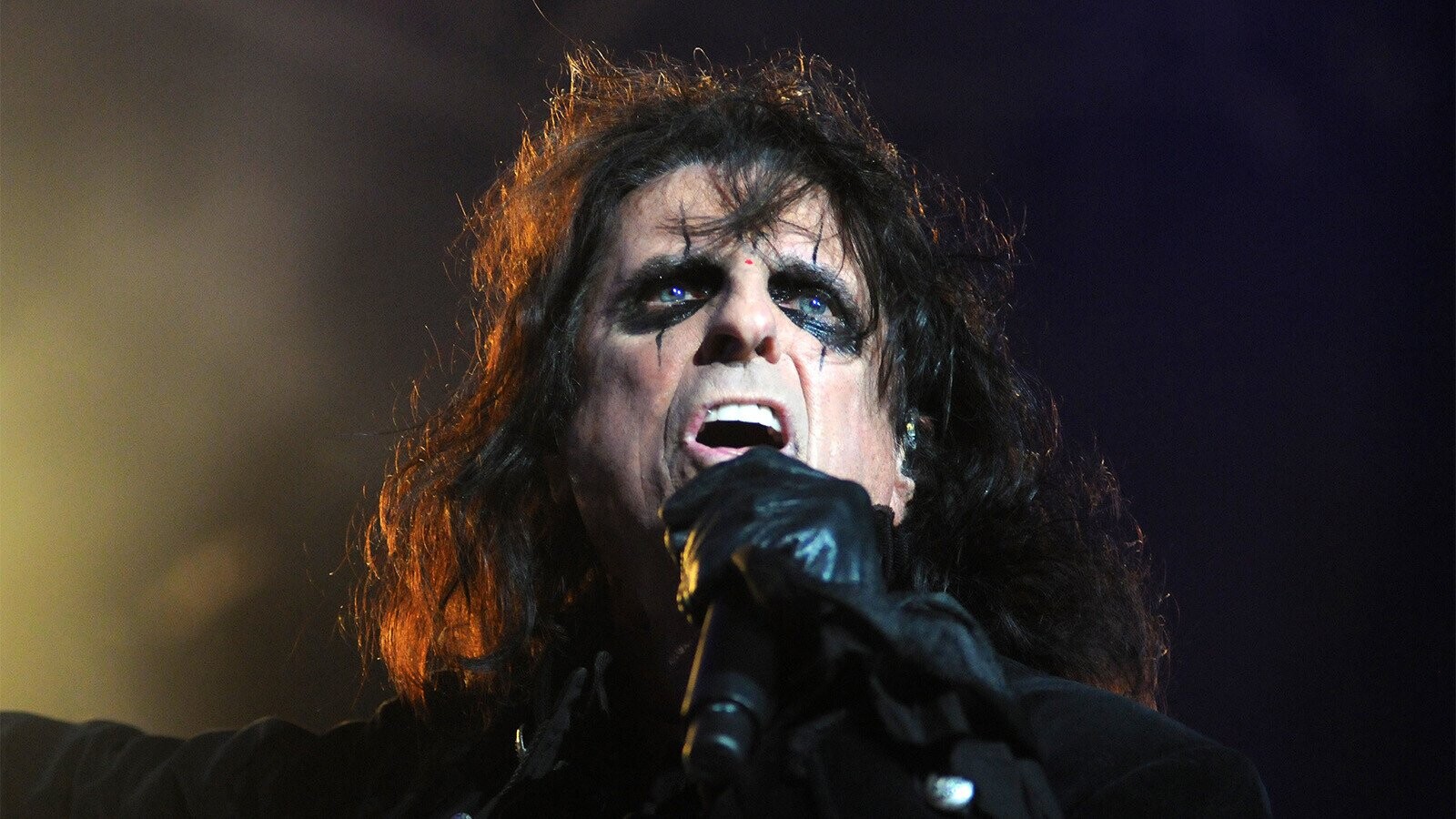
Alice Cooper began as a band, not a person. The original group featured Vincent Furnier on vocals, with Glen Buxton, Michael Bruce, Dennis Dunaway, and Neal Smith creating the noisy, theatrical shock-rock machine behind classics like “I’m Eighteen,” “School’s Out,” and “No More Mr. Nice Guy.” The name “Alice Cooper” was intentionally odd: sweet, old-fashioned, and deeply funny when attached to a band that looked like it had escaped from a haunted garage sale.
Then the band’s internal chemistry began to break down. As disagreements grew, Furnier legally changed his name to Alice Cooper. That move helped him avoid ownership battles over the group name and allowed him to continue as Alice Cooper after the original band’s run ended.
Was It Fraud or Branding Genius?
This one is less “fake band sneaks into town wearing mustaches” and more “legal identity becomes a business strategy.” Fans knew Furnier was the face and voice of Alice Cooper, so the solo transition made commercial sense. But the strange part is that a name invented for a group became the permanent legal name of one member.
The result was a resurrection by identity transfer. Alice Cooper the band faded; Alice Cooper the man continued. The brand survived because it attached itself to the singer’s passport, stage persona, and nightmare-friendly eyeliner. Was it fraudulent? Not in the same way as an impostor tour. But it was a clever name-rights maneuver that left the original band’s collective identity mostly absorbed into one performer’s solo career.
Years later, the original members reunited for special performances and recordings, proving that even shock rock has a family reunion phase. Presumably with fewer electric chairs at Thanksgiving.
3. Bill Haley & His Comets: Too Many Comets in the Sky
What Happened?
Bill Haley & His Comets helped launch rock and roll into the mainstream with “Rock Around the Clock,” one of the most historically important records of the 1950s. Haley was the bandleader, the face, and the name in front. The Comets were the band behind the blastoff.
After Haley died in 1981, the question became: who, exactly, had the right to keep the Comets flying? Over time, multiple groups containing former Haley sidemen, later members, or people connected to the legacy performed under variations of the Comets name. Some acts called themselves the Original Comets. Others used Bill Haley’s Comets or similar branding.
Why It Got Confusing
This was not always a simple scam. Haley’s band had changed lineups over decades, so several musicians could honestly say they had been Comets at some point. The trouble came when the public saw a famous name and assumed a direct connection to the golden-age lineup. The older the music became, the easier it was for marketing to blur the edges.
For fans, the issue was authenticity. Were they seeing musicians who actually helped create the classic sound? Were they seeing later alumni? Were they seeing a tribute act with a legally convenient name? The answer depended on the lineup, the year, and possibly how much coffee you had before reading the poster.
The Comets story shows how early rock bands were especially vulnerable to brand confusion. Many were built around a charismatic frontman, but backing musicians also shaped the sound. Once the leader was gone, the name became both a tribute and a business asset. That is where nostalgia can start wearing a fake mustache.
4. The Temptations: David Ruffin’s Guerrilla Comeback
What Happened?
The Temptations are one of Motown’s crown jewels, but their lineup history is full of drama, turnover, and vocal brilliance sharp enough to cut glass. David Ruffin, the unforgettable lead voice on “My Girl” and “Ain’t Too Proud to Beg,” became a superstar within the group. But by 1968, tensions over ego, missed performances, special treatment, and drug use led the other members to fire him.
Dennis Edwards was brought in as Ruffin’s replacement. That should have been the end of it. It was not.
Ruffin began showing up at Temptations concerts uninvited. When the group launched into songs associated with his lead vocals, he would jump onstage, grab the microphone, and sing. Audiences loved it because, frankly, it was David Ruffin singing David Ruffin songs. The Temptations themselves were less thrilled, since having your fired lead singer materialize mid-show like a soul-music ghost is not ideal workplace stability.
Why It Counts as a Resurrection Trick
Unlike a fake touring act, Ruffin was absolutely a real Temptation. That is what made the situation so complicated. He was not impersonating himself. He was forcing his way back into a role the group had officially taken away from him.
This was a resurrection by ambush. Ruffin used audience emotion as leverage: if the crowd cheered loudly enough, maybe the group would have to reconsider. It almost worked, but his return did not last. The Temptations moved forward with Edwards, who became a major voice in the group’s psychedelic soul era.
The lesson? Sometimes the “fraud” is not about a stranger pretending to be a star. Sometimes it is about a former star pretending the firing never happened.
5. Yes: Cinema Becomes Yes Because the Label Said “Yes”
What Happened?
Progressive rock band Yes broke up in 1981 after years of lineup changes and creative shifts. Soon after, bassist Chris Squire and drummer Alan White began working with guitarist Trevor Rabin in a new project called Cinema. Original Yes keyboardist Tony Kaye joined, and producer Trevor Horn became involved. The music was modern, punchy, and much more radio-friendly than the sprawling prog epics Yes fans knew.
Then Jon Anderson, the classic voice of Yes, joined the sessions. Suddenly, Cinema was not just a new band with Yes alumni. It had the voice, the rhythm section, and enough historical DNA for record executives to smell money from across the conference room.
The project was renamed Yes, and the album became 90125, featuring “Owner of a Lonely Heart,” the band’s biggest pop hit.
Where the Branding Gets Slippery
This was not a fake band in the Fleetwood Mac sense. Several major Yes members were involved, and Anderson’s voice gave the project a strong claim to continuity. But Trevor Rabin had joined what he believed was a new band. The switch from Cinema to Yes turned a fresh project into a legacy reboot.
The “fraud” here is softer and more corporate: a new band became an old brand because the old brand was easier to sell. It worked beautifully. 90125 gave Yes a massive 1980s revival and introduced them to MTV-era audiences. Still, the story raises a classic music-business question: when does a reunion become real, and when is it just a marketing department putting vintage stickers on a new machine?
In this case, the sticker sold millions.
6. The Ink Spots: The Name That Escaped the Cage
What Happened?
The Ink Spots were one of the most influential vocal groups of the 1930s and 1940s. Their smooth harmonies helped shape doo-wop, R&B, pop vocals, and eventually rock and roll. Songs like “If I Didn’t Care” made them hugely popular across racial lines during an era when that was both culturally important and commercially remarkable.
Then came the breakup, the court fights, and the great multiplication of Ink Spots.
After internal disputes, different former members formed competing groups using versions of the Ink Spots name. Courts tried to sort it out, but the situation only became messier. Over time, more and more groups appeared, some with legitimate connections, some with distant connections, and some with no meaningful connection at all. Eventually, the name became so widely used that it was treated as effectively open territory in practice.
Why This Is the Ultimate Band-Name Horror Story
The Ink Spots case is what happens when a famous name becomes detached from a stable legal and creative identity. Once that happens, the marketplace fills the vacuum. If one group can use the name, another tries. If audiences are nostalgic enough, promoters keep booking. If nobody can easily prove who is “real,” confusion becomes the business model.
For fans, it is almost impossible to track authenticity without a flowchart, a law degree, and possibly a séance. The Ink Spots were not merely resurrected once. They were resurrected over and over, sometimes with pieces of truth attached, sometimes with little more than matching suits and a dream.
Why Famous Band Names Attract Fraud
Nostalgia Is Profitable
Old songs carry emotional power. A fan who loved a band in high school may buy a ticket decades later for the chance to feel sixteen again, even if their knees now make popcorn noises. That emotional demand creates a market for legacy acts, reunions, tribute shows, and, unfortunately, impostor versions.
Lineup Changes Create Gray Areas
Bands are not like paintings. There is no single original canvas. Members leave, replacements join, singers go solo, drummers vanish into jazz fusion, and suddenly the question of authenticity gets complicated. If one founding member remains, is it the same band? What about two classic-era members? What about the bassist’s cousin who once loaded amplifiers in 1972?
Contracts Are Often Messy
Many early bands did not have clean trademark agreements. Some were partnerships. Some were controlled by managers. Some barely understood publishing rights, let alone future brand management. When fame arrived, the paperwork often looked like it had been assembled during a power outage.
Audiences Often Buy the Name First
Most casual fans do not memorize every lineup. They see the name, remember the hits, and assume the show is legitimate. That makes the band name the most valuable asset, sometimes more valuable than the musicians themselves. Once that happens, deception becomes tempting.
Experience Section: What These Fraudulent Band Comebacks Teach Fans, Writers, and Music Lovers
Spending time with stories like these changes the way you read a concert poster. At first, the phrase “featuring former members of” sounds harmless. Then you realize it can mean anything from “this is the classic singer and half the original band” to “our tambourine player once stood near the tour bus.” The lesson is not to become cynical about every legacy act. Many touring versions of classic bands are honest, talented, and deeply respectful of the music. The lesson is to understand how powerful a name can be.
For fans, the best experience is an informed one. Before buying tickets to an oldies, classic rock, doo-wop, soul, or prog-rock show, check the lineup. Look for official websites, recent interviews, and clear billing. Phrases like “tribute to,” “review,” “featuring,” and “former members” are not bad, but they mean different things. A tribute band can be fantastic as long as it is marketed honestly. The problem begins when the poster sells memory but delivers mystery meat.
For writers and publishers, these stories are goldbut they also require careful language. It is tempting to call every disputed lineup a scam. That makes a spicy headline, but it can flatten the truth. Fleetwood Mac’s 1974 tour involved a manager, hired musicians, disputed authorization, and angry original members. Alice Cooper’s case involved a legal name change and a solo transition, not an impostor pretending to be Vincent Furnier. The Ink Spots story involved decades of legal confusion, legitimate offshoots, and opportunists all tangled together. Accuracy makes the article stronger, not weaker.
For musicians, the message is painfully practical: protect the name early. Decide who owns it, who can use it, what happens if a member leaves, and what happens if the group dissolves. That may feel unromantic when everyone is young, broke, and sharing one van burrito, but future conflict loves vague paperwork. A band name is not just a logo. It is intellectual property, emotional property, and sometimes the only thing left after the drummer moves to Oregon.
For music lovers, the strangest takeaway is that authenticity is not always simple. A band can change members and remain spiritually real. A singer can continue a name and keep the core performance alive. A former member can lead a legitimate legacy version. But there is a line between evolution and deception. The difference is transparency. If the audience knows what it is buying, nostalgia can be joyful. If the audience is tricked, nostalgia becomes a hustle.
These six cases survive because they are funny, strange, and revealing. They show that the music business is not only about songs. It is about names, contracts, memory, ego, and the strange human desire to believe the band we loved can always come back. Sometimes it can. Sometimes it comes back better than expected. And sometimes it arrives with no original members, a suspicious manager, and a set list that should probably be entered into evidence.
Conclusion: Rock Never Dies, But Sometimes It Needs ID
The stories of Fleetwood Mac, Alice Cooper, Bill Haley & His Comets, The Temptations, Yes, and The Ink Spots prove that a band breakup is not always the end. Sometimes it is the beginning of a naming dispute. Sometimes it is a branding opportunity. Sometimes it is a fake tour bus rolling toward a confused audience.
What makes these cases fascinating is not just the deception or legal confusion. It is the emotional power of the band name. Fans want continuity. Promoters want ticket sales. Musicians want credit, income, and legacy. When those desires collide, the result can be brilliant, ugly, hilarious, or all three before soundcheck.
So the next time a legendary band “returns,” cheer if the music is goodbut read the fine print. Rock and roll may never die, but it has definitely been known to wear a fake badge.