Buying a diamond engagement ring should feel romantic, exciting, and maybe just a little cinematic. Unfortunately, it can also feel like taking a surprise final exam in geology, finance, fashion, and emotional telepathy. One person is thinking, “I want sparkle.” The other is wondering, “What is fluorescence, and should I be scared?” Good news: you do not need to become a gemologist overnight to choose a beautiful, meaningful ring.
The smartest couples approach engagement ring shopping as a shared decision, even when the proposal itself stays a surprise. A diamond engagement ring is not just a shiny object; it is a daily-wear piece of jewelry, a financial purchase, a style statement, and a sentimental symbol all packed into one tiny circle. That is a lot of pressure for something small enough to disappear into a couch cushion.
This guide breaks down practical diamond engagement ring buying tips for couples, including how to set a realistic budget, understand the 4Cs, compare natural and lab-grown diamonds, choose the right setting, avoid common mistakes, and protect your ring after purchase. Whether you are shopping together or one partner is going full secret-agent mode, these tips will help you buy with confidence instead of panic.
Start With the Budget, Not the Fantasy
Before falling in love with a ring that costs the same as a compact car, decide what you are truly comfortable spending. The old “two-month salary” rule is more marketing myth than marriage law. A good engagement ring budget should fit your real life, including rent, savings, wedding plans, debt, travel goals, and the very important category known as “still being able to order tacos.”
Couples should discuss a comfortable price range early. That does not mean romance is dead; it means your future marriage is already practicing teamwork. A beautiful diamond ring can exist at many price points because the final cost depends on diamond quality, carat weight, metal type, setting complexity, brand, customization, and whether the stone is natural or lab-grown.
Smart Budget Questions to Ask
Ask yourselves: Are we prioritizing size, sparkle, rarity, ethical sourcing, brand prestige, or long-term value? Do we want a natural diamond, a lab-grown diamond, or are we open to both? Would we rather spend more on the center stone or on a detailed setting? These questions help you avoid the classic shopping trap: paying for features you do not actually care about.
Learn the 4Cs Without Losing Your Mind
The 4Cs of diamonds are cut, color, clarity, and carat weight. These are the global basics used to describe diamond quality. Think of them as the diamond world’s report card, except this one sparkles and costs more than your old textbooks.
Cut: The Sparkle Boss
Cut is often the most important of the 4Cs because it affects how well a diamond handles light. A well-cut diamond can look bright, lively, and larger than expected, while a poorly cut diamond can look dull even if it has impressive carat weight. Cut is not the same as shape. Shape means round, oval, cushion, emerald, pear, marquise, princess, or another outline. Cut refers to proportions, symmetry, polish, and light performance.
For couples who want maximum sparkle, prioritize cut quality before chasing size. A slightly smaller diamond with excellent cut can outperform a bigger stone that looks sleepy under normal lighting. Nobody wants a diamond that needs three lamps and emotional support to sparkle.
Color: How White Is White Enough?
Diamond color grading typically measures how colorless a diamond appears. Many buyers assume they need a perfectly colorless diamond, but near-colorless grades can look beautifully white to the eye, especially once set in a ring. The best choice depends on the diamond shape, size, setting metal, and personal preference.
White gold and platinum settings can make color more noticeable, while yellow gold or rose gold can visually warm the entire ring and make slightly lower color grades look intentional. If you are choosing a fancy shape like oval, pear, or emerald, compare stones in person or through high-quality videos because some shapes show color differently.
Clarity: Tiny Inclusions, Big Perspective
Clarity describes internal and external characteristics, often called inclusions and blemishes. Many diamonds have tiny natural marks that are not visible without magnification. The goal for most couples is not necessarily “flawless”; it is “eye-clean,” meaning the diamond looks clean to the naked eye.
Paying a premium for a flawless grade may not be necessary if a lower clarity diamond looks perfect when worn. This is where working with a trusted jeweler or using detailed diamond imagery online becomes useful. Spend money where your eyes can enjoy it, not where only a microscope can applaud.
Carat: Size Matters, But Not Alone
Carat measures weight, not face-up size. Two diamonds with the same carat weight can look different depending on shape and cut proportions. Elongated shapes such as oval, pear, emerald, and marquise can appear larger on the finger than some other shapes of the same weight.
Instead of obsessing over a round number like 1.00 carat or 2.00 carats, compare actual measurements. A well-cut 0.90-carat diamond can sometimes look nearly identical to a 1.00-carat diamond but cost noticeably less. Your finger will not know the spreadsheet difference.
Choose the Diamond Shape That Fits the Wearer
Diamond shape is where personality enters the chat. Round brilliant diamonds are classic and known for strong sparkle. Oval diamonds feel elegant and can make the finger look longer. Cushion cuts offer a soft, romantic look. Emerald cuts are sleek, architectural, and wonderfully dramatic, like the diamond version of wearing sunglasses indoors. Pear shapes feel distinctive and graceful. Princess cuts offer crisp modern lines.
The best shape depends on the wearer’s personal style, hand shape, lifestyle, and jewelry preferences. Look at the rings they already wear. Are they minimalist or bold? Vintage or modern? Yellow gold or white metal? Delicate or chunky? The existing jewelry box is basically a treasure map with fewer pirates.
Understand Natural vs. Lab-Grown Diamonds
One of the biggest decisions for modern couples is whether to buy a natural diamond or a lab-grown diamond. Natural diamonds formed underground over vast periods of time, while lab-grown diamonds are created in controlled environments using advanced technology. Both can be real diamonds with the same basic chemical composition, but they differ in origin, pricing, resale expectations, and personal meaning.
Lab-grown diamonds often allow couples to purchase a larger or higher-grade stone for the same budget. Natural diamonds may appeal to buyers who value geological rarity, traditional symbolism, and stronger long-term market perception. Neither choice is automatically “better.” The right choice is the one that fits your values, budget, and expectations.
Ask for Clear Disclosure
Whether buying natural or lab-grown, make sure the seller clearly identifies the diamond’s origin. Reputable jewelers should provide transparent descriptions, grading information, and documentation. Couples should avoid vague phrases that make a diamond sound mysterious in a glamorous way but unclear in a legal way.
Always Check the Diamond Grading Report
For a significant diamond purchase, ask for a grading report from a respected independent gemological laboratory. A grading report documents the diamond’s key characteristics, such as carat weight, color, clarity, cut information, measurements, and sometimes fluorescence or inscriptions.
The report is not the same as an appraisal. A grading report describes quality; an appraisal estimates replacement value, usually for insurance. You may need both. Think of the grading report as the diamond’s résumé and the appraisal as the insurance paperwork that says, “Please do not let this tiny expensive object ruin our week.”
Pick the Right Setting for Beauty and Daily Life
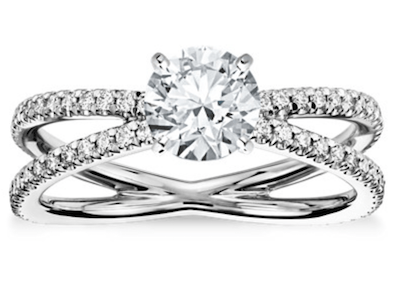
The setting affects the ring’s style, security, comfort, and maintenance. A solitaire setting is timeless and lets the center diamond shine. A halo setting can make the center stone appear larger and add extra sparkle. A pavé band adds glitter but may require more care over time. A bezel setting surrounds the diamond with metal, offering a modern look and added protection. Three-stone rings can symbolize past, present, and future, which is lovely unless your past includes questionable haircuts, in which case we focus on the symbolism.
Match the Setting to Lifestyle
Someone who works with their hands, exercises often, wears gloves, or prefers low-maintenance jewelry may appreciate a lower-profile setting, bezel setting, or sturdy prongs. Someone who loves glamour may prefer pavé, hidden halos, cathedral settings, or detailed vintage-inspired designs. Beauty matters, but so does whether the ring catches on sweaters every eleven minutes.
Select the Metal Carefully
Popular engagement ring metals include platinum, white gold, yellow gold, and rose gold. Platinum is durable, naturally white, and often more expensive. White gold offers a similar look at a lower price but may require rhodium replating over time. Yellow gold brings warmth and classic appeal. Rose gold feels romantic and distinctive.
Skin tone, personal style, maintenance expectations, and budget all matter. Couples should also consider the wedding band. Some engagement ring settings are easier to pair with bands than others, so ask how the ring will stack before committing.
Do Not Guess the Ring Size Like a Game Show Contestant
Ring size matters. Too loose, and the ring may slip off. Too tight, and the proposal becomes a finger circulation drama. If the proposal is not a surprise, get professionally sized. If it is a surprise, borrow a ring that fits the correct finger, ask a trusted friend, or choose a jeweler with a reasonable resizing policy.
Remember that finger size can fluctuate with temperature, travel, exercise, and salty food. Yes, even your ring finger may have opinions after a large basket of fries.
Shop With a Trusted Jeweler
Whether shopping online or in person, choose a seller with transparent policies, clear grading information, good reviews, secure payment options, insured shipping, return windows, warranties, and responsive customer service. A trustworthy jeweler should educate you, not pressure you into buying before you understand what is happening.
Couples should compare several diamonds, ask questions, and request videos or in-person viewing when possible. For online purchases, high-resolution images and 360-degree videos are especially helpful. For in-store purchases, view the diamond under different lighting conditions, not just under jewelry-store lights that could make a potato sparkle.
Know the Return, Warranty, and Maintenance Policies
Before buying, read the fine print. Can the ring be returned? How long is the return period? Are custom rings returnable? Does the warranty cover manufacturing defects? Are prong checks, cleaning, polishing, or resizing included? What happens if a side stone falls out?
A ring is not a one-day purchase; it is a long-term relationship with metal, stones, and maintenance. Choose a jeweler who will still be helpful after the credit card receipt cools down.
Insure the Ring Soon After Purchase
Engagement rings can be lost, stolen, damaged, or accidentally introduced to garbage disposals, beaches, hotel sinks, and other villains. Insurance helps protect the financial value of the ring. Couples can explore standalone jewelry insurance or add scheduled coverage through homeowners or renters insurance.
To insure the ring, you will usually need a receipt, grading report, and appraisal. Review what the policy covers, including loss, theft, damage, mysterious disappearance, travel, repairs, replacement method, deductibles, and coverage limits. The most romantic sentence after “Will you marry me?” might be, “I already insured it.”
Common Diamond Engagement Ring Buying Mistakes
Only Caring About Carat Weight
A large diamond with poor cut can look flat. Balance carat with cut, color, and clarity for a better overall result.
Ignoring the Wearer’s Style
A trendy ring is not automatically the right ring. The best engagement ring should look like it belongs to the person wearing it.
Forgetting About the Wedding Band
Some settings do not sit flush with a straight wedding band. Ask about band pairing before buying.
Skipping Documentation
Documentation protects you. Always request clear grading information, receipts, warranty details, and appraisal paperwork when appropriate.
Buying Under Pressure
If a seller makes you feel rushed, pause. A diamond can last forever, but the “today only” panic discount does not need to control your love story.
Practical Buying Strategy for Couples
Start by choosing a total budget. Then decide your top priority: sparkle, size, rarity, ethical sourcing, specific shape, or custom design. Next, learn enough about the 4Cs to compare diamonds without confusion. Visit stores or browse reputable online jewelers to understand what different shapes and settings look like in real life.
Once you find a style direction, narrow your choices. Compare diamonds with similar specifications and look at actual appearance, not just numbers. A diamond’s certificate matters, but your eyes matter too. Finally, confirm sizing, return policies, warranty coverage, insurance needs, and wedding band compatibility before purchasing.
Experience-Based Tips: What Couples Often Learn While Shopping
Many couples discover that engagement ring shopping is less about finding the “perfect” diamond and more about finding the right balance. At first, it is easy to chase every ideal grade: excellent cut, colorless, flawless, large carat, designer setting, platinum band, and perhaps a small orchestra playing in the background. Then reality enters wearing sensible shoes. Most couples realize that beauty comes from smart trade-offs.
One helpful experience is trying on different shapes before deciding. A diamond that looks incredible in photos may feel different on the hand. Oval diamonds can look graceful and flattering, but some may show a bow-tie effect. Emerald cuts look elegant, but they reveal clarity more easily because of their open, mirror-like facets. Round diamonds sparkle beautifully, but they can cost more per carat than many fancy shapes. Cushion cuts feel soft and romantic, but their appearance varies widely. Seeing these differences in person can prevent expensive surprises.
Couples also learn that lighting changes everything. Jewelry stores often use bright lighting designed to maximize sparkle. That is not dishonest, but it is not the same as your kitchen, office, car, or favorite coffee shop. Ask to see the ring near a window, in softer lighting, or outside if possible. A great diamond should still look lively outside the showroom spotlight.
Another real-world lesson: comfort matters more than expected. A high setting may look dramatic, but it can catch on clothing or feel impractical for someone with an active lifestyle. A delicate pavé band can be gorgeous, but it may require more maintenance. A wider band may feel secure but fit more snugly. Trying on similar settings helps the wearer understand what feels natural for daily use.
Budget conversations can also become surprisingly healthy. Couples who discuss ring expectations early often avoid disappointment later. One partner may care deeply about the center stone; the other may care more about saving for the wedding, honeymoon, or home. There is no universal right answer. A ring should celebrate commitment, not create financial resentment before the invitations are even printed.
Many shoppers also underestimate how emotional the process can be. A ring may remind someone of family traditions, personal milestones, cultural expectations, or childhood dreams. That is why listening matters. If one partner loves vintage designs, do not assume a modern solitaire is “safer.” If someone wants a lab-grown diamond for budget or ethical reasons, do not treat it as a compromise. If someone wants a natural diamond because rarity feels meaningful, that matters too.
Finally, couples often learn that the best buying experience comes from patience. Compare options, sleep on big decisions, and avoid panic-buying because a salesperson says another buyer is “very interested.” Maybe they are. Maybe that other buyer is imaginary and has excellent timing. Either way, your engagement ring should feel chosen, not chased.
The ring that wins is usually the one that makes both people smile: one because it looks beautiful, the other because it was chosen thoughtfully. That is the real sparkle. The diamond helps, of course. Diamonds are very good at sparkle. It is kind of their whole thing.
Conclusion
Buying a diamond engagement ring as a couple is part research project, part style adventure, and part emotional milestone. The best approach is to set a realistic budget, understand the 4Cs, prioritize cut quality, compare natural and lab-grown options honestly, choose a setting that fits daily life, and protect the purchase with proper documentation and insurance.
The perfect ring is not always the biggest, rarest, or most expensive. It is the ring that fits your partner’s style, your shared values, and your financial comfort zone. When chosen thoughtfully, a diamond engagement ring becomes more than jewelry. It becomes a tiny, sparkling reminder that two people made a big decision togetherand hopefully did not fight too much about prong settings.
Note: This article is written in original American English and synthesized from reputable diamond education, consumer protection, jewelry industry, insurance, and wedding-planning guidance.