Let’s be honest: the stock market sounds intimidating at first. It has charts that look like mountain ranges, experts using words like “basis points,” and news headlines that can make a normal Tuesday feel like the financial apocalypse. But underneath all that noise, the stock market is one of the most practical tools ordinary people can use to build long-term wealth.
So, why should you invest in the stock market? Because money sitting still tends to lose power over time, while money invested wisely has the chance to grow. The stock market gives everyday investors a way to own small pieces of real businesses, participate in economic growth, earn dividends, and build wealth for goals like retirement, education, a home, or plain old financial independence.
This does not mean investing is magic. The market can drop. Individual stocks can disappoint. Your portfolio may occasionally look like it slipped on a banana peel. But when approached with patience, diversification, and a long-term plan, stock market investing can become less like gambling and more like planting a financial orchard. You may not get fruit tomorrow, but years from now, you might be very glad you watered it.
What Does It Mean to Invest in the Stock Market?
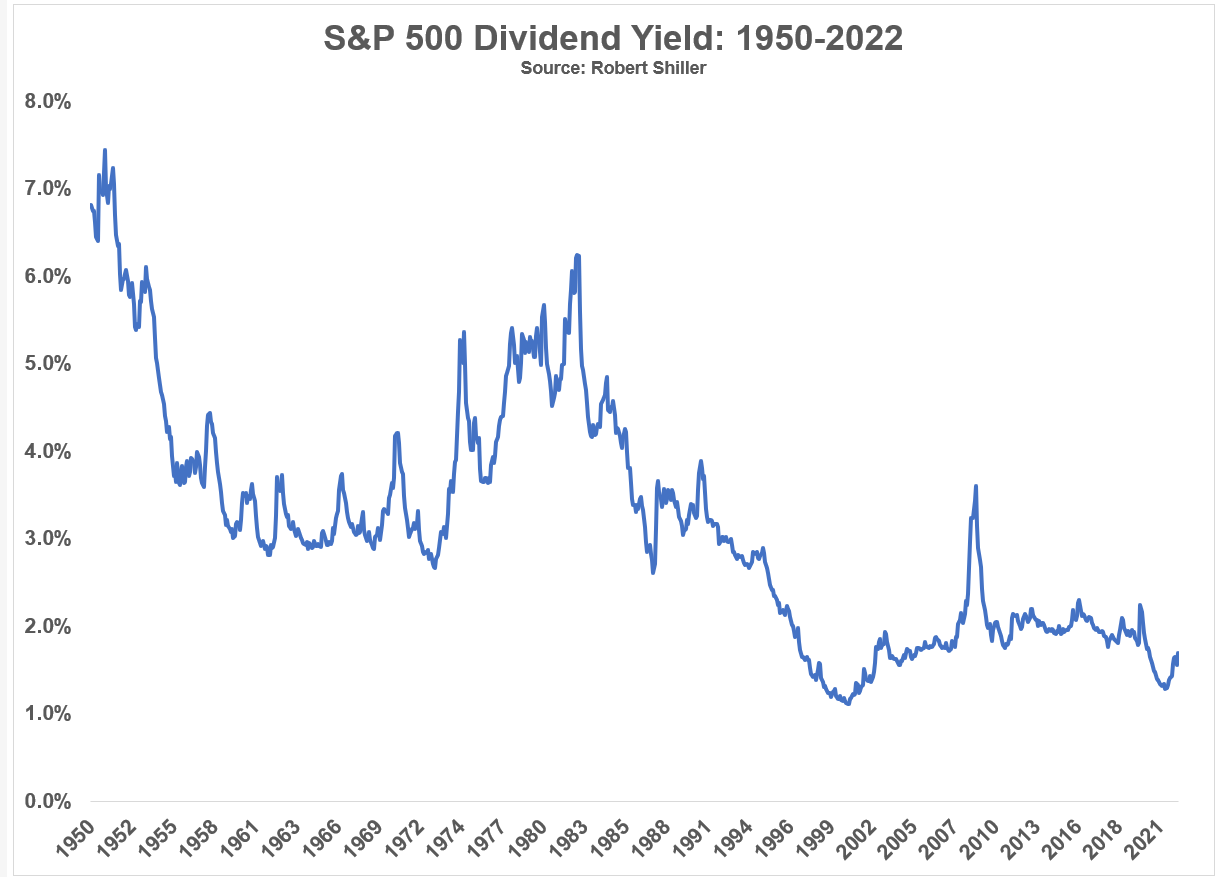
When you invest in stocks, you buy ownership shares in companies. If you own stock in a company, you own a tiny slice of that business. If the company grows, earns profits, expands, or becomes more valuable, your shares may rise in price. Some companies also pay dividends, which are cash payments made to shareholders.
You do not have to pick individual companies like a Wall Street detective with six monitors and a suspicious amount of coffee. Many investors use mutual funds and exchange-traded funds, also called ETFs, which can hold baskets of stocks. An index fund, for example, may track a large group of companies instead of betting everything on one business. That is helpful because one company can stumble, but a diversified fund spreads the risk across many companies.
Stock Market Investing Helps Your Money Fight Inflation
Inflation is the quiet thief of purchasing power. It does not kick down your door wearing a ski mask. It simply makes groceries, rent, gas, utilities, and everyday items more expensive over time. If your money earns little or nothing, you may technically have the same number of dollars, but those dollars buy less.
That is one reason people invest. Historically, stocks have offered the potential for returns that can outpace inflation over long periods. Cash is useful for emergencies and short-term needs, but keeping all your long-term money in cash may leave you watching prices climb while your savings jog in place wearing flip-flops.
Example: The Cost of Doing Nothing
Imagine you save $10,000 and keep it in an account earning very little. Ten years later, the number may still look safe, but if prices have risen significantly, that $10,000 will not buy what it used to. Now imagine part of that money was invested in a diversified stock portfolio. The investment could go up or down in the short term, but over long periods it has the potential to grow and preserve more purchasing power.
That word “potential” matters. Stocks are not guaranteed. But refusing to invest because of risk can create a different risk: falling behind.
The Power of Compound Growth
Compound growth is the financial version of a snowball rolling downhill. At first, it looks small. Almost boring. Then it gathers more snow, gets bigger, and eventually becomes something you would not want to stand in front of.
In investing, compounding happens when your returns begin earning returns of their own. If you invest money and it grows, then future growth can happen on both your original investment and the gains you have already earned. Reinvested dividends can add even more fuel to the process.
Small Amounts Can Become Meaningful Over Time
Suppose an investor puts away $250 per month for 30 years and earns an average annual return of 7%. The investor contributes $90,000 in total, but the ending value could be much higher because of compounding. The exact number will depend on market performance, fees, taxes, and timing, but the lesson is simple: time can do a lot of heavy lifting.
This is why starting earlier can be so powerful. Money invested at 25 has decades to compound. Money invested at 45 can still grow, but it has less runway. The best time to start may have been years ago, but the second-best time is usually when you have a sensible plan and money you do not need for immediate expenses.
Stocks Let You Own Part of Real Businesses
One of the best reasons to invest in the stock market is that stocks connect your money to productive businesses. Companies use capital, labor, technology, and ideas to create products and services. They sell phones, build software, ship packages, discover medicines, make snacks, process payments, operate stores, and perform thousands of other economic miracles we mostly notice only when Wi-Fi goes down.
When you invest in the stock market, you are not just staring at numbers on an app. You are participating in business ownership. If companies become more profitable over time, shareholders may benefit through rising stock prices, dividends, or both.
Of course, not every business succeeds. Some companies lose market share, take on too much debt, or get disrupted by competitors. That is why diversification matters. You do not want your entire financial future depending on one company’s ability to sell electric scooters, cloud software, or pumpkin-flavored cereal.
Diversification Can Reduce Risk
Diversification means spreading your money across different investments instead of putting everything into one stock, one sector, or one idea. It is the investing equivalent of not bringing only one pair of socks on a two-week trip. Technically possible? Yes. Wise? Absolutely not.
A diversified portfolio might include U.S. stocks, international stocks, bonds, cash reserves, and other assets depending on your goals and risk tolerance. Within stocks, diversification can include companies of different sizes, sectors, and regions. Broad-market funds make this easier because they can hold hundreds or even thousands of securities.
Diversification Does Not Eliminate Risk
Diversification cannot guarantee profits or prevent losses. When the entire market falls, diversified portfolios can fall too. However, diversification can help reduce the damage caused by any single company or industry performing poorly. If one stock drops, other holdings may help balance the portfolio.
The goal is not to build a portfolio that never moves. That portfolio does not exist, unless it is imaginary, in which case congratulations on your excellent fictional returns. The goal is to build a portfolio that can survive bad markets and still work toward long-term growth.
The Stock Market Can Help Build Retirement Wealth
For many people, the biggest reason to invest in the stock market is retirement. Social Security may provide income, but it is usually not designed to cover every dream, bill, medical expense, vacation, hobby, and sudden urge to buy an oddly expensive espresso machine.
Retirement accounts such as 401(k)s and IRAs often allow investors to hold stocks, mutual funds, and ETFs in tax-advantaged ways. Traditional accounts may offer tax-deferred growth, while Roth accounts may offer tax-free qualified withdrawals. Employer-sponsored plans may also include matching contributions, which is about as close as personal finance gets to someone saying, “Here, take this extra money.”
Investing for retirement works best when it is consistent. Automatic contributions can help because they remove some emotion from the process. Instead of asking yourself every month whether the market feels “safe,” you keep investing according to your plan. This is not glamorous, but neither is brushing your teeth, and both habits tend to produce better outcomes than ignoring them.
Investing Can Beat the Temptation to Time the Market
Many beginners want to know the perfect time to invest. The honest answer is that nobody rings a bell at the bottom of the market. If they did, the bell would probably have a subscription fee and a very annoying podcast.
Market timing means trying to jump in before prices rise and jump out before they fall. It sounds great in theory. In practice, it is extremely difficult. Some of the market’s best days occur close to its worst days, which means investors who sell during panic may miss the rebound. Missing a handful of strong days can seriously hurt long-term returns.
A more realistic strategy for many investors is dollar-cost averaging, which means investing a fixed amount at regular intervals. Sometimes you buy when prices are high. Sometimes you buy when prices are low. Over time, this can reduce the pressure of making one perfect decision.
Stocks Offer Liquidity and Accessibility
Compared with many investments, stocks are relatively accessible. You do not need to buy an entire building, manage tenants, fix plumbing, or politely pretend you understand roofing estimates. With a brokerage account or retirement account, investors can buy shares, mutual funds, or ETFs with relatively small amounts of money.
Stocks are also liquid, meaning they can usually be bought or sold during market hours. This makes them more flexible than assets such as real estate or private business ownership. However, liquidity can be a double-edged sword. Because selling is easy, nervous investors may be tempted to sell at the worst possible time. The button is simple. The consequences may not be.
Long-Term Investing Can Be Tax-Efficient
Taxes matter because what you keep is more important than what you earn on paper. In the United States, long-term capital gains are generally taxed differently from short-term gains. Retirement accounts may offer additional tax advantages, depending on the type of account and the investor’s situation.
This is another reason long-term investing can be powerful. Frequent trading may create taxable events, transaction costs, and stress. A patient investor who uses tax-advantaged accounts, keeps fees low, and avoids unnecessary trading may keep more of the portfolio’s growth.
That does not mean taxes should be the only factor. Bad investments do not become good investments just because they sit in a tax-friendly account. But tax awareness can improve results over time, especially for retirement planning.
Investing Teaches Better Money Habits
One underrated benefit of stock market investing is that it can make you more aware of your financial life. Investors often begin paying attention to income, expenses, emergency savings, debt, taxes, and long-term goals. In other words, investing can turn you from “money happens to me” into “I have a plan.”
Building an investment habit encourages delayed gratification. Instead of spending every spare dollar today, you set aside money for future freedom. This does not mean you must live like a cave-dwelling budget monk. It means you choose priorities. You can still enjoy life while giving your future self a fighting chance.
Common Reasons People Avoid Investing
“I Do Not Have Enough Money”
Many people believe investing is only for the wealthy. That may have been more true decades ago, but today investors can often start with small amounts through retirement plans, fractional shares, or low-cost funds. The habit matters more than the starting amount.
“The Market Is Too Risky”
The market is risky, but risk can be managed. A diversified portfolio, long time horizon, emergency fund, and realistic expectations can help investors avoid panic. The bigger risk for many people is not investing at all and reaching retirement with too little saved.
“I Do Not Understand It”
You do not need to become a professional analyst to invest wisely. Basic principles go a long way: diversify, keep costs low, invest consistently, avoid emotional decisions, and match your portfolio to your goals. You can learn the essentials without memorizing every financial acronym known to humankind.
How to Invest in the Stock Market Wisely
Before investing, build a basic financial foundation. Pay attention to high-interest debt, create an emergency fund, and understand when you will need the money. Money needed for rent, tuition, medical bills, or next month’s groceries should not be thrown into stocks and told, “Good luck, little buddy.”
Next, define your goals. Are you investing for retirement in 30 years, a home down payment in 5 years, or general wealth building? The timeline matters. Longer timelines can usually handle more stock exposure. Shorter timelines may require more conservative choices.
Then choose an investment approach. Many investors prefer broad-market index funds or ETFs because they are diversified and often low cost. Others use actively managed funds or individual stocks. Whatever the method, the key is to understand what you own, why you own it, and how it fits your plan.
Beginner-Friendly Principles
First, invest regularly. Second, diversify. Third, keep fees low. Fourth, avoid chasing hype. Fifth, review your portfolio occasionally, but do not babysit it like a nervous parent watching a toddler near a birthday cake.
Investing should be active enough to be intentional but passive enough to let time work. Constant tinkering can create unnecessary mistakes. Sometimes the most profitable action is doing nothing while your plan quietly does its job.
What About Market Crashes?
Market crashes are part of investing. They are uncomfortable, dramatic, and usually accompanied by headlines that sound like someone spilled coffee on the global economy. But downturns are not rare exceptions. They are part of the system.
Long-term investors should expect bear markets, corrections, recessions, and scary news cycles. The question is not whether the market will fall. It will. The better question is whether your plan can survive those declines.
A strong plan includes diversification, enough cash for emergencies, an appropriate mix of stocks and bonds, and the discipline to avoid panic selling. Market drops can even become opportunities for long-term investors who continue buying at lower prices. That does not make downturns fun. Broccoli is healthy too, and nobody throws a parade for steamed broccoli.
Experiences and Real-Life Lessons About Investing in the Stock Market
Many people first approach the stock market with a mix of excitement and fear. The excitement comes from imagining future wealth. The fear comes from seeing prices move up and down faster than a squirrel crossing traffic. A common early experience is checking an investment account too often. At first, every small drop feels personal, as if the market looked directly at your portfolio and said, “Not today.”
One practical lesson investors often learn is that emotions are expensive. Buying because everyone is excited and selling because everyone is afraid can turn a long-term plan into a financial roller coaster. The market rewards patience more often than panic. That is why many experienced investors use automatic contributions. Automation helps them invest even when the news is loud, confusing, or full of people confidently predicting five different futures before lunch.
Another experience is discovering that simple strategies can outperform complicated behavior. A beginner may think successful investing requires secret formulas, premium newsletters, or the ability to understand every chart pattern. Over time, many learn that a diversified, low-cost portfolio held for years can be more effective than constantly jumping between hot ideas. The boring approach may not impress people at parties, but neither does explaining that you bought a meme stock at the top because an online stranger used rocket emojis.
Investors also learn the importance of matching investments to goals. Money needed soon should not be invested the same way as retirement money. Someone saving for a car next year may need stability, while someone investing for retirement decades away may be able to handle more volatility. This lesson becomes clearer during market downturns. If all your money is invested aggressively and you suddenly need cash, you may be forced to sell at a bad time. Planning ahead prevents the market from choosing your timing for you.
Another real-life lesson is that investing changes how people think about spending. Once you understand compounding, every unnecessary purchase begins whispering, “I could have been invested.” That does not mean you should never buy coffee, shoes, games, travel, or fun things. Life is not a spreadsheet wearing a gray suit. But investing teaches trade-offs. You begin asking whether a purchase brings real value or just a quick dopamine snack.
Many investors also experience the confidence that comes from ownership. Instead of feeling like the economy is something happening far away, they realize they can participate in it. Through diversified funds, they may own tiny pieces of major companies across technology, healthcare, consumer goods, finance, energy, and other industries. This can make financial news feel less mysterious and more connected to everyday life.
The biggest experience, however, is learning that wealth building is usually slow. There may be exciting years, disappointing years, and years when nothing seems to happen. But consistency can be powerful. A person who invests regularly, avoids major mistakes, keeps learning, and stays patient may look back after 10, 20, or 30 years and realize that small decisions became a meaningful financial foundation.
Conclusion: Why Should You Invest in the Stock Market?
You should consider investing in the stock market because it offers one of the most accessible ways to build long-term wealth, fight inflation, benefit from compound growth, and participate in the success of real businesses. Stocks are not risk-free, and they are not suitable for money you need immediately. But for long-term goals, a thoughtful investment plan can help your money grow far beyond what cash alone is likely to achieve.
The best approach is not chasing hot tips, timing the market, or pretending you can predict every economic twist. The better approach is to start with education, build a financial foundation, diversify, invest consistently, manage risk, keep costs low, and stay patient. In other words, let your money work while you resist the urge to emotionally body-slam your portfolio every time the market sneezes.
Note: This article is for educational purposes only and is not personalized financial, tax, or investment advice. Investors should consider their own goals, risk tolerance, age, income, and time horizon before making investment decisions.