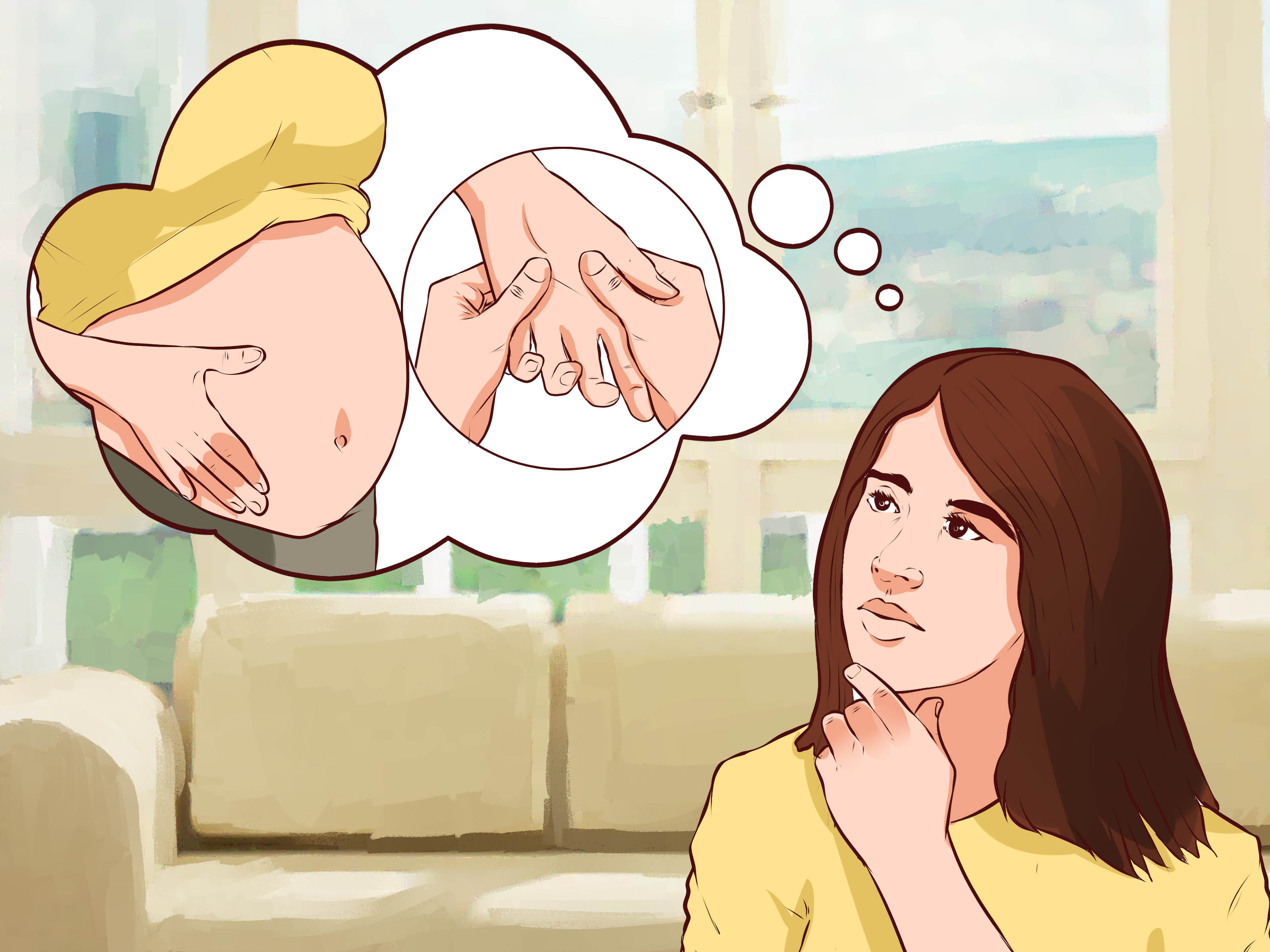
By the final weeks of pregnancy, tying your shoes can feel like an advanced yoga pose, sleep becomes mostly theoretical, and every text message begins with, “Any baby yet?” It is understandable that many expectant parents become curious about acupressure to induce labor.
Acupressure is a needle-free practice in which firm, controlled pressure is applied to specific areas of the body. Traditional practitioners associate certain pregnancy pressure points with uterine activity, cervical readiness, relaxation, and pain relief. Modern research, however, has not shown that acupressure reliably starts labor. Some studies suggest it may help with labor discomfort or possibly shorten parts of labor, but the evidence remains limited and inconsistent.
Can Acupressure Really Induce Labor?
The honest answer is: maybe for some people, but it is not a dependable labor-start button. If babies came with an “eject” pressure point, maternity wards would be much quieter places.
Traditional Chinese medicine describes acupoints as places along pathways through which energy, or qi, flows. From a biomedical perspective, researchers have explored whether pressure might affect nerves, muscle tension, pain perception, relaxation, or hormone activity. These possible mechanisms have not been conclusively established for labor induction.
A major evidence review found that acupuncture might improve cervical readiness in some circumstances, but acupressure did not clearly increase spontaneous labor or reduce cesarean delivery. Separate research suggests acupressure may be more useful for managing labor pain than for starting labor itself.
That distinction matters. Think of labor acupressure as a possible supportive technique when your body is already approaching labornot as a way to force a pregnancy to finish before it is ready.
How to Use Acupressure to Induce Labor in 11 Steps
Step 1: Get Specific Approval From Your Maternity Care Provider
Ask your provider directly, “Is it medically appropriate for me to try acupressure intended to encourage labor?” A general comment that everything looks fine is not quite the same as permission to experiment with natural labor induction.
Your provider may advise against home induction attempts if you have vaginal bleeding, placenta previa, abnormal fetal positioning, preeclampsia, concerns about fetal growth, low amniotic fluid, multiple babies, a history of uterine surgery, or another complication. A previous cesarean does not automatically exclude every complementary practice, but it makes individualized guidance especially important.
Step 2: Confirm That the Timing Is Appropriate
Never use labor-stimulating pressure points during early or mid-pregnancy. In an uncomplicated pregnancy, wait until at least 39 weeks unless your provider gives different instructions based on your medical situation.
If you have reached 41 weeks, do not use acupressure to postpone a recommended clinical assessment or induction. Late-term pregnancy may require fetal testing and a formal delivery plan. Your baby’s calendar has veto power over your home spa schedule.
Step 3: Check for Symptoms That Require a Phone Call Instead
Before beginning, pause and assess how you and the baby are doing. Skip acupressure and contact your maternity unit or provider if:
- Your water may have broken.
- The baby is moving less than usual.
- You have vaginal bleeding beyond light spotting.
- You have severe or persistent abdominal pain.
- You have a severe headache, visual changes, sudden swelling, chest pain, or shortness of breath.
- You are already having regular, painful contractions.
- Your provider previously told you to report specific symptoms immediately.
Home acupressure is for a stable, full-term pregnancy that has been medically clearednot for investigating warning signs.
Step 4: Prepare a Calm, Low-Pressure Session
Choose a comfortable chair, bed, or supported side-lying position. Empty your bladder, drink some water, and keep your phone nearby. Ask a partner to help with points on your shoulders or lower back.
Use the pad of your thumb, knuckle, or two fingertips. Apply pressure that feels firm and noticeable but not sharp, burning, or bruising. A practical target is about five out of ten in intensity. Hold or massage a point for 30 to 60 seconds, release for approximately 30 seconds, and repeat up to three times.
More force is not more effective. Acupressure should not resemble an attempt to press a stuck elevator button through the wall.
Step 5: Apply Pressure to Large Intestine 4, or LI4
LI4, sometimes called the Union Valley or Hegu point, is one of the most commonly discussed pressure points for labor.
To locate it, bring your thumb and index finger together. A mound of muscle will rise in the webbing between them. Relax your hand and place the opposite thumb near the highest part of that mound, slightly toward the index-finger bone.
- Pinch the fleshy area between your opposite thumb and index finger.
- Apply steady pressure or make small circular movements.
- Continue for 30 to 60 seconds.
- Release, rest, and repeat on the other hand.
LI4 is traditionally associated with contractions and pain relief. Research has not confirmed that pressing it will start labor, so use it gently and only after medical clearance.
Step 6: Find Spleen 6, or SP6
SP6, also called Sanyinjiao, is located on the inner lower leg. It is frequently included in labor-acupressure instructions and studies examining labor pain.
Place four finger widths above the highest point of your inner ankle bone. The point is just behind the inner edge of the shinbone, in a slightly tender muscular area.
- Sit with your leg supported.
- Use your thumb to press inward and slightly toward the shinbone.
- Hold for 30 seconds or massage slowly for up to one minute.
- Rest before repeating on the opposite leg.
Do not press directly on bone, swollen tissue, a painful vein, broken skin, or an area affected by numbness. Stop if you experience strong discomfort.
Step 7: Use Bladder 32, or BL32, With a Partner
BL32 is located over the sacrum in the lower back, near the second pair of small openings in the sacral bone. Because the anatomy is difficult to identify on yourself, this point is best located by a trained practitioner or carefully instructed partner.
The general region lies above the buttocks, a little to either side of the spine. Some people notice shallow dimples in this area, although body shape varies considerably.
- Lean forward over pillows or rest on your side.
- Have your partner place their thumbs on matching points on both sides of the sacrum.
- Apply firm, inward pressure without pushing directly on the spine.
- Hold for 30 to 60 seconds, then release gradually.
BL32 pressure may feel particularly soothing during back labor. Do not use deep force on an injured, painful, or recently treated lower back.
Step 8: Try Bladder 60, or BL60
BL60, traditionally called Kunlun, is found in the hollow between the outer ankle bone and the Achilles tendon.
- Support your foot in a neutral position.
- Locate the soft depression behind the outer ankle bone.
- Press gently into the hollow rather than squeezing the tendon.
- Massage for 30 seconds, rest, and repeat on the other ankle.
This point is commonly mentioned for labor discomfort, although research has not shown that it consistently induces labor. Avoid the area if you have an Achilles injury, severe swelling, skin infection, or unexplained calf pain.
Step 9: Ask a Partner to Apply Gentle Pressure to Gallbladder 21
Gallbladder 21, or GB21, sits in the upper trapezius muscle, roughly halfway between the base of the neck and the outer tip of the shoulder.
- Sit upright with your shoulders relaxed.
- Have your partner locate the highest part of the shoulder muscle.
- Press downward with a thumb or gently squeeze the muscle between the thumb and fingers.
- Hold for 20 to 30 seconds before releasing.
Avoid pressing the front or side of the neck. Skip this point if you have a neck injury, nerve symptoms, shoulder surgery, or pain that radiates into the arm. The goal is controlled pressure, not an enthusiastic wrestling move.
Step 10: Create a Short Rotation Rather Than Pressing Continuously
Choose two or three comfortable points rather than working every point in one marathon session. A simple rotation might look like this:
- LI4 on each hand.
- SP6 on each leg.
- A few minutes of rest and slow breathing.
- BL32 or GB21 with help from a partner.
Keep the full session to approximately 15 to 20 minutes unless a qualified practitioner or your maternity provider recommends another approach. Then stop, hydrate, walk around if comfortable, and observe how you feel.
Do not combine acupressure with castor oil, herbal preparations, nipple stimulation, or other home induction methods without explicit professional guidance. Combining several poorly predictable methods does not transform them into one well-controlled method.
Step 11: Monitor Contractions, Movement, and Your Overall Condition
Write down when contractions start, how long they last, and the interval from the beginning of one contraction to the beginning of the next. Continue paying attention to your baby’s usual movement pattern.
Stop acupressure when contractions become regular, painful, unusually long, or close together. Follow the labor-calling instructions provided by your maternity team. Many practices ask first-time parents to call when contractions occur about every five minutes, last roughly one minute, and continue for an hour, but your instructions may be different.
Call immediately for leaking fluid, significant bleeding, decreased fetal movement, severe constant pain, fever, faintness, breathing difficulty, or any feeling that something is wrong. You do not need to win a debate with yourself before contacting labor and delivery.
What Should Acupressure Feel Like?
A correctly applied point may feel tender, heavy, warm, tingly, or mildly achy. It should remain tolerable. Sharp pain, numbness, worsening swelling, skin discoloration, or pain that continues after pressure is released means you should stop.
Some people feel more relaxed after a session. Others notice temporary Braxton Hicks contractions. A few may begin having contractions afterward, but timing alone cannot prove that acupressure caused labor. At full term, labor can begin while you are walking, eating dinner, folding microscopic baby socks, or doing absolutely nothing.
Common Mistakes to Avoid
Trying Acupressure Too Early
Do not experiment with labor pressure points before your provider approves the timing. “Full term” does not mean every day after 37 weeks is equally appropriate for elective delivery.
Pressing Hard Enough to Leave Bruises
Bruising is not evidence that you found the magic point. Reduce the intensity, shorten each hold, and avoid damaged or sensitive tissue.
Using Acupressure to Avoid Medical Induction
If induction is recommended because of high blood pressure, ruptured membranes, fetal concerns, diabetes, low fluid, or a late-term pregnancy, acupressure should not delay treatment. Discuss whether it can be used for comfort alongside the medical plan.
Ignoring Fetal Movement
Labor experiments should never distract from monitoring the baby’s normal pattern of activity. A noticeable reduction in movement deserves prompt professional assessment.
Expecting Immediate Results
Acupressure may do nothing noticeable. That outcome does not mean you performed it incorrectly, and it is not a reason to increase pressure or repeat sessions continuously.
Experience-Based Scenarios: What Using Labor Acupressure May Be Like
The following are realistic composite scenarios created for education. They are not personal testimonials, guarantees, or substitutes for medical advice.
Experience 1: A Relaxing Session With No Labor
At 39 weeks and four days, an expectant parent receives approval to try gentle acupressure. Their partner applies pressure to LI4 and GB21 while they sit supported on the couch. The hand point feels tender but comfortable, and the shoulder pressure releases tension that has been building for several days.
During the session, the abdomen tightens twice. The sensations are irregular, painless, and disappear after a glass of water and a change of position. No labor begins that evening.
This is a completely normal outcome. Acupressure is not a failed exam with a correct answer hidden somewhere in the ankle. The useful part of the session may simply be relaxation, focused breathing, and a few quiet minutes with a supportive partner. The next day, the person continues with the delivery plan established by their maternity provider rather than repeating acupressure hour after hour.
Experience 2: Acupressure Becomes a Comfort Tool in Early Labor
Another parent begins having mild, irregular contractions at 40 weeks. They call their midwife, who confirms that staying home, resting, eating lightly, and observing the pattern is appropriate for the moment.
Instead of using pressure points to make contractions stronger, the couple shifts the goal to comfort. During each contraction, the partner presses both thumbs into the lower sacral area near BL32. Between contractions, they stop completely so the muscles can relax.
The counterpressure does not eliminate the contractions, but it makes back discomfort feel more manageable. Several hours later, the contractions become longer, stronger, and more consistent. The couple calls the midwife again and follows the instructions for going to the birth center.
In this scenario, acupressure is not credited with creating labor. It serves as one coping option during a process that has already begun.
Experience 3: A Session Ends With a Safety Call
A full-term parent tries a short rotation of LI4 and SP6 after receiving prior approval. Halfway through, they notice that the baby seems quieter than usual. They stop immediately, drink something cold, change position, and focus on movement as previously instructed by their care team.
Movement still does not return to the baby’s typical pattern, so they call labor and delivery. The nurse recommends coming in for evaluation. Fetal monitoring is reassuring, and the parent returns home with updated instructions.
The important lesson is not whether acupressure had anything to do with the changeit probably did not. The lesson is that a complementary practice must never become more important than maternal or fetal warning signs. Stopping and calling was the correct decision, even though the evaluation turned out to be reassuring.
Practical Lessons From These Experiences
Real-world responses vary. One person may feel relaxed, another may use pressure successfully for back-pain coping, and another may dislike every point. Some people go into labor later that day, while others remain pregnant for several more days.
The safest mindset is curious but not determined: try gentle pressure if your provider approves, notice how your body responds, and remain willing to stop. Acupressure should support your birth plan, not compete with it.
Conclusion
Learning how to use acupressure to induce labor can give expectant parents a hands-on way to participate in the waiting process. Commonly discussed points include LI4 in the hand, SP6 above the inner ankle, BL32 over the sacrum, BL60 behind the outer ankle, and GB21 on the shoulder.
Still, current evidence does not show that these points reliably start labor. Their more plausible role may be promoting relaxation, providing counterpressure, and helping some people manage discomfort when labor is already approaching or underway.
Obtain medical approval, wait until the timing is appropriate, use moderate pressure, keep sessions brief, and stop when contractions become established or warning signs appear. Babies are famously unimpressed by schedules, but thoughtful preparation and a clear safety plan can make the waiting less stressful.