Research synthesis: FoodSafety.gov, USDA FSIS, FDA, CDC, Weber, Serious Eats,
Bon Appétit, Allrecipes, Epicurious, EatingWell, Penn State Extension,
The Kitchn, The Spruce Eats, and Food Network.
Summer grilling should feel like a backyard victory lap: sunshine, smoky food, cold drinks, and at least one neighbor mysteriously appearing when the burgers hit the grate. But great grilling is not just about owning tongs and confidently saying, “I’ve got this.” It is about managing heat, timing, safety, flavor, and the occasional dramatic flare-up without turning dinner into a live-action disaster movie.
These summer grilling tips will help you make juicier burgers, better chicken, crisp-tender vegetables, grilled fruit that tastes like dessert with a suntan, and cookout food that is safe enough to serve without sending anyone on an unexpected stomach-adventure. Whether you use charcoal, propane, pellets, or a little portable grill that looks like it belongs in a cartoon picnic basket, the fundamentals remain the same.
Start With a Clean, Hot Grill
Before you add a single steak, chicken thigh, zucchini plank, or suspiciously ambitious whole pineapple, clean the grill grates. Old bits of charred food can make fresh food stick, taste bitter, and look as though it lost a fight with a fireplace.
Preheat your grill with the lid closed. A properly heated grill helps food release more easily, creates stronger grill marks, and gives proteins a flavorful browned crust. For most direct grilling, aim for medium-high to high heat. For thicker cuts, chicken pieces, ribs, and vegetables that need more time, use moderate heat and let the grill work like an outdoor oven.
A Simple Grill-Prep Routine
- Remove old ash from charcoal grills once it is completely cold.
- Check gas grill burners and drip trays for grease buildup.
- Preheat the grill for about 10 to 15 minutes before cooking.
- Scrape grates carefully with a grill brush, scraper, or crumpled foil held with tongs.
- Lightly oil the grates or the food to reduce sticking.
A clean grill is not glamorous, but neither is apologizing because the salmon now resembles a flaky crime scene. Take the extra few minutes.
Use Two-Zone Heat for Better Control
One of the most useful summer grilling tips is also one of the simplest: create a two-zone fire. This means setting up one side of the grill for direct heat and another side for indirect heat.
On a gas grill, turn one set of burners higher and leave another burner off or on low. On a charcoal grill, pile the coals on one side, leaving the other side free of direct flames. The hot side is where you sear food quickly. The cooler side is where you move food when it needs more time without becoming charcoal briquettes with a backstory.
When to Use Direct Heat
Direct heat works best for thin, quick-cooking foods such as burgers, hot dogs, shrimp, fish fillets, sliced vegetables, asparagus, corn, skewers, and thinner steaks. These foods benefit from fast browning and a little smoky drama.
When to Use Indirect Heat
Indirect heat is better for larger or thicker foods, including bone-in chicken, thick pork chops, ribs, whole chicken, roasts, large sausages, and dense vegetables. Sear over direct heat first when needed, then finish over indirect heat with the lid closed.
Think of two-zone grilling as having both a frying pan and an oven outside. Once you understand it, your grill stops being a flame cannon and starts becoming a real cooking tool.
Choose Ingredients That Actually Love the Grill
Not every ingredient needs to meet the flames. Some foods shine over live heat, while others become dry, fragile, or weirdly sad. Summer grilling works best when you choose ingredients with enough structure, fat, moisture, or natural sweetness to benefit from high heat.
Great Proteins for Summer Grilling
- Burgers: Use ground beef with enough fat for flavor and moisture. Handle the meat gently so the patties do not become dense hockey pucks.
- Chicken thighs: Forgiving, flavorful, and less likely to dry out than chicken breasts.
- Steaks: Rib-eye, strip steak, flank steak, skirt steak, and sirloin all work well with a hot sear.
- Pork chops: Thick, bone-in chops are especially grill-friendly.
- Shrimp and fish: Use skewers, a grill basket, or a well-oiled grate to avoid losing dinner through the bars.
- Sausages: Cook more gently than you think. A violently hot grill can split the casing before the center warms through.
Best Vegetables and Fruits for the Grill
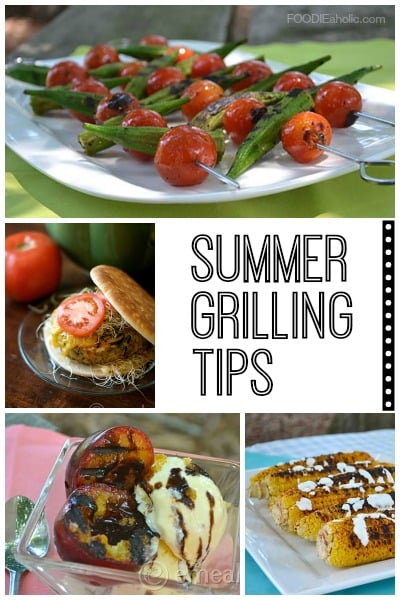
Summer vegetables are practically begging for grill marks. Try bell peppers, corn, zucchini, eggplant, mushrooms, onions, asparagus, sweet potatoes, cauliflower steaks, green onions, tomatoes, and cabbage wedges. For dessert, grill peaches, pineapple, watermelon, bananas, plums, nectarines, and halved figs.
For smaller vegetables, use a grill basket or skewers. For sturdy vegetables, cut thick pieces so they cook through before turning into tiny black coasters. Dense vegetables such as potatoes, carrots, beets, or large cauliflower pieces often benefit from partial cooking before grilling.
Season Early, Sauce Late
Salt, pepper, dry rubs, herbs, spices, citrus zest, garlic, and oil all play nicely with grilling. Sweet barbecue sauce, honey glazes, teriyaki-style sauces, and sugary marinades need a little more caution. Sugar burns quickly, so brush sweet sauces on during the last few minutes of cooking rather than at the beginning.
A practical strategy is to season meat first, grill until almost done, then glaze it near the finish. You get the sticky, shiny, caramelized exterior without transforming the sauce into black varnish.
Easy Flavor Combinations
- Chicken: Lemon, garlic, oregano, olive oil, salt, and black pepper.
- Steak: Salt, pepper, garlic powder, smoked paprika, and a finishing butter with herbs.
- Shrimp: Lime zest, chili powder, cumin, garlic, and a touch of honey.
- Vegetables: Olive oil, salt, pepper, lemon juice, and fresh herbs after grilling.
- Corn: Butter, cotija cheese, chili powder, lime, and cilantro.
- Grilled fruit: Cinnamon, brown sugar, vanilla, and a spoonful of yogurt or ice cream.
Always marinate in the refrigerator, not on the patio table. Also, do not reuse marinade that held raw meat or poultry unless you boil it first. Make extra clean sauce for basting and serving. Your cookout deserves bold flavor, not cross-contamination.
Stop Guessing: Use a Meat Thermometer
The best grilling tool is not a giant fork, a novelty apron, or the person who claims they can judge doneness by “vibes.” It is an instant-read thermometer.
Color and juices are not reliable ways to determine whether food is safely cooked. Use a thermometer in the thickest part of the food, away from bone, fat, and gristle. For thin burgers or chops, insert the thermometer through the side toward the center.
Safe Internal Temperature Guide
- Whole cuts of beef, pork, lamb, and veal: 145°F, followed by a 3-minute rest.
- Ground beef, pork, lamb, and veal: 160°F.
- Chicken, turkey, and other poultry: 165°F.
- Fish: 145°F or until opaque and easy to flake.
- Hot dogs and precooked sausages: Heat thoroughly until steaming hot.
Remove meat from the grill shortly before its final target temperature if you expect carryover cooking, especially with larger cuts. Then let it rest on a clean platter. Resting allows the juices to settle back into the meat instead of escaping onto the cutting board like they are trying to make a break for freedom.
Master Burgers Without Overworking Them
Burgers are simple until someone starts pressing them flat with a spatula every 20 seconds. Avoid that. Pressing patties releases flavorful juices and sends them directly into the fire, where they create flare-ups and heartbreak.
Form patties gently, make them slightly wider than the bun, and press a shallow dimple in the center with your thumb. This helps them cook more evenly and reduces the dreaded burger dome, which is less a culinary achievement and more a tiny meat volcano.
Season the outside just before grilling. Cook over direct heat, flip only when the burger releases from the grate, and use a thermometer rather than cutting one open. Add cheese during the final minute or two, then let the burgers rest briefly before serving.
Prevent Flare-Ups Without Panicking
Flare-ups happen when fat drips onto the heat source and ignites. A little flare is normal. A wall of flame licking your chicken like a dragon audition is not.
How to Control Grill Flare-Ups
- Trim large pockets of excess fat from meat.
- Keep the grill clean, especially grease trays and burner areas.
- Use two-zone heat so food can move away from flames quickly.
- Keep the lid closed briefly to reduce oxygen when a small flare-up occurs.
- Move food rather than spraying it with water whenever possible.
- Use a drip pan under fatty cuts when cooking with indirect heat.
Water can spread grease and ash, especially in a charcoal grill. The better move is to shift food to the cooler zone, close the lid if appropriate, and let the flames settle. This is why tongs are the grown-up choice. A fork makes holes, loses juices, and encourages chaos.
Use the Lid Like a Cooking Tool
The grill lid is not merely a decorative metal hat. It controls heat, airflow, and smoke. For thicker foods, closing the lid creates convection heat that helps the center cook more evenly. For quick items such as thin burgers, shrimp, small vegetables, and very thin steaks, you may use the lid open for easier monitoring.
As a general rule, keep the lid closed more often than you think. Every time you open it, heat escapes. Constant peeking is the grilling version of opening the oven every two minutes to ask a cake how it is feeling.
Build a Smarter Summer Cookout Menu
The easiest cookouts are not the ones with 19 side dishes, four proteins, and a dessert that requires a blowtorch. Build a balanced menu around one main protein, one vegetarian option, two sides, one sauce, and one simple dessert.
Sample Summer Grilling Menu
- Main: Citrus-garlic chicken thighs or grilled burgers.
- Vegetarian main: Grilled portobello mushrooms, tofu skewers, or cauliflower steaks.
- Side: Grilled corn with lime and chili.
- Second side: Tomato salad, potato salad kept cold, or a crunchy cabbage slaw.
- Sauce: Chimichurri, yogurt-herb sauce, barbecue sauce, or salsa verde.
- Dessert: Grilled peaches with vanilla ice cream and crushed cookies.
Cook vegetables and fruit before meat when possible, especially if you have limited grill space. Then cook raw proteins last and use separate platters, tools, and boards for raw and cooked foods.
Keep Summer Cookout Food Safe
Warm weather makes outdoor meals more fun, but it also means food can enter the temperature danger zone faster. Keep cold foods cold and hot foods hot. Perishable food should not sit out for more than two hours, or more than one hour when outdoor temperatures exceed 90°F.
Outdoor Food Safety Checklist
- Keep raw meat, poultry, seafood, and eggs chilled until cooking time.
- Use separate plates and utensils for raw and cooked food.
- Wash hands before handling food and after touching raw protein.
- Keep side dishes containing dairy, mayonnaise, eggs, or meat in a cooler or over ice.
- Use clean serving utensils for every dish.
- Refrigerate leftovers promptly in shallow containers.
- Discard food that has been sitting out too long rather than trying to “save it.”
Food safety may not be the sexiest part of a summer barbecue, but neither is spending the next day negotiating with a bottle of ginger ale. Treat cold storage and clean tools as essential grilling equipment.
Do Not Forget the Vegetarian Guests
A thoughtful grill menu should include more than a lonely veggie burger still wrapped in plastic at the edge of the table. Grilled vegetables, tofu, halloumi-style cheese, mushrooms, plant-based sausages, beans, flatbreads, and fruit can be substantial, colorful, and genuinely exciting.
Give vegetarian foods their own clean grill area or cook them before raw meat. A sturdy vegetable platter with grilled zucchini, peppers, corn, mushrooms, onions, lemons, and a punchy sauce can become the centerpiece of the meal rather than a polite side dish.
For a simple vegetarian grilling idea, brush thick eggplant slices with oil, season them well, grill until tender, and serve with garlicky yogurt, herbs, toasted nuts, and lemon. Nobody will miss the burgers. Well, somebody may, but they will be too busy eating eggplant to complain.
Summer Grilling Experiences: Lessons From the Backyard
Some of the best summer grilling tips are learned through experience, which is a polite way of saying that many of us have sacrificed perfectly good food to the gods of overconfidence. Almost every regular griller has a story about the first cookout they hosted: the grill would not light, the charcoal was not ready, the chicken was somehow burned outside and cold inside, and everyone kept smiling politely while eating chips.
One common lesson is that grilling rewards preparation more than performance. The person who quietly chops vegetables, seasons protein, checks the propane tank, sets out clean platters, and keeps a thermometer nearby usually looks far more skilled than the person wearing a “King of the Grill” apron while frantically searching for matches. The grill does not care about your apron. It cares about heat management.
Another experience many people share is learning that guests are happiest when food arrives in waves. Instead of trying to cook every burger, vegetable skewer, sausage, and corn cob at the exact same moment, start with easy snacks and grilled vegetables. Serve corn, peppers, and warm flatbread first. Let people graze while the main dishes cook. This takes pressure off the grill and gives everyone something to do besides staring at you as though you are hosting a televised cooking competition.
Summer grilling also teaches patience. A steak does not need to be poked every 30 seconds. Chicken does not become safer because it is flipped 12 times. Vegetables do not need to be moved around like they are late for a train. Once food is placed over the right heat, give it time to brown and release naturally. The grill often tells you when food is ready to turn: it stops sticking.
There is also a special kind of wisdom that comes from one serious flare-up. You learn to keep a cooler zone ready. You learn that moving food is better than panicking. You learn not to crowd the grill with fatty cuts all at once. And you learn that your guests will remember the flavor of the meal far longer than they remember a five-second burst of flame, provided nobody loses an eyebrow.
Family cookouts often create their own traditions. Maybe someone always grills corn. Maybe one person is in charge of the secret sauce, even though the secret is suspiciously close to bottled barbecue sauce with extra hot sauce. Maybe the children get to assemble fruit skewers, or everyone argues over whether burgers should have ketchup. These tiny rituals are part of why grilling feels bigger than cooking. It is food, but it is also a reason to gather outside, slow down, and make the backyard feel like the best restaurant in town.
Grilling can also encourage creativity. Once you become comfortable with basic heat control, you start trying grilled pizza, smoky lettuce for Caesar salad, charred lemons for seafood, grilled avocados, peaches with cinnamon, or even pound cake with berries. Some experiments will become instant favorites. Others will become funny stories. Both outcomes are useful.
The biggest experience-based lesson is to keep the cookout relaxed. Nobody needs restaurant-perfect grill marks on every piece of zucchini. A slightly uneven burger is still a burger. A blackened marshmallow is still a marshmallow. A little smoke in your hair is simply evidence that you had a proper summer evening.
Conclusion: Grill Smarter, Relax More
The best summer grilling tips are not complicated: start with a clean, hot grill; create direct and indirect heat zones; use a thermometer; sauce late; keep food cold until it is time to cook; and let cooked meat rest before serving. Add colorful vegetables, simple sauces, and one easy grilled dessert, and you have the makings of a cookout people will happily remember.
Most importantly, do not chase perfection. Grilling is about flavor, warmth, and gathering people around food that smells too good to ignore. Learn the basics, keep safety in mind, and allow yourself a little room for smoke, laughter, and the occasional hot dog that rolls into the grass.
Note: Safe cooking temperatures, refrigeration times, and food-handling practices should always take priority over appearance, guesswork, or old family grilling myths.


