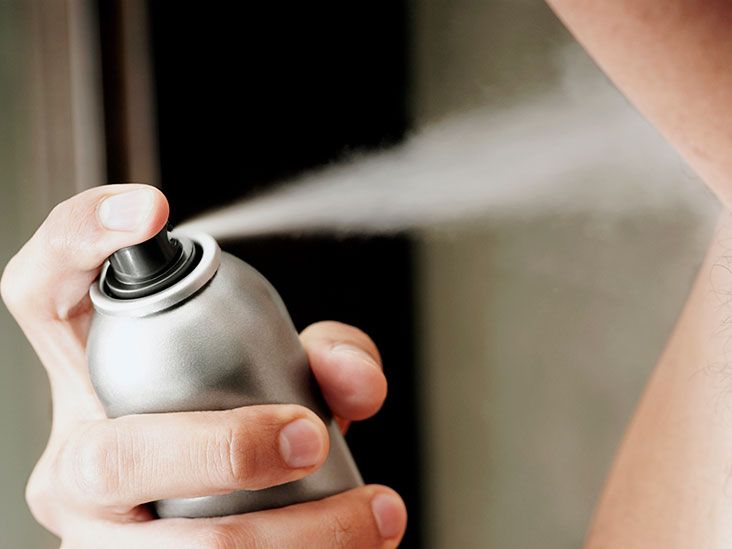
Standing in the personal-care aisle should not feel like taking a chemistry final, yet there you are: comparing deodorant, antiperspirant, clinical-strength antiperspirant, aluminum-free deodorant, mineral sticks, sprays, gels, creams, and something labeled “48-hour protection” as though your armpits are preparing for an expedition.
The basic difference is refreshingly simple. Deodorant controls body odor, while antiperspirant reduces sweating. Many products do both, which explains why the terms are often used interchangeably even though they are not technically the same.
Choosing between them depends on what is bothering you. If your main concern is smell, deodorant may be enough. If damp shirts, sweat marks, or excessive underarm moisture are the problem, an antiperspirant is more likely to help. Neither category is automatically “better,” and neither earns a moral superiority badge for being natural, clinical-strength, scented, or packaged in recycled cardboard.
What Is the Difference Between Deodorant and Antiperspirant?
Deodorant and antiperspirant address two related but separate issues: odor and moisture.
Deodorant targets odor
Deodorant does not significantly stop your sweat glands from producing perspiration. Instead, it helps prevent, neutralize, absorb, or cover the odors that develop when skin bacteria interact with sweat and other secretions.
Depending on the formula, deodorant may contain alcohol, odor-absorbing ingredients, antimicrobial agents, acids, baking soda, plant extracts, fragrances, or essential oils. Some formulas make the underarm environment less friendly to odor-producing bacteria. Others primarily mask unpleasant smells with fragrance.
That means you can apply deodorant, remain noticeably sweaty, and still smell reasonably fresh. The product is doing its assigned job; it simply was not hired to keep your shirt dry.
Antiperspirant reduces sweat
Antiperspirants use active ingredientsusually aluminum-based compoundsto temporarily reduce the amount of sweat reaching the skin. These compounds interact with moisture and form superficial plugs in the upper portion of the sweat ducts. As a result, less perspiration reaches the underarm surface.
Because less moisture is available for bacteria to break down, antiperspirants can also reduce body odor. This is why many antiperspirants are sold as combination antiperspirant-deodorant products.
In the United States, plain deodorant is generally regulated as a cosmetic. An antiperspirant is considered an over-the-counter drug because it changes a bodily function by reducing perspiration. A combination product must meet the applicable requirements for both cosmetics and drugs.
Why Sweat and Body Odor Are Not the Same Thing
Sweat itself is mostly odorless. The familiar smell develops when bacteria and yeasts on the skin break down components of sweat, skin cells, and glandular secretions. This is why someone can sweat heavily without producing a strong odor, while another person may notice body odor despite sweating relatively little.
Your body has different types of sweat glands. Eccrine glands produce watery perspiration that helps cool the body. Apocrine glands, concentrated in areas such as the underarms and groin, release a thicker secretion that can produce a stronger smell after bacteria break it down.
Body odor may also be influenced by genetics, hormones, stress, medications, clothing, hygiene, diet, and certain medical conditions. Garlic may be delicious, but it has never promised to leave quietly.
Deodorant vs Antiperspirant at a Glance
| Feature | Deodorant | Antiperspirant |
|---|---|---|
| Primary purpose | Controls or masks body odor | Reduces perspiration |
| Stops sweating | No | Temporarily reduces it |
| Helps with odor | Yes | Yes, often indirectly or through added deodorizing ingredients |
| Usually contains aluminum salts | No | Yes |
| U.S. regulatory category | Cosmetic | Over-the-counter drug |
| Best suited for | Odor without troublesome wetness | Sweat, wetness, and sweat-related odor |
Benefits of Using Deodorant
It controls odor without suppressing sweat
Some people are comfortable perspiring naturally and only want to reduce odor. An aluminum-free deodorant can meet that goal without interfering with sweat reaching the skin.
This may be appealing during light daily activity, in cooler weather, or for people who do not experience obvious sweat marks. It can also be useful after an evening shower when odor control matters more than moisture reduction.
There are many formula choices
Deodorants are available as sticks, gels, creams, roll-ons, wipes, powders, mineral products, and sprays. Fragrance-free options are available for people who dislike perfume or react to scented products. Some formulas use acids, starches, zinc compounds, magnesium, or other ingredients to discourage odor.
It avoids aluminum-based active ingredients
People who prefer not to use aluminum salts can choose a plain deodorant. This is a personal preference rather than a medical requirement for most healthy users. The trade-off is that aluminum-free deodorant should not be expected to provide meaningful sweat reduction.
Benefits of Using Antiperspirant
It reduces visible underarm wetness
The clearest benefit of antiperspirant is drier underarms. That can mean fewer sweat marks, less dampness, greater comfort in fitted clothing, and less anxiety during meetings, dates, presentations, or other situations in which your shirt seems eager to announce your stress level.
It can reduce sweat-related odor
Less underarm moisture usually means fewer opportunities for odor-producing bacteria to thrive. Combination products may also include fragrances or deodorizing ingredients for additional odor protection.
It can help manage excessive sweating
Antiperspirants are commonly used as a first-line treatment for mild or localized hyperhidrosis. Stronger over-the-counter and prescription formulations may contain higher concentrations of aluminum chloride or related active ingredients.
People with persistent excessive sweating should not simply keep applying thicker layers forever. A dermatologist can determine whether stronger topical products, prescription wipes, oral medication, iontophoresis, botulinum toxin injections, or other treatments are appropriate.
Possible Risks and Side Effects
Skin irritation
The most common problem with deodorant and antiperspirant is irritation. Symptoms may include burning, itching, redness, tenderness, peeling, bumps, or darker-looking underarm skin.
Antiperspirant is more likely to sting when applied to damp skin because aluminum salts can react with moisture. Irritation is also more common immediately after shaving, waxing, vigorous scrubbing, or using another harsh skin-care product. Applying antiperspirant to completely dry, unbroken skin can improve effectiveness while reducing discomfort.
Allergic contact dermatitis
Fragrance is a frequent trigger of allergic contact dermatitis in personal-care products. Other potential triggers include preservatives, propylene glycol, essential oils, dyes, and botanical extracts. Even ingredients marketed as natural can cause an allergic reaction. Poison ivy is natural too, and nobody is putting it on a wellness vision board.
A recurring itchy rash that improves when you stop using a product and returns when you restart it may indicate an allergy. A dermatologist can perform patch testing to help identify the responsible ingredient. Fragrance-free products are generally a better starting point for sensitive skin than products labeled merely “unscented,” which may still contain masking fragrances.
Irritation from baking soda and essential oils
Many natural deodorants use sodium bicarbonate, commonly known as baking soda, to control odor. It works well for some people but may disrupt the skin’s normal environment and cause redness or a painful rash in others.
Essential oils can also irritate or sensitize the skin. A lavender-scented label may look gentle, but your immune system does not judge products by their typography.
Spray-related concerns
Aerosol products should be used according to label directions in a ventilated area. Avoid intentionally inhaling the spray, spraying it toward the face, or applying it near flames. People with asthma or fragrance sensitivity may find sprays more irritating than solid or roll-on products.
Special health situations
People with kidney disease should follow the warning on antiperspirant Drug Facts labels and consult a healthcare professional before use. Anyone receiving radiation therapy near the underarm or breast area should ask the treatment team which products are acceptable, because recommendations may change according to the treatment plan and condition of the skin.
Does Aluminum in Antiperspirant Cause Breast Cancer?
Current evidence does not establish that deodorant or aluminum-containing antiperspirant causes breast cancer. The National Cancer Institute reports that the best available studies have not found evidence linking typical underarm products with changes in breast tissue. The American Cancer Society similarly states that most case-control studies have not found an association between antiperspirant use and breast cancer risk.
Questions persist partly because antiperspirants are applied close to breast tissue and aluminum compounds can have biological effects under certain conditions. However, a plausible theory is not the same as proof that ordinary topical use causes disease.
The recommendation to avoid deodorant before a mammogram is also not evidence of cancer risk. Residue from powders, deodorants, lotions, or aluminum-containing products may appear as white spots on an X-ray and interfere with image interpretation. Patients can generally reapply their product after the examination.
Is “Natural” Deodorant Safer?
Natural deodorant may be a good choice for someone who prefers an aluminum-free product, likes a specific ingredient profile, or needs to avoid a known allergen. However, the word “natural” does not guarantee that a formula is safer, milder, or more effective.
Plant extracts, essential oils, baking soda, and fragrance compounds can all irritate sensitive skin. Conversely, a conventional fragrance-free antiperspirant may be easier for some people to tolerate than an aggressively scented natural deodorant.
Switching from antiperspirant to deodorant may make the underarms feel wetter because the new product no longer reduces perspiration. That does not necessarily indicate an “armpit detox.” It usually means the sweat-control ingredient has been removed from the routine.
How to Choose the Right Product
Choose deodorant when:
- Your primary concern is body odor rather than wetness.
- You do not mind normal underarm perspiration.
- You specifically want an aluminum-free product.
- You need light protection for low-activity days.
Choose antiperspirant when:
- You develop visible sweat marks.
- Underarm dampness causes discomfort or chafing.
- You sweat noticeably during stress or ordinary daily activities.
- Reducing moisture improves your confidence or clothing comfort.
Choose a combination product when:
- You want both moisture control and odor protection.
- You prefer a one-step morning routine.
- You do not have an ingredient sensitivity that requires separate products.
For sensitive skin, look for a fragrance-free formula with a shorter ingredient list. Avoid applying a new product over an existing rash, and consider testing it on a small area for several days before using it regularly.
How to Apply Antiperspirant Correctly
Many people swipe on antiperspirant immediately after a hot shower, while still damp, and then wonder why it stings or underperforms. Better technique can make a substantial difference.
- Apply it to completely dry skin. Moisture can increase irritation and interfere with proper application.
- Use it at night. Sweat production is usually lower while you sleep, giving the active ingredient time to settle into the sweat ducts.
- Use a thin, even layer. More product does not always produce better results.
- Avoid freshly shaved or broken skin. Wait until irritation from hair removal has settled.
- Follow the label. Clinical-strength and prescription products may have specific application schedules.
Antiperspirant applied at bedtime can remain effective after a morning shower because the temporary plugs form below the skin’s surface. A separate deodorant may be applied in the morning for fragrance or additional odor control.
When Sweating or Body Odor Needs Medical Attention
Normal perspiration varies widely, but a sudden or unexplained change deserves attention. Contact a healthcare professional when sweating begins unexpectedly, occurs heavily during sleep, interferes with work or daily activities, soaks clothing without heat or exercise, or is accompanied by chest pain, dizziness, fever, unexplained weight loss, or other symptoms.
Medical evaluation is also appropriate for a dramatic change in body odor, repeated skin infections, painful underarm lumps, or a rash that persists after stopping the suspected product. Excessive sweating may be related to hyperhidrosis, medication effects, thyroid conditions, hormonal changes, infection, diabetes, neurological disorders, or other health issues.
Real-World Experience: What Switching Products Often Feels Like
The following is an illustrative composite based on common consumer experiences rather than one person’s medical history.
Imagine someone named Alex who has used the same combination antiperspirant-deodorant since high school. It works well enough: shirts stay mostly dry, odor rarely becomes a problem, and the morning routine requires about six seconds. Then Alex notices an online discussion claiming that aluminum-free deodorant is cleaner, safer, more natural, and possibly capable of helping the underarms “detox.” The packaging features leaves, mountains, and a font that looks emotionally balanced, so Alex gives it a try.
During the first few days, the new deodorant smells pleasant. By lunchtime, however, Alex notices significantly more moisture. This is not surprising. The old product reduced sweat, while the new one only addresses odor. The underarms are not necessarily producing mysterious stored toxins; they are simply sweating without an antiperspirant.
By the end of the first week, the fragrance is still working reasonably well on quiet office days. During a warm commute and an afternoon presentation, performance is less impressive. The deodorant covers some odor, but it cannot prevent dampness. Alex learns that product satisfaction depends heavily on context. A formula that works while answering email in air conditioning may surrender dramatically during a summer workout.
Next, Alex tries a baking soda-based deodorant. Odor control improves, but several days later the underarms become red and itchy. Applying more product makes the situation worse. After stopping it, the rash begins to calm down. A baking soda-free, fragrance-free deodorant proves much gentler, although it needs to be reapplied on particularly active days.
Eventually, Alex experiments with using two products strategically: antiperspirant at night several times per week and fragrance-free deodorant in the morning. Applying antiperspirant to dry skin before bed produces better sweat control than hurriedly applying it after a steamy morning shower. It also reduces stinging because the skin is no longer damp or freshly shaved.
On ordinary days, deodorant alone feels sufficient. Before presentations, long flights, weddings, or outdoor events, antiperspirant provides more confidence. Alex also realizes that “clinical strength” is not automatically necessary. The regular antiperspirant works when it is applied correctly. Stronger formulas are reserved for unusually demanding situations rather than treated as the default setting.
The biggest lesson is that switching products is not a contest between virtuous ingredients and villainous chemicals. It is an experiment in matching a formula to your skin, sweat level, clothing, climate, and daily routine. Some people happily use aluminum-free deodorant. Others need antiperspirant to manage uncomfortable wetness. Many use both depending on the day.
A successful product is not the one with the loudest marketing claim. It is the one that controls the problem you actually have without creating a new one in the form of burning, itching, stained clothing, or a fragrance powerful enough to enter the room five minutes before you do.
Conclusion
The deodorant-versus-antiperspirant decision becomes easy once you identify your goal. Deodorant manages odor but allows normal sweating. Antiperspirant temporarily reduces sweat and often controls odor at the same time. Combination products provide both functions in one package.
For most people, both product types can be used safely as directed. Irritation and contact dermatitis are more realistic concerns than internet rumors about aluminum and breast cancer. Apply antiperspirant to dry, intact skin, avoid heavily fragranced formulas when sensitivity is an issue, and stop using any product that causes persistent burning, swelling, or rash.
Most importantly, do not let marketing decide what your underarms need. Choose deodorant for odor, antiperspirant for wetness, or a combination when your armpits insist on multitasking.
Medical note: This article provides general educational information and is not a substitute for individualized medical advice. Consult a qualified healthcare professional for persistent rashes, sudden changes in sweating or body odor, suspected hyperhidrosis, kidney disease, or symptoms that interfere with daily life.