Sterling silver jewelry has a magical talent: it can make a plain T-shirt look intentional, a little black dress look expensive, and your hand gestures look dramatically more important. Unfortunately, it also has another talentturning dull, gray, or slightly mysterious when exposed to air, moisture, perfume, lotions, sweat, and the general chaos of daily life.
The good news? Cleaning sterling silver jewelry at home is usually simple, affordable, and far less scary than it sounds. You do not need a laboratory, a tiny velvet rope, or a jeweler named Sebastian who speaks only in whispers. Most lightly tarnished sterling silver can be refreshed with mild dish soap, warm water, a soft cloth, and a gentle touch. For heavier tarnish, a polishing cloth or a carefully used aluminum foil and baking soda method can help bring back the shine.
This guide explains how to clean sterling silver jewelry in 13 practical steps, including what to avoid, how to handle pieces with gemstones, and how to store silver so it does not tarnish again five minutes after you celebrate your victory.
Why Sterling Silver Tarnishes
Sterling silver is usually made of 92.5 percent silver and 7.5 percent other metals, commonly copper. That alloy makes the jewelry stronger than pure silver, which is lovely but too soft for everyday rings, bracelets, and necklaces. The trade-off is that sterling silver reacts with sulfur compounds, moisture, cosmetics, chlorine, and household chemicals. The result is tarnish, a surface discoloration that can look yellowish, brown, gray, or black.
Tarnish is not the same as dirt, and it does not mean your jewelry is ruined. Think of it as silver wearing a grumpy little sweater. With the right cleaning method, you can usually remove it safely and restore the metal’s glow.
Before You Start: Identify What You Are Cleaning
Before you dunk anything into water, pause and inspect the piece. Is it plain sterling silver? Does it have pearls, turquoise, opals, enamel, glued stones, oxidized details, or antique finishes? A plain sterling silver chain can handle more cleaning methods than a vintage ring with delicate gemstones and intentional blackened grooves.
Look for stamps such as “925,” “Sterling,” or “Ster.” These marks commonly indicate sterling silver. If the piece is silver-plated, cleaning must be gentler because aggressive polishing can wear through the thin silver layer. If you are unsure whether your jewelry is sterling silver, plated, antique, or specially finished, use the mild soap method first or ask a professional jeweler.
Supplies You Will Need
- Mild dish soap
- Warm water
- Two small bowls
- Soft microfiber cloth or lint-free cotton cloth
- Soft-bristled toothbrush
- Sterling silver polishing cloth
- Baking soda, aluminum foil, and salt for heavier tarnish
- Anti-tarnish pouch, jewelry box, or small zip-top bag for storage
How to Clean Sterling Silver Jewelry: 13 Steps
Step 1: Wash Your Hands First
Start by washing and drying your hands. Oils, lotion, sunscreen, and kitchen grease can transfer to silver while you clean it. That is not the glamorous jewelry spa experience we are going for. Clean hands also help you feel tiny clasps, loose stones, and delicate chain links more easily.
Step 2: Inspect the Jewelry for Damage
Check clasps, prongs, links, stone settings, and any darkened decorative areas. If a stone wiggles, a chain link is bent, or a clasp looks weak, do not scrub or soak the piece. Cleaning can make existing damage worse. Set fragile pieces aside for professional repair. A shiny broken necklace is still a broken necklace, just with more confidence.
Step 3: Sort Pieces by Material
Separate plain sterling silver from silver jewelry with gemstones, pearls, enamel, leather, glued decorations, or plated finishes. Plain sterling silver can usually tolerate polishing and gentle soaking. Jewelry with porous stones or glued elements should be cleaned with a damp cloth instead of being submerged.
Step 4: Prepare a Mild Soap Bath
Fill a small bowl with warm water and add a few drops of mild dish soap. The water should be warm, not boiling. Hot water can stress some stones, soften adhesives, or damage delicate finishes. Stir gently until the soap disperses. This simple solution is often enough for everyday grime, body oils, makeup residue, and light dullness.
Step 5: Soak Plain Sterling Silver Briefly
Place plain sterling silver jewelry in the soapy water for five to ten minutes. This loosens dirt hiding in chain links, ring settings, and charm details. Do not soak pieces with pearls, opals, turquoise, wood, leather, foil-backed stones, or glued accents. Those materials are more sensitive than a cat hearing the vacuum cleaner.
Step 6: Gently Brush Crevices
Use a soft-bristled toothbrush to clean around clasps, chain links, engraved areas, and under ring settings. Brush lightly. Sterling silver can scratch, and aggressive scrubbing may remove intentional patina from oxidized designs. If the toothbrush feels stiff, do not use it. A soft baby toothbrush or jewelry brush is safer.
Step 7: Rinse in a Bowl, Not Over an Open Drain
Rinse the jewelry in a second bowl of clean warm water. Avoid rinsing directly over the sink unless the drain is closed and covered. Many tragic jewelry stories begin with, “I was just rinsing it for one second.” Swish the piece gently until no soap remains. Soap residue can make silver look cloudy and attract more dirt.
Step 8: Dry Completely
Pat the jewelry dry with a soft microfiber or lint-free cotton cloth. Do not use paper towels, tissues, or rough towels, which can scratch polished silver. Make sure chains, clasps, and stone settings are completely dry before storage. Moisture encourages tarnish, and sterling silver does not appreciate being put away damp like gym socks.
Step 9: Polish Light Tarnish With a Silver Cloth
For light tarnish, use a sterling silver polishing cloth. Rub gently in straight motions rather than harsh circles. A quality polishing cloth is designed to remove tarnish while restoring shine, and it is especially useful for rings, bracelets, pendants, and flat surfaces. Do not wash the polishing cloth unless the manufacturer says it is washable, because many are treated with cleaning agents.
Step 10: Use the Aluminum Foil Method for Heavier Tarnish
For plain sterling silver with heavier tarnish, line a glass or ceramic bowl with aluminum foil, shiny side up. Place the silver so it touches the foil. Add one tablespoon of baking soda and, if desired, a small pinch of salt per cup of hot water. Pour the hot water into the bowl and let the jewelry sit for two to five minutes. The tarnish transfers through a chemical reaction, which feels like a magic trick but is really chemistry wearing a cape.
After soaking, remove the jewelry, rinse it thoroughly, and dry it completely. Do not use this method on jewelry with pearls, opals, turquoise, enamel, glued stones, oxidized details, or antique finishes. It can alter delicate surfaces or remove dark decorative contrast.
Step 11: Avoid Harsh Household Cleaners
Never clean sterling silver jewelry with bleach, chlorine, acetone, ammonia-heavy cleaners, abrasive powders, or random kitchen experiments from the internet. Chlorine and bleach can discolor or damage silver. Abrasive cleaners can leave fine scratches. Toothpaste is sometimes recommended for silver, but many modern toothpastes contain abrasives or whitening ingredients that are too harsh for delicate jewelry. If you use toothpaste at all, reserve it for sturdy plain sterling silver and apply it very gentlybut mild soap and a polishing cloth are safer choices.
Step 12: Know When to Call a Professional
Take your jewelry to a professional jeweler if it is antique, valuable, heavily tarnished, deeply scratched, set with delicate stones, or has sentimental value that makes your heart sprint. Professional cleaning is also wise for pieces with loose stones, complicated settings, or designer finishes. A jeweler can clean the piece safely, inspect the structure, and catch problems before your favorite ring becomes a “remember when I had that ring?” story.
Step 13: Store Sterling Silver Properly
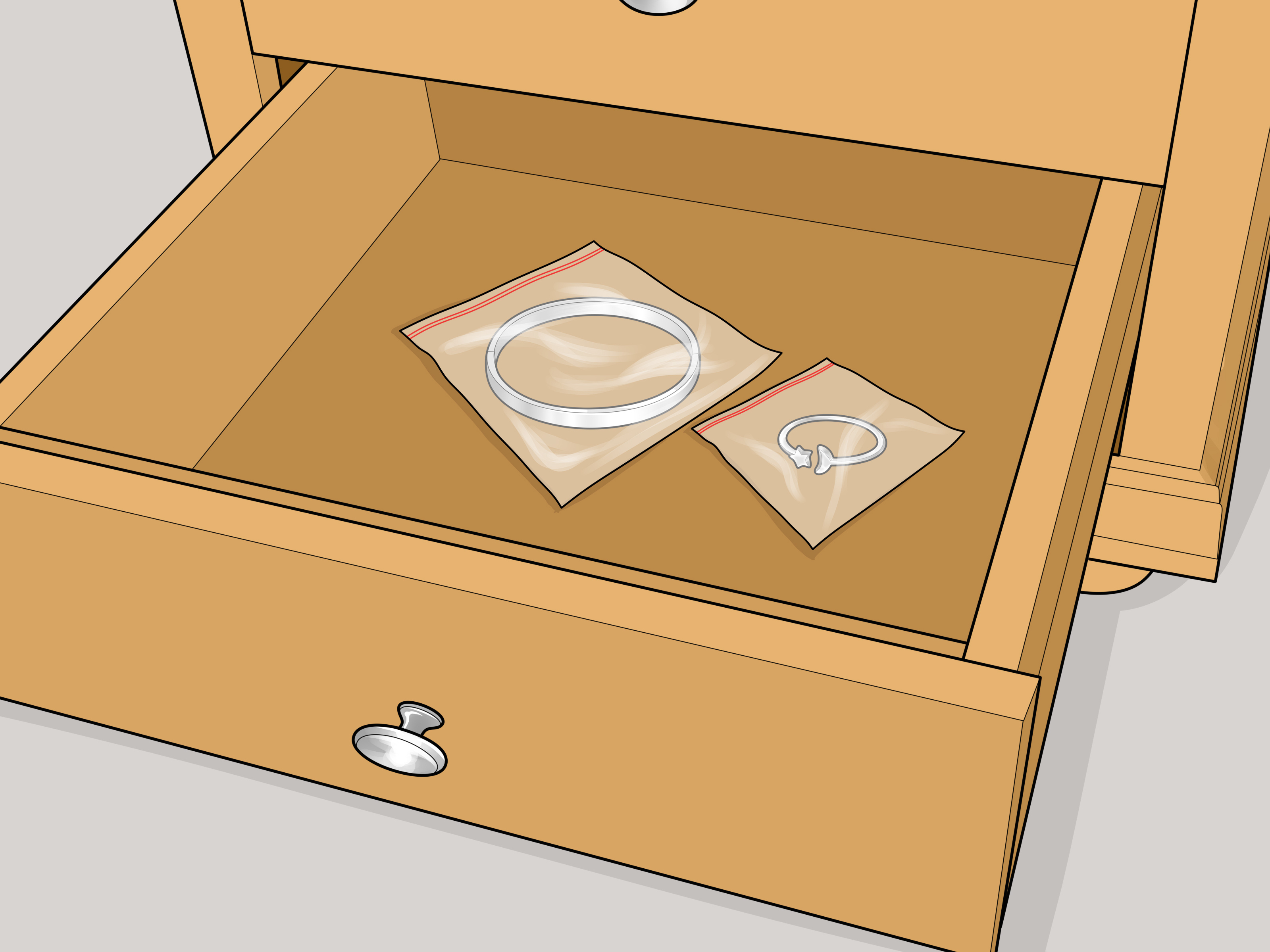
After cleaning, store sterling silver in a cool, dry place. Use anti-tarnish bags, soft pouches, a lined jewelry box, or small airtight bags. Keep pieces separate so they do not scratch or tangle. Add anti-tarnish strips if you live in a humid climate. Avoid storing silver in the bathroom, where steam and moisture create a tarnish party nobody invited you to.
How Often Should You Clean Sterling Silver Jewelry?
For jewelry you wear often, a quick wipe after each wear can reduce buildup from sweat, lotion, and perfume. A deeper soap-and-water cleaning every few weeks or once a month is usually enough for frequently worn pieces. Jewelry that sits in a drawer may need polishing every few months, depending on humidity, storage, and air exposure.
The best rule is simple: clean gently and regularly rather than waiting until tarnish becomes dramatic. A thirty-second wipe today can save you a full rescue mission later.
Special Care for Sterling Silver With Gemstones
Gemstones change the cleaning rules. Durable stones such as diamonds, sapphires, and rubies can often tolerate gentle warm soapy water, but softer or porous stones need extra caution. Pearls, opals, turquoise, amber, coral, and some treated stones should not be soaked. Instead, wipe the silver carefully with a damp cloth and avoid getting the stone too wet.
If your sterling silver jewelry has blackened details, it may be intentionally oxidized. That dark contrast gives the piece depth and character. Over-polishing or using the aluminum foil method can remove that finish, leaving the design flatter than intended. When in doubt, clean only the raised silver surfaces with a polishing cloth and leave the recessed areas alone.
Common Mistakes to Avoid
Using Paper Towels
Paper towels feel soft, but they can be rough enough to scratch polished silver. Use microfiber, cotton flannel, or a jewelry cloth instead.
Soaking Everything Together
Do not toss all your jewelry into one bowl like soup ingredients. Different materials need different care. Chains can tangle, stones can loosen, and pieces can scratch each other.
Forgetting to Dry the Jewelry
Water left in clasps and settings can encourage tarnish. Dry thoroughly before storing.
Over-Polishing
Polishing removes tarnish, but it can also remove tiny amounts of metal or intentional patina over time. Polish only when needed, and use a light hand.
Experience-Based Tips: What Actually Works in Real Life
After cleaning many sterling silver piecesfrom everyday hoop earrings to sentimental charm braceletsthe biggest lesson is that the gentlest method should always come first. Mild dish soap and warm water may sound too ordinary, but it solves more problems than people expect. A necklace that looks dull may simply be coated with lotion, sunscreen, or skin oils. Once that film is removed, the silver often brightens immediately.
Another practical lesson: a polishing cloth is worth keeping in more than one place. Put one in your jewelry drawer, one in your travel pouch, and one near your mirror if you wear silver often. A quick polish before leaving the house can revive earrings or a ring in under a minute. It is the jewelry version of brushing your hair before a video call: small effort, big difference.
For chains, patience matters. Fine sterling silver chains collect grime in tiny spaces, and they can knot if handled too quickly. Lay the chain flat on a clean towel, clean it section by section, and avoid pulling. If the chain is very delicate, skip the toothbrush and use your fingers with a soft cloth. A chain does not need to be bullied into brilliance.
For rings, the underside usually needs the most attention. Soap, hand cream, and everyday debris collect beneath stones and inside settings. A soft toothbrush dipped in mild soapy water can make a ring sparkle again, especially when you brush gently around the underside of the setting. Always rinse well, because leftover soap can make stones look foggy.
The aluminum foil method can be satisfying, but it should not become your default cleaning routine. It is best for plain sterling silver with visible tarnish. It is not ideal for jewelry with gemstones, intentional oxidation, antique finishes, or anything you would be devastated to damage. When used correctly, it can brighten a plain silver bracelet quickly. When used carelessly, it can remove character from a designed piece. In other words, chemistry is helpful, but it is not a babysitter.
Storage makes the biggest long-term difference. A clean sterling silver necklace tossed onto a bathroom counter will tarnish faster than one stored dry in a pouch. Humidity, perfume mist, hair spray, and cleaning products all affect silver. The best habit is to put jewelry on last and take it off first. Apply lotion, sunscreen, perfume, and hair products before wearing silver, then give the jewelry a quick wipe when you remove it.
Travel can be surprisingly rough on sterling silver. Necklaces tangle, earrings disappear into suitcase corners, and rings rub against harder metals. Use individual small bags or a travel jewelry organizer. For necklaces, thread each chain through a straw or wrap it in a soft cloth to prevent knots. It may feel slightly extra, but future youthe one not sitting on a hotel bed untangling chains at midnightwill be grateful.
Finally, do not underestimate professional cleaning. At-home care is excellent for maintenance, but jewelers can inspect prongs, clasps, solder points, and stones. If a piece is valuable, old, or worn daily, a professional check once or twice a year can prevent loss and damage. Cleaning is not just about shine; it is about keeping jewelry wearable for years.
Conclusion
Cleaning sterling silver jewelry is not complicated, but it does reward patience and common sense. Start with mild soap and warm water, use a soft brush only when needed, dry every piece thoroughly, and polish with a proper silver cloth. Save stronger methods, such as aluminum foil and baking soda, for plain sterling silver with heavier tarnish. Avoid bleach, chlorine, rough towels, abrasive scrubbing, and soaking delicate gemstones.
With the right routine, sterling silver can stay bright, wearable, and ready for everything from grocery runs to grand entrances. Treat it gently, store it wisely, and it will keep doing what it does best: making you look like you planned your outfit even when you absolutely did not.