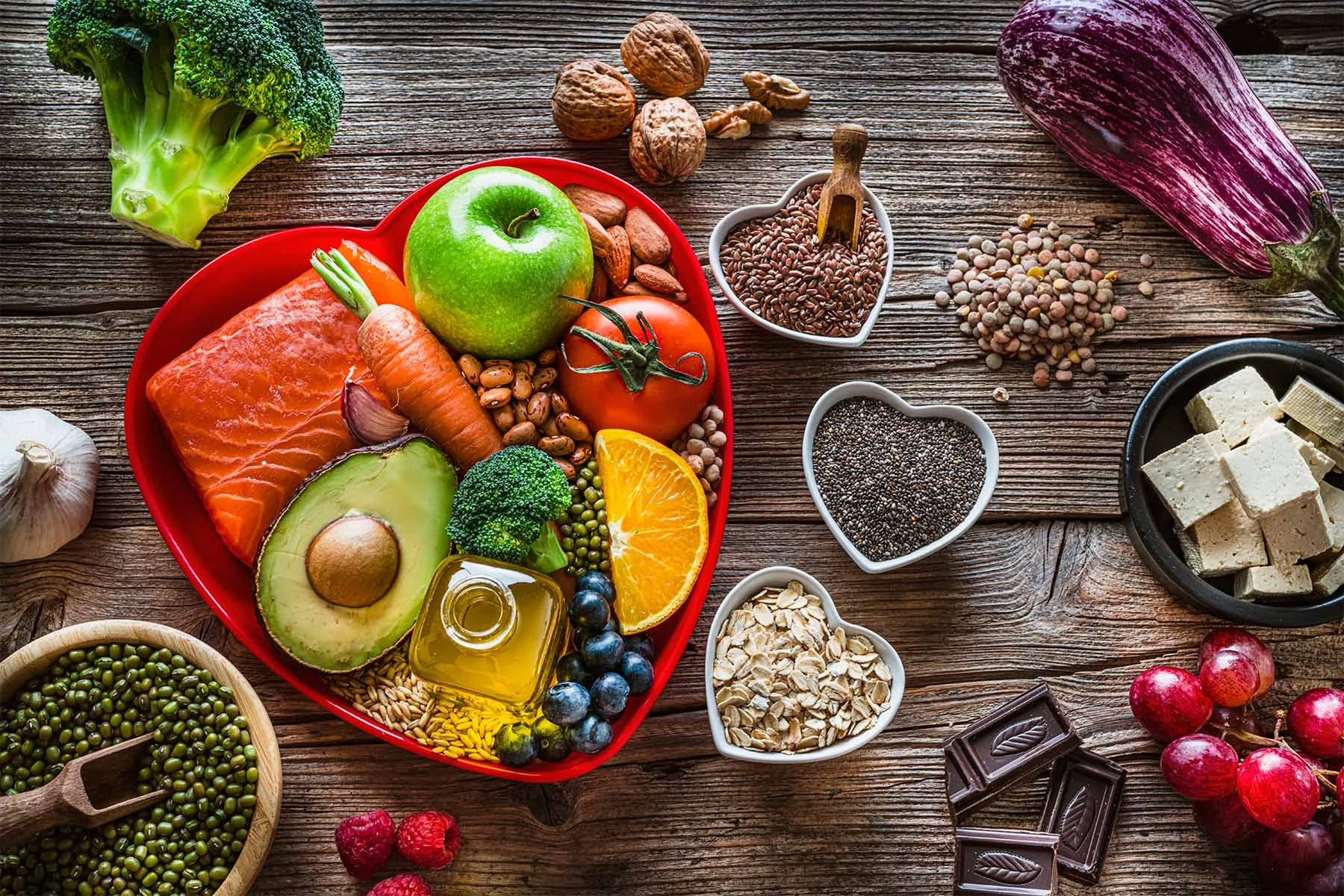
When you live with multiple sclerosis, food can start to feel like a suspicious character in a mystery novel. Is bread the villain? Is salmon the superhero? Does kale own a tiny cape? The truth is less dramaticbut much more useful. There is no single “MS diet” proven to cure multiple sclerosis, and no bowl of blueberries can replace medical treatment. However, the best foods for multiple sclerosis can support energy, help manage inflammation, protect heart and brain health, improve digestion, and make everyday wellness a little less complicated.
Multiple sclerosis is a chronic immune-mediated condition that affects the central nervous system, including the brain and spinal cord. Because MS symptoms such as fatigue, numbness, muscle stiffness, pain, bladder issues, and brain fog can vary from person to person, nutrition should be flexible, realistic, and personalized. The goal is not perfection. The goal is to build a plate that works with your body instead of sending it a strongly worded complaint.
In general, the most MS-friendly eating pattern looks a lot like a Mediterranean-style, anti-inflammatory diet: colorful vegetables, fruit, whole grains, beans, lentils, nuts, seeds, olive oil, fatty fish, lean proteins, and plenty of fluids. It also limits ultra-processed foods, added sugars, excess sodium, fried foods, processed meats, and too much saturated fat. Simple? Yes. Boring? Absolutely notunless you insist on boiling broccoli until it files for retirement.
What Makes a Food “Good” for Multiple Sclerosis?
The best foods for MS are not magic foods. They are foods that support systems that matter when you have a chronic neurological condition. Think inflammation balance, gut health, heart health, bone strength, steady energy, and nutrient density.
Anti-inflammatory nutrients
MS involves inflammation in the central nervous system. While food cannot stop MS on its own, a diet rich in anti-inflammatory foods may support overall wellness. Foods with omega-3 fatty acids, antioxidants, polyphenols, fiber, vitamins, and minerals are especially valuable. These nutrients are found in foods like salmon, sardines, spinach, berries, beans, walnuts, oats, extra-virgin olive oil, and herbs.
Fiber for gut and immune support
The gut microbiomethe community of bacteria and other microbes in the digestive tractplays a role in immune function. Fiber-rich plant foods help feed beneficial gut bacteria. That is one reason beans, lentils, vegetables, fruits, oats, barley, and brown rice deserve regular space on an MS-friendly plate.
Heart and brain health
People with MS may also need to pay close attention to cardiovascular health, especially if mobility changes make regular physical activity harder. Heart-healthy foods support blood vessels, circulation, and long-term brain health. A Mediterranean-style approach is a practical starting point because it is rich in plants, healthy fats, and lean proteins.
The Best Foods for Multiple Sclerosis
1. Fatty Fish: Salmon, Sardines, Trout, Tuna, and Mackerel
Fatty fish are among the most recommended foods for people looking for an MS-friendly diet. They provide omega-3 fatty acids, especially EPA and DHA, which are linked with anti-inflammatory benefits and brain health support. Salmon, sardines, trout, tuna, and mackerel also offer protein, vitamin D, selenium, and B vitamins.
A practical target is to enjoy fatty fish about two times per week if it fits your diet and budget. Try baked salmon with lemon and herbs, sardines on whole-grain toast, tuna in a white bean salad, or trout with roasted vegetables. If fish is not your favorite, do not panic. Your dinner plate has not failed its audition. Walnuts, chia seeds, flaxseeds, and canola oil provide plant-based omega-3 fats, though they contain ALA rather than EPA and DHA.
2. Colorful Vegetables
Vegetables are nutritional multitaskers. Leafy greens such as spinach, kale, collards, arugula, and Swiss chard provide folate, vitamin K, magnesium, and antioxidants. Cruciferous vegetables like broccoli, cauliflower, cabbage, and Brussels sprouts offer fiber and plant compounds that support general health. Bright vegetables such as carrots, bell peppers, tomatoes, and sweet potatoes add carotenoids and other antioxidants.
For people with MS fatigue, vegetables can be made easier with shortcuts. Use prewashed greens, frozen vegetables, microwave-steam bags, jarred roasted peppers, or pre-chopped vegetables. Convenience is not cheating. It is strategy wearing comfortable shoes.
3. Berries and Other Fruits
Berries are small but mighty. Blueberries, strawberries, raspberries, and blackberries contain fiber, vitamin C, and anthocyanins, which are plant compounds associated with antioxidant activity. Citrus fruits, apples, pears, peaches, cherries, grapes, and bananas can also be part of a balanced MS diet.
Fruit is especially helpful when sweet cravings appear. Instead of battling dessert cravings like a medieval knight, pair fruit with protein or healthy fat. Try Greek yogurt with berries, apple slices with peanut butter, or frozen grapes after dinner. These combinations taste good and help keep energy steadier than candy or soda.
4. Beans, Lentils, and Other Legumes
Beans and lentils deserve more applause. They are rich in fiber, plant protein, iron, magnesium, potassium, and slow-digesting carbohydrates. They also support gut health and help meals feel satisfying. Black beans, chickpeas, lentils, kidney beans, split peas, and edamame are all smart choices.
Legumes are also budget-friendly, which matters because healthy eating should not require a luxury grocery store and a treasure map. Add lentils to soup, toss chickpeas into salads, mash black beans into tacos, or use hummus as a dip for vegetables.
5. Whole Grains
Whole grains provide fiber, B vitamins, minerals, and steady energy. Good options include oats, quinoa, brown rice, wild rice, barley, bulgur, farro, and whole-grain bread or pasta. Compared with refined grains, whole grains digest more slowly and may help prevent the energy roller coaster that can make fatigue feel worse.
Oatmeal with berries and walnuts is a strong breakfast choice. Quinoa bowls with vegetables and salmon make an easy lunch. Brown rice with tofu and stir-fried vegetables can become a quick dinner. The key is choosing grains that are minimally processed and pairing them with protein and healthy fat.
6. Nuts and Seeds
Nuts and seeds bring healthy fats, fiber, magnesium, vitamin E, and plant protein to the table. Walnuts, almonds, pistachios, chia seeds, flaxseeds, pumpkin seeds, and sunflower seeds can all fit into an MS-friendly eating pattern.
Because nuts are calorie-dense, a small handful is usually enough. Add walnuts to oatmeal, sprinkle chia seeds into yogurt, blend ground flaxseed into smoothies, or keep single-serving nut packs available for low-energy days. Your future hungry self will thank you politely.
7. Extra-Virgin Olive Oil
Extra-virgin olive oil is a central part of Mediterranean-style eating. It contains monounsaturated fats and polyphenols, making it a better everyday choice than butter, shortening, or many fried-food fats. Use it for salad dressings, roasted vegetables, sautéed greens, or drizzling over beans and whole grains.
Healthy fat also helps meals feel more satisfying. A plate of vegetables with no fat may leave you hungry an hour later, staring into the refrigerator like it owes you money. Olive oil, avocado, nuts, and seeds can make plant-forward meals more filling.
8. Lean Protein: Poultry, Tofu, Eggs, Yogurt, and Low-Fat Dairy
Protein supports muscle maintenance, immune function, and satiety. MS symptoms can sometimes reduce activity levels, so preserving strength is important. Lean protein choices include skinless chicken or turkey, tofu, tempeh, eggs, Greek yogurt, low-fat cottage cheese, and fish.
Dairy can be a personal choice. Some people with MS feel better limiting it, while others tolerate it well and benefit from calcium, vitamin D, and protein. If dairy bothers your digestion or symptoms, talk with a clinician or registered dietitian before cutting it out completely. Fortified soy milk or other fortified alternatives may help fill nutrient gaps.
9. Fermented Foods
Fermented foods such as yogurt with live cultures, kefir, sauerkraut, kimchi, miso, and tempeh may support gut health. Because the gut and immune system are closely connected, many researchers are interested in the relationship between diet, the microbiome, and MS. Fermented foods are not a cure, but they can be a helpful part of a varied diet.
If you are new to fermented foods, start small. A few spoonfuls of sauerkraut or a small serving of kefir is enough. Your gut does not need a surprise party.
10. Vitamin D-Rich Foods
Vitamin D is important for bone health and immune function, and low vitamin D levels are common enough in MS discussions that many clinicians monitor them. Food sources include salmon, sardines, tuna, egg yolks, fortified milk, fortified plant milks, fortified cereals, and some mushrooms exposed to ultraviolet light.
Because it can be difficult to get enough vitamin D from food alone, many people need blood testing and personalized supplement advice. Do not megadose vitamin D without medical guidance. More is not always better; sometimes more is just expensive urine with consequences.
Foods to Limit With Multiple Sclerosis
An MS-friendly diet is not about banning every joyful bite. It is about making your usual pattern supportive and saving less helpful foods for occasional use.
Highly processed foods
Packaged snacks, fast food, processed meats, sugary cereals, instant meals, and many frozen convenience foods can be high in sodium, added sugar, refined carbohydrates, and unhealthy fats. These foods may crowd out nutrient-rich choices and contribute to inflammation, weight gain, blood sugar swings, and heart-health risks.
Too much saturated fat
Foods high in saturated fat include fatty cuts of red meat, butter, full-fat cheese, cream, processed meats, coconut oil, palm oil, and many fried foods. You do not have to swear off every cheeseburger for life, but it helps to make lean proteins, fish, beans, lentils, tofu, and olive oil your everyday defaults.
Added sugar and sugary drinks
Soda, sweet tea, candy, pastries, and sweet coffee drinks can lead to energy spikes and crashes. For someone already dealing with MS fatigue, that crash can feel like your battery dropped from 42 percent to “please plug in immediately.” Choose water, sparkling water, unsweetened tea, or fruit-infused water more often.
Excess sodium
Too much sodium can affect blood pressure and overall cardiovascular health. Many high-sodium foods are also ultra-processed. Season meals with herbs, garlic, lemon juice, vinegar, smoked paprika, cumin, rosemary, ginger, or chili flakes instead of relying only on salt.
A Simple MS-Friendly Meal Plan Example
Here is a realistic one-day meal idea built around the best foods for multiple sclerosis:
- Breakfast: Oatmeal topped with blueberries, ground flaxseed, walnuts, and a spoonful of Greek yogurt.
- Snack: Apple slices with peanut butter or hummus with carrots.
- Lunch: Quinoa bowl with spinach, chickpeas, roasted sweet potato, cucumber, olive oil, lemon, and grilled chicken or tofu.
- Snack: Kefir, yogurt, or a handful of almonds with fruit.
- Dinner: Baked salmon with brown rice, steamed broccoli, and a tomato-avocado salad.
- Hydration: Water throughout the day, with herbal tea or sparkling water when plain water feels too plain.
Practical Tips for Eating Well When MS Fatigue Shows Up
MS fatigue can make cooking feel like climbing a mountain while carrying grocery bags and a frying pan. That is why the best MS diet is one you can actually follow on tired days.
Use “assembly meals”
An assembly meal is exactly what it sounds like: food you put together rather than cook from scratch. Try bagged salad plus canned salmon, microwavable brown rice plus frozen vegetables and tofu, or whole-grain toast with avocado and eggs. These meals are quick, balanced, and less likely to end with a sink full of dishes judging you.
Batch cook when energy is higher
If mornings are better than evenings, prep food early. If weekends are easier, cook a pot of lentil soup, roast a tray of vegetables, or prepare a batch of quinoa. Store portions in the fridge or freezer so future meals require less effort.
Keep backup foods ready
Stock your kitchen with canned beans, tuna packets, frozen vegetables, frozen berries, instant oats, nut butter, whole-grain wraps, low-sodium soups, and prewashed greens. Healthy convenience foods are still healthy. You are allowed to make life easier.
Experience-Based Eating Tips for Living With MS
People who manage MS day to day often learn that nutrition is not just about nutrients; it is about timing, energy, symptoms, routines, and flexibility. The “best foods for multiple sclerosis” may look wonderful on paper, but real life has appointments, fatigue, heat sensitivity, medication schedules, family meals, budget limits, and days when chopping an onion feels like a competitive sport. A useful eating plan respects all of that.
One common experience is that heavy, greasy meals can make sluggishness feel worse. Not everyone reacts the same way, but many people prefer lighter meals during the day, especially if fatigue is a major symptom. A lunch built with lean protein, vegetables, whole grains, and healthy fat may feel better than a large fried meal. For example, a salmon salad wrap, lentil soup, or a rice bowl with tofu and vegetables can provide steady fuel without the “I need a nap immediately” feeling.
Another practical lesson is that breakfast matters. Skipping breakfast may seem efficient, especially on busy mornings, but it can backfire if it leads to shaky energy, cravings, or overeating later. A simple breakfast does not need to be fancy. Oatmeal with berries, eggs with whole-grain toast, Greek yogurt with walnuts, or a smoothie with spinach, fruit, protein, and ground flaxseed can help start the day with more stability.
Hydration is also a real-world balancing act. Some people with MS limit fluids because of bladder symptoms, but dehydration can worsen fatigue, constipation, headaches, and heat sensitivity. A better approach is usually strategic hydration: drink regularly earlier in the day, reduce large amounts close to bedtime, and talk with a clinician if bladder urgency is affecting daily life. Water-rich foods such as oranges, berries, cucumbers, soups, and smoothies can help too.
Meal prep can be helpful, but it should not become a second job. Instead of planning seven perfect dinners, start with two reliable meals. Maybe that means making a pot of turkey and bean chili or preparing a tray of roasted vegetables to use in bowls, wraps, and omelets. Repetition is not failure. Repetition is how humans survive Tuesday.
Social eating deserves compassion. People with MS should not have to feel like the food police at every gathering. A balanced approach might mean eating a protein-rich snack before an event, choosing vegetables and lean protein when available, enjoying a favorite dessert mindfully, and returning to normal habits at the next meal. One meal does not define health. Patterns do.
Finally, the most helpful experience-based advice is to track your own patterns without becoming obsessive. A simple food and symptom journal can reveal whether certain meals affect energy, digestion, sleep, or comfort. The goal is curiosity, not blame. If a pattern appears, bring it to a healthcare professional or registered dietitian who understands MS. Together, you can build a nutrition plan that supports your body, your preferences, and your actual lifenot an imaginary life where everyone has unlimited energy and a personal chef named Kale.
Conclusion
The best foods for multiple sclerosis are not rare, complicated, or locked behind a wellness paywall. They are everyday foods that support inflammation balance, gut health, heart health, energy, and overall well-being: fatty fish, colorful vegetables, fruit, beans, lentils, whole grains, nuts, seeds, olive oil, lean proteins, fermented foods, and vitamin D-rich choices. At the same time, it is wise to limit ultra-processed foods, excess sodium, added sugars, processed meats, fried foods, and too much saturated fat.
Most importantly, food should support your MS carenot replace it. Disease-modifying therapies, rehabilitation, sleep, movement, stress management, and medical guidance all matter. Nutrition is one powerful piece of the puzzle. Make it colorful, make it realistic, and make it something you can live with. Your plate does not need to be perfect. It just needs to keep showing up for you.