Note: This article is for educational purposes only. A pituitary tumor can affect hormones, medications, blood sugar, blood pressure, appetite, weight, and digestion in different ways. Always follow the advice of your endocrinologist, neurosurgeon, oncology team, and registered dietitian.
Introduction: Can Food Really Affect a Pituitary Tumor?
When someone hears the words “pituitary tumor,” it is perfectly normal for the brain to sprint straight to the refrigerator and ask, “Okay, what do I stop eating?” The answer is reassuring but slightly less dramatic than the internet may suggest: there is no proven food that directly causes, grows, shrinks, or cures a pituitary tumor.
That said, food still matters. A lot. The pituitary gland may be tiny, but it has main-character energy. Sitting at the base of the brain, it helps regulate hormones that influence growth, thyroid function, adrenal function, reproduction, fluid balance, metabolism, and stress response. When a pituitary tumor affects hormone levels, nutrition can become part of symptom management.
The best pituitary tumor diet is usually not a mysterious “detox,” a three-day juice cleanse, or something that requires eating only beige foods under a full moon. Instead, the goal is to limit foods that may worsen common problems such as weight gain, high blood sugar, high blood pressure, fatigue, inflammation, fluid retention, bone loss, constipation, and treatment side effects.
This nutrition guide explains which foods to avoid with a pituitary tumor, what to eat instead, and how to build realistic meals that support your body without turning dinner into a medical dissertation.
First, Understand the Type of Pituitary Tumor
Not all pituitary tumors behave the same way. Many pituitary adenomas are benign, meaning they are not cancerous, but they can still cause serious symptoms by pressing on nearby structures or changing hormone production.
Functioning vs. Nonfunctioning Pituitary Tumors
A functioning pituitary tumor makes excess hormones. Depending on the hormone involved, it may lead to conditions such as Cushing disease, acromegaly, prolactinoma, hyperthyroidism-related symptoms, or other endocrine changes.
A nonfunctioning pituitary tumor does not actively produce hormones, but it may press on the normal pituitary gland and reduce hormone production. It can also cause headaches, vision changes, fatigue, menstrual changes, sexual dysfunction, or other symptoms.
This matters because food choices should match the person’s actual medical situation. A person with high cortisol and high blood pressure may need a different nutrition plan than someone with appetite loss after surgery or low thyroid function.
Is There a Special Pituitary Tumor Diet?
Currently, there is no official “pituitary tumor diet” and no reliable evidence that a specific food can shrink a pituitary tumor. A balanced, nutrient-rich eating pattern is the usual recommendation. Think vegetables, fruits, whole grains, lean proteins, legumes, nuts, seeds, and healthy fats.
The real focus is not fear. It is management. Food can help you maintain energy, protect muscle, support bones, stabilize blood sugar, reduce excess sodium, improve digestion, and make treatment recovery smoother. In other words, nutrition is not the surgeon, the medication, or the MRI machine. It is the dependable teammate bringing snacks and common sense.
Foods to Avoid or Limit with a Pituitary Tumor
The following foods are not “forbidden forever.” In most cases, they are foods to limit, swap, or eat less often. The goal is better symptom control, not culinary punishment.
1. Highly Processed Foods
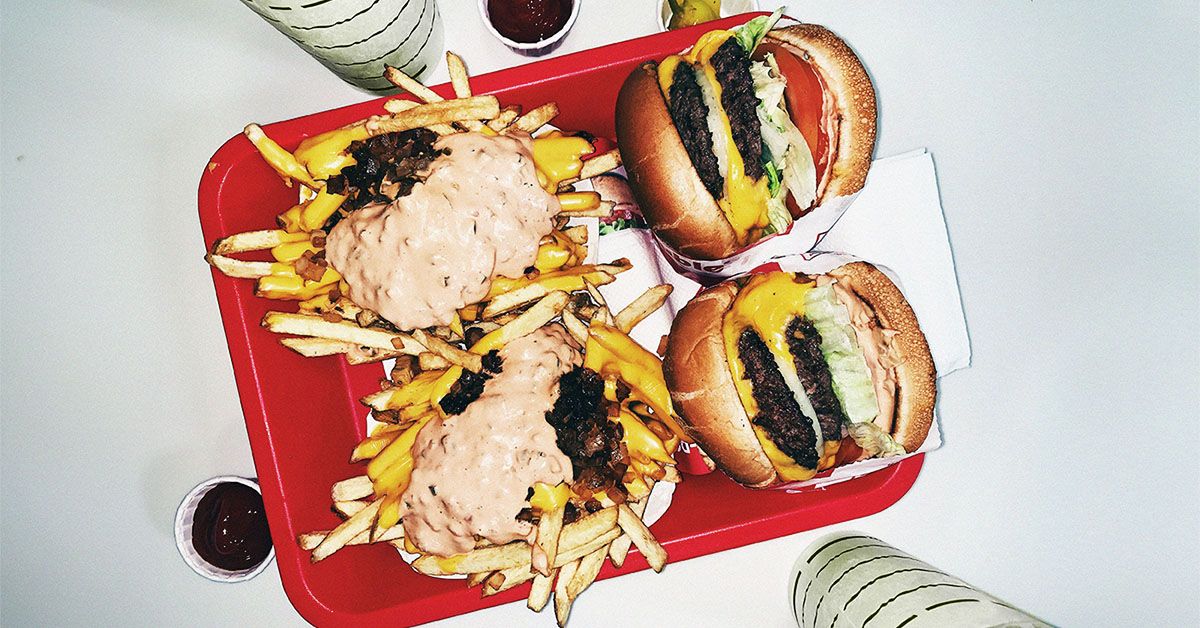
Ultra-processed foods are often high in sodium, added sugar, refined starch, unhealthy fats, and calories while being low in fiber and nutrients. Examples include packaged snack cakes, chips, fast food meals, frozen fried foods, sugary cereals, processed lunch meats, instant noodles, and many boxed convenience meals.
For people with pituitary tumors, these foods may make weight management harder, worsen blood pressure, increase blood sugar swings, and contribute to inflammation. This is especially important if the tumor or treatment affects cortisol, growth hormone, thyroid hormone, or insulin sensitivity.
Try instead: roasted chickpeas, Greek yogurt with berries, hummus with vegetables, oatmeal, homemade soups, grilled chicken, lentils, brown rice bowls, or whole-grain toast with avocado.
2. Sugary Drinks
Soda, sweet tea, energy drinks, sweetened coffee drinks, fruit punch, and large smoothies can deliver a surprising amount of sugar quickly. Liquid sugar is sneaky. It strolls in wearing a cute straw and then sends blood glucose on a roller-coaster ride.
This matters for people with acromegaly or Cushing disease because these conditions can increase the risk of insulin resistance or diabetes. Even without diabetes, sugary drinks can add calories without much fullness.
Try instead: water with lemon, sparkling water, unsweetened iced tea, coffee with minimal added sugar, or a small smoothie made with whole fruit, protein, and fiber.
3. Refined Carbohydrates
White bread, pastries, cookies, candy, sweet breakfast cereals, white rice in large portions, and regular pasta can raise blood sugar quickly, especially when eaten without protein, fiber, or healthy fat.
This does not mean carbohydrates are bad. Carbs are not villains twirling mustaches in your pantry. The issue is the type and portion. Whole-food carbohydrates such as beans, lentils, oats, quinoa, fruit, and sweet potatoes provide fiber and nutrients that help with fullness and glucose control.
Try instead: steel-cut oats, whole-grain bread, brown rice, quinoa, beans, lentils, berries, apples, and vegetables.
4. High-Sodium Foods
Salt can be a problem when blood pressure, fluid retention, or heart health is already a concern. Some pituitary-related hormone conditions, especially those involving cortisol, may be associated with high blood pressure and fluid changes. High-sodium foods include canned soups, processed meats, frozen dinners, chips, fast food, pickles, salty sauces, and restaurant meals.
Reading food labels can help. Many packaged foods that do not taste extremely salty still contain a sodium surprise party.
Try instead: herbs, garlic, lemon juice, vinegar, salt-free seasoning blends, fresh vegetables, homemade soups, grilled fish, and low-sodium beans or canned goods rinsed under water.
5. Processed Meats
Bacon, sausage, hot dogs, deli meats, pepperoni, ham, and cured meats tend to be high in sodium, saturated fat, preservatives, and additives. They are not ideal as daily staples, especially for people managing cardiovascular risk, inflammation, or weight changes.
You do not need to panic if you once ate a turkey sandwich. The body is resilient. But making processed meats an occasional food instead of a daily protein source is a smart move.
Try instead: fresh turkey, chicken breast, fish, eggs, tofu, tempeh, beans, lentils, or tuna packed in water.
6. Fried Foods and Trans Fats
Fried chicken, French fries, doughnuts, fried appetizers, and some packaged baked goods can be high in unhealthy fats and calories. These foods may worsen cholesterol levels and make weight management harder.
People with pituitary tumors may already be dealing with fatigue, reduced activity, hormonal weight gain, or medication-related changes. Fried foods can make the hill steeper.
Try instead: baked potatoes, air-fried vegetables, grilled chicken, roasted fish, baked tofu, nuts, seeds, olive oil, and avocado.
7. Excess Alcohol
Alcohol can interfere with sleep, blood sugar, liver function, mood, medications, and judgment. It may also add empty calories and worsen dehydration. For anyone undergoing surgery, radiation, medication therapy, or hormone management, alcohol should be discussed with the care team.
Try instead: sparkling water with citrus, herbal tea, alcohol-free mocktails without added sugar, or kombucha in modest portions if approved by your clinician.
8. Too Much Caffeine
Caffeine is not automatically off-limits. Many people can enjoy coffee or tea safely. However, too much caffeine may worsen anxiety, sleep problems, palpitations, headaches, reflux, or blood pressure in sensitive people.
If your pituitary tumor is linked with cortisol changes, thyroid changes, anxiety, or poor sleep, it may be worth reducing caffeine or avoiding it after noon. Your nervous system deserves a bedtime, not a marching band.
Try instead: half-caf coffee, green tea, herbal tea, warm milk, or caffeine-free drinks.
9. Grapefruit and Medication-Interaction Foods
Some medications interact with grapefruit or grapefruit juice. While not every pituitary tumor medication has this issue, medication interactions are common enough that it is wise to ask your pharmacist or doctor. Certain supplements can also interact with hormone therapies, blood thinners, blood pressure medicines, diabetes medicines, or post-surgery prescriptions.
Try instead: oranges, berries, apples, pears, or other fruits your care team approves.
10. Unproven Supplements and “Tumor-Shrinking” Detox Products
This category deserves a flashing neon sign. Supplements, detox teas, alkaline powders, miracle mushroom blends, extreme fasting plans, and “natural tumor cure” products are often marketed with confidence but little proof.
Some supplements may be harmless, but others can affect hormone levels, blood pressure, bleeding risk, liver function, or medication effectiveness. Never start a supplement because a stranger online used many capital letters and a dramatic before-and-after photo.
Try instead: ask your doctor to test for real deficiencies, such as vitamin D, iron, B12, calcium, or other nutrients, and supplement only when appropriate.
What to Eat Instead: A Pituitary-Friendly Plate
A practical pituitary tumor nutrition guide should not only say what to avoid. That would be like giving someone a map with only potholes marked. Here is a simple plate method:
- Half the plate: non-starchy vegetables such as leafy greens, broccoli, peppers, carrots, tomatoes, zucchini, mushrooms, or cauliflower.
- One-quarter of the plate: lean protein such as fish, chicken, turkey, eggs, tofu, beans, lentils, or low-fat dairy.
- One-quarter of the plate: high-fiber carbohydrates such as oats, quinoa, brown rice, sweet potato, beans, fruit, or whole-grain bread.
- Add healthy fat: olive oil, avocado, nuts, seeds, or nut butter in moderate portions.
This approach supports blood sugar balance, fullness, digestive health, and steady energy. It also avoids the sadness of pretending plain lettuce is a complete dinner.
Nutrition Tips by Common Pituitary Tumor Symptoms
If You Have Weight Gain
Focus on protein at each meal, high-fiber carbohydrates, vegetables, and regular meal timing. Avoid skipping meals all day and then arriving at dinner ready to negotiate with an entire pizza. Hormonal weight gain can be frustrating, so the goal is consistency, not shame.
If You Have High Blood Sugar
Limit sugary drinks, refined carbs, and large portions of sweets. Pair carbohydrates with protein and fiber. For example, choose an apple with peanut butter instead of apple juice, or brown rice with salmon and vegetables instead of a giant bowl of plain white rice.
If You Have High Blood Pressure
Reduce sodium from packaged and restaurant foods. Increase potassium-rich foods such as beans, lentils, spinach, bananas, oranges, potatoes, and yogurt, unless your doctor has told you to restrict potassium due to kidney disease or medication.
If You Have Bone Loss Risk
Some pituitary-related hormone disorders can affect bone health. Ask your doctor about vitamin D and calcium testing. Include calcium-rich foods such as yogurt, milk, fortified plant milks, tofu made with calcium, sardines with bones, leafy greens, and fortified cereals.
If You Have Fatigue
Eat regular meals with protein, fiber, and healthy fats. Avoid relying on sugar and caffeine as your only energy plan. They work briefly, then disappear like a friend who said they would help you move.
If You Are Recovering from Surgery
Protein, fluids, and enough calories matter. Ask your care team about chewing, swallowing, nausea, constipation, or medication-related restrictions. Gentle foods such as soups, eggs, yogurt, smoothies with protein, oatmeal, fish, and soft cooked vegetables may be easier during recovery.
Sample One-Day Meal Plan
Breakfast
Greek yogurt with berries, chia seeds, and a small handful of walnuts. Add cinnamon for flavor instead of extra sugar.
Lunch
Grilled chicken or tofu bowl with quinoa, spinach, roasted vegetables, avocado, and lemon olive oil dressing.
Snack
Apple slices with peanut butter, or hummus with carrots and cucumber.
Dinner
Baked salmon with sweet potato and steamed broccoli. Season with garlic, herbs, lemon, and black pepper instead of heavy salt.
Evening Option
Herbal tea and a small bowl of cottage cheese or unsweetened yogurt if you need extra protein.
Foods to Avoid with a Pituitary Tumor: Quick List
- Fast food meals high in sodium and saturated fat
- Sugary drinks, soda, sweet tea, and energy drinks
- Large portions of refined carbohydrates
- Processed meats such as bacon, sausage, and deli meats
- Fried foods and packaged snacks
- Excess alcohol
- Too much caffeine if it worsens symptoms
- High-sodium canned, frozen, and restaurant foods
- Unverified supplements or detox products
- Grapefruit products if they interact with your medication
Common Myths About Pituitary Tumor Diets
Myth 1: Sugar Feeds Pituitary Tumors
All cells use glucose for energy, but that does not mean eating a cookie directly feeds a pituitary tumor. The better reason to limit added sugar is that it can worsen blood sugar control, weight gain, and energy crashes.
Myth 2: You Must Go Completely Carb-Free
Carbohydrates are not automatically harmful. Whole-food carbs provide fiber, vitamins, minerals, and fuel. The key is choosing quality carbs and reasonable portions.
Myth 3: Supplements Can Replace Treatment
No supplement has been proven to replace medical treatment for a pituitary tumor. Surgery, medication, radiation, monitoring, and hormone replacement are medical decisions that require professional care.
Myth 4: A Perfect Diet Will Fix Hormones Overnight
Nutrition helps, but pituitary hormones are complex. A good meal plan can support your body, but it cannot substitute for lab testing, imaging, medication adjustments, or follow-up visits.
of Practical Experience: What Eating with a Pituitary Tumor Can Feel Like
Living with a pituitary tumor can make eating feel strangely personal. One week, you may feel hungry all the time. Another week, food may seem boring. You might gain weight despite eating “normally,” or feel exhausted after meals that never used to bother you. This can be emotionally frustrating because people often assume nutrition is just about willpower. It is not. Hormones can change appetite, water retention, metabolism, sleep, mood, and energy. That means the best eating plan is not the most extreme one. It is the one you can repeat on an ordinary Tuesday when life is busy and your brain is asking for a nap.
A helpful experience-based strategy is to simplify breakfast first. Many people try to overhaul everything at once, then burn out by Thursday. Start with a protein-rich breakfast such as eggs with vegetables, Greek yogurt with berries, or oatmeal with nuts and seeds. This can reduce midmorning cravings and help stabilize energy. It also prevents the classic “coffee until 2 p.m., then inhale the pantry” routine, which is common but rarely helpful.
Another practical lesson is to keep emergency meals available. Fatigue can make cooking feel like assembling furniture without instructions. Stock simple options such as canned low-sodium beans, frozen vegetables, tuna packets, microwavable brown rice, eggs, yogurt, cottage cheese, rotisserie chicken, or prewashed salad greens. These are not glamorous, but neither is ordering salty takeout for the fourth time in a week because the refrigerator contains only mustard and regret.
People dealing with Cushing-like symptoms, acromegaly, or blood sugar concerns often find that meal pairing helps. Instead of eating crackers alone, pair them with cheese or hummus. Instead of fruit juice, eat whole fruit with nuts. Instead of plain pasta, add vegetables and protein. These small changes slow digestion and may reduce glucose spikes without making meals feel like punishment.
Another real-world tip is to watch restaurant sodium. Restaurant meals can be delicious, convenient, and shockingly salty. Ask for sauces on the side, choose grilled instead of fried foods, split large portions, and balance restaurant meals with lower-sodium meals at home. You do not have to become the person who brings a sodium spreadsheet to brunch. Just be aware.
Finally, give yourself room to be human. A pituitary tumor diagnosis can already bring enough appointments, scans, lab tests, and uncertainty. Food should support recovery, not become another source of fear. The best nutrition plan is steady, flexible, and personalized. Choose mostly whole foods, limit the foods that worsen your symptoms, ask for help when needed, and remember that one imperfect meal does not erase a week of good choices. Your body is not asking for perfection. It is asking for support.
Conclusion
There is no magic list of foods that can cure or shrink a pituitary tumor. However, nutrition can make a meaningful difference in how you feel, especially if your tumor affects hormones related to cortisol, growth hormone, thyroid function, reproductive hormones, blood sugar, blood pressure, or metabolism.
The best approach is to limit highly processed foods, sugary drinks, refined carbohydrates, high-sodium meals, processed meats, fried foods, excess alcohol, and unproven supplements. Replace them with vegetables, fruits, whole grains, lean proteins, beans, nuts, seeds, and healthy fats.
Most importantly, personalize your plan. A pituitary tumor is not a one-size-fits-all condition, and your nutrition should not be one-size-fits-all either. Work with your medical team, monitor your symptoms, and build meals that support your treatment, energy, and long-term health.