Some kitchen mysteries are bigger than they look. Case in point: the innocent lime. A recipe says “juice of 2 limes,” and suddenly you are standing in your kitchen doing citrus algebra like your dinner depends on it. Honestly, it kind of does. Too little lime and your tacos taste sleepy. Too much and your dressing starts throwing elbows.
This guide breaks down lime measures, equivalents, and substitutions in a way that is actually useful when you are cooking, baking, mixing drinks, or staring at a lonely half-lime in the refrigerator drawer wondering whether it still has purpose in life. Below, you will find practical conversions for fresh lime juice, zest, key limes versus Persian limes, bottled juice, and smart substitutes when fresh limes are nowhere to be found.
The numbers here are kitchen-friendly averages, not courtroom testimony. Limes vary by size, juiciness, variety, age, and whether the produce section betrayed you. Still, these equivalents are reliable enough for everyday home cooking and will save you from buying twelve limes when you only needed four.
Quick Answer: Common Lime Measures at a Glance
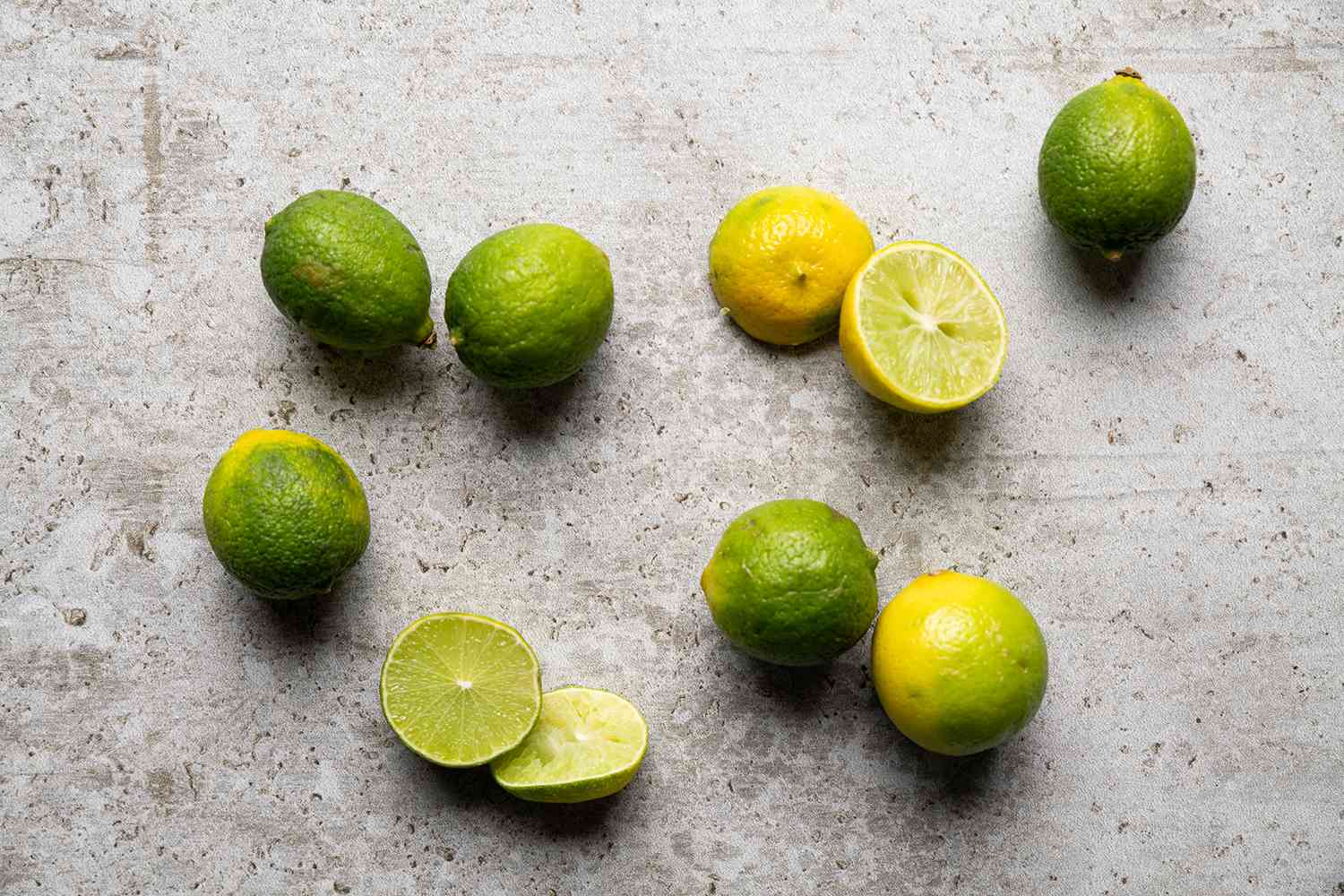
For most recipes, a standard grocery-store lime means a Persian lime, sometimes called a Tahitian lime. That is the larger, smoother lime you usually see in U.S. supermarkets. A good rule of thumb is that 1 medium lime yields about 2 tablespoons of juice and roughly 2 teaspoons of zest.
| Ingredient or Measure | Equivalent |
|---|---|
| 1 medium Persian lime | About 2 tablespoons juice |
| 1 medium Persian lime | About 2 teaspoons zest |
| 1/2 lime | About 1 tablespoon juice |
| 2 limes | About 1/4 cup juice |
| 4 limes | About 1/2 cup juice |
| 6 to 8 limes | About 3/4 cup juice |
| 1 teaspoon lime zest | Zest from about 1/2 lime |
| 1 tablespoon lime juice | 3 teaspoons |
| 2 tablespoons lime juice | 1 fluid ounce |
If a recipe says “juice of 1 lime,” it is usually asking for about 2 tablespoons. If it calls for “zest of 1 lime,” expect around 2 teaspoons. That alone solves about 80% of everyday lime panic.
Key Limes vs. Persian Limes: Why the Numbers Change
Not all limes play by the same rules. Persian limes are the large, seedless, smooth-skinned limes found in most grocery stores. Key limes are smaller, more aromatic, more tart, and usually more work. They are the dramatic little stars behind classic key lime pie.
Because key limes are smaller, they produce less juice per fruit. A useful average is:
| Key Lime Measure | Equivalent |
|---|---|
| 1 key lime | About 2 teaspoons juice |
| 3 key limes | About 2 tablespoons juice |
| 8 key limes | About 1/4 cup juice |
That means if a dessert recipe asks for 1/4 cup fresh key lime juice, you may need around 8 key limes. Yes, eight. Tiny fruit, big attitude.
Flavor matters too. Key limes are more floral and punchy, while Persian limes are cleaner and slightly less intense. In savory recipes, regular lime is usually perfect. In classic key lime desserts, the difference is more noticeable, but there are still good backup options if key limes are unavailable.
How Much Lime Do You Need for Real Recipes?
Recipes are easier when you can translate lime language into shopping math. Here are practical estimates for common uses:
For Dressings and Marinades
A vinaigrette or marinade often uses 2 to 4 tablespoons lime juice. That means you usually need 1 to 2 Persian limes. If the recipe also calls for zest, buy an extra lime if you want a safety net.
For Tacos, Rice, Soups, and Finishing
Many savory recipes need only 1 to 2 tablespoons to brighten the dish. One lime is usually enough for cilantro-lime rice, taco toppings, grilled vegetables, or black bean soup.
For Cocktails and Mocktails
Margaritas, ranch water, mojitos, and limeades can use lime fast. A single drink may need 1 to 1 1/2 ounces of juice, which is roughly 1 to 1 1/2 limes. A pitcher recipe can easily swallow half your citrus stash before you even find the ice.
For Baking
Baked goods often use both juice and zest. That combination matters because the juice supplies acidity while the zest delivers concentrated lime aroma. If a cake, pie, cheesecake, or bar recipe wants both, do not skip the zest unless you absolutely must. Juice gives tartness. Zest gives personality.
Why One Lime Sometimes Feels Like Three and Sometimes Feels Like a Scam
Lime yield changes for a few simple reasons:
- Size: Larger Persian limes usually give more juice than small, firm ones.
- Ripeness: A lime with slight give is often juicier than one that feels hard as a billiard ball.
- Skin thickness: Thin-skinned limes tend to have more juice.
- Temperature: Room-temperature citrus usually releases juice more easily than cold fruit straight from the refrigerator.
- Variety: Key limes are smaller and more tart, but they produce less juice per fruit.
When shopping, choose limes that feel heavy for their size and have smooth, glossy skin. That is usually a better sign of juice than color alone. A dark green lime is not automatically the juiciest lime. Citrus likes to keep us humble.
Best Lime Juice Substitutions
Sometimes you need acid, brightness, and a little citrus sparkle, but the lime bowl is empty. That is when substitutions step in. The trick is knowing what each substitute can do well and where it falls short.
1. Lemon Juice
Best all-purpose substitute. In most savory recipes, you can swap lime juice for lemon juice in a 1:1 ratio. Salad dressings, marinades, soups, dipping sauces, and quick sauces usually handle this switch beautifully.
The flavor will shift slightly. Lemon tastes a little sunnier and less earthy than lime, but the acidity is close enough for many dishes. If the lime is not the headline flavor, this is your easiest substitution.
2. Equal Parts Lemon Juice and Regular Lime Juice for Key Lime Juice
If a recipe specifically calls for key lime juice and you only have regular limes and lemons, use a half-and-half blend of lemon juice and regular lime juice. This combo mimics some of the extra tartness and aroma associated with key limes better than regular lime juice alone.
3. Bottled Lime Juice
Good for convenience, consistency, and some cooked recipes. Bottled lime juice can usually replace fresh lime juice 1:1 by volume. If a recipe needs 2 tablespoons fresh juice, 2 tablespoons bottled juice will technically work.
That said, bottled juice can taste flatter or slightly harsher than fresh, especially in uncooked dishes such as ceviche-style preparations, guacamole, delicate dressings, and cocktails. In baked goods, marinades, or simmered sauces, the difference is often less noticeable.
4. Vinegar in Savory Recipes
If your goal is acidity more than citrus flavor, a mild vinegar such as rice vinegar, white wine vinegar, or even white vinegar can work in a pinch for dressings, slaws, and marinades. Use it carefully because vinegar is sharper and lacks lime’s fragrance. Start with a little less than the lime juice called for, then taste and adjust.
This is a smart backup for savory cooking, but not for lime pie, lime bars, or anything where the flavor of lime is supposed to be obvious. Nobody wants “vinegar cheesecake” entering the chat.
5. Yuzu or Calamansi Juice
If you already keep specialty citrus around, yuzu or calamansi can provide a bright substitute in dressings, sauces, or seafood dishes. The flavor profile changes, but the effect can still be lively and delicious. These are best for adventurous cooks rather than emergency substitution under pressure.
Best Lime Zest Substitutions
Zest is not just decorative green confetti. It contains flavorful oils that deliver the fragrance people associate with fresh lime. If you replace juice and forget the zest, the recipe may still taste tart but less vividly “limey.”
For 1 teaspoon fresh lime zest, the best substitutes are:
- 1 teaspoon lemon zest or other citrus zest, if the recipe can handle a slight flavor shift
- 1/2 teaspoon lime extract, especially in baking
- 2 tablespoons bottled lime juice, only when extra liquid will not ruin the texture
That last option is functional but not perfect. Juice adds acid and liquid, not the same aromatic oils as zest. For cakes, cookies, frostings, and creamy desserts, lime extract or lemon zest is often a better stand-in than simply pouring in more juice.
Fresh vs. Bottled vs. Concentrate: Which One Should You Use?
Fresh Lime Juice
Use fresh juice when lime is supposed to taste bright, crisp, and unmistakable. Fresh is best for cocktails, salsa, guacamole, dipping sauces, ceviche-style dishes, cold dressings, and garnish finishes.
Bottled Lime Juice
Use bottled juice when convenience matters, when you need a measured amount quickly, or when the lime flavor is not the star of the show. It is also helpful when consistency matters from batch to batch.
Frozen Concentrate or Limeade Concentrate
Concentrates are a different ingredient entirely. They often include sweetness or a more cooked flavor. They can work in beverages and some desserts, but they are not a straight drop-in replacement for fresh lime juice in savory cooking. Always check whether the concentrate is sweetened before using it. Otherwise, your marinade may take a confusing detour into popsicle territory.
A Special Safety Note for Canning and Preserving
Here is the one place where improvisation is not cute: home canning. In tested salsa and acidified tomato recipes, food-preservation guidance generally specifies commercially bottled lemon or lime juice because the acidity is standardized. Fresh-squeezed citrus can vary too much for safe preservation.
If you are canning salsa or acidifying tomatoes, follow the tested recipe exactly. Do not casually swap fresh lime juice for bottled. Do not assume key lime juice is interchangeable in every tested recipe. And do not swap vinegar, lemon, lime, and citric acid however you feel that day unless the recipe specifically says it is safe to do so. This is a food-safety zone, not a freestyle zone.
How to Get More Juice From a Lime
Before you cut your lime open and sigh dramatically, use these simple tricks:
- Zest first. It is much easier before juicing.
- Bring the lime to room temperature. Cold citrus is stingy.
- Roll it firmly on the counter. This helps break down the inside membranes a bit.
- Microwave for 15 to 20 seconds if needed. Remove any sticker first. The gentle heat can help the juice flow.
- Use a citrus press or reamer. Your hands are admirable, but tools usually win.
These little steps can turn a disappointing lime into a respectable one. Not a miracle worker, but respectable.
When Lime Should Not Be Substituted
Some recipes are flexible. Others are built around lime’s unmistakable flavor. Think key lime pie, classic margaritas, Thai-style dressings, Mexican soups finished with lime, or lime-forward cheesecakes and bars. In those cases, substitutions may still work, but the dish becomes a variation rather than the original.
If the lime is a background note, lemon can usually do the job. If lime is the lead singer, try to keep lime in the band.
Common Lime Conversion Mistakes to Avoid
- Assuming every lime is identical: Juice yield can vary a lot.
- Using juice as a full replacement for zest: You get acidity, but not the same aroma.
- Adding bottled juice to delicate uncooked dishes without tasting first: Flavor can be duller or sharper than fresh.
- Forgetting the variety: Key limes and Persian limes are not interchangeable fruit-for-fruit.
- Improvising in canning recipes: Safety rules matter more than convenience here.
Final Takeaway
For everyday cooking, the easiest number to remember is this: 1 lime = about 2 tablespoons of juice. From there, the rest gets much simpler. Two limes make roughly 1/4 cup. Four make about 1/2 cup. A key lime gives closer to 2 teaspoons, not 2 tablespoons, so plan accordingly if you are baking something classic.
When you need substitutions, lemon juice is the best general backup, bottled lime juice is useful in many situations, and zest deserves more respect than it usually gets. It is tiny, fragrant, and often the difference between “pretty good” and “why is this so good?”
In short, lime math does not have to be annoying. Once you know the basic equivalents, you can shop smarter, season better, and keep your recipes from swinging wildly between bland and face-scrunching. That is a win for dinner, dessert, and your grocery bill.
Kitchen Experiences: What People Learn After Cooking With Limes Again and Again
Anyone who cooks with limes regularly ends up having the same small revelations. The first is that recipes almost never tell you the full story. “Juice of 2 limes” sounds simple until one lime is plump and generous while the other behaves like it was emotionally unavailable from the start. That is why experienced home cooks stop trusting fruit counts alone and start thinking in tablespoons. Measuring the juice takes one extra moment, but it prevents under-seasoned rice, overly sharp marinades, and desserts that miss the mark.
Another common experience is discovering that zest is the secret weapon. Many people start by focusing only on juice because acidity is easy to notice. Then one day they make the same dressing, pie, or sauce with both zest and juice, and suddenly the whole dish tastes fuller and fresher. It is the culinary version of turning on better lighting. The acid wakes up the palate, but the zest makes the flavor feel alive. After that moment, people stop throwing away citrus peels like they are useless packaging.
There is also the practical lesson that bottled lime juice is neither villain nor hero. In real kitchens, people use what they have. Bottled juice can absolutely rescue a weeknight dinner, especially in soups, sauces, and marinades where the lime is part of a bigger flavor picture. But plenty of cooks learn the hard way that bottled juice is less charming in delicate recipes. A fresh margarita, a lime-forward frosting, or a bowl of guacamole usually tastes brighter with real limes. So the experience many home cooks end up with is not “fresh good, bottled bad,” but rather “fresh when it matters, bottled when it does not.” That is a much more useful rule.
People also notice how much temperature and handling affect results. A cold lime from the refrigerator can feel strangely stubborn, while a room-temperature lime that has been rolled on the counter gives up its juice with much less drama. Once someone tries warming citrus slightly or microwaving it for a few seconds, they often keep doing it forever. It is one of those tiny kitchen tricks that feels oddly satisfying because it is simple, cheap, and genuinely effective.
Then there is the key lime lesson. Anyone who makes an actual key lime dessert eventually realizes that those little limes are not playing around. The flavor is wonderful, but the work is real. Juicing a pile of tiny key limes can feel like a culinary patience test. That experience tends to divide people into two camps: the purists who will squeeze every last drop for the true flavor, and the pragmatists who happily use bottled key lime juice or a lime-lemon blend and move on with their lives. Both camps are understandable. One has romance. The other has free time.
Finally, repeated experience teaches balance. Lime is wonderful because it can brighten rich foods, sharpen sweet ones, and rescue bland dishes in seconds. But it is not always about adding more. Skilled cooks learn to add lime gradually, taste as they go, and pay attention to what the dish already contains. A creamy dressing may need just a teaspoon more. A soup may need only a squeeze at the end. A pie may need extra zest, not extra juice. The big lesson is that lime is powerful, and once you understand its measures and substitutions, you stop guessing and start using it with confidence.