Note: This article is written in original American English and synthesizes real kitchen design, remodeling, cabinet-material, and budget-renovation guidance from reputable U.S. design, retail, consumer, and regulatory sources.
Some kitchens announce themselves with marble islands, imported brass, and a lighting plan that looks like it required a summit meeting. Then there is the chipboard kitchen: humble, practical, slightly rebellious, andwhen handled with tastesurprisingly handsome. “Kitchen of the Week: The Stylishly Economical Kitchen, Chipboard Edition” celebrates exactly that kind of space: a kitchen that proves good design is not always about spending more. Sometimes it is about choosing the right inexpensive material, treating it honestly, and refusing to panic because the cabinets are not made from a tree personally blessed by a Scandinavian architect.
Chipboard, also called particleboard in the United States, has long carried the reputation of being the budget kid at the cabinet-material table. It is made from wood particles bonded together under heat and pressure, then often finished with melamine, laminate, veneer, paint, or sealant. In low-quality form, it can be fragile around water and unforgiving when abused. But in thoughtful kitchen design, chipboard can become a smart, economical base for clean lines, modular storage, modern surfaces, and an honest material story.
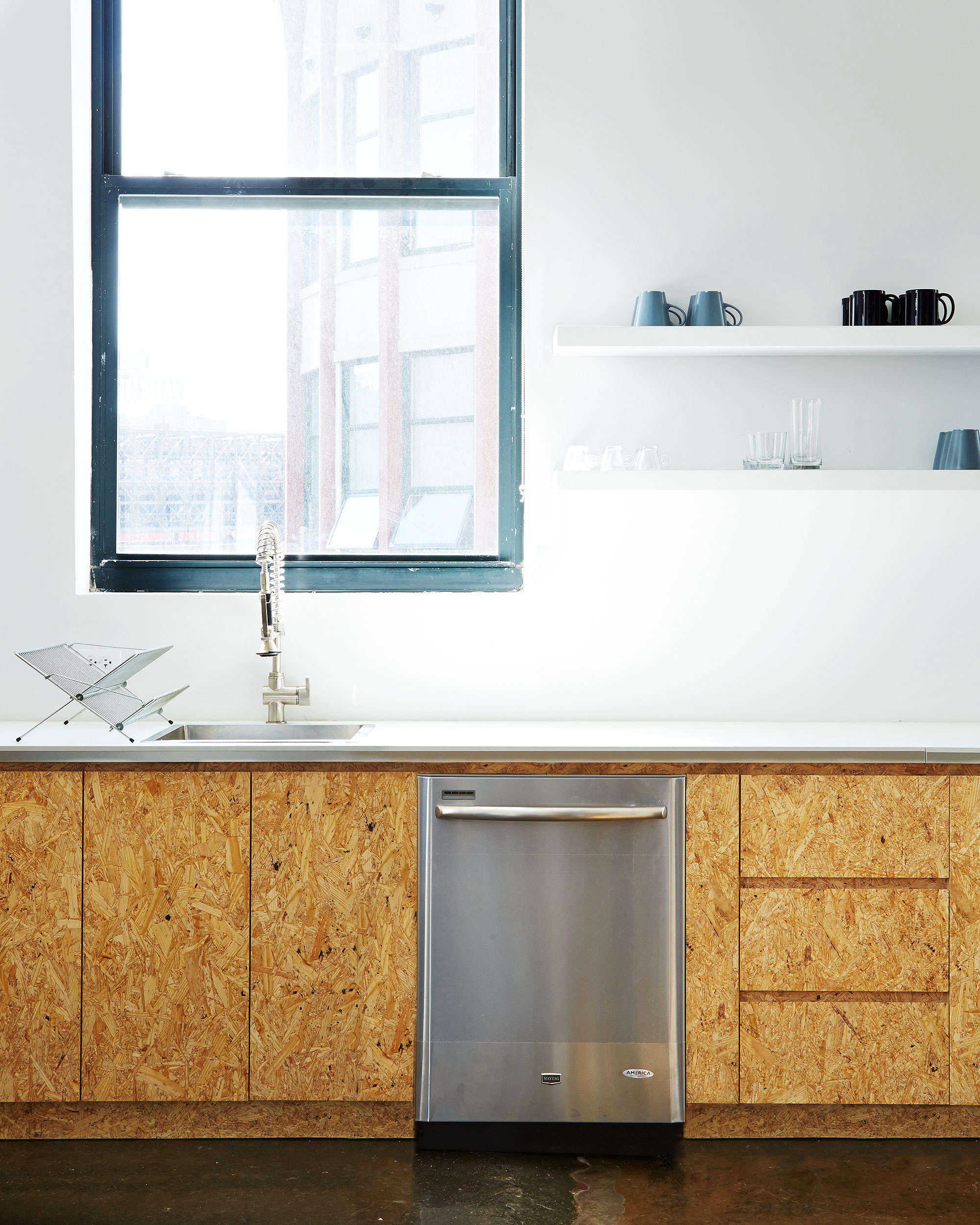
The stylish chipboard kitchen is not trying to impersonate a walnut-paneled estate kitchen. That would be like wearing a tuxedo to mow the lawn: possible, but deeply suspicious. Instead, the best chipboard kitchens lean into simplicity. They use flat cabinet fronts, exposed edges, pale paint, black-and-white contrast, durable counters, open shelving, and smart lighting to create a look that feels fresh, architectural, and pleasantly unpretentious.
Why Chipboard Belongs in the Budget Kitchen Conversation
Kitchen renovations can get expensive with alarming speed. Cabinets, counters, appliances, labor, plumbing, electrical work, flooring, and backsplashes all line up like guests at a very greedy buffet. That is why cabinet material matters. Choosing chipboard or particleboard where appropriate can reduce costs while still delivering a clean, functional kitchen, especially when the project is a studio kitchen, office kitchen, rental kitchen, starter-home refresh, accessory dwelling unit, pantry zone, or compact urban apartment.
The appeal is straightforward: chipboard is uniform, affordable, and compatible with many finishes. It works especially well in slab-style cabinet doors and frameless cabinetry, where the design language is flat, crisp, and modern. Paired with white walls, black accents, stainless fixtures, concrete floors, butcher-block counters, or laminate worktops, it can look deliberately minimal rather than “we ran out of money behind the backsplash.”
Modern kitchen design has also become friendlier to honest materials. Homeowners and designers are increasingly mixing warm woods, painted cabinets, open shelves, matte finishes, and natural textures instead of insisting that every surface look expensive enough to require its own security guard. Chipboard fits this movement because it is visually quiet and highly adaptable. It can disappear under laminate, show off its raw texture, or act as a background for better hardware, lighting, and organization.
Chipboard vs. Plywood vs. MDF: Know the Players
Before praising chipboard too loudly, it helps to understand what it isand what it is not. Plywood is made from layers of wood veneer glued in alternating directions, which gives it excellent strength and better screw-holding ability. MDF, or medium-density fiberboard, is made from fine wood fibers and resin, producing a smoother surface that is great for painted cabinet doors. Chipboard or particleboard is made from larger wood particles, chips, and resin. It is usually the most economical of the three.
Where chipboard shines
Chipboard shines in controlled, dry areas where it is protected by melamine, laminate, edge banding, veneer, or paint. It is good for budget cabinet boxes, shelving, office kitchens, floating storage, utility rooms, and minimalist cabinet fronts. It is stable in shape when properly sealed and supported. Because it has no natural grain pattern, it works well with clean, flat, contemporary designs.
Where chipboard needs supervision
Chipboard is not fond of water. Actually, that is too polite. Unsealed chipboard reacts to water the way a cat reacts to a surprise bath. If moisture reaches the core, the board can swell, crumble, or lose strength. This does not mean chipboard cannot be used in kitchens, but it does mean edges, seams, sink areas, dishwasher zones, and floor-level cabinets need careful sealing and protection.
When plywood is worth the upgrade
If the kitchen will take heavy daily abuse, support stone counters, hold oversized cookware, or serve as a long-term “forever kitchen,” plywood cabinet boxes may be worth the extra money. Plywood is generally more moisture-resistant and stronger around screws and hinges. A smart economical kitchen may use chipboard strategically, then upgrade to plywood near the sink base, dishwasher, or any area likely to face steam, drips, or enthusiastic spaghetti accidents.
The Design Secret: Make Economical Look Intentional
A budget kitchen looks cheap when every choice feels accidental. It looks stylish when every choice feels deliberate. That is the whole magic trick behind the chipboard kitchen. The material may be inexpensive, but the design cannot be lazy. The layout, proportions, finishes, hardware, and lighting must all work together.
Flat cabinet fronts are a natural match for chipboard because they create a simple modern face. Instead of adding ornate trim that tries to disguise the material, slab doors say, “Yes, we are simple, and we brought snacks.” This is especially effective in small kitchens, where too many details can make the room feel cluttered.
Open shelving can also work beautifully with chipboard, especially when shelves are thick, neatly edged, and installed with sturdy brackets or hidden supports. Open shelves break up the mass of cabinets, reduce cost, and make everyday dishes easy to grab. The key is restraint. Open shelving looks stylish when it holds bowls, glasses, jars, plants, and a small stack of cookbooks. It looks less stylish when it becomes a public museum of mismatched mugs from conference swag bags.
Color Palette: Keep It Crisp, Warm, or Industrial
The best chipboard kitchens usually choose one of three color directions: crisp and graphic, warm and natural, or industrial and raw.
Black, white, and wood
A black-and-white palette gives chipboard instant discipline. White walls and light counters keep the room bright, while black hardware, stools, lighting, or shelving brackets add contrast. If exposed chipboard edges are part of the look, the warm flecks of wood particles soften the graphic palette and keep it from feeling sterile.
Warm neutrals
Warm neutrals such as oatmeal, cream, mushroom, pale taupe, and soft gray-beige are excellent for economical kitchens because they make simple materials look calm and curated. These tones work well with wood particles, laminate counters, stainless steel, and matte black fixtures. They also age more gracefully than ultra-trendy colors that may feel tired before the toaster dies.
Industrial rawness
Chipboard can look surprisingly chic in an industrial setting. Concrete floors, exposed pipes, metal shelving, commercial-style stools, stainless steel sinks, and white paint create a studio-like feeling. This approach is especially strong for office kitchens, creative workspaces, lofts, and compact apartments.
Countertops: Spend Smart, Not Loud
In an economical kitchen, the countertop has to work hard. It is the surface that takes coffee spills, hot pans, chopping boards, grocery bags, homework, laptops, and the occasional emotional support cookie. Laminate countertops are often the practical choice because they are affordable, available in many finishes, and easier to install than stone. Modern laminate can mimic wood, concrete, marble, or solid color surfaces without requiring a second mortgage or a dramatic family meeting.
Butcher block is another strong choice if the kitchen needs warmth. It pairs nicely with chipboard because both materials have an approachable, wood-based honesty. The drawback is maintenance: butcher block needs sealing and care around water. For sink runs, a high-pressure laminate or solid-surface material may be more forgiving.
Quartz, stone, and premium solid surfaces can still appear in a chipboard kitchen, but they should be used strategically. A small slab on an island or a compact counter run may elevate the whole room. However, putting a very heavy, luxury countertop over weak or poorly built cabinet boxes is like putting a crown on a folding chair. Reinforcement matters.
Hardware: The Jewelry That Saves the Outfit
Cabinet hardware can transform a budget kitchen faster than almost any other detail. Simple bar pulls, round knobs, cutout handles, or matte black latches can make chipboard cabinets feel intentional. The trick is consistency. Cheap cabinets with excellent hardware often look better than expensive cabinets with random hardware chosen during a five-minute panic scroll.
For a minimalist chipboard kitchen, consider slim black pulls, brushed stainless steel handles, or integrated finger pulls. For a warmer look, try wood knobs or leather pulls. For an industrial kitchen, exposed metal brackets and utilitarian handles can look right at home. Hardware should feel comfortable in the hand, not just photogenic from twelve feet away. A beautiful pull that pinches your fingers is not design; it is a tiny daily betrayal.
Lighting: The Budget Renovator’s Secret Weapon
Good lighting can make economical materials look polished. Bad lighting can make even expensive materials look like they are being interrogated in a basement. In a chipboard kitchen, layered lighting is essential. Use overhead lighting for general brightness, under-cabinet lighting for task areas, and a pendant or wall sconce for character.
LED lighting is especially useful because it is energy-efficient, long-lasting, and available in slim forms that fit under shelves or cabinets. Warm white light usually works better than cold blue light in a kitchen with wood-based materials. The goal is to make the chipboard look warm and textured, not like it is waiting for medical test results.
Under-shelf LED strips can make open shelving feel custom. A small pendant over a dining ledge or prep counter can give the room a focal point. Even a budget kitchen deserves lighting that flatters dinner, dishes, and the person eating cereal at 11:42 p.m. while pretending it is a balanced meal.
Storage: Spend Where Your Daily Life Actually Happens
An economical kitchen should not save money by making storage miserable. In fact, smart storage is where chipboard cabinetry can excel. Because the material is affordable, you may be able to build more full-height storage, pantry cabinets, open shelves, or custom cubbies than you could with pricier materials.
Prioritize deep drawers for pots and pans, vertical dividers for baking sheets, pull-out trash storage, adjustable shelves, and a designated coffee or breakfast zone. These features improve daily function more than a fancy finish hidden behind clutter. A beautiful kitchen that cannot store a frying pan is just a showroom with plumbing.
Small kitchens benefit from a mix of closed and open storage. Closed cabinets hide the chaotic truth of life: plastic containers without lids, mystery chargers, and that one festive serving bowl shaped like a pumpkin. Open shelves keep frequently used items visible and accessible. The balance should match how tidy the household actually is, not how tidy everyone imagines they might become after the remodel.
Moisture Protection: The Non-Negotiable Part
If chipboard has one natural enemy, it is water. Therefore, a stylish chipboard kitchen must be designed like it knows water exists. All exposed edges should be sealed or edge-banded. Sink cabinets should receive extra protection. Silicone should be used carefully at seams where counters meet walls and sinks. The dishwasher area should be monitored for steam and leaks. Toe kicks should be durable and easy to remove if inspection is needed.
For rental properties, office kitchens, or busy family kitchens, consider using more water-resistant materials in the most vulnerable zones. A plywood sink base, waterproof cabinet mat, metal drip tray, or moisture-resistant panel can save the rest of the budget cabinetry from disaster. Chipboard can be economical, but replacing swollen cabinet boxes is not anyone’s idea of a glamorous Saturday.
Health and Compliance: Look for Safer Composite Wood Products
Because chipboard is a composite wood product, buyers should pay attention to emissions standards. In the U.S., composite wood products such as particleboard, MDF, and hardwood plywood must meet formaldehyde emission requirements under federal rules. For homeowners, the practical takeaway is simple: choose reputable suppliers, look for compliant labeling, and avoid mystery panels with no documentation, especially for indoor cabinetry.
Low-cost does not have to mean questionable. Many mainstream kitchen systems use engineered wood cores with melamine or laminate surfaces, and reputable manufacturers publish material and care information. If you are building custom cabinets, ask the fabricator what board they are using, how the edges will be sealed, and whether the product meets current indoor-use standards.
How to Style a Chipboard Kitchen Without Overdecorating
The best styling strategy is to keep the kitchen practical and edited. A chipboard kitchen looks strongest when it has breathing room. Use a few good objects: white dishes, glass jars, cutting boards, a ceramic pitcher, a plant, maybe one art print. Avoid filling every inch with decorative objects that scream, “I was purchased in a panic because the shelf looked lonely.”
Texture matters more than quantity. Combine matte cabinet fronts with glossy tile, raw wood with stainless steel, smooth laminate with woven baskets, and simple white paint with black details. A small rug can soften the floor, but choose one that is washable. Kitchens are not gentle environments. They are where olive oil learns to fly.
Best Places to Use Chipboard in a Kitchen
Chipboard is best used where it can stay dry, supported, and protected. Excellent uses include upper cabinets, pantry shelves, slab door fronts, side panels, appliance garages, open office-kitchen storage, and budget-friendly islands with proper reinforcement. It is also useful for temporary kitchens, creative studios, secondary kitchens, basement snack bars, and small-space remodels where cost control matters.
Use caution in sink bases, dishwasher-adjacent cabinets, floor-level areas prone to mopping water, and locations near exterior doors where humidity may fluctuate. These areas either need careful sealing or a better material. A mixed-material kitchen is often the smartest kitchen: chipboard where it makes sense, plywood where it matters, laminate where durability is needed, and a little design confidence everywhere.
Real-World Example: The Office Kitchen That Acts Like a Studio
The chipboard kitchen is especially compelling in an office or studio setting. Imagine a creative workspace where the kitchen is visible from desks, meeting tables, and entry areas. A traditional suburban cabinet style might feel too domestic, while a luxury kitchen might feel excessive. Chipboard hits the right note: casual, modern, useful, and visually interesting.
In this kind of kitchen, cabinets can become part storage, part architectural installation. A long chipboard counter wall can hold dishes, coffee supplies, snacks, and cleaning gear. Open shelving can display everyday items without fuss. A white wall and simple countertop keep the room bright. Industrial stools or a compact table allow the kitchen to double as a break area. The result is economical but not apologetic.
This is where chipboard earns its style badge. It does not pretend to be luxury. It behaves like a hardworking material with a good haircut.
Budget Strategy: Where to Save and Where to Spend
A stylish economical kitchen works because the budget is controlled, not randomly squeezed. Save on cabinet core materials, simple slab doors, open shelving, laminate counters, standard appliances, and ready-made cabinet systems. Spend on installation accuracy, moisture protection, hinges, drawer slides, lighting, faucet quality, sink quality, and countertop seams.
Bad installation can ruin good materials. Great installation can make modest materials sing. Level cabinets, aligned doors, consistent reveals, smooth caulk lines, and clean edge banding are the details that separate “budget chic” from “landlord special with ambition.”
Common Mistakes to Avoid
Ignoring edges
Raw chipboard edges are vulnerable and can look unfinished unless that is the deliberate design. Seal, band, paint, or detail them properly.
Using chipboard everywhere
Economical does not mean one material must solve every problem. Use chipboard strategically and upgrade moisture-prone zones.
Choosing weak hardware
Cheap hinges and drawer slides can make cabinets feel flimsy even if the boxes are fine. Hardware is a daily touchpoint. Do not punish yourself.
Forgetting lighting
Without good lighting, raw and economical materials can look dull. With good lighting, they look intentional and warm.
Overstyling open shelves
Open shelves should support real life. If you need a ladder, a label maker, and emotional courage to use them, something has gone wrong.
Extra Experience: Living With and Working Around a Chipboard Kitchen
The first experience many people have with chipboard is not glamorous. It is often inside a flat-pack cabinet, under a laminate desk, or behind a shelf that has survived three apartments and one suspiciously damp basement. But living with a chipboard kitchen teaches a useful design lesson: materials are only as good as the way they are planned, protected, and maintained.
In a real kitchen, the difference between success and regret often comes down to habits. Wipe spills quickly. Do not let water sit around the sink. Use trays under cleaning products. Check under the sink every few weeks for slow leaks. Avoid slamming doors. Tighten loose screws before they enlarge the holes. Use cutting boards instead of treating the countertop like a lumberyard. These habits sound small, but they can add years to budget cabinetry.
One practical experience with chipboard kitchens is that the material rewards neat design. Because chipboard is simple, the eye notices alignment. Uneven gaps between doors, poorly cut panels, and messy caulk lines stand out. That means measuring matters. A careful DIYer should spend more time planning than cutting. Dry-fit pieces before attaching them. Mark plumbing carefully. Use sharp blades to reduce chipping. Pre-drill holes for screws. Add washers where needed. When in doubt, support long shelves with brackets or vertical dividers so they do not sag over time.
Another lesson is that chipboard works best when it is not overloaded with fantasy. A chipboard kitchen is not the place to fake palace millwork. It is the place to embrace clean geometry, practical storage, and charming restraint. A row of plain cabinets with excellent pulls can look better than a complicated design full of trims, panels, and decorative details that do not suit the material. Let chipboard be modern. Let it be simple. Let it be the friend who shows up with pizza and a power drill.
For renters or first-time homeowners, chipboard cabinetry can also be a design laboratory. Because it is affordable, people are less afraid to experiment. You can test open shelving, paint colors, peel-and-stick backsplash panels, new hardware, under-cabinet lights, or a compact dining ledge without feeling like every decision must last until retirement. That freedom has value. Not every kitchen has to be eternal. Some kitchens simply need to work well, look good, and help you make breakfast without financial despair.
Office kitchens and studio kitchens are especially good settings for chipboard because they need durability, storage, and style without the emotional intensity of a family kitchen remodel. A chipboard kitchenette can include a sink, coffee station, under-counter refrigerator, microwave shelf, recycling area, and long counter for snacks or casual meetings. Add stools and suddenly the kitchen becomes the social magnet of the workspace. People may claim they are gathering for “collaboration,” but we all know the real reason is coffee.
The biggest experience-based recommendation is to spend money on the invisible details. Seal the sink cutout. Use proper fasteners. Add edge banding. Install a waterproof mat under the sink. Choose hinges that can be adjusted. Add bumpers to doors. Protect the toe kick. Good maintenance is not glamorous, but neither is watching a cabinet swell because someone ignored a slow drip for six months.
Finally, remember that economical design is not a lesser version of expensive design. It is its own discipline. It asks sharper questions: What do we really need? Which surfaces take abuse? Which details will be touched every day? Where can a simple material become beautiful through proportion and care? A chipboard kitchen answers those questions with quiet confidence. It may not arrive wearing marble shoes, but it can still walk into the room looking stylish.
Conclusion: The Beauty of Spending Less, Thinking More
“Kitchen of the Week: The Stylishly Economical Kitchen, Chipboard Edition” is more than a catchy title. It is a design philosophy. A chipboard kitchen proves that style does not have to be expensive, precious, or overly polished. With careful planning, sealed edges, thoughtful lighting, strong hardware, and a restrained palette, chipboard can become the foundation of a kitchen that feels smart, modern, and genuinely livable.
The secret is not pretending chipboard is something else. The secret is respecting what it can do. Use it where it performs well. Protect it where it is vulnerable. Pair it with durable counters, honest finishes, and storage that supports real life. The result is a kitchen with personality, purpose, and a budget that still leaves room for groceries. In remodeling terms, that is not just economical. That is stylishly economical.