Birth control pills are excellent at preventing pregnancy, but they are also surprisingly talented at hiding clues. When perimenopause begins, the pill may smooth out irregular bleeding, reduce hot flashes, and keep hormone-related mood swings on a shorter leash. As a result, you can be moving through the menopause transition while your monthly routine continues to look suspiciously organized.
That does not mean menopause symptoms disappear completely. Hot flashes may break through, sleep can become unreliable, vaginal dryness may appear, and your brain may temporarily misplace the name of the person you have worked with for six years. The challenge is determining whether these changes come from perimenopause, the birth control pill, another health condition, or an unhelpful combination of all three.
Sources:
Can menopause happen while you are taking birth control pills?
Yes. Birth control pills do not postpone menopause or prevent the ovaries from aging. Menopause occurs when ovarian activity has declined to the point that natural menstrual periods have stopped permanently. The years of changing ovarian function before that point are called perimenopause.
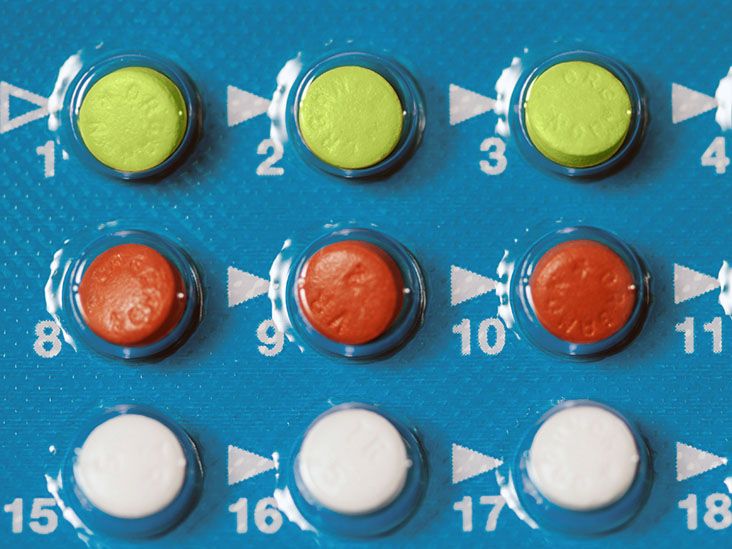
The complication is that hormonal contraception changes your bleeding pattern. Combination pills contain estrogen and a progestin, while progestin-only pills contain no estrogen. Both types can affect bleeding, although they do so differently.
When you take a traditional combination pill, the bleeding that occurs during the inactive-pill week is usually withdrawal bleeding. It happens because hormone levels drop temporarily. It is not reliable proof that you are still ovulating, and its absence does not automatically prove that menopause has arrived.
Progestin-only pills commonly cause irregular spotting, lighter bleeding, unpredictable bleeding, or no bleeding. That makes the calendar an even less reliable detective.
Sources:
Why birth control pills can mask menopause symptoms
During perimenopause, natural estrogen and progesterone levels rise and fall unevenly. These fluctuations contribute to irregular periods, heavy bleeding, hot flashes, headaches, mood changes, and sleep problems.
Birth control pills provide a more predictable dose of synthetic hormones. For many people, this steadier hormonal pattern reduces menstrual chaos and softens vasomotor symptoms such as hot flashes and night sweats. Low-dose pills are sometimes prescribed during perimenopause specifically because they can control bleeding, provide contraception, and relieve symptoms.
However, the pill does not affect every symptom equally. Symptoms may emerge gradually, appear during the inactive-pill days, or become noticeable when a pill is missed. Some symptoms also develop despite consistent pill use.
Sources:
Common menopause symptoms while on birth control pills
1. Hot flashes and night sweats
A hot flash is a sudden wave of heat, often affecting the face, neck, and upper chest. It may bring flushing, sweating, chills, or a racing heartbeat. Night sweats are hot flashes that occur during sleep and may turn your pajamas into an unofficial swimming costume.
Combination pills often reduce these symptoms, but they may still occur. Some people notice them most during the placebo or inactive-pill week, when the estrogen dose drops. Others experience them when the current pill is no longer strong enough to control increasingly noticeable perimenopausal symptoms.
2. Changes in sleep
Sleep problems may include difficulty falling asleep, waking repeatedly, waking too early, or feeling tired despite spending enough time in bed. Night sweats may be responsible, but hormonal changes can also affect sleep independently.
Because insomnia has many possible causes, consider other factors such as stress, alcohol, caffeine, sleep apnea, restless legs, medication changes, anxiety, or thyroid disease. Menopause is a possibility, not a universal explanation for every 3 a.m. ceiling-inspection session.
3. Mood swings, anxiety, or low mood
Perimenopausal mood changes can resemble premenstrual symptoms but may appear without a predictable monthly pattern. You might feel more irritable, tearful, anxious, emotionally sensitive, or mentally exhausted. Some people also develop depression for the first time or experience a recurrence of a previous mood disorder.
Birth control pills can improve mood for some users and worsen it for others. Timing provides useful clues. Symptoms that started shortly after beginning or changing a pill may be medication-related. Symptoms that gradually developed after years on the same pill may be more consistent with the menopause transition, although this is not a diagnostic rule.
4. Brain fog and difficulty concentrating
Brain fog may feel like forgetfulness, slower word retrieval, reduced concentration, or difficulty switching between tasks. You may walk into a room and immediately forget why, which is annoying but not unusual during midlife.
Poor sleep, stress, depression, medication effects, thyroid disorders, anemia, and vitamin deficiencies can cause similar problems. New, severe, or rapidly worsening cognitive symptoms deserve medical evaluation rather than being automatically filed under “probably hormones.”
Sources:
5. Vaginal dryness or discomfort during sex
Declining estrogen can make vaginal and vulvar tissues thinner, drier, and more easily irritated. Possible symptoms include:
- Dryness, itching, or burning
- Pain during penetration
- Light bleeding after sex
- Reduced natural lubrication
- Vulvar sensitivity to soaps, wipes, or tight clothing
These symptoms are part of what clinicians call the genitourinary syndrome of menopause. They can occur even when other menopause symptoms are being controlled by birth control pills.
6. Urinary symptoms
Hormonal changes can affect tissues around the urethra and bladder. You may notice urinary urgency, more frequent urination, burning, leakage, or repeated urinary tract infections.
Burning and urgency can also indicate an active infection, so do not assume that every bladder complaint is hormonal. A urine test may be needed, particularly when symptoms appear suddenly or include fever, pelvic pain, back pain, or blood in the urine.
7. Changes in sexual desire
Libido can increase, decrease, or fluctuate during perimenopause. Lower desire may be related to vaginal discomfort, poor sleep, stress, relationship factors, medication use, mood changes, or changing hormone levels.
Birth control pills may also affect sexual desire in some users. Rather than focusing on a single hormone level, clinicians usually consider the complete picture, including comfort, arousal, relationships, mental health, and other medications.
Sources:
8. Headaches or changing migraine patterns
Hormone fluctuations can trigger headaches and migraines. Some people notice headaches during inactive-pill days because of the temporary drop in estrogen. Others develop a new pattern of migraines during perimenopause.
A new migraine with aura is particularly important to report. Aura can involve flashing lights, blind spots, zigzag lines, numbness, or speech changes. Estrogen-containing contraception is generally not considered appropriate for people with migraine with aura because of stroke risk.
9. Fatigue and lower energy
Fatigue may result from night sweats, insomnia, heavy bleeding, mood changes, or the overall hormonal turbulence of perimenopause. It can also be associated with anemia, thyroid disease, diabetes, depression, infections, or medication side effects.
Persistent fatigue should not be dismissed as a mandatory membership fee for being over 40. A clinician may recommend reviewing your sleep, bleeding pattern, medications, diet, mental health, and laboratory results.
10. Joint aches and body discomfort
Some people report new stiffness, muscle soreness, or joint aches during the menopause transition. These symptoms may be more noticeable in the morning or after inactivity.
Because arthritis, autoimmune conditions, injuries, thyroid disorders, and medication effects can produce similar symptoms, ongoing or localized pain should be evaluated on its own merits.
What happens to periods during menopause when you are on the pill?
Without hormonal contraception, menstrual changes are often among the earliest signs of perimenopause. Periods may become shorter, longer, heavier, lighter, closer together, or farther apart.
On combination pills, however, bleeding may remain regular because the pill controls the schedule. Some users have predictable withdrawal bleeding every month, while continuous or extended-cycle users may rarely bleed at all.
With a progestin-only pill, spotting or absent bleeding can occur because of the medication, regardless of menopausal status. Therefore, you usually cannot identify menopause simply by watching your period while taking hormonal birth control.
Bleeding that should be checked
Contact a healthcare professional about bleeding that is new, persistent, unusually heavy, occurs after sex, or appears after you have already been confirmed as postmenopausal. You should also seek care if bleeding lasts longer than seven days or requires changing a pad or tampon every one to two hours.
Potential causes include pill-related breakthrough bleeding, fibroids, polyps, pregnancy, infection, thyroid disease, changes in the uterine lining, and less commonly, cancer. Perimenopause is common, but it should not receive automatic blame for every bleeding change.
Sources:
Menopause symptom or birth control side effect?
The overlap is substantial. Common birth control pill side effects can include spotting, nausea, breast tenderness, bloating, headaches, fatigue, sleep changes, and mood changes. Menopause can also produce headaches, sleep disruption, low energy, mood symptoms, and body changes.
| Symptom | More suggestive of perimenopause | More suggestive of the pill |
|---|---|---|
| Hot flashes | New heat episodes, night sweats, or symptoms during inactive pills | Less commonly caused by the active combination pill itself |
| Vaginal dryness | Gradual dryness, irritation, painful sex, or urinary symptoms | May occasionally be influenced by the pill or other medications |
| Nausea | Not a classic menopause symptom | More likely after starting or changing pills |
| Breast tenderness | Can fluctuate during perimenopause | Common after beginning a new hormonal formulation |
| Irregular spotting | Possible during the menopause transition | Common with missed pills, continuous dosing, or progestin-only pills |
| Mood changes | May gradually emerge with sleep problems and hot flashes | May begin soon after starting or switching a formulation |
No single symptom can reliably settle the question. A symptom diary is often more useful than trying to interpret one rough Tuesday. Record when symptoms occur, whether they cluster during inactive pills, whether any doses were missed, and how they affect your daily life.
Sources:
How is menopause diagnosed while you are taking birth control pills?
Menopause is normally identified after 12 consecutive months without a natural menstrual period. Hormonal birth control makes that definition difficult to apply because it can create scheduled withdrawal bleeding or stop bleeding altogether.
Are FSH tests reliable while taking the pill?
Not usually. Combination birth control pills suppress follicle-stimulating hormone, commonly called FSH. Natural hormone levels also fluctuate widely during perimenopause, so one test may provide a misleading snapshot.
Over-the-counter menopause tests measure FSH in urine, but they cannot reliably tell whether you have permanently stopped ovulating or no longer need contraception.
Depending on your age, medical history, symptoms, and contraceptive method, your clinician may recommend continuing contraception, switching to a different method, or arranging carefully timed testing. Do not stop the pill simply to perform a home test without discussing pregnancy prevention and symptom management first.
Sources:
Could you still become pregnant?
Yes. Fertility declines during perimenopause, but occasional ovulation can continue. Missing several periods does not guarantee that pregnancy is impossible, particularly when the bleeding pattern is being altered by contraception.
Continue using effective contraception until a qualified healthcare professional confirms that it is safe to stop. Menopausal hormone therapy is not a contraceptive and should not be treated as one.
Sources:
Is it safe to keep taking birth control pills during perimenopause?
Many healthy people can use hormonal contraception during perimenopause, but safety should be reassessed as age and health risks change. A pill that was a good fit at 32 may not remain the best choice at 48.
Estrogen-containing combination pills may not be appropriate for people with certain conditions, including:
- Smoking at age 35 or older
- Migraine with aura
- Uncontrolled high blood pressure
- A personal history of blood clots, stroke, or heart attack
- Certain cardiovascular, liver, or clotting disorders
- Current or previous hormone-sensitive cancers in some circumstances
- Multiple cardiovascular risk factors
Progestin-only contraception may be suitable for some people who cannot take estrogen, but it also requires individualized review. Blood pressure, migraine history, smoking, medications, family history, and personal clotting risks should all be considered.
Sources:
When should you seek urgent medical help?
Some serious birth control complications can resemble ordinary discomfort at first. Seek emergency care for:
- Sudden chest pain, coughing, or difficulty breathing
- Severe pain, swelling, warmth, or discoloration in one leg
- A sudden severe or unusual headache
- New difficulty speaking, confusion, weakness, or numbness
- Sudden blurred vision, vision loss, or other major visual changes
- Fainting, severe dizziness, or loss of coordination
These are not routine menopause symptoms. They may indicate a blood clot, stroke, heart problem, or another medical emergency.
Sources:
What to do when you suspect perimenopause
- Track symptoms for several weeks. Note hot flashes, sleep, mood, headaches, vaginal symptoms, bleeding, and where you are in the pill pack.
- Review your exact pill. Bring the brand name, dose, and schedule to your appointment. “The little pink one” makes pharmaceutical investigation unnecessarily adventurous.
- Check your blood pressure. Regular monitoring is especially important with estrogen-containing pills.
- Discuss other possible causes. Pregnancy, anemia, thyroid disease, depression, sleep apnea, medication effects, and infections may need consideration.
- Do not stop contraception without a plan. Ask how to prevent pregnancy during any medication change or diagnostic evaluation.
- Discuss symptom-specific treatment. Options may include changing contraception, treating vaginal dryness locally, addressing sleep, using nonhormonal therapies, or eventually transitioning to menopausal hormone therapy when appropriate.
Experiences of noticing menopause symptoms while taking the pill
The following are fictional composite experiences based on commonly reported symptom patterns. They are not individual patient histories and should not be used as personal medical advice.
The symptoms that appeared during inactive-pill week
At 46, “Dana” had taken the same combination pill for years. Her withdrawal bleeding remained predictable, so menopause was not on her radar. Then she began waking drenched in sweat during the inactive-pill week. By the third month, she noticed a pattern: symptoms began two days after her last active pill and improved shortly after starting the next pack.
She initially blamed her bedroom temperature, then her comforter, and finally her spouse, who had committed the serious offense of sleeping peacefully. A symptom diary showed that the timing followed her pill schedule. Her clinician explained that the temporary hormone drop could allow vasomotor symptoms to break through. They reviewed her blood pressure, migraine history, smoking status, and overall cardiovascular risk before discussing alternative dosing and other treatment options.
Regular bleeding but increasingly irregular sleep
“Monica,” 49, assumed that monthly withdrawal bleeding meant she could not be near menopause. Her periods still arrived on schedule, but her sleep had deteriorated. She woke several times a night, struggled to concentrate at work, and became unusually irritable by late afternoon.
Because she did not have dramatic hot flashes, she wondered whether the symptoms were simply stress. Her healthcare professional explained that sleep disturbance and mood changes can occur during perimenopause even when birth control pills conceal menstrual changes. Testing also found mild iron deficiency associated with intermittent breakthrough bleeding. Her treatment plan addressed both issues instead of assigning everything to hormones.
Dryness that the pill did not prevent
At 51, “Renee” had few hot flashes while taking a low-dose pill, but she developed vaginal dryness, burning after sex, and occasional urinary urgency. She assumed the pill’s estrogen should prevent vaginal symptoms and delayed bringing them up because she felt embarrassed.
Her clinician evaluated her for infection and discussed genitourinary changes associated with menopause. The conversation included moisturizers, lubricants, prescription options, and whether her contraceptive method remained appropriate. Renee’s main surprise was not the diagnosis; it was learning how common the symptoms were and how many treatment choices existed.
When a new headache changed the plan
“Ashley,” 44, had occasional headaches before starting the pill, but she later developed flashing zigzag lines followed by a severe headache. She thought the visual disturbance was another strange menopause symptom. Her clinician recognized it as possible migraine with aura and promptly reassessed her estrogen-containing contraception.
The lesson was important: midlife symptoms should not automatically be labeled perimenopause. New neurological symptoms, severe headaches, chest pain, breathing difficulty, or one-sided leg swelling require timely medical attention. Sometimes the most useful question is not “Is this menopause?” but “Could this be something that should not wait?”
The common thread
These experiences illustrate why context matters. Birth control pills may conceal menstrual clues, reduce certain symptoms, produce side effects that resemble menopause, and complicate hormone testing. Patterns, timing, medical history, and risk factors are often more informative than one isolated symptom.
Keeping a simple record can make an appointment far more productive. Note the symptom, its severity, the day of the pill pack, missed doses, bleeding, sleep quality, and anything that improves or worsens it. You do not need a color-coded spreadsheet with pivot tables, although enthusiastic organizers are welcome to enjoy themselves.
Conclusion
Menopause symptoms can begin while you are taking birth control pills, but the pill may make them harder to recognize. Hot flashes, night sweats, sleep disruption, mood changes, brain fog, vaginal dryness, urinary symptoms, changing libido, headaches, fatigue, and joint discomfort can still occur. Menstrual bleeding is less helpful because hormonal contraception can create scheduled bleeding, irregular spotting, or no bleeding at all.
Because pill side effects and menopause symptoms overlap, diagnosis should consider timing, age, medical history, pill type, cardiovascular risk, and other possible health conditions. FSH testing is often unreliable while taking combination pills, and contraception should not be stopped without a safe plan.
Medical note: This article provides general educational information and does not diagnose menopause or recommend a particular contraceptive. Consult a qualified healthcare professional before starting, stopping, or changing birth control, especially if you have migraines, smoke, have high blood pressure, or have a history of blood clots, stroke, cancer, or cardiovascular disease.