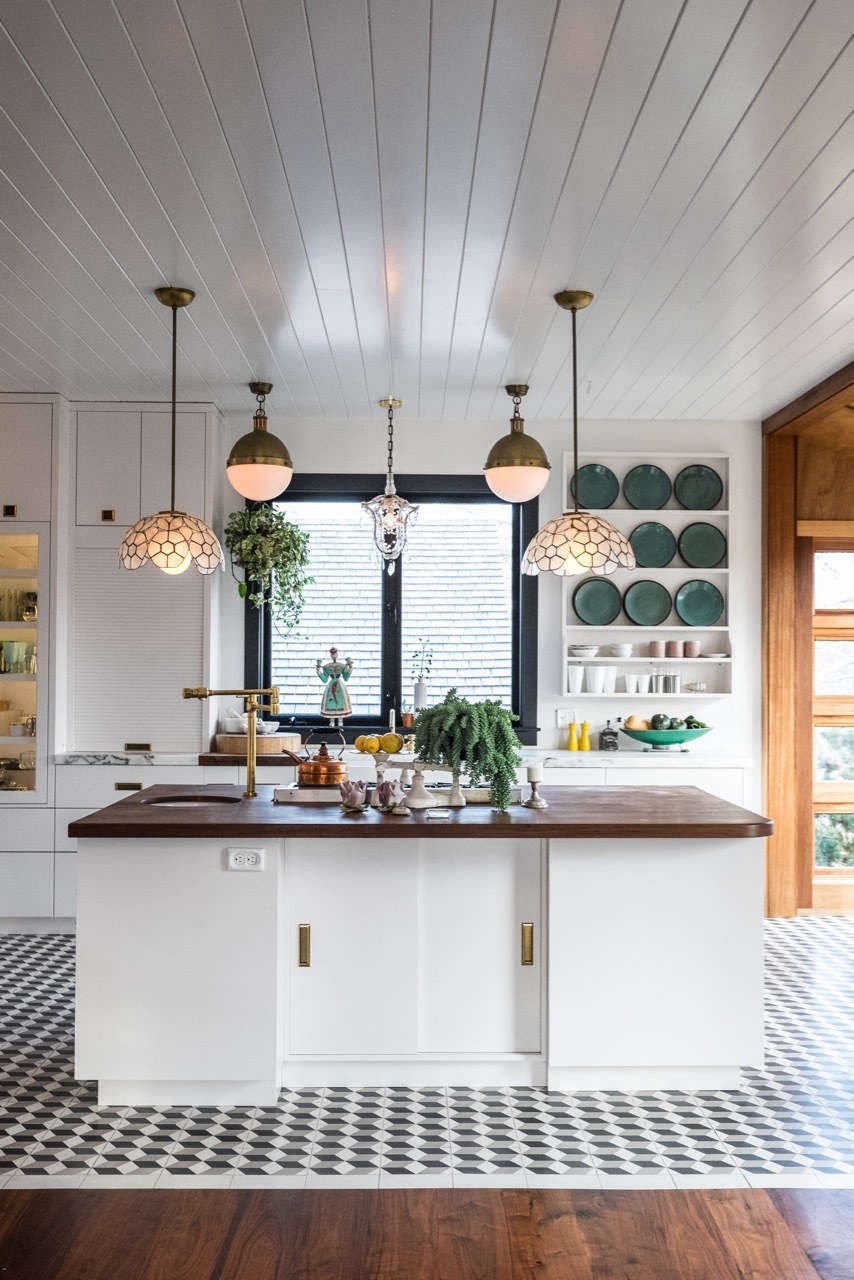
Montauk has never been a place for delicate houses with fragile personalities. At the eastern tip of Long Island, where the Atlantic meets Block Island Sound, homes must deal with salt air, serious wind, sandy shoes, summer guests, winter quiet, and the occasional fisherman who walks in carrying the day’s catch like a trophy. That is why the idea of a Montauk Homestead feels so right: it is not simply a pretty beach house. It is a home built for real life at “The End.”
The Montauk Homestead that inspired this article was submitted to Remodelista by Tracy Stoloff as a year-round home in Montauk, New York. Built from the ground up with local talent, the project was described as a house for all seasons, shaped by functionality, treasure hunting, and the everyday needs of a husband-and-wife team: a commercial fisherman and a baker. In other words, this is not the sort of house where the kitchen is decorative and the mudroom is theoretical. This is a home where flour, fish, boots, dogs, wet jackets, surfboards, market baskets, and family life all need a place to land.
To understand why a Montauk homestead matters, you have to understand Montauk itself. This hamlet is not just a summer postcard with lobster rolls and sunset selfies. It is layered with Indigenous history, colonial grazing lands, fishing culture, military remnants, Gilded Age architecture, modernist experiments, and rugged coastal scenery. A good Montauk home has to do more than look coastal. It has to listen to the place.
What Is a Montauk Homestead?
A Montauk homestead is best understood as a home that blends coastal durability, working-house practicality, and relaxed East End character. It borrows from farmhouse logic, beach-cottage comfort, and the long tradition of Montauk homes that were built to withstand weather instead of merely pose for magazines. The result is a space that feels collected rather than staged.
In the Remodelista project, the home’s personality comes from contrast. It was built new, yet it carries the soul of old things. It was designed with function in mind, yet it embraces beauty through texture, history, and personal objects. That balance is the secret sauce. A house can have shiplap, vintage stools, woven baskets, and weathered wood and still feel generic. A true Montauk Homestead feels specific. It tells you who lives there, what they do, and why the home needs to work hard.
The word “homestead” also suggests permanence. Montauk is famous for summer, but locals know the deeper rhythm of the year: foggy mornings, off-season storms, winter beaches, spring fishing, fall light, and summer crowds that appear like someone opened a tourist confetti cannon. A year-round homestead must be warm in February, breezy in August, and useful every day in between.
The Real Montauk Behind the Style
Montauk’s visual identity comes from its landscape first. At Montauk Point State Park, visitors see the Atlantic Ocean meet Block Island Sound, and on calm days the converging tides create a visible “race” offshore. Rocky shoreline, seals, trails, surf fishing, and open sky define the experience. A home here naturally responds with materials and layouts that respect weather, views, and movement between indoors and outdoors.
The Montauk Point Lighthouse is the town’s most famous symbol. Commissioned under President George Washington in 1792, it became the first lighthouse in New York State and remains one of the oldest active lighthouses in the United States. It is not just picturesque; it represents Montauk’s role in maritime navigation and coastal defense. For homeowners and designers, the lighthouse offers a lesson in endurance: build with purpose, build for the elements, and expect the sea to have opinions.
Montauk’s ranching history also shapes the homestead idea. Long before it became a vacation destination, Montauk served as seasonal pasture for cattle, sheep, and horses. The historic First House, Second House, and Third House were built for livestock keepers who managed animals grazing across the open land. Today, Second House Museum connects visitors to that practical, agricultural past, while Deep Hollow Ranch continues the area’s ranching legacy and is often promoted as the oldest working cattle ranch in the United States.
That history matters because it gives Montauk design a backbone. The best Montauk interiors are not precious. They have the attitude of a good pair of boots: handsome, useful, and better with a little wear.
Design Lessons from Montauk Homestead
1. Function Comes First, but It Should Not Wear Sweatpants
A working coastal home needs smart circulation. The kitchen should serve daily cooking, entertaining, preserving, baking, and the occasional emergency snack raid. Entry areas should handle sand, rain, fishing gear, and beach towels. Storage should be generous but not ugly. The Montauk Homestead approach proves that practical spaces can still have charm.
For example, a baker’s kitchen needs surfaces that can handle dough, flour, cooling racks, and early-morning production. A fisherman’s home needs durable finishes, washable floors, and places for gear that do not turn the living room into a bait-and-tackle annex. When design begins with real routines, the result feels effortless because the house is actually helping.
2. Use Collected Objects, Not Instant Character
The original project description mentions a lifetime of treasure hunting. That phrase is important. Real character usually comes from time: old tables, found art, inherited dishes, salvaged lighting, vintage textiles, handmade ceramics, and objects with a story. A room filled in one afternoon rarely has the same warmth as a room assembled over years.
In a Montauk Homestead, treasure hunting might mean a weathered bench from a local shop, a brass lamp from an estate sale, old fishing baskets, antique cutting boards, or a ceramic bowl that looks like it has already survived three generations and one clumsy uncle. The goal is not clutter. The goal is memory.
3. Let Materials Age Gracefully
Montauk is not kind to flimsy finishes. Salt air, sun, wind, and sand all speed up wear. That is not necessarily a problem. Cedar shingles, oiled wood, stone, plaster, linen, canvas, rattan, leather, and unlacquered metals can gain beauty as they age. In coastal architecture, patina is not a flaw; it is the house developing a local accent.
Modern Montauk design often leans into this relationship with the landscape. Architect John Pawson’s Montauk House, for example, uses a restrained material palette and forms that respond to dunes and topography. Meanwhile, other Montauk homes, including midcentury and shingled structures featured in design publications, show how the area supports both rustic and modern interpretations when the architecture respects the setting.
Montauk Architecture: From Shingle Style to Modern Coastal Living
Montauk’s architectural story is surprisingly rich. The Montauk Association Historic District, listed in the National Register of Historic Places, includes Shingle Style cottages designed by McKim, Mead & White within a site plan associated with Frederick Law Olmsted. These houses, often known as the “Seven Sisters,” show how architecture can sit within the landscape rather than dominate it.
That lesson remains useful for any Montauk Homestead. The best homes here do not shout over the dunes. They settle in. Rooflines, windows, decks, pathways, and plantings should respond to wind, views, privacy, and native vegetation. A home that tries too hard to look glamorous can feel out of place. A home that understands Montauk’s rough edges feels natural.
Carl Fisher’s 1920s vision also changed Montauk. After helping shape Miami Beach and major early automobile routes, Fisher bought thousands of acres in Montauk and imagined a grand resort destination. His projects included roads, infrastructure, housing, the Montauk Manor, recreational buildings, and harbor improvements. The dream was bold, maybe too bold, but it left a permanent mark on the hamlet.
Then there is Camp Hero, the former military site that now operates as a state park. Its World War II and Cold War history adds another layer to Montauk’s identity: mysterious, strategic, windswept, and slightly cinematic. Montauk is not a one-note beach town. It is a place where a lighthouse, ranch, resort dream, fishing dock, military radar tower, and modern beach house can all exist in the same conversation.
Inside the Ideal Montauk Homestead
The Kitchen: The Heart With Calluses
In many homes, the kitchen is called the heart of the house because people like charming phrases. In a Montauk Homestead, the kitchen earns the title. It should be big enough for real cooking, bright enough for early mornings, and tough enough for seafood, sourdough, farm produce, and guests who “just want to help” but mostly stand in the way holding wine.
Open shelving can work beautifully when it holds useful items: bowls, plates, jars, pitchers, and cutting boards. A large table or island becomes the command center. Natural surfaces and handmade details keep the room from feeling sterile. The best coastal kitchen is not perfect. It is alive.
The Living Room: Casual, Textured, and Weather-Aware
A Montauk living room should invite sandy feet without surrendering to chaos. Slipcovered seating, layered rugs, wood accents, woven shades, and warm lighting can create comfort without fuss. Art can reference the sea without turning the walls into a seafood restaurant. One painting of a boat is atmospheric. Twelve framed anchors may require an intervention.
The mood should feel relaxed but not careless. Think old books, low lamps, a sturdy coffee table, throws for chilly nights, and windows that make the changing light part of the decor.
The Mudroom: The Unsung Hero
If the kitchen is the heart, the mudroom is the immune system. It protects the rest of the house from sand, salt, rain, gear, and the mysterious debris that follows people home from the beach. Hooks, benches, baskets, shelves, washable flooring, and a utility sink can make the difference between charming coastal living and a house that slowly becomes a dune.
For a fisherman and baker, a practical transition zone is essential. The house needs places for boots, aprons, coolers, market bags, coats, and tools. A good mudroom is not glamorous, but neither is flossing, and both are signs of a civilized life.
How to Create the Montauk Homestead Look
You do not need to live in Montauk to borrow the best ideas from the style. Start with materials that feel honest: wood, stone, linen, cotton, ceramic, iron, brass, and natural fiber. Choose a palette inspired by the coast but not trapped by it. Sand, cream, driftwood gray, soft white, muted blue, deep green, charcoal, and warm brown all work beautifully.
Next, prioritize usefulness. A homestead-inspired home should have furniture that supports daily rituals. Add a dining table that can handle meals and projects. Choose chairs that invite people to linger. Use lighting that creates warmth after sunset. Bring in storage that hides clutter but keeps essentials close.
Finally, include personal artifacts. A Montauk Homestead should never feel copied from a showroom. Display cookbooks with flour on the corners, framed family photos, local art, vintage finds, shells collected on walks, or tools that reveal what you love to do. The secret is restraint. The house should tell a story, not deliver a three-hour lecture.
Why Year-Round Living Changes Everything
A seasonal beach house can survive on charm. A year-round home needs substance. Heating, insulation, storage, durable materials, storm readiness, and comfortable indoor gathering spaces become essential. Montauk winters can be beautiful, but they are not gentle. Wind and salt air expose weak design decisions quickly.
That is why the Montauk Homestead concept is so compelling. It is designed around all seasons, not just sunny weekends. Summer asks for openness, airflow, outdoor showers, and easy entertaining. Fall asks for warmth, good lighting, and places to cook after long beach walks. Winter asks for coziness, resilience, and rooms that do not feel abandoned when the crowds leave. Spring asks for renewal: garden prep, fresh paint, cleaned gear, and windows thrown open at the first reasonable excuse.
The Food, Fishing, and Local Life Connection
Montauk has always been tied to food from land and sea. Commercial fishing remains part of the local identity, and the area’s farmers markets, seafood traditions, and bakeries give the homestead idea a delicious practicality. Tracy Stoloff’s public baking story adds another dimension: after relocating to Montauk, she developed naturally fermented bread influenced by local air, time, and careful process. That detail fits perfectly with the Montauk Homestead spirit. Good things take patience. Bread rises slowly. Houses gather character slowly. Even the best beach day improves if someone remembered snacks.
The fisherman-and-baker pairing also makes the home feel grounded. One person brings in the sea; the other transforms flour, fermentation, and heat into nourishment. Together, they represent a household built around craft. That is far more interesting than a house designed only around color trends.
Experiences Related to Montauk Homestead
To experience the spirit of a Montauk Homestead, begin your day early. Not “check emails in bed while pretending to be productive” early, but real Montauk early, when the sky is pale, the air smells like salt, and the town has not yet put on its summer performance. Walk outside with coffee and listen. You may hear gulls, wind, distant trucks, or the low hush of surf. This is the hour when a year-round coastal home makes the most sense. It is quiet, practical, and deeply alive.
Start with a kitchen ritual. A homestead kitchen should encourage you to do something with your hands: slice bread, brew coffee, rinse herbs, shuck corn, clean fish, knead dough, or pack a picnic. The point is not culinary perfection. The point is participation. In Montauk, food tastes better when it feels connected to the day. A loaf of sourdough, local butter, tomatoes, smoked fish, or a simple egg sandwich can feel like a feast when the windows are open and the ocean is somewhere nearby doing its dramatic ocean thing.
After breakfast, visit the places that explain the home’s deeper roots. Second House Museum reveals Montauk’s practical past, when keepers managed livestock across the grazing lands. Deep Hollow Ranch connects the area to cattle drives, open fields, and the surprising fact that cowboy history is not limited to the American West. At Montauk Point Lighthouse, climb if you can and look out across the water. The view makes nearly every interior design debate seem smaller, including the one about whether the bathroom needs another basket. It probably does not.
In the afternoon, walk one of the coastal parks. Montauk Point State Park gives you rock, water, wind, and horizon. Shadmoor offers bluffs, trails, and wild coastal views close to the village. Hither Hills brings sandy beach, woodland, and the famous walking dunes near Napeague. These landscapes teach the same lesson again and again: Montauk is textured. It is not polished flat. A good homestead should be textured too, with rooms that feel layered, useful, and open to weather and memory.
Return home before sunset and notice how the house changes. Afternoon light softens wood, glassware glows, and the kitchen becomes active again. Someone rinses greens. Someone finds a corkscrew. Someone shakes sand out of a towel in a place where sand should absolutely not be shaken, but this is coastal living and forgiveness is part of the floor plan. Dinner might be grilled fish, roasted vegetables, bread, salad, or whatever came from the market. The meal does not need to be complicated. In fact, the best Montauk meals often are not.
At night, the homestead becomes a shelter. The wind may rise. The temperature may drop. The house should feel strong, warm, and generous. Lamps replace sunlight. Blankets appear. Stories get better. Phones become less interesting. That is the real luxury of a Montauk Homestead: not marble everywhere, not a room nobody is allowed to sit in, not a sofa that looks frightened of humans. The luxury is a house that supports the day from first coffee to last light, with enough beauty to lift the mood and enough practicality to survive the people who live there.
Conclusion
Montauk Homestead is more than a design phrase. It is a way of living that respects place, craft, weather, and daily rhythm. Inspired by a real year-round Montauk home built for a fisherman and a baker, the concept brings together coastal architecture, working-house function, collected interiors, local history, and the rugged beauty of Long Island’s eastern edge.
The best version of this style does not chase perfection. It welcomes patina, stories, strong materials, and rooms that earn their keep. It understands that Montauk is not only a summer escape but a layered community shaped by Indigenous history, ranching, fishing, maritime navigation, resort dreams, military history, and a landscape that refuses to be boring. A Montauk Homestead feels like it belongs because it is built around real life. And real life, as every homeowner eventually learns, needs more hooks by the door.