Healthy eating sounds simple until Tuesday night shows up wearing sweatpants, the fridge contains half a lemon, and dinner has somehow become “whatever is closest to the microwave.” That is real life. It is busy, imperfect, occasionally fueled by coffee, and not always arranged like a magazine photo with linen napkins and emotionally stable avocados.
The good news is that healthy eating in real life does not require a flawless meal plan, a luxury grocery budget, or a dramatic breakup with bread. At its best, healthy nutrition is practical. It helps you feel energized, supports long-term wellness, fits your culture and preferences, and leaves enough room for birthday cake without triggering a moral crisis.
This guide takes a realistic approach to nutrition: build balanced meals, choose more whole and nutrient-dense foods, understand food labels, plan for busy days, and stop treating every snack like a final exam. Think of it as a friendly, evidence-informed roadmap for eating well without turning your kitchen into a laboratory.
What Healthy Eating Really Means
Healthy eating is not one single diet. It is a pattern of food choices that gives your body the nutrients it needs most of the time. A nutritious eating pattern usually includes vegetables, fruits, whole grains, protein foods, healthy fats, and enough fluids. It also limits foods that are very high in added sugars, sodium, and saturated fat when those foods crowd out more nourishing options.
The phrase “most of the time” matters. One fast-food lunch does not ruin your health, just as one salad does not make you a wellness influencer. Your overall pattern carries more weight than any single meal. A realistic nutrition mindset asks, “What can I add, improve, or balance?” rather than “How can I eat perfectly forever?” Spoiler: forever is a long time, and perfect is annoying company.
The Balanced Plate Method: Simple, Visual, and Actually Useful
One of the easiest ways to build a healthy meal is to use the balanced plate method. You do not need a scale, a calculator, or a spreadsheet named “Lunch Strategy Q3.” Just look at your plate.
Fill Half Your Plate With Fruits and Vegetables
Vegetables and fruits provide fiber, vitamins, minerals, water, and plant compounds that support overall health. Aim for color and variety: leafy greens, carrots, peppers, berries, oranges, tomatoes, broccoli, cabbage, apples, and whatever produce does not look personally offended at the grocery store.
Fresh is great, but frozen and canned options count too. Frozen spinach, frozen berries, canned tomatoes, canned beans, and unsweetened fruit cups can be affordable, convenient, and nutritious. If using canned vegetables or beans, rinsing them can help reduce sodium.
Make One Quarter Whole Grains or Starchy Foods
Whole grains contain more fiber and nutrients than refined grains because they keep the bran and germ. Examples include oats, brown rice, quinoa, barley, whole-wheat pasta, whole-grain bread, bulgur, and corn tortillas. Starchy vegetables such as sweet potatoes, potatoes, peas, and winter squash can also fit into a balanced meal.
Carbohydrates are not the villain. Your body uses carbohydrates for energy, especially your brain, which is dramatic and does not appreciate being ignored. The key is choosing higher-fiber carbohydrate sources more often and pairing them with protein, fat, and vegetables so your meal is satisfying.
Use One Quarter for Protein
Protein helps support muscle, fullness, immune function, and everyday repair work in the body. Healthy protein options include beans, lentils, chickpeas, tofu, tempeh, eggs, fish, seafood, poultry, lean meats, Greek yogurt, cottage cheese, nuts, and seeds.
Plant proteins deserve more attention because they often bring fiber along for the ride. Beans in a soup, lentils in tacos, hummus in a wrap, or tofu in a stir-fry can make meals filling without requiring complicated cooking skills. Fish and seafood can also be excellent choices, especially when replacing heavily processed meats.
Add Healthy Fats
Healthy fats help meals taste good and feel satisfying. Sources include olive oil, avocado, nuts, seeds, nut butters, and fatty fish such as salmon or sardines. Fat is calorie-dense, so portions still matter, but it should not be feared. A salad with no fat at all is often just a bowl of crunchy sadness.
Nutrient Density: The Secret Behind Better Food Choices
Nutrient-dense foods provide a lot of nutrition for the calories they contain. They are rich in vitamins, minerals, fiber, protein, or beneficial fats. Examples include vegetables, fruits, legumes, whole grains, eggs, fish, plain yogurt, nuts, seeds, and lean proteins.
This does not mean every food has to be a nutrition superhero. Some foods are eaten for joy, tradition, convenience, or because warm chocolate chip cookies exist and humanity is better for it. The goal is to let nutrient-dense foods form the foundation, while fun foods have a reasonable place instead of running the entire household.
Healthy Eating Does Not Mean Restrictive Dieting
Many people associate healthy eating with restriction: cutting carbs, skipping meals, avoiding entire food groups, or eating plain chicken until life loses color. But overly strict rules often backfire. They can make eating stressful, reduce variety, and lead to cycles of “being good” followed by feeling out of control.
A better approach is flexible structure. You create routines that support your health while leaving room for real life. For example, you might eat a protein-rich breakfast most mornings, keep frozen vegetables on hand, pack snacks for long workdays, and enjoy pizza on Friday without writing an apology letter to kale.
How to Eat Healthy on a Budget
Healthy eating is often marketed like it requires imported powders, tiny jars of expensive seeds, and a refrigerator that looks like a spa. In reality, many of the most nutritious foods are humble and affordable.
Budget-Friendly Healthy Foods
Great staples include oats, brown rice, whole-wheat pasta, potatoes, eggs, canned tuna, canned salmon, dried or canned beans, lentils, peanut butter, plain yogurt, frozen vegetables, frozen fruit, cabbage, carrots, bananas, apples, and seasonal produce.
Planning a few meals around affordable staples can reduce food waste and decision fatigue. A pot of lentil soup, a tray of roasted vegetables, a batch of rice, or a dozen boiled eggs can become several meals. This is not glamorous, but neither is paying $18 for a sad airport sandwich wrapped in regret.
Shop With a Loose Plan
You do not need to plan every bite of the week. Try planning three dinners, two breakfast options, and a few easy snacks. Build your list around foods that overlap. For example, Greek yogurt can be breakfast with berries, a sauce for grain bowls, or a creamy topping for chili. Rotisserie chicken can become tacos, soup, salad, or sandwiches.
Reading Nutrition Labels Without Needing a Degree
The Nutrition Facts label can help you compare products and choose foods that align with your goals. Start with the serving size because every number on the label is based on that amount. Then look at nutrients you may want more of, such as fiber, protein, vitamin D, calcium, iron, and potassium. Also check nutrients many people benefit from limiting, including added sugars, sodium, and saturated fat.
Ingredient lists are useful too. Ingredients are listed by weight, from most to least. If sugar, refined flour, or hydrogenated oils show up early, the product may be less nutrient-dense. That does not make it forbidden; it simply gives you information. Food labels are tools, not courtroom evidence.
Meal Timing: Do You Need Three Meals a Day?
Not everyone thrives on the same meal schedule. Some people feel best with three meals and one snack. Others prefer smaller meals or a later breakfast. What matters most is meeting your nutrient needs, maintaining steady energy, and avoiding long gaps that lead to extreme hunger.
If you often arrive at dinner ready to eat the furniture, try adding a balanced afternoon snack. Pair protein or fat with fiber: apple slices with peanut butter, yogurt with berries, whole-grain crackers with tuna, carrots with hummus, or a boiled egg with fruit. Snacks are not a personal weakness. They are sometimes just logistics.
Healthy Eating for Busy People
Busy schedules do not need perfect meal prep. They need backup plans. Keep a few emergency meals available: frozen vegetable stir-fry with eggs, canned bean chili, tuna on whole-grain toast, bagged salad with rotisserie chicken, or oatmeal with nuts and fruit.
The “assembly meal” is your friend. It involves combining ready-to-eat or quick-cook ingredients into something balanced. Try microwave brown rice, canned black beans, salsa, avocado, and greens. Or use whole-grain pita, hummus, cucumbers, tomatoes, and grilled chicken. No culinary award will arrive, but dinner will.
Smart Hydration Without Overcomplicating It
Water supports digestion, temperature regulation, circulation, and concentration. Most people can use thirst, urine color, activity level, climate, and sweat as practical hydration clues. Water, unsweetened tea, sparkling water, milk, and foods with high water content can all contribute.
Sugary drinks can add a lot of calories without much fullness. If you drink soda, sweet tea, or fancy coffee drinks often, reducing portion size or frequency can be a powerful change. You do not have to go from caramel mountain latte to plain water overnight. Small steps count.
Healthy Eating and Culture: Your Food Counts
Healthy eating should not erase culture. Rice, tortillas, noodles, beans, curries, stews, soups, dumplings, seafood, herbs, spices, and family recipes can all fit into a nutritious pattern. The goal is not to replace your heritage foods with bland “diet” versions. The goal is to balance them in ways that support health.
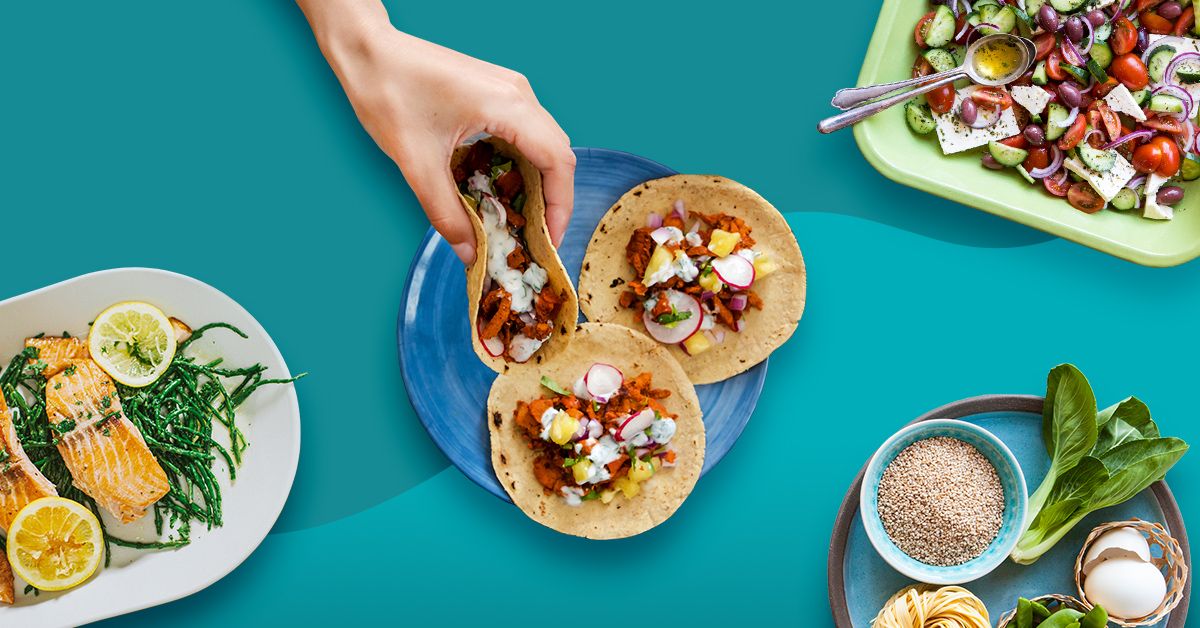
For example, a traditional rice bowl can become more balanced with extra vegetables, a protein source, and a flavorful sauce served in a moderate amount. Tacos can include beans, grilled fish, cabbage, salsa, and avocado. Pasta can be paired with vegetables, lentils, lean meat, or seafood. Healthy eating should taste like your life, not someone else’s Pinterest board.
Common Nutrition Myths That Need to Retire
Myth 1: Carbs Are Bad
Carbohydrates include fruits, vegetables, beans, whole grains, milk, yogurt, and sweets. The type and portion matter. Higher-fiber carbohydrates support fullness and steady energy, while heavily refined options are best enjoyed in balance.
Myth 2: Healthy Food Is Always Expensive
Some trendy foods are expensive, but basic healthy staples can be budget-friendly. Beans, oats, eggs, frozen vegetables, canned fish, potatoes, and seasonal produce can form the backbone of nutritious meals.
Myth 3: You Must Eat Perfectly to Be Healthy
Consistency beats perfection. A pattern built on mostly nourishing foods, regular movement, sleep, hydration, and stress management is more useful than a strict plan that collapses every weekend.
Practical Examples of Real-Life Healthy Meals
Breakfast: Oatmeal topped with berries, peanut butter, and a sprinkle of chia seeds. Add Greek yogurt on the side for more protein.
Lunch: A grain bowl with brown rice, roasted vegetables, chickpeas, greens, olive oil, lemon, and feta.
Dinner: Salmon or tofu with sweet potato and broccoli, finished with herbs, garlic, and a squeeze of lemon.
Snack: Apple slices with peanut butter, hummus with carrots, cottage cheese with fruit, or popcorn with nuts.
These meals are not magic. They simply combine fiber, protein, fat, and flavor. That combination is the quiet engine behind meals that keep you satisfied.
How to Build Habits That Last
Start smaller than you think. Instead of promising to cook every meal from scratch, begin by adding one serving of vegetables to dinner. Instead of banning sweets, try eating a balanced breakfast. Instead of buying twelve unfamiliar health foods, choose one new recipe and repeat it until it becomes easy.
Habits last when they are specific, realistic, and connected to your actual life. A parent with two jobs needs different strategies than a college student, a retired couple, or someone training for a marathon. Healthy eating should bend toward your schedule, budget, medical needs, and preferences.
When to Get Personalized Nutrition Help
General nutrition advice can be helpful, but some situations require personalized guidance. Consider working with a registered dietitian or qualified healthcare professional if you have diabetes, kidney disease, heart disease, digestive disorders, food allergies, a history of disordered eating, pregnancy-related nutrition needs, or unexplained weight changes.
Personalized support can also help if you feel overwhelmed by conflicting advice. The internet is full of nutrition opinions delivered with the confidence of a man explaining your own job to you. A qualified professional can help separate evidence from noise.
of Real-Life Experience: What Healthy Eating Looks Like on Ordinary Days
Healthy eating in real life usually begins with an honest look at how people actually live. Most people are not waking up at 5 a.m. to massage kale while journaling about quinoa. They are rushing to work, feeding kids, answering emails, sitting in traffic, managing stress, and trying to figure out dinner before everyone in the house becomes emotionally unstable.
In real life, the healthiest meal is often the one you can repeat. For many people, breakfast becomes easier when it has a default setting. Maybe it is eggs with toast and fruit. Maybe it is overnight oats. Maybe it is Greek yogurt with granola and berries. The point is not novelty; the point is removing one decision from a day that already has too many tabs open.
Lunch is where good intentions often go to wander in the wilderness. A practical strategy is to build lunches from leftovers. If dinner includes chicken, roasted vegetables, rice, beans, or pasta, tomorrow’s lunch is already halfway done. Add greens, sauce, or fruit, and suddenly the meal looks planned by a competent adult, even if it was assembled while standing in front of the fridge.
Real-life healthy eating also means respecting hunger. Skipping meals to “be good” can lead to overeating later because the body is not impressed by motivational speeches. A planned snack can prevent the 4 p.m. vending machine negotiation. Pairing protein with fiber works well: nuts and fruit, hummus and vegetables, yogurt and berries, or cheese with whole-grain crackers.
Dinner does not need to be a production. Some of the best weeknight meals are almost embarrassingly simple. Scrambled eggs with vegetables and toast. Bean tacos with cabbage and salsa. Pasta with tuna, tomatoes, spinach, and olive oil. A sheet pan of potatoes, vegetables, and chicken sausage. A frozen vegetable stir-fry with tofu and microwave rice. These meals may not win television competitions, but they do something better: they happen.
Another real-life lesson is that taste matters. People do not stick with food they hate. If vegetables taste boring, add olive oil, garlic, chili flakes, lemon, herbs, salsa, yogurt sauce, or a little cheese. If plain water is unappealing, try sparkling water, citrus, cucumber, mint, or unsweetened tea. Healthy eating should feel like care, not punishment.
There is also room for convenience. Bagged salads, frozen fruit, canned beans, rotisserie chicken, pre-cut vegetables, instant brown rice, and canned soups can all support better eating. Convenience foods are not automatically unhealthy. The trick is choosing options that help you build balanced meals instead of relying only on highly processed snacks and sugary drinks.
The biggest experience-based truth is this: healthy eating gets easier when you stop treating every meal like a referendum on your character. You are allowed to enjoy fries. You are allowed to eat cake at a party. You are allowed to have a chaotic Tuesday. The next meal is simply another chance to add something nourishing. That mindset is not only kinder; it is more sustainable.
Conclusion: Healthy Eating Should Make Life Better, Not Smaller
Healthy eating in real life is not about perfection, punishment, or chasing every nutrition trend that appears online wearing a lab coat. It is about building meals that support your energy, health, mood, budget, culture, and schedule. The foundation is simple: eat more whole and nutrient-dense foods, include fruits and vegetables often, choose whole grains, get enough protein, use healthy fats, read labels when useful, and stay flexible.
The best healthy eating plan is one you can live with on a regular Wednesday, not just during a highly motivated Sunday. Start with one small change. Add a vegetable. Drink more water. Plan one backup meal. Eat breakfast with protein. Swap one refined grain for a whole grain. Keep fruit where you can see it. These small decisions may not feel dramatic, but over time, they become the quiet structure of better health.
Note: This article is for general educational purposes only and should not replace personalized medical advice from a qualified healthcare professional.