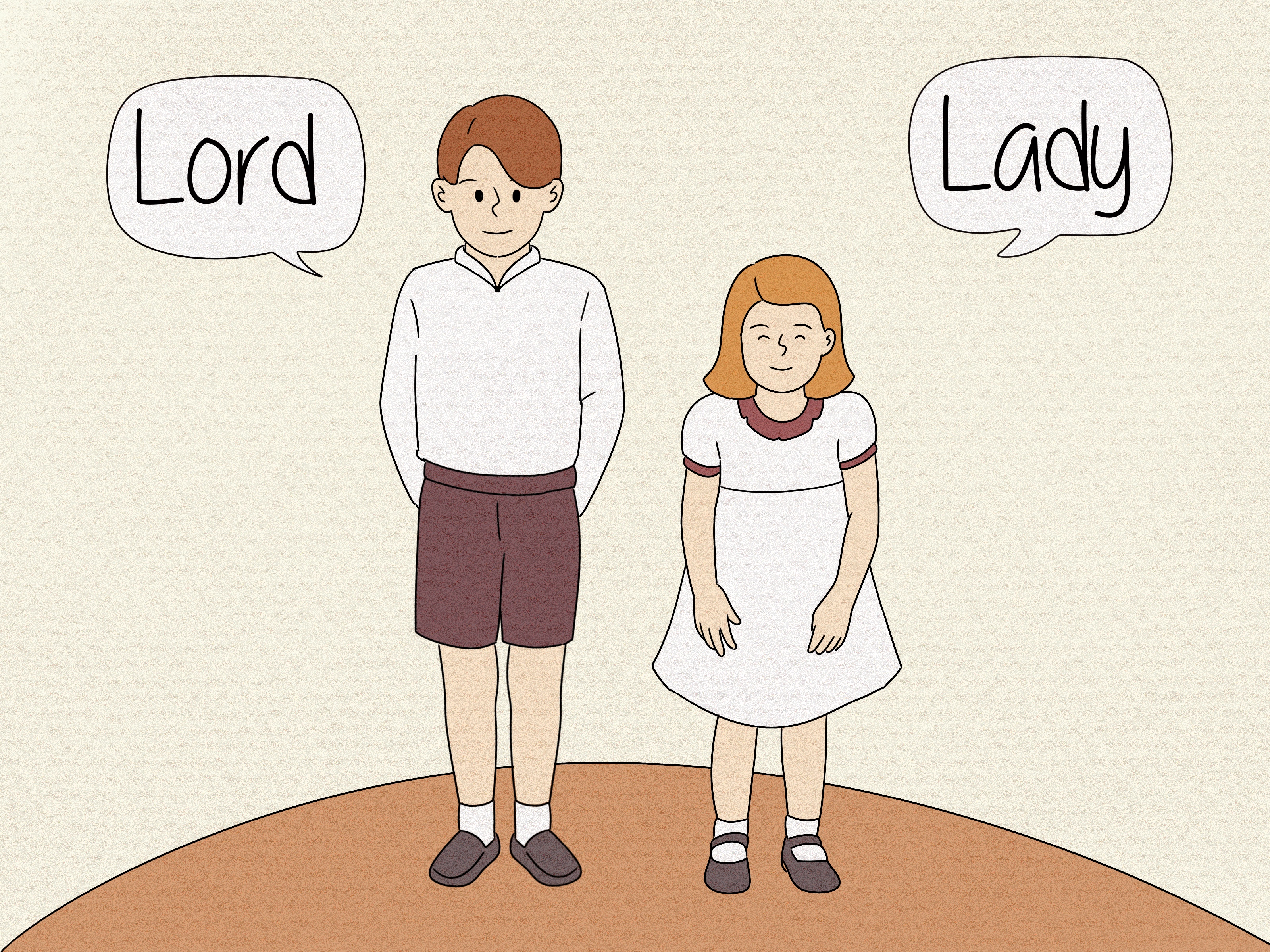
Meeting British royalty or aristocracy can feel a little like stepping into a period drama where everyone else has already read the script. Do you bow? Curtsy? Say “Your Majesty”? Accidentally call a duke “Your Dukeliness”? Relax. The rules are more practical than mysterious, and nobody expects you to arrive with a powdered wig and a pocket guide to the Norman Conquest.
The key to British royal etiquette is respect, not theatrical panic. In modern settings, there are no legally required codes of behavior for greeting the King, Queen, or members of the Royal Family. Still, many people choose to follow traditional forms of address because they show courtesy, cultural awareness, and a healthy desire not to become the person everyone remembers for saying, “Hey, Charlie.”
This guide explains how to address British royalty and aristocracy in person, including what to say, when to say it, how to greet different ranks, and how to avoid the most common title-related traps. Whether you are attending a formal reception, meeting a titled guest at a charity event, or simply trying to understand why a duke is not addressed the same way as a prince, this article gives you the polished, practical version.
Understanding the Difference Between Royalty and Aristocracy
Before you can address British royalty and aristocracy correctly, you need to know which group you are dealing with. Royalty refers to members of the Royal Family, especially the reigning monarch, the monarch’s spouse, princes, princesses, and close relatives who hold royal styles such as “His Royal Highness” or “Her Royal Highness.”
Aristocracy, also called the nobility or peerage, refers to titled people such as dukes, marquesses, earls, viscounts, and barons. Some aristocrats are extremely grand, some are working professionals, and some may be standing next to you at a fundraiser quietly hoping nobody asks them to explain their family tree before dessert.
The British peerage has five main ranks, in descending order: duke, marquess, earl, viscount, and baron. Their female equivalents are duchess, marchioness, countess, viscountess, and baroness. The higher the rank, the more specific the form of address tends to be.
How to Address the King and Queen
When meeting the British monarch, the correct first form of address is:
For the King
First address: “Your Majesty”
Afterward: “Sir”
Example:
“Your Majesty, it is an honor to meet you.”
Later in the same conversation: “Yes, Sir.”
For the Queen
First address: “Your Majesty”
Afterward: “Ma’am”
In British royal usage, “Ma’am” is pronounced with a short “a,” like “jam,” not like the drawn-out American “ma’am” that rhymes with “calm.” Think crisp, light, and brief.
Example:
“Your Majesty, thank you for visiting our organization.”
Later: “Thank you, Ma’am.”
If you are introduced to both the King and Queen together, you may refer to them as “Their Majesties.” In conversation, however, address each individually when speaking directly.
How to Address Princes and Princesses
For royal princes and princesses who use the style “His Royal Highness” or “Her Royal Highness,” the formal first address is:
First address: “Your Royal Highness”
Afterward for a male royal: “Sir”
Afterward for a female royal: “Ma’am”
Example for a prince:
“Your Royal Highness, welcome to the event.”
Later: “Yes, Sir.”
Example for a princess:
“Your Royal Highness, we are delighted to have you here.”
Later: “Thank you, Ma’am.”
Do not begin with first names in a formal setting. “William,” “Catherine,” “Anne,” or “Edward” may sound friendly, but unless the royal person specifically invites that level of informality, stick with the formal style. This is not the moment to test your charm against several centuries of protocol.
Should You Bow or Curtsy?
Traditional etiquette says men may give a neck bow, which means a small bow from the head only. Women may give a small curtsy. The movement should be brief and respectful, not a full theatrical collapse. You are greeting a monarch, not auditioning for Swan Lake.
However, bowing or curtsying is not mandatory, especially for people who are not British citizens. Many people simply shake hands in the usual way if a hand is offered. The safest modern rule is this: wait to be introduced, follow the lead of the royal person or event host, and keep your greeting dignified.
If you do bow or curtsy, do it once at the beginning. Repeated bobbing can make you look less respectful and more like a nervous garden ornament.
The Handshake Rule: Do Not Pounce
When meeting British royalty, do not reach out first unless the situation clearly calls for it. Wait for the royal person to extend a hand. If they do, shake it lightly and briefly. Avoid the overenthusiastic business handshake, the two-handed clasp, the shoulder grab, and absolutely anything that could be described as a “bro hug.”
The same principle works for aristocracy. A duke, duchess, earl, or baroness is still a person at a social event, not a museum exhibit. A normal handshake is fine when appropriate. The trick is to be polite without behaving as if you have discovered a rare bird.
How to Address a Duke or Duchess
A duke is the highest rank in the British peerage below royalty. A duchess is the female equivalent or the wife of a duke. In person, the traditional address is:
First address: “Your Grace”
Afterward: “Duke” or “Duchess,” depending on context, though “Your Grace” remains safe in formal conversation.
Example:
“Your Grace, it is a pleasure to meet you.”
If the duke is also a royal prince, the royal style usually takes precedence. For example, a royal duke who is formally styled “His Royal Highness” would be addressed first as “Your Royal Highness,” not “Your Grace.” This is one of those moments when British etiquette quietly reminds everyone that hierarchy has layers, like a very formal onion.
How to Address a Marquess or Marchioness
A marquess ranks below a duke and above an earl. The female equivalent is marchioness. In person, the usual spoken address is:
Marquess: “Lord [Title]”
Marchioness: “Lady [Title]”
Example:
“Good evening, Lord Winchester.”
“It is lovely to meet you, Lady Winchester.”
One important note: “marquess” is pronounced “MAR-kwess,” while “marquis” is pronounced more like “mar-KEE.” In the British peerage, “marquess” is the standard English title. Pronunciation matters, because saying “marquess” correctly gives you an instant boost from “confused guest” to “surprisingly prepared.”
How to Address an Earl or Countess
An earl ranks below a marquess and above a viscount. The female equivalent is countess. In conversation, address them as:
Earl: “Lord [Title]”
Countess: “Lady [Title]”
Example:
“Lord Grantham, how do you do?”
“Lady Grantham, thank you for joining us.”
Yes, the example may remind you of television dramas, but the form is real. The British title is “earl,” while the wife of an earl is a “countess.” English kept “earl” from older Anglo-Saxon usage but uses “countess” for the feminine form. British titles enjoy doing this sort of thing just to keep everyone awake.
How to Address a Viscount or Viscountess
A viscount ranks below an earl and above a baron. The female equivalent is viscountess. In speech, address them as:
Viscount: “Lord [Title]”
Viscountess: “Lady [Title]”
Example:
“Lord Astor, welcome.”
“Lady Astor, it is a pleasure.”
The word “viscount” is pronounced “VY-count.” The “s” is silent. If you say “viss-count,” nobody will likely faint, but somewhere an etiquette instructor may feel a disturbance in the force.
How to Address a Baron or Baroness
A baron is the fifth and lowest rank of the peerage, though “lowest” is relative when you are still dealing with nobility. The female equivalent is baroness. In person, use:
Baron: “Lord [Title]”
Baroness: “Lady [Title]” or “Baroness [Title],” depending on the title and setting.
Example:
“Lord Smith, may I introduce you to our chair?”
“Baroness Jones, thank you for speaking today.”
Many life peers in the House of Lords are barons or baronesses. They may be distinguished public servants, scientists, business leaders, lawyers, artists, or former politicians rather than hereditary aristocrats. In practical terms, “Lord” and “Baroness” are often heard in public and parliamentary contexts.
What About Knights and Dames?
Knights and dames are not members of the peerage. A knight is addressed as “Sir” followed by his first name. A dame is addressed as “Dame” followed by her first name.
Correct:
“Sir David”
“Dame Judi”
Incorrect:
“Sir Attenborough”
“Dame Dench”
This is a common mistake. The title attaches to the first name, not the last name. If you remember only one thing about knights and dames, make it this: “Sir First Name” and “Dame First Name.” Your future self at a formal dinner will thank you.
What About Baronets?
A baronet is a hereditary title, but it is not part of the peerage. A baronet is addressed as “Sir” followed by his first name, similar to a knight, but the title passes down through the family line. The wife of a baronet is usually styled “Lady” followed by the surname.
Example:
“Sir John”
“Lady Smith”
Do not confuse a baronet with a baron. A baron is a peer; a baronet is not. This distinction may not come up at your average neighborhood barbecue, but at a British formal event it can save you from a small but elegant embarrassment.
Children of Peers and Courtesy Titles
British aristocratic families often use courtesy titles. These are not always legal peerage titles but are socially recognized forms used by relatives of peers. For example, younger sons of dukes and marquesses are often styled “Lord First Name Last Name,” while daughters of dukes, marquesses, and earls may be styled “Lady First Name Last Name.”
In conversation, this often becomes “Lord First Name” or “Lady First Name.” For example, “Lady Mary” is a familiar style because she is the daughter of an earl in a famous fictional household. The fiction is dramatic; the etiquette pattern is real.
Meanwhile, some children of viscounts and barons may be styled “The Honourable” in writing but are usually addressed in conversation as Mr., Mrs., Miss, or Ms. Unless you have been briefed on a specific title, it is better to use the name provided during the introduction rather than improvise.
What to Say When You Are Introduced
When introduced to royalty or aristocracy, keep your first sentence simple. You do not need a speech, a bowing strategy, and a personal brand statement. Try one of these:
“Your Majesty, it is an honor to meet you.”
“Your Royal Highness, welcome to our school.”
“Your Grace, thank you for joining us.”
“Lord Williams, it is a pleasure to meet you.”
“Lady Williams, we are delighted you could attend.”
After the first address, follow the appropriate shorter form: “Sir,” “Ma’am,” “Lord [Title],” “Lady [Title],” or “Your Grace,” depending on the person. If you forget, use polite, neutral language and avoid guessing wildly. “It is a pleasure to meet you” is much better than “Greetings, noble person of uncertain category.”
Conversation Etiquette: Keep It Light, Brief, and Human
When speaking with British royalty or aristocracy, the safest topics are the event, the organization, the local community, charity work, culture, travel, or shared surroundings. Avoid politics, gossip, private family matters, money, scandals, and anything that begins with, “I saw something online about you.”
Let the royal or titled person guide the conversation’s length and tone. At formal events, they may be meeting dozens or even hundreds of people. A good exchange is short, warm, and memorable for the right reasons.
Do not ask for selfies unless the setting clearly allows it. Do not touch, steer, interrupt, or follow someone after the conversation has ended. The goal is to appear gracious, not like a determined podcast host chasing a guest down a hallway.
Common Mistakes to Avoid
Using First Names Too Soon
Even if the person seems relaxed, begin formally. If they invite you to use a first name, you may do so. Until then, stay with the proper title.
Calling Every Aristocrat “Your Highness”
“Your Highness” and “Your Royal Highness” are for royalty, not ordinary peers. A duke is usually “Your Grace,” while most other peers are “Lord” or “Lady.”
Overdoing the Bow or Curtsy
A small gesture is enough. Deep bows, dramatic curtsies, or repeated dipping can look awkward. Think respectful, not medieval banquet.
Misusing “Sir” and “Dame”
For knights and dames, use the first name: “Sir Ian,” “Dame Maggie,” not “Sir McKellen” or “Dame Smith.”
Forgetting That Context Matters
A palace reception, charity opening, university ceremony, and private lunch may all have different levels of formality. When in doubt, follow the host’s instructions.
Quick Reference Guide
| Person or Rank | First Address | Later Address |
|---|---|---|
| King | Your Majesty | Sir |
| Queen | Your Majesty | Ma’am |
| Prince | Your Royal Highness | Sir |
| Princess | Your Royal Highness | Ma’am |
| Duke or Duchess | Your Grace | Your Grace, Duke, or Duchess |
| Marquess or Marchioness | Lord or Lady [Title] | Lord or Lady [Title] |
| Earl or Countess | Lord or Lady [Title] | Lord or Lady [Title] |
| Viscount or Viscountess | Lord or Lady [Title] | Lord or Lady [Title] |
| Baron or Baroness | Lord, Lady, or Baroness [Title] | Lord, Lady, or Baroness [Title] |
| Knight | Sir [First Name] | Sir [First Name] |
| Dame | Dame [First Name] | Dame [First Name] |
Practical Experiences: What It Feels Like to Use These Rules in Real Life
Reading etiquette rules is one thing. Using them while holding a glass of sparkling water, balancing a name badge, and realizing the guest of honor is walking directly toward you is quite another. In real life, addressing British royalty and aristocracy is less about memorizing a thousand titles and more about staying calm, listening carefully, and letting the situation help you.
The first practical lesson is that introductions usually do most of the work. At formal events, an aide, host, master of ceremonies, or organizer will often brief guests beforehand. You may be told exactly where to stand, when to speak, and what form of address to use. If someone says, “When His Royal Highness reaches you, say ‘Your Royal Highness’ first, then ‘Sir,’” congratulations: your etiquette exam has become open-book.
The second lesson is that simplicity sounds better than over-rehearsal. People sometimes prepare a sentence so formal that it comes out like a legal document wearing a tuxedo. A sincere “Your Royal Highness, it is a pleasure to meet you” is far better than a tangled paragraph full of titles, honors, and nervous adjectives. Short sentences are elegant. They also reduce the chance of your tongue resigning halfway through.
The third lesson is that titled people are accustomed to title confusion. If you make a small mistake, recover gracefully. Do not gasp, apologize six times, or turn the moment into a one-person tragedy. A quick “I beg your pardon” and a corrected form of address is enough. Most social errors become larger only when the person making them insists on building a monument to the mistake.
The fourth lesson is to watch the people around you. At a formal reception, the room itself gives clues. If everyone is using “Your Grace,” “Lord,” and “Lady,” follow that level of formality. If the event becomes more relaxed after introductions, you may notice the tone softening. Still, do not be the first person to downgrade the etiquette. Let the royal or titled guest set the temperature.
The fifth lesson is that body language matters as much as vocabulary. Stand straight, smile naturally, keep your hands free if you are about to be introduced, and avoid checking your phone. If a handshake is offered, accept it lightly. If not, do not create one by lunging forward. Many awkward encounters begin with someone trying too hard to look confident.
The sixth lesson is to prepare one or two neutral conversation points. If you are attending a charity event, know what the charity does. If you are at a school, museum, hospital, or community opening, be ready to say one meaningful sentence about the work being celebrated. Royal and aristocratic guests often ask simple questions: “How long have you worked here?” “What does this program do?” “How many people does it serve?” Good answers are clear, brief, and human.
The seventh lesson is to avoid turning the encounter into a personal milestone out loud. It may be thrilling to meet a royal or a duchess, but saying “My mother will never believe this!” is less polished than “Thank you for visiting us today.” You can celebrate afterward. During the conversation, focus on the guest, the event, and the purpose of the meeting.
Finally, remember that etiquette is not a trap. It is a shared language of respect. The best guests are not the ones who sound like walking encyclopedias of British titles. They are the ones who listen, respond warmly, and make the exchange easy for everyone involved. Learn the main forms, keep your humor internal, and when in doubt, choose courtesy over cleverness.
Conclusion
Knowing how to address British royalty and aristocracy in person is mostly a matter of understanding rank, using the correct first greeting, and staying composed. The King and Queen are “Your Majesty.” Royal princes and princesses are “Your Royal Highness.” Dukes and duchesses are “Your Grace.” Most other peers are addressed as “Lord” or “Lady” followed by their title. Knights and dames use “Sir” or “Dame” with their first name.
Modern etiquette is not about groveling or performing outdated drama. It is about respect, clarity, and cultural intelligence. A small bow or curtsy may be traditional, but it is not compulsory. A handshake is acceptable when offered. Conversation should be polite, light, and guided by the occasion. Most importantly, if you make a tiny mistake, do not panic. British etiquette has survived wars, scandals, and centuries of complicated family trees. It can survive one nervous guest saying “Ma’am” a little too slowly.
Note: This article reflects traditional and modern etiquette guidance for formal in-person situations. Specific events may provide their own protocol instructions, which should always take priority.