Note: Body-only HTML for easy publishing and copying
There are few things more humbling than spending hours on a great piece of content, hitting send on a pitch email, and then hearing absolutely nothing back except the faint emotional echo of your own optimism. The good news is that a perfect pitch email is not magic, mind reading, or a moon ritual involving your laptop and a cold brew. It is structure, relevance, timing, and respect for the person on the other side of the inbox.
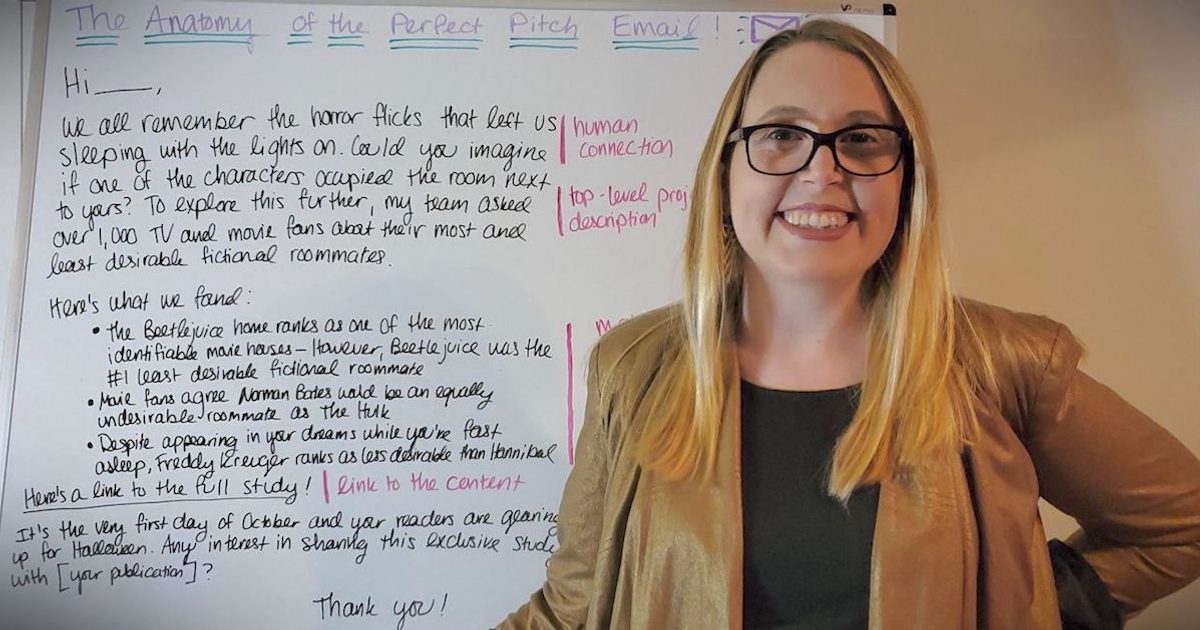
The Moz approach to pitch emails made this easier to understand by breaking the process into simple parts: build a human connection, explain the project fast, highlight the most interesting takeaways, make the content easy to access, and end with a direct ask. That framework still holds up because busy editors, writers, creators, and decision-makers do not want a puzzle. They want a clear reason to care.
This article breaks down what makes a pitch email work today, why so many outreach emails fail, and how to write one that sounds like a smart human instead of a template that escaped from a spreadsheet.
Why Pitch Emails Matter More Than Ever
A pitch email is often your first impression, your handshake, your headline, and your elevator pitch rolled into one tiny digital package. Whether you are doing digital PR, link building outreach, partnership outreach, guest posting, sales prospecting, or media pitching, the inbox is still one of the fastest ways to start a conversation.
But the inbox is also a battlefield. People skim on phones, read between meetings, ignore generic messages, and develop superhuman instincts for deleting anything that smells like mass outreach. That is why the perfect pitch email is not about sounding impressive. It is about sounding relevant, useful, and easy to answer.
Think of it this way: your recipient is not wondering, “How can I help this stranger achieve their quarterly goals?” They are wondering, “Why is this worth my time, and why should my audience care?” Your email succeeds when it answers that question fast.
The Core Anatomy of the Perfect Pitch Email
1. A Subject Line That Earns the Open
The subject line is the velvet rope. If it fails, the rest of your masterpiece never gets into the club. A good subject line is short, specific, and relevant. It should hint at value without sounding like clickbait wearing a fake mustache.
Weak subject lines are vague, hype-heavy, or painfully generic. “Amazing opportunity” is not a subject line. It is an eye-roll. Better subject lines show context and relevance.
Better examples:
- Data for your remote work coverage
- New findings on first-time homebuyers
- Idea for your small business readers
- Follow-up: study on Halloween spending
The best pitch email subject lines do not scream. They point. They tell the recipient where the value is and let curiosity do the rest.
2. A Human Opening, Not a Robotic Salute
Moz’s framework starts with human connection, and that is exactly where most bad pitches fall apart. Too many emails open with something that sounds assembled by a committee of tired robots: “Dear Sir or Madam, I hope this email finds you well in great spirits.” Nobody has ever felt more spiritually aligned after reading that.
A strong opening does one of two things. It references something real about the person or their work, or it creates a natural emotional bridge into the topic. The key word here is real. Flattery so fake it squeaks is worse than no personalization at all.
Good personalization can be as simple as mentioning a recent article, podcast episode, report, or angle the recipient covered. It can also connect through audience relevance: “Your readers love practical home trends, so this new survey on what renters actually prioritize may fit well.”
In other words, do not just say their name. Show that you understand their lane.
3. A Top-Level Project Description
After the opening, the recipient should know what you are pitching almost immediately. This is not the time for suspense. You are not writing a thriller. You are writing a pitch.
The best project descriptions are short and sharp. They explain what the content is, what kind of asset it includes, and why it exists. Survey, study, guide, dataset, expert commentary, original research, trend report, case study, infographic, tool, or resource page, say it plainly.
Example: “My team just published a survey of 1,200 U.S. consumers on how they compare subscription services before buying.”
That sentence works because it tells the reader what the content is, where the information came from, and why it might matter. No fog. No drama. No interpretive dance.
4. Main Takeaways That Do the Heavy Lifting
This is the heartbeat of the email. If your pitch includes original content, your recipient should not need to click the link before understanding the story. Pull out the strongest points and present them clearly. Two or three standout takeaways are usually enough.
These takeaways should be tailored to the person you are emailing. That part matters. The most interesting insight for a housing reporter may be completely different from the most interesting insight for a lifestyle editor. Great outreach is not only personalized to the person. It is customized to the audience they serve.
Example takeaway block:
- Nearly half of respondents said price transparency matters more than brand familiarity.
- Gen Z respondents were far more likely to cancel after one confusing billing experience.
- Mobile-first shoppers cared most about checkout speed, not product page length.
Notice what this does. It gives the writer headline material. It gives them story angles. It gives them a reason to keep reading. Your takeaways should not feel like filler. They should feel like the sharpest knives in the drawer.
5. A Friction-Free Link to the Content
One of the smartest parts of the Moz-style pitch is simple: do not make people ask for the asset. If the content is ready, link it. Do not play coy. Do not say, “Let me know if you want me to send more details.” That adds friction, and friction kills replies.
Busy people reward ease. A great pitch email removes extra steps. If your study, report, or resource is live, include the link. If you have supporting images, expert quotes, or raw data available, mention that too. Make it obvious that covering your content would be easy, not a scavenger hunt.
6. A Direct Ask With One Clear CTA
Many outreach emails drift into the ending like they ran out of courage. The writer explains the project, shares the link, and then sort of evaporates. That is a mistake. A perfect pitch email ends with one direct, polite, low-friction ask.
Do you want them to cover the story? Review the resource? Reply with interest? Request exclusive data? Pick one.
Examples:
- Would this be useful for your readers this week?
- Interested in covering the data?
- Happy to send exclusive charts if this fits an upcoming piece.
- Would you like the full dataset or expert commentary to support coverage?
The call to action should be easy to answer in one sentence. If your CTA requires a calendar, three approvals, and emotional resilience, it is probably too ambitious for a first email.
What Separates a Good Pitch Email From a Bad One
The Good Ones Are Relevant
Good pitch emails match the recipient’s beat, audience, and timing. They do not just personalize a sentence. They personalize the angle. Relevance always beats decoration.
The Good Ones Are Brief
Most successful pitch emails are short enough to read in one screen or two quick scrolls on mobile. If your email is long enough to require hydration breaks, cut it down. A pitch email should create interest, not deliver the entire keynote.
The Good Ones Offer Value First
The recipient should instantly understand what is in it for them or their audience. Data, insight, novelty, timeliness, utility, entertainment, expert perspective, or exclusivity all count as value. “Please link to my article because I worked very hard on it” does not.
The Good Ones Sound Human
Natural language matters. The more your email sounds like something one thoughtful professional would send another, the better. Templating is fine. Template smell is not.
A Simple Pitch Email Template That Actually Respects the Reader
This works because it is clear, respectful, and easy to respond to. It does not overperform. It does not tap-dance. It just does the job.
Common Mistakes That Quietly Kill Response Rates
- Fake personalization: Saying “I loved your article” without naming the article is not personalization. It is camouflage.
- Buried value: If the main point appears in paragraph four, many people will never see it.
- Multiple CTAs: Do not ask someone to read, share, link, book, and reply all in the same email.
- Generic angles: One email blasted to 200 people is efficient, but often efficiently ignored.
- No follow-up strategy: One email is often not enough. Thoughtful follow-ups help, especially when spaced reasonably and tied to value.
- Pitching weak content: Even the best email cannot rescue a boring, irrelevant asset.
How Follow-Ups Fit Into the Perfect Pitch Email Strategy
Follow-ups are not evidence that you have become obsessed. They are part of normal professional outreach, as long as they are respectful. A good follow-up does not guilt the recipient or pretend your first email was carved into marble tablets. It simply gives them a gentle second chance to engage.
A strong follow-up can do one of three things: restate the value more clearly, highlight a new angle, or offer a fresh asset such as a chart, quote, or exclusive detail. Keep it short. Keep it useful. Keep the tone professional.
Example: “Circling back in case the consumer data below is useful for your budgeting coverage this month. Happy to send a cleaner chart version if helpful.”
That is a follow-up. Not a hostage note.
How to Improve Pitch Emails Over Time
The perfect pitch email is not written once. It is refined. Test subject lines. Test opening angles. Test how many takeaways you include. Test whether your CTA performs better as a question or a light offer. Most importantly, test one variable at a time so you know what actually improved performance.
Pay attention to patterns. Which angles earn opens? Which pitches get replies but no coverage? Which topics travel well? Which recipients respond to exclusives versus broad trend data? Great outreach teams do not rely only on instinct. They develop pattern recognition.
That is when pitching gets less painful. Not fun exactly. More like “I no longer fear my sent folder,” which is a meaningful professional milestone.
Conclusion: The Best Pitch Emails Feel Easy to Read and Easy to Answer
The anatomy of the perfect pitch email is not about stuffing every best practice into one tiny message until it wheezes. It is about using the right pieces in the right order. Start with relevance. Add a human touch. Explain the project fast. Pull out the strongest takeaways. Link the asset. End with a clear ask.
That is what Moz captured so well, and it is why the framework still works. A great pitch email respects the recipient’s time, intelligence, and audience. It does not beg for attention. It earns it.
And when it works, it feels almost suspiciously simple. Which is annoying, honestly, because some of us were raised to believe success required at least three paragraphs of overexplaining. But the inbox is a ruthless editor. Clear wins.
Field Experience: What Writing Pitch Emails Actually Feels Like in the Real World
Anyone who has spent real time sending pitch emails learns the same lesson eventually: the perfect pitch is rarely the fanciest one. It is usually the one that makes the recipient’s job easier. That sounds obvious, but it tends to arrive only after a few bruising rounds of trial and error.
Early on, many marketers and outreach specialists make the same mistake. They assume the recipient needs to understand everything. So they include the background, the brand story, the campaign objective, the methodology, the target audience, the founder quote, the marketing angle, and possibly the emotional journey of the content intern who helped build the spreadsheet. Then they hit send and wonder why the reply rate looks like a haunted house occupancy chart.
With experience, the mindset changes. You stop writing the email for yourself and start writing it for the tired editor opening it between deadlines. You begin to notice that the emails that get replies are not necessarily the most clever. They are the easiest to scan. They have one idea, one angle, and one clear next step.
Another real-world experience is learning that personalization is not the same as performance. Yes, people appreciate being seen. But a beautifully personalized email with a weak angle still dies quietly. Outreach veterans learn to ask a harder question before they send anything: “Is this actually relevant to this person’s audience right now?” If the answer is no, changing “Hi there” to “Hi Jessica” is not going to save it.
You also learn that timing changes everything. The same pitch can flop on a random Tuesday and land beautifully when it lines up with a trend, seasonal moment, or news cycle. This is why experienced pitchers think beyond the asset itself. They think about context. Why now? Why this writer? Why this angle? Those questions often matter more than any single sentence in the email.
Then there is the follow-up experience, which deserves its own tiny therapy circle. New outreach writers often fear following up because they do not want to annoy anyone. Experienced ones learn that a polite, useful follow-up is normal. The trick is emotional discipline. A good follow-up does not sound wounded, passive-aggressive, or weirdly dramatic. It simply adds value, refreshes the angle, and keeps moving.
Over time, the biggest shift is confidence. Not the loud kind. The calm kind. You start to trust that a short, focused, relevant pitch beats a long, “impressive” one. You stop decorating the email and start sharpening it. And once that happens, your outreach gets better not because you found some secret hack, but because you learned to write for the person reading, not the person sending.