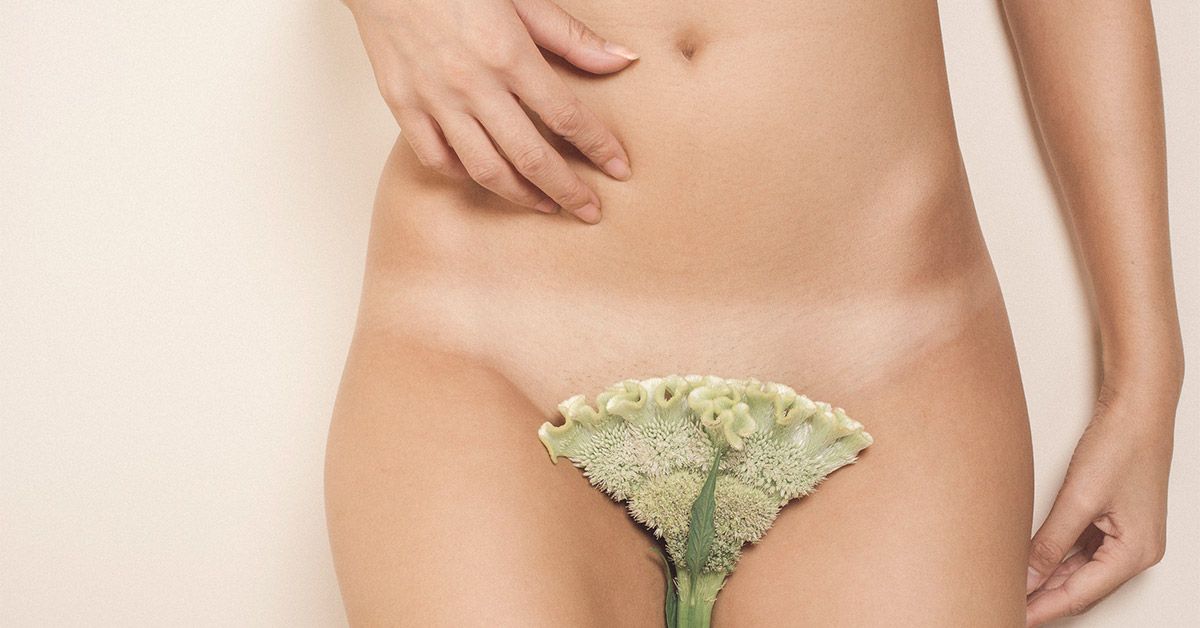
Pubic hair gets an absurd amount of attention for something that mostly spends its life quietly existing. Some people trim it, shave it, wax it, laser it, celebrate it, ignore it, or think about it only when an ingrown hair suddenly decides to become the main character.
Despite plenty of opinions online, pubic hair is not dirty, embarrassing, or medically required to look a certain way. It is a normal type of terminal body hair that develops during puberty, and grooming it is a personal preference rather than a health requirement. The useful question is not “Should everyone remove pubic hair?” but “What does it do, and how can I manage it safely if I want to?”
This guide answers nine common questions about the purpose of pubic hair, hygiene myths, grooming risks, shaving, waxing, laser hair removal, ingrown hairs, and when a skin problem deserves professional care.
1. What Is the Purpose of Pubic Hair?
Pubic hair is thick, coarse body hair that grows around the external genitals and nearby skin. It usually appears during puberty as hormone levels change. Its arrival may not earn a parade, but it is a normal part of physical development.
The main practical purpose of pubic hair is protection. It can reduce friction between sensitive skin and clothing, absorb some sweat, and create a small buffer between the genital area and everyday irritants. Think of it less as a biological fashion statement and more as a low-maintenance cushion.
Hair in the pubic region may also help limit direct rubbing during walking, exercise, sex, and tight-clothing days. This does not mean hair makes the area invincible. It simply means bare skin may experience more friction in some situations.
Terminal body hair can help protect skin from debris and irritation, although pubic hair is not a magical shield against bacteria, sexually transmitted infections, or skin conditions. Good hygiene, safer sex practices, and medical care still matter far more than the length of anyone’s grooming routine.
2. Does Pubic Hair Keep You Clean or Make You Dirty?
Neither. Pubic hair is not inherently dirty, and removing it is not required for cleanliness. Sweat, skin oils, dead skin cells, and bacteria can collect in any body area with folds, hair, or friction. That includes armpits, feet, beards, and the mysterious ecosystem inside a gym bag.
Basic genital hygiene is usually simple: gently wash the outside genital area with warm water, avoid heavily scented products, dry the skin well, and change out of sweaty clothing when possible. For people with a vagina, the vagina cleans itself internally. Douching can disrupt its normal balance and is not recommended.
Hair does not automatically cause odor. Odor is more often linked to sweat, trapped moisture, infection, skin irritation, poor ventilation, or certain hygiene products. If there is a strong or unusual smell along with itching, discharge, burning, pain, or sores, it is smarter to check with a clinician than to blame the hair.
3. Does Removing Pubic Hair Lower the Risk of Infection?
Not necessarily. In fact, aggressive grooming can sometimes create tiny cuts, irritated follicles, or inflamed skin. Those small breaks in the skin can be uncomfortable and may make the area more vulnerable to irritation or infection.
Research has found an association between frequent or complete pubic hair removal and a higher reported history of some sexually transmitted infections. However, association does not prove that grooming itself causes an STI. Sexual behavior, condom use, number of partners, testing habits, and other factors also affect risk.
The practical takeaway is simple: removing pubic hair should not be treated as an STI-prevention strategy. Condoms and barriers, regular testing when appropriate, communication with partners, and prompt treatment for symptoms remain more useful tools.
Pubic hair removal also does not reliably eliminate pubic lice. The Centers for Disease Control and Prevention notes that shaving, waxing, and sugaring will not get rid of pubic lice. Proper medicated treatment is needed.
4. Does Pubic Hair Affect Sex or Sensation?
It can affect comfort, but not in one universal way. Some people feel that pubic hair reduces skin-on-skin friction during sex. Others prefer trimming or removal because they like the sensation, appearance, or convenience. Bodies are wonderfully individual, and no one has received a universal instruction manual.
Pubic hair itself does not contain magical sensory powers, but the skin underneath is sensitive. Shaving too closely, waxing, or developing razor burn can make sex, exercise, and even sitting in jeans feel unpleasant for a few days.
The healthiest approach is the one that feels comfortable, respects your skin, and is not driven by pressure from a partner, trend, or random social-media stranger with suspiciously perfect bathroom lighting.
5. What Are the Risks of Shaving, Waxing, or Removing Pubic Hair?
Pubic grooming is common, but common does not mean risk-free. The skin in the genital region is delicate, and hair removal can lead to minor injuries or irritation.
Common pubic hair removal problems include:
- Razor burn and itching
- Small cuts or nicks
- Ingrown hairs
- Folliculitis, or inflamed hair follicles
- Contact dermatitis from fragranced products or hair-removal creams
- Wax burns, skin lifting, or bruising
- Temporary dark marks after inflammation
- Rarely, more serious infection or scarring
In a U.S. survey study, grooming-related injuries were not rare among people who groomed pubic hair. Cuts, burns, and irritation can happen, especially with frequent complete removal, rushed shaving, or grooming without being able to clearly see the area.
Ingrown pubic hairs occur when a hair curls or grows back into the skin rather than out through the surface. They may look like small bumps, pimples, or tender spots. Curly or coarse hair can be more prone to becoming ingrown after shaving, waxing, or plucking.
6. What Is the Safest Way to Remove or Manage Pubic Hair?
For many people, trimming is the lowest-risk option. A clean electric trimmer with a guard shortens hair without scraping directly against sensitive skin. It does not give a completely smooth result, but it also causes fewer opportunities for your skin to file a complaint.
Safer trimming tips
- Use a clean trimmer designed for body hair.
- Choose a guard length instead of trimming extremely close.
- Trim in good lighting and avoid rushing.
- Do not share trimmers or razors.
- Clean the device after use and let it dry fully.
- Stop if the skin becomes painful, irritated, or cut.
For anyone who wants less hair without total removal, trimming can offer the best compromise between grooming preference and skin comfort.
7. How Can You Shave Pubic Hair More Safely?
Shaving is quick, inexpensive, and easy to do at home. It is also the method most likely to create razor burn when someone treats the pubic area like a lawn that must be mowed at top speed.
Follow these steps for safer pubic shaving:
- Trim longer hair first with scissors or an electric trimmer.
- Soften the hair with warm water in the shower or bath.
- Use a clean, sharp razor. Dull blades drag and increase irritation.
- Apply an unscented shaving cream or gel made for sensitive skin.
- Shave gently in the direction the hair grows.
- Use short strokes and rinse the blade often.
- Do not stretch the skin aggressively or shave over the same spot repeatedly.
- Rinse with warm water, pat dry, and apply a fragrance-free moisturizer if needed.
- Wear loose, breathable underwear or clothing afterward.
Dermatologists generally recommend shaving in the direction of hair growth, using a fresh blade, and avoiding repeated passes over the same area to reduce razor bumps and irritation.
Do not share razors. Sharing blades can spread bacteria and, in certain circumstances, blood-borne or skin infections. A razor belongs in the same personal category as a toothbrush: yours, not the neighborhood’s.
8. Are Waxing and Hair-Removal Creams Safe for the Pubic Area?
Waxing and sugaring remove hair from the root, so results may last longer than shaving. The trade-off is discomfort and a higher chance of irritation, burns, bruising, or skin damage if the treatment is done poorly.
If you choose waxing, use a licensed professional who follows hygiene practices, uses clean tools, and avoids double-dipping applicators into wax. Do not wax over cuts, rashes, sunburn, active infections, genital sores, or irritated skin. It is also wise to avoid waxing just before a beach day, intense workout, or date night involving tight clothing and lots of friction.
Depilatory creams dissolve hair chemically. They can be useful on certain external skin areas, but they are not suitable for the inner genital area or mucous membranes. Always read the product label, use only products clearly intended for the bikini line or external pubic area, perform a patch test, and never leave the cream on longer than instructed.
Depilatory creams can cause chemical burns when left on too long or used on sensitive skin. Stop immediately and rinse thoroughly if you feel burning, intense stinging, or swelling.
9. Is Laser Hair Removal a Better Long-Term Option?
Laser hair removal can reduce hair growth over time and may be useful for people who frequently develop ingrown hairs or simply want less maintenance. It is not always permanent, and multiple treatment sessions are usually required because hair grows in cycles.
Laser treatment works best when performed by a qualified clinician or trained professional using equipment appropriate for your skin tone and hair color. Side effects can include redness, swelling, blistering, pigment changes, burns, and, rarely, scarring. People with darker skin should be especially careful to choose an experienced provider because inappropriate laser settings can increase the risk of discoloration.
Before laser treatment, avoid waxing, plucking, and electrolysis for several weeks because the laser targets the hair follicle. Many providers recommend shaving the treatment area shortly before the appointment instead.
Electrolysis is another long-term hair-removal option. It treats individual follicles and can be effective, but it takes time because each follicle is handled separately. It may be a reasonable option for smaller areas or hair colors that do not respond well to laser treatment.
When Should You See a Doctor About Pubic Hair or Grooming Problems?
Most razor bumps and mild irritation improve with time, gentle skin care, and a break from grooming. But it is worth seeing a clinician if you have severe pain, fever, spreading redness, pus, large boils, repeated infected ingrown hairs, blisters, open sores, unusual discharge, or a rash that keeps returning.
Do not assume every bump is an ingrown hair. Genital sores, warts, cysts, herpes, bacterial infections, fungal infections, and skin conditions can look similar to an untrained eye. A medical professional can identify the problem and recommend appropriate treatment.
Real-World Experiences: What Pubic Hair Grooming Often Feels Like
People’s experiences with pubic hair are wildly different, which is why one person’s “easy five-minute routine” can be another person’s “why did I think this was a good idea?” situation. Many people start grooming because they are curious, influenced by a partner, preparing for a vacation, wearing a swimsuit, or simply tired of feeling sweaty during hot weather.
A common first experience is shaving everything too closely and then discovering that smooth skin can feel great for approximately twelve hours before becoming itchy, prickly, or mildly furious. This is especially common when someone uses a dull razor, skips shaving gel, shaves against the direction of hair growth, or immediately puts on tight underwear and heads to the gym.
Others find that trimming is their happy middle ground. They may use a body trimmer with a guard every few weeks, keep the hair shorter, and avoid the razor burn that comes with trying to create a perfectly hair-free look. For many people, this feels more manageable, less expensive, and less likely to produce surprise bumps before a weekend away.
Waxing experiences tend to vary between “not as bad as I expected” and “I briefly saw every decision I have ever made.” Some people like the longer-lasting result and find that regular appointments become easier over time. Others decide that the pain, redness, expense, or occasional ingrown hair is not worth the trade-off. Both reactions are completely reasonable.
People with curly, coarse, or easily irritated hair often report the most trouble with ingrown hairs. They may notice tender bumps after shaving or waxing and eventually switch to trimming, laser treatments, or a less frequent grooming schedule. This is a good example of why copying someone else’s routine can backfire. Skin type, hair texture, hormone changes, and friction from clothing all matter.
Some people also discover that grooming habits change over time. A person who shaved regularly in college may later decide they prefer natural growth. Someone who never cared about grooming may start trimming for comfort during workouts. A new medication, pregnancy, menopause, skin condition, gender transition, or relationship change can also shift what feels comfortable.
The most positive experiences usually come from treating pubic hair as a preference rather than a problem to solve. There is no prize for being fully smooth, fully natural, perfectly trimmed, or permanently laser-free. The goal is comfort, healthy skin, and confidence in your own bodynot winning an imaginary contest judged by a razor commercial.
Final Thoughts: Pubic Hair Is Normal, and Grooming Is Optional
The purpose of pubic hair is practical: it can reduce friction, provide a small protective buffer for sensitive skin, and serve as a normal sign of puberty. It does not make anyone dirty, and removing it is not medically necessary for hygiene.
If you choose to groom, the safest strategy is usually the least aggressive one your skin tolerates well. Trim when possible, shave carefully, avoid harsh chemicals on sensitive tissue, use reputable professionals for waxing or laser services, and give irritated skin time to recover.
Most importantly, choose the style that feels right for you. Pubic hair has survived evolution, fashion trends, awkward locker rooms, and the invention of the bikini wax. It can survive whatever grooming decision you make next.