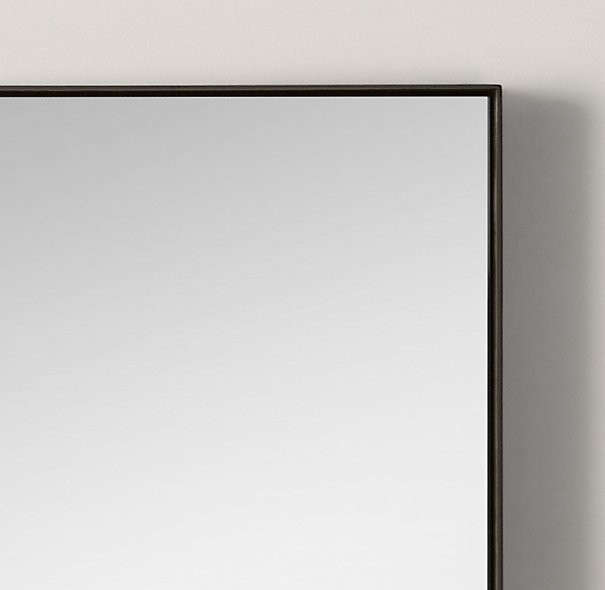
“Custom Metal Mirror Floatings” may sound like a phrase invented by a very enthusiastic designer on their third espresso, but the idea behind it is genuinely smart: custom metal-framed mirrors that appear to float off the wall. That floating effect creates a slim shadow line, adds depth, and makes an ordinary mirror feel far more architectural. In the right room, it can turn a plain wall into a polished focal point without resorting to glitter, drama, or questionable wallpaper decisions.
These mirrors are showing up in modern bathrooms, elegant entryways, boutique dressing rooms, hotel-inspired bedrooms, and even commercial spaces because they do two jobs at once. They reflect light and make rooms feel more open, while the metal frame gives the piece enough structure to feel intentional. A floating installation takes that one step further. Instead of sitting flat against the wall, the mirror is mounted with space behind it, which can create a softer, more custom look. Add hidden backlighting, and suddenly the mirror is not just a mirror. It is mood, function, and style having a productive meeting.
What Custom Metal Mirror Floatings Actually Are
In plain English, this style usually refers to a custom mirror with a metal frame or metal detailing that is mounted so it stands off the wall rather than hugging it. The result is a “floating” look. In design circles, the term more often becomes custom metal floating mirrors, but the appeal is the same: crisp lines, tailored sizing, and a premium built-in appearance.
The custom part matters. Standard mirrors can work fine, but custom metal floating mirrors are made to match the wall, vanity, sink placement, ceiling height, and surrounding fixtures. That means the proportions can be tuned to the room instead of forcing the room to apologize to the mirror. A good custom piece can be narrow and tall for an entry, wide and dramatic for a double vanity, or softly rounded to break up a room full of hard edges.
Why This Style Is So Popular
1. It creates depth without visual clutter
A floating mirror adds a subtle layer of dimension. Even a small gap between wall and mirror can create shadow lines that make the piece look more expensive and more deliberate. In bathrooms, this effect pairs especially well with floating vanities because both features help the room feel cleaner and more open.
2. It reflects light like a champion
Mirrors naturally brighten interiors by bouncing light around the room. A floating design can amplify that effect, especially when paired with backlighting or nearby sconces. In small powder rooms or darker bathrooms, that reflected light can make the room feel less boxed in and more breathable.
3. It works across multiple design styles
The beauty of metal is its flexibility. A slim black frame can feel modern and architectural. Brushed brass feels warm and elevated. Stainless steel can read crisp and contemporary. Bronze can lean classic. In other words, this is not a one-style-only trend. It can live comfortably in industrial, minimalist, transitional, traditional, or boutique-hotel interiors.
Best Materials for Custom Metal Floating Mirrors
Not all metal mirrors are created equal, and humidity is where the truth comes out. A frame that looks fantastic in a catalog can become less charming in a damp bathroom if the material or finish is poorly matched to the environment.
Stainless Steel
Stainless steel is one of the smartest choices for humid areas. It tends to deliver a sleek profile, dependable durability, and a clean modern look. If you want a metal mirror in a bathroom and you prefer less maintenance drama, stainless steel is usually a strong candidate.
Aluminum
Aluminum is lightweight, versatile, and great for contemporary shapes. It is often used in modern mirror designs that need visual strength without excessive weight. That matters when you are hanging a large floating mirror and do not want the wall to file a formal complaint.
Brass and Bronze
Brass and bronze bring warmth. They work beautifully in spaces with warmer metal plumbing, vintage-inspired lighting, natural stone, or wood cabinetry. These finishes can make a custom mirror feel more decorative without becoming fussy.
Iron and Specialty Finishes
Iron-framed mirrors can look fantastic, especially in matte black or antiqued finishes, but they are not universally ideal for bathrooms. Some are rated for bathroom use and some are not. That is why shoppers should always check the product’s intended environment rather than assuming every metal frame belongs near steam.
How to Design One That Looks Truly Custom
Scale comes first
The mirror should relate to the vanity, sink, wall, and lighting. In most cases, a floating mirror looks best when it feels proportional rather than oversized for the sake of drama. A dramatic mirror is wonderful. A mirror that eats the entire wall and bullies the sconces is less wonderful.
Over a bathroom vanity, many designers start by considering the vanity width, available wall area, sink placement, and the space needed for lighting. A mirror that is too narrow can look accidental. One that is too wide can make the whole elevation feel heavy. The goal is balance, not brute force.
Frame width changes the personality
Thin metal frames feel modern and refined. Medium-width frames can look more grounded and furniture-like. Wider frames create a stronger statement and can work in larger rooms, but they should be chosen carefully so the frame enhances the mirror instead of hijacking it.
Shape matters more than people think
Rectangles remain the classic choice because they are versatile and easy to align with vanities and architectural lines. Round and oval mirrors soften angular rooms and pair beautifully with slim metal frames. Arched tops can bring just enough character to feel custom without becoming trendy in a “what were we thinking?” kind of way five years later.
Lighting should be part of the plan
One of the biggest advantages of a floating installation is the chance to hide lighting behind the mirror. This can create a halo glow that feels upscale and functional. Even if you skip backlighting, the mirror should be planned with sconces, overhead lighting, and natural light in mind. Good lighting makes the mirror more useful; great lighting makes it unforgettable.
Where Custom Metal Mirror Floatings Work Best
Bathrooms
This is the obvious favorite, and for good reason. Floating metal mirrors pair beautifully with wall-mounted vanities, stone tops, and contemporary fixtures. They can make a compact bathroom feel more spacious and give a primary bath a cleaner, more tailored appearance.
Entryways
A tall floating mirror in an entryway can brighten the space, reflect natural light from the front door, and make the area feel larger. It also gives everyone a last-second reality check before leaving the house. That is public service.
Bedrooms and Dressing Areas
A full-length floating mirror with a thin black or brass frame adds polish without overwhelming the room. It feels more architectural than a leaning mirror and usually looks more permanent and more expensive.
Commercial and Hospitality Spaces
Hotels, salons, boutiques, restaurants, gyms, and office lounges often use floating mirrors because they help spaces feel open, polished, and intentionally designed. Custom sizing is especially valuable in commercial projects where symmetry and brand consistency matter.
What to Check Before Ordering
Before placing an order, slow down and confirm the details that separate a beautiful mirror from an expensive headache:
- Exact width and height needed for the wall
- Frame material and finish suitability for humidity
- Glass quality and reflection clarity
- Mounting method, including hidden hardware or French cleats
- Floating depth and whether the sides of the mount will be visible
- Whether backlighting is included, optional, or purely wishful thinking
- Whether the application may require tempered or safety glazing based on location and local code
Custom does not simply mean “pick a size.” It means coordinating dimension, finish, mounting, wall conditions, and use case. That is where the good projects win.
Installation, Safety, and Maintenance
Floating mirrors are not the place to get reckless. A heavy metal-framed mirror mounted off the wall needs the correct hardware, proper support, and a wall that can actually handle the load. For larger or heavier mirrors, professional installation is the smart move. It is faster, safer, and much cheaper than replacing broken glass, damaged tile, or your peace of mind.
In certain settings, especially near showers, tub enclosures, doors, or impact-prone locations, safety glazing rules may come into play depending on the application and local requirements. That is why it is wise to confirm code expectations before ordering, not after the mirror is already halfway through its identity crisis on the jobsite.
Day-to-day care is thankfully simple. Use a soft lint-free cloth, gentle cleaner, and common sense. Do not spray cleaner directly onto the mirror. Spray the cloth instead. Keep moisture from sitting on the edges. Avoid abrasive pads, strong acids, and harsh ammonia-heavy products. If the frame has a specialty finish, follow the manufacturer’s care instructions rather than improvising with the confidence of someone who once cleaned a window successfully.
Common Mistakes to Avoid
The first mistake is choosing style over suitability. A mirror may look gorgeous online, but if the finish is not bathroom-safe, that beauty can be short-lived. The second mistake is getting the scale wrong. Too small, and the mirror feels timid. Too large, and it dominates the entire wall like it pays the mortgage.
Another common misstep is treating the floating effect like an afterthought. The stand-off depth, mount visibility, side treatment, and lighting all affect the final look. A mirror that floats poorly does not look custom. It looks confused. Finally, never underestimate hardware. A flawless frame and perfect finish cannot rescue bad mounting.
Experiences With Custom Metal Mirror Floatings
People who live with custom metal floating mirrors usually notice the same thing first: the room feels finished. Not decorated. Finished. That distinction matters. A standard mirror often does its job quietly, which is perfectly respectable. A well-designed floating mirror changes how the whole wall reads. In a primary bathroom, for example, homeowners often say the biggest surprise is not the mirror itself but the way the space starts to feel more like a boutique hotel. The vanity looks cleaner, the lighting feels softer, and even routine morning chaos becomes a little less chaotic. The toothpaste still exists, sadly, but the room looks far more composed.
In smaller powder rooms, the experience is often even more dramatic. A custom metal floating mirror can make a narrow wall feel wider and a dark corner feel brighter. Homeowners who add backlighting usually talk about the atmosphere as much as the function. The mirror stops being just a reflective surface and becomes part of the room’s lighting strategy. That means the space feels layered at night instead of flat and overly harsh. Guests may not walk in and announce, “Ah yes, excellent depth and shadow detail,” but they will usually say the room feels expensive.
Entryways tell a different story. There, the experience is less about spa vibes and more about usefulness with style. A tall floating mirror in a black or brass frame gives people a quick place to check coats, shoes, bags, and general life readiness before heading out the door. But it also reflects light deeper into the home, which makes the entry feel less cramped and more welcoming. That is a quiet luxury many homeowners end up appreciating every single day.
Designers and renovators also tend to love how flexible these mirrors are in mixed-material interiors. One project may use a slim stainless steel frame with pale stone and white oak for a crisp modern look. Another may use warm brass with marble, walnut, and soft sconces for something more layered and glamorous. In both cases, the floating effect gives the mirror presence without making it feel bulky. That is the magic trick. It looks substantial, but not heavy.
Commercial spaces often report a similar benefit: custom floating mirrors instantly signal intention. In salons, dressing rooms, and hospitality settings, they help spaces look branded and thoughtfully designed. Customers notice. Staff notice. The room photographs better, too, which in the social media era is basically free advertising dressed as good taste.
The most practical experience people mention, though, is this: once you get the size, finish, and installation right, the mirror does not feel trendy. It feels correct. That is why custom metal mirror floatings have staying power. They do not rely on novelty. They rely on proportion, quality, and the kind of detail that keeps looking good long after trend forecasts have moved on to something dramatically less sensible.
Final Thoughts
Custom Metal Mirror Floatings are more than a decorative trend. They are a design solution for people who want mirrors to do more than merely reflect faces and bathroom lighting. When sized properly, built with the right metal, and installed with care, they add depth, brightness, and a tailored architectural feel that ordinary wall mirrors rarely achieve.
Whether you are planning a luxury bathroom, refining an entryway, upgrading a dressing space, or designing a commercial interior, a custom floating metal mirror offers one of the rare upgrades that is both practical and visually transformative. It can make a room feel cleaner, brighter, and more expensive without shouting for attention. And frankly, in a world full of loud design choices, that kind of quiet confidence is refreshing.