Spinal Muscular Atrophy Type 3 sounds like the kind of diagnosis that should come with a decoder ring, a glossary, and a very strong cup of coffee. It is also called juvenile SMA or Kugelberg-Welander disease, and while it is generally considered one of the milder forms of SMA, “milder” is doing a lot of heavy lifting there. For many children, teens, and adults, SMA type 3 can still change how they walk, climb stairs, manage fatigue, and move through daily life.
The good news is that the landscape has changed. Not long ago, discussions about SMA type 3 symptoms, treatment, and outlook were mostly about supportive care. Today, doctors can combine rehabilitation, mobility support, and disease-modifying therapies to help many people preserve function, maintain independence, and plan for the future with more confidence than previous generations ever had.
This guide explains what Spinal Muscular Atrophy Type 3 is, what symptoms tend to show up first, how it is diagnosed, which treatments may help, and what the long-term outlook often looks like. We will also talk about the lived experience side of things, because no one wants a medical article that reads like it was written by a filing cabinet.
What Is Spinal Muscular Atrophy Type 3?
Spinal muscular atrophy (SMA) is a genetic neuromuscular disorder that affects motor neurons, the nerve cells that control voluntary muscle movement. When those motor neurons do not get enough survival motor neuron protein, muscles gradually weaken and shrink from underuse. In most cases, the problem starts with changes in the SMN1 gene. The number of SMN2 gene copies a person has can influence how severe the disease is.
SMA type 3 usually begins after 18 months of age and may not be recognized until early childhood, later childhood, or even the teen years. A child with this form of SMA is able to walk at some point, which is one of the main features that separates type 3 from more severe forms. Some people remain ambulatory for many years, while others gradually lose the ability to walk and eventually need mobility devices.
Doctors sometimes divide this condition into type 3a and type 3b based on earlier versus later symptom onset, but in day-to-day life the bigger question is usually functional: What can this person do comfortably now, and how can care help preserve that ability?
Symptoms of SMA Type 3
The hallmark of Spinal Muscular Atrophy Type 3 symptoms is progressive muscle weakness, especially in muscles closer to the center of the body. That means the hips, thighs, shoulders, and trunk usually complain first. Distal muscles can be affected too, but proximal weakness tends to steal the spotlight.
Common early symptoms
- Frequent falls or unusual clumsiness
- Difficulty running, jumping, or keeping up with peers
- Trouble climbing stairs without using a railing
- Difficulty getting up from the floor or from a low chair
- A waddling gait or slow, effortful walking
- Mild delay in motor milestones
Symptoms that may appear over time
- Weakness in the legs more than the arms
- Muscle fatigue after everyday activity
- Tremor in the hands or fingers
- Foot deformities
- Scoliosis or changes in posture
- Reduced stamina and slower recovery after exertion
- Respiratory muscle weakness in some patients
A classic real-world example is the child who once ran up stairs two at a time and later starts pulling hard on the handrail, pausing halfway, or avoiding stairs altogether. Another common pattern is a teenager who can still walk through school hallways but is wiped out by the energy cost. SMA type 3 does not always announce itself dramatically. Sometimes it sneaks in, quietly turning routine movement into hard labor.
Importantly, intelligence is not affected by SMA type 3. People with this condition are often fully engaged in school, work, family life, and community life. The disease targets muscle control, not a person’s personality, goals, or sense of humor.
What Causes SMA Type 3?
The most common cause of SMA types 1 through 4 is a mutation or deletion in the SMN1 gene. This gene normally helps the body produce the survival motor neuron protein needed to keep motor neurons healthy. Without enough of that protein, motor neurons degenerate, and muscles lose the nerve signals they need to function.
The SMN2 gene acts like a backup generator, but it is not very efficient. It makes only a limited amount of functional SMN protein. In general, people with more SMN2 copies tend to have a milder course, which helps explain why juvenile SMA is usually less severe than infantile SMA.
SMA type 3 follows an autosomal recessive inheritance pattern in the usual chromosome 5-related form. That means a child typically inherits one changed copy of the gene from each parent. Genetic counseling can be helpful for families who want to understand recurrence risk, carrier status, and family planning options.
How SMA Type 3 Is Diagnosed
Diagnosis usually begins with a neurologic exam and a careful look at the patient’s motor history. Because type 3 can be subtle at first, it may be mistaken for general clumsiness, deconditioning, orthopedic issues, or another neuromuscular disorder.
Tests commonly used
- Genetic testing: This is the key test and usually the least invasive way to confirm SMA.
- SMN1 and SMN2 analysis: Helps confirm the diagnosis and estimate severity trends.
- Electromyography (EMG): May be used when the diagnosis is not clear.
- Muscle biopsy: Rarely needed now that genetic testing is widely available.
Because newborn screening has expanded in the United States, some cases of SMA are identified very early. However, SMA type 3 may still be diagnosed later, especially when symptoms are mild in the beginning. Earlier diagnosis matters because earlier treatment may help preserve motor function before more motor neurons are lost.
Treatment for Spinal Muscular Atrophy Type 3
There is still no universal cure for SMA type 3, but treatment is no longer limited to “wait and watch.” Modern care usually combines disease-modifying therapy with supportive treatment tailored to mobility, breathing, nutrition, and quality of life.
Disease-modifying therapies
In the United States, therapy choices may include:
- Nusinersen (Spinraza): An intrathecal medication that helps the body produce more functional SMN protein.
- Risdiplam (Evrysdi): An oral medication for pediatric and adult patients that also boosts SMN protein production.
- Gene therapy options: These depend on age, mutation confirmation, and clinical eligibility. Zolgensma is for children under age 2, and a newer FDA-approved option, Itvisma, expanded gene therapy availability to patients age 2 and older with confirmed SMN1 mutations.
Not every treatment fits every patient. Age, prior therapy, functional status, access, insurance coverage, and specialist recommendation all matter. This is why care at an SMA center or with an experienced neuromuscular team can make a huge difference.
Physical and occupational therapy
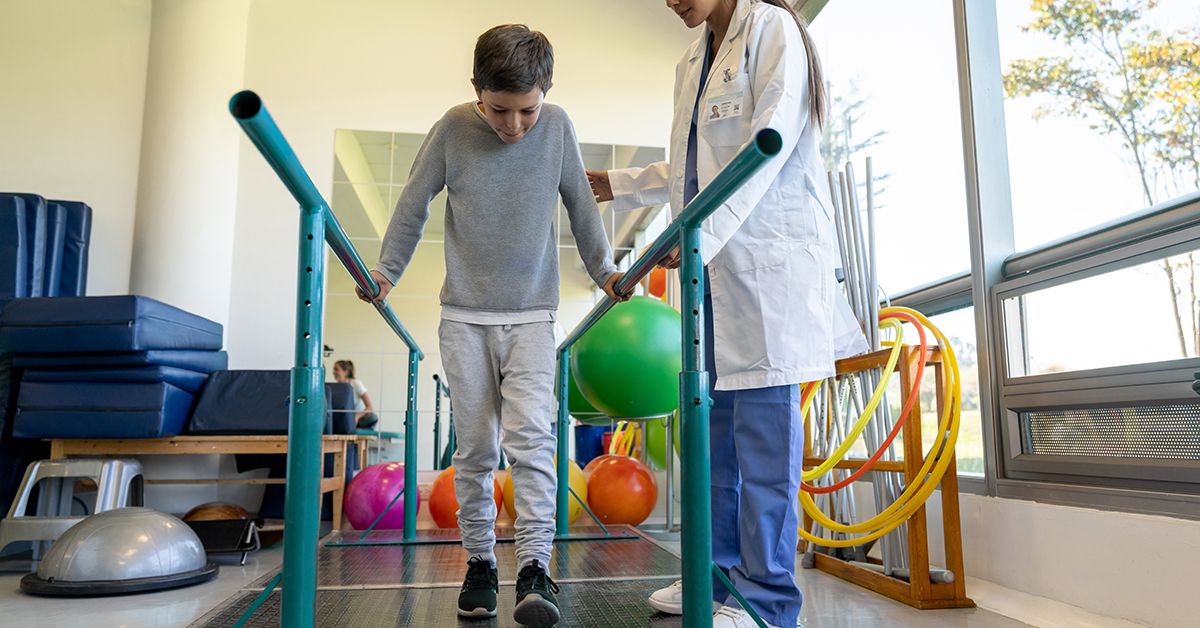
Physical therapy for SMA type 3 is not about turning someone into an Olympic sprinter. It is about protecting mobility, preserving joint range of motion, improving posture, reducing contractures, and helping everyday movement stay safer and less exhausting. Occupational therapy can help with dressing, school tasks, work setup, energy conservation, and adaptive tools.
Exercise is often helpful when it is planned wisely. Low-impact, supervised activity may improve endurance and maintain flexibility. The trick is to avoid the “I feel motivated, so I did twelve things, and now my muscles are filing formal complaints” problem. Overwork and fatigue are real concerns in SMA.
Mobility and orthopedic support
- Braces or orthotics
- Canes, walkers, or crutches
- Manual or power wheelchairs
- Standing devices
- Monitoring for scoliosis and foot deformities
Using a mobility device is not “giving up.” It is often the exact opposite. It can conserve energy, prevent falls, and allow a person to participate more fully in school, work, travel, and family life.
Respiratory, speech, and nutrition support
Although breathing and swallowing issues are usually less severe in type 3 than in infantile SMA, they can still occur. Some people benefit from respiratory evaluation, sleep monitoring, cough assistance, speech therapy, or nutrition counseling. If fatigue is high, poor sleep quality or subtle nighttime breathing problems may deserve a closer look.
Outlook and Life Expectancy
The SMA type 3 prognosis is often much better than many families fear when they first hear the diagnosis. In general, people with SMA type 3 often live long into adulthood, and life expectancy is frequently close to normal. That said, the course is highly variable, and mobility outcomes can differ a lot from one person to another.
Some people continue walking well into adult life. Others lose ambulation in adolescence or adulthood. The biggest factors shaping outlook include the age at symptom onset, baseline strength, access to treatment, timing of treatment, respiratory status, orthopedic complications, and how consistently supportive care is maintained.
One of the most important modern shifts is that prognosis is no longer just about survival. It is about function. Can the child keep walking longer? Can the teen reduce falls? Can the adult stay independent at work? Can fatigue be managed so the person has a life beyond appointments and recovery days? These questions matter, and they are now much more central to treatment planning.
In other words, the outlook for Spinal Muscular Atrophy Type 3 is not simply “mild” or “severe.” It is a spectrum. And with newer therapies, that spectrum is changing.
Living Well With SMA Type 3
Medical treatment is only part of the story. Daily life with SMA type 3 often revolves around planning, pacing, adaptation, and the fine art of deciding which activities deserve your limited energy budget.
Practical strategies that often help
- Plan demanding activities earlier in the day when strength is better
- Use adaptive equipment before exhaustion becomes the boss of the household
- Build rest breaks into school, work, and travel
- Watch for pain, overuse, or new weakness after exercise
- Keep regular follow-up with neurology, therapy, and orthopedic specialists
- Support mental health, not just muscle health
For parents, this may mean learning when to encourage effort and when to stop treating every staircase like a character-building exercise. For adults with SMA, it may mean reworking transportation, career routines, or home layout so independence becomes easier, not more expensive in terms of energy.
There is also an emotional side. People with SMA type 3 often look “well enough” to outsiders, which can make their fatigue or mobility limitations easy to underestimate. The result can be a lot of invisible work: explaining, adapting, advocating, and smiling through situations that are much harder than they appear.
Common Experiences With SMA Type 3: The Human Side of the Diagnosis
Beyond the medical charts, living with SMA type 3 is often a story of negotiation. Not surrender, not defeat, but negotiation. A child negotiates with the playground and decides which equipment is fun versus which equipment is basically a lawsuit waiting to happen. A teen negotiates with school hallways, field trips, and the universal mystery of why every important classroom seems to be three planets away. An adult negotiates with work schedules, parking lots, energy levels, and the fact that some buildings were apparently designed by people who had never met a staircase they did not adore.
Many people describe the earliest experience not as obvious weakness, but as being “the one who gets tired faster.” They may remember struggling to keep up in sports, avoiding PE, falling more than friends, or taking longer to get off the floor. At first, families may chalk it up to personality, coordination, or just “not being athletic.” Later, those little clues can look like the opening chapter of the whole story.
After diagnosis, there is often a strange mix of relief and grief. Relief because there is finally a name for what is happening. Grief because names come with reality. Families may feel validated and overwhelmed at the same time. Adults who are diagnosed later may look back at years of unexplained symptoms and think, Well, that would have been nice to know before I spent a decade blaming myself.
Treatment can bring hope, but it does not usually erase the everyday management side of SMA. Physical therapy appointments, transportation planning, equipment decisions, insurance battles, home adjustments, and energy budgeting all become part of life. A person may celebrate a small gain that outsiders barely notice: fewer falls, standing up more easily, walking farther in a grocery store, or having enough stamina left over at the end of the day to enjoy dinner instead of collapsing into the nearest chair like a dropped marionette.
There is also the identity piece. Many people with SMA type 3 do not want their entire life reduced to a diagnosis, yet they also do not want the diagnosis ignored. They want practical support, accurate understanding, and room to define success on their own terms. Sometimes success is walking farther. Sometimes it is using a wheelchair sooner and getting more life back. Sometimes it is admitting that fatigue is real and building a routine around it instead of fighting it every single day.
Perhaps the most consistent experience is resilience that looks ordinary from the outside. It is the student who figures out the fastest accessible route across campus. The parent who organizes care around a job and a family. The adult who adapts a home office, keeps working, and still makes time for friends. SMA type 3 can change movement, but it does not erase ambition, humor, intelligence, or the ability to build a meaningful life. That may be the most important outlook of all.
Final Thoughts
Spinal Muscular Atrophy Type 3 is a variable but manageable neuromuscular condition that typically begins after 18 months of age and affects walking, strength, endurance, and long-term mobility. The condition is caused most often by changes in the SMN1 gene, with disease severity influenced in part by SMN2 copy number. Symptoms such as falls, trouble climbing stairs, fatigue, scoliosis, and loss of stamina may appear gradually.
While there is no all-purpose cure, today’s treatment options are dramatically better than they used to be. Disease-modifying therapies, physical therapy, occupational therapy, orthopedic support, respiratory monitoring, and mobility tools can all improve function and quality of life. The outlook for many people with SMA type 3 includes long-term survival into adulthood and the possibility of maintaining independence for years with the right support.
If there is one takeaway, it is this: early recognition, specialized care, and realistic adaptation matter. SMA type 3 may change how someone moves through the world, but it does not define the size of the life they can build in it.
This article is for informational purposes only and is not a substitute for professional medical advice, diagnosis, or treatment.