Separating kittens from a mother cat for adoption sounds simple until you are staring at a pile of tiny whiskers, four wobbling tails, and one mother cat giving you the look that says, “Explain yourself, human.” The goal is not just to move kittens from one home to another. The goal is to do it at the right time, in the right way, with the least stress for the mother cat, the kittens, and the future adopters who are about to discover that kittens can turn a laundry basket into a jungle gym in under eleven seconds.
The best approach combines patience, health checks, social development, gradual weaning, and thoughtful adoption planning. Kittens need their mother for nutrition, warmth, hygiene, confidence, and early manners. Their littermates also teach them how to play without turning every hand into a chew toy. Separating them too early can lead to health problems, poor social skills, fearfulness, litter box issues, or rough play. Separating them at the right stage gives each kitten the best chance to become a confident, healthy, affectionate companion.
This guide explains when kittens can leave their mother, how to prepare them for adoption, how to reduce stress for the mother cat, and what adopters should know before taking home a kitten. Think of it as a kitten graduation plan: less cap-and-gown, more tiny paws and responsible timing.
When Can Kittens Be Separated from Their Mother?
Most healthy kittens should stay with their mother until at least eight weeks old, and many do best when they remain with mom and littermates until 10 to 12 weeks. The eight-week mark is commonly treated as the earliest responsible adoption age because many kittens are weaned, eating solid food, using the litter box, and beginning to show independence. However, “can leave” and “best time to leave” are not always the same thing.
By 10 to 12 weeks, kittens usually have stronger immune systems, better coordination, more social practice, and a clearer understanding of feline manners. They have learned from their mother how to groom, explore, retreat, pounce, and interact. They have learned from siblings that biting too hard ends the game. This is a very important lesson, especially for future humans who enjoy having skin.
Why Eight Weeks Is the Minimum, Not the Magic Finish Line
At around four weeks, kittens often begin showing interest in wet food or softened kitten food. This is the start of weaning, not the end of motherhood. A kitten nibbling from a dish does not mean the kitten is emotionally, socially, or physically ready to leave. Many kittens continue nursing occasionally while learning to eat solids, and that overlap is normal.
By six weeks, kittens may look adventurous and surprisingly brave. They may climb, wrestle, and attempt heroic escapes from cardboard boxes. Still, they are still developing. Their digestive systems, immune defenses, coordination, and social behavior are still under construction. Sending them to new homes too early can create avoidable problems.
By eight weeks, many kittens are fully weaned and can be considered for adoption if they are healthy, active, eating well, and using the litter box reliably. If you can safely keep them with their mother until 10 to 12 weeks, that extra time is often beneficial.
Signs a Kitten Is Ready for Adoption
Age matters, but readiness is not just a birthday party with tuna-flavored cake. A kitten should meet several developmental milestones before leaving the mother cat.
1. The Kitten Eats Solid Food Consistently
A ready kitten should eat wet kitten food or an age-appropriate kitten diet without depending on nursing. The kitten should not simply lick gravy once and then return to mom like a tiny food critic. Look for steady eating over several days, good appetite, and normal stool.
2. The Kitten Uses the Litter Box
Most kittens learn litter box habits from their mother and siblings. Before adoption, the kitten should be using a shallow litter box regularly. Choose unscented, non-clumping litter for very young kittens if there is any chance they may taste the litter. Kittens investigate the world with their mouths, which is adorable until it is not.
3. The Kitten Is Active, Alert, and Growing
A healthy kitten should be bright-eyed, playful, gaining weight, and moving well. Warning signs include lethargy, diarrhea, sneezing, eye discharge, poor appetite, fleas, a bloated belly, or failure to gain weight. A kitten showing any of these signs should see a veterinarian before adoption.
4. The Kitten Has Had Human Socialization
Kittens learn quickly during their early socialization period. Gentle handling, calm voices, safe play, and exposure to normal household sounds help kittens grow into confident cats. A kitten that has never been handled may need extra time before adoption, especially if the kitten came from an outdoor or community cat situation.
5. The Kitten Can Cope Briefly Without Mom
Before permanent separation, try short supervised periods away from the mother cat. If the kitten eats, plays, explores, and settles comfortably, that is a good sign. If the kitten cries constantly, refuses food, hides in panic, or seems distressed, slow down the process.
How to Separate Kittens from a Mother Cat the Right Way
The best method is gradual, calm, and boring. Boring is underrated in animal care. Drama belongs in reality television, not in kitten adoption.
Step 1: Start with Weaning, Not Removal
Weaning usually begins around four weeks of age. Offer a shallow dish of wet kitten food or a soft gruel made with kitten food and warm water or kitten formula. Never use cow’s milk, which can upset a kitten’s stomach. At first, kittens may walk through the food, sit in the food, or wear the food like expensive spa mud. This is normal. Messy, but normal.
Keep the mother cat with the kittens during early weaning. She provides reassurance and continues teaching them. Over the next few weeks, kittens should gradually nurse less and eat more solid food.
Step 2: Create a Safe Kitten Room
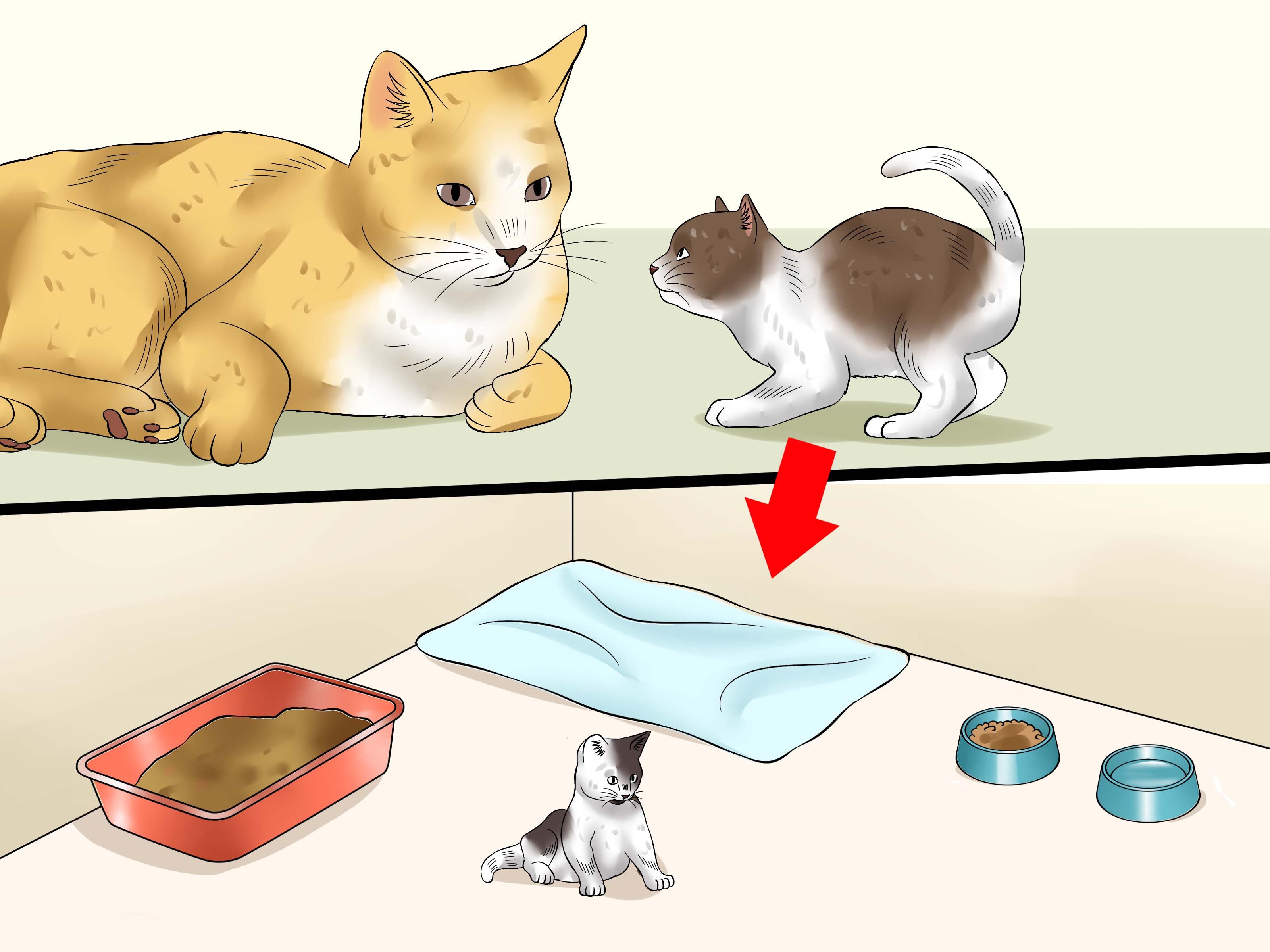
Before adoption, kittens should spend time in a safe, clean area with food, water, litter boxes, bedding, toys, and hiding spots. The room should be warm, quiet, and easy to sanitize. Remove cords, toxic plants, small objects, reclining furniture hazards, and anything breakable. Kittens do not understand “decorative ceramic bowl.” They understand “new mountain.”
Step 3: Schedule a Veterinary Check
Before kittens go to new homes, a veterinarian should check their overall health. Ask about deworming, flea treatment, vaccinations, testing recommendations, and the right timing for spay or neuter surgery. Many shelters and rescue programs use weight and age milestones for pediatric spay and neuter, often around eight weeks and about two pounds when the kitten is healthy, though the final decision belongs to a veterinarian.
Provide adopters with all medical records, including dates of deworming, flea treatment, vaccines, and any illness or medication. This prevents confusion and helps the new veterinarian continue care smoothly.
Step 4: Separate One Kitten at a Time if Possible
If the litter is being adopted into different homes, avoid removing all kittens at once unless necessary. Gradual separation gives the mother cat time to adjust and reduces stress. If one kitten leaves and the others remain for a short period, the mother still has familiar babies around her. If the whole litter disappears in one afternoon, she may search, call, or become anxious.
When possible, send kittens home in pairs, especially bonded siblings. Two kittens often entertain each other, learn together, and burn off energy in ways that do not involve climbing curtains like tiny mountaineers.
Step 5: Keep the Mother Cat Comfortable
After kittens leave, the mother cat may need emotional and physical support. Keep her routine steady. Provide fresh water, good food, a quiet resting place, and affection if she wants it. Some mother cats seem relieved when the kittens leave. Others search or vocalize for a few days. Both reactions can be normal.
Watch her mammary glands after weaning. If they become hot, painful, hard, swollen, or discolored, or if she seems feverish or lethargic, contact a veterinarian. Sudden weaning can sometimes contribute to discomfort or inflammation. Gradual weaning is kinder to her body.
Special Case: Outdoor, Stray, or Community Cat Mothers
If you find kittens outdoors, do not assume they are abandoned just because the mother cat is not visible. Mother cats often leave to find food or hide when humans are nearby. If kittens are warm, clean, quiet, and plump, their mother is likely caring for them. Watch from a distance. Standing over the nest like a worried helicopter can prevent the mother from returning.
If the kittens are sick, cold, injured, covered in ants or fleas, crying continuously, or in immediate danger, they need help right away. Otherwise, the safest plan is often to leave healthy young kittens with their mother until they are old enough for weaning, socialization, and veterinary care.
When to Bring Outdoor Kittens Indoors
For kittens born to a friendly mother cat, keeping the family together indoors until the kittens are ready for adoption is ideal. For kittens born to a feral or unsocialized mother, the decision can be more complicated. Young kittens may be brought indoors for socialization once they are old enough to eat on their own or when a rescue group advises it. The mother cat should be humanely trapped, spayed, vaccinated when possible, and returned if she is truly feral and healthy enough for release.
Do not attempt trapping or separation without a plan. Contact a local shelter, rescue group, TNR program, or veterinarian for guidance. Good intentions are wonderful, but kittens require warmth, feeding schedules, parasite control, and careful monitoring. Cute does not mean low-maintenance.
Preparing Kittens for Adoption
A smooth adoption starts before the adopter arrives. Your job is to send home not just a kitten, but a kitten with a support system.
Socialize Gently Every Day
Handle kittens calmly for short periods. Touch paws, ears, and tails gently. Introduce soft brushing. Let them hear normal household sounds at low levels, such as conversation, dishwashing, footsteps, and a television. Avoid overwhelming them with loud noises, rough handling, or too many visitors at once.
Use toys instead of hands for play. Wand toys, soft balls, and small plush toys teach kittens what is appropriate to bite and chase. If a kitten bites your hand, redirect to a toy. Do not punish. Kittens respond best to consistency, patience, and snacks, which honestly is true for many adults too.
Introduce Carriers Early
Leave a carrier open in the kitten room with soft bedding inside. Add treats or toys so kittens see the carrier as a cozy cave rather than a mysterious plastic spaceship. This makes vet visits and adoption day less stressful.
Take Good Adoption Photos
Clear, bright photos help kittens find homes faster. Photograph each kitten individually and note identifying features. “The orange one” is not helpful when there are four orange kittens and all of them look like tiny breakfast pastries.
Screen Adopters Carefully
Ask potential adopters whether they have experience with cats, whether pets are allowed in their housing, whether they understand kitten costs, and whether they plan to keep the cat indoors or provide safe outdoor access only. Discuss spay and neuter expectations, vaccines, scratching posts, litter boxes, and the importance of patience during the transition.
A responsible adopter should understand that kittens are not decorative throw pillows. They are living animals with medical needs, emotional needs, and a lifelong talent for sitting exactly where you planned to work.
What to Send with Each Kitten
Each adopted kitten should leave with a small transition kit. This reduces stress and helps the new home start successfully.
- Medical records and vaccination information
- Deworming and flea treatment dates
- Current food brand and feeding schedule
- A small amount of familiar food
- A blanket or toy carrying the scent of the mother and littermates
- Litter type used in the foster home
- Notes about personality, habits, and favorite toys
Keeping food and litter consistent for the first week can help prevent stomach upset and litter box confusion. New adopters can transition foods gradually later if needed.
Helping the Kitten Adjust After Adoption
The first few days in a new home should be calm. A kitten should begin in one small room with food, water, litter, bedding, toys, and hiding places. This helps the kitten learn the location of essentials before exploring the entire home. A full house can feel enormous to a tiny kitten. Even a studio apartment looks like a national park when your legs are three inches long.
Adopters should let the kitten approach at its own pace. Some kittens walk out of the carrier ready to conquer the sofa. Others hide behind the laundry basket and reconsider their life choices. Both are normal. Patience builds trust.
First Vet Visit After Adoption
New adopters should schedule a veterinary visit soon after adoption, especially if the kitten has not already received a complete exam. The veterinarian can confirm vaccine timing, parasite prevention, nutrition, spay or neuter plans, and any health concerns.
Common Mistakes to Avoid
Separating Kittens Too Early
Taking kittens before they are fully weaned and socially ready is one of the biggest mistakes. Even if a kitten seems independent at six weeks, waiting longer usually produces a healthier, calmer, better-adjusted pet.
Removing the Whole Litter Suddenly
Whenever possible, avoid abrupt removal of all kittens. Gradual separation is gentler for the mother cat and can reduce searching or distress.
Skipping Veterinary Care
Kittens can carry parasites, fleas, respiratory infections, or other issues that are not obvious at first glance. A vet check protects the kitten, the adopter, and any pets already in the adopter’s home.
Adopting to the First Person Who Says “Awww”
Enthusiasm is nice. Preparedness is better. A good adopter understands cost, time, safety, veterinary care, and the long-term commitment. A kitten can live well into its teens or beyond. Adoption is not a weekend hobby; it is a relationship.
Experience-Based Tips: What Separating Kittens Really Looks Like
In real life, separating kittens from a mother cat is rarely as tidy as a checklist. The best experiences usually come from moving slowly and observing the family as individuals. One litter may be bold, chunky, and ready to explore at eight weeks. Another may include a shy runt who needs extra time, extra meals, and extra confidence. The calendar gives you a guideline, but the kittens tell you the truth.
A practical example: imagine a friendly mother cat with four kittens in a foster room. At four weeks, the kittens begin sampling wet food. At first, they mostly step in it. By five weeks, two kittens are eating eagerly, one is interested but messy, and one still prefers nursing. Instead of forcing the slow kitten, the caregiver offers small meals several times a day, keeps mom nearby, and weighs each kitten daily. By seven weeks, all four are eating, using the litter box, and wrestling like tiny professional athletes. At eight weeks, they visit the veterinarian. Two are ready for adoption soon, while the smaller kitten stays another week. That extra week can make the difference between “struggling” and “thriving.”
Another common experience involves the mother cat. Some moms become less interested in nursing as kittens grow teeth, which is understandable. Nobody enjoys being treated like a milk bar by customers with needles. These mothers may naturally spend more time away from the litter, sleep on higher surfaces, or gently correct pushy kittens. This is part of the weaning process. Other mother cats remain devoted and call anxiously when kittens leave. For those cats, gradual separation, familiar bedding, and a predictable routine can help.
Adoption day itself works best when it is quiet. Feed the kitten a normal meal a few hours before travel, place familiar bedding in the carrier, and avoid long goodbyes with lots of handling. The adopter should take the kitten directly home and set up a small starter room. Big welcome parties are for humans. Kittens prefer soft voices, safe corners, and the discovery that food still exists in this strange new kingdom.
One of the most helpful habits is writing a short personality note for each kitten. For example: “Milo is confident and food-motivated. He loves wand toys and may yell politely at dinner.” Or: “June is shy at first but purrs when held against your chest. Give her a quiet room for the first few days.” These notes help adopters understand that behavior during transition is not the kitten being “bad.” It is communication.
If two kittens are bonded, adopting them together can be a wonderful choice. They comfort each other, play together, and teach each other boundaries. Many adopters worry that two kittens are double the work, but in some homes, two compatible kittens are actually easier than one lonely kitten with unlimited energy and a passionate interest in attacking ankles.
Finally, remember that separation is not just about the kittens. If the mother cat is friendly, she also deserves a plan. Once her kittens are weaned and she is medically ready, she should be spayed to prevent another litter. If she is adoptable, find her a home too. Mother cats are often overlooked because kittens get all the attention, but many are affectionate, grateful, and far less likely to swing from the curtains at 2 a.m. That deserves respect.
Conclusion
Learning how to separate kittens from a mother cat for adoption is really about learning when not to rush. Kittens need time with their mother for milk, warmth, grooming, confidence, and early social lessons. They need time with littermates to learn bite control, play behavior, and feline communication. In most cases, eight weeks is the minimum age for adoption, while 10 to 12 weeks is often better when circumstances allow.
The best adoption plan starts with gradual weaning, daily socialization, veterinary care, clean records, careful adopter screening, and a calm transition. Watch each kitten as an individual. Support the mother cat. Send adopters home with clear instructions and familiar supplies. Done well, separation is not a traumatic break; it is a thoughtful handoff from one safe chapter to the next.
And yes, you may feel emotional when the kittens leave. That is normal. You helped turn tiny squeaking potatoes into future couch supervisors. That is important work.
SEO Tags
Note: This article synthesizes current guidance from reputable U.S. veterinary, shelter medicine, humane society, rescue, and animal welfare resources. Always consult a licensed veterinarian or local shelter professional for advice about a specific kitten, mother cat, illness, outdoor litter, or adoption situation.