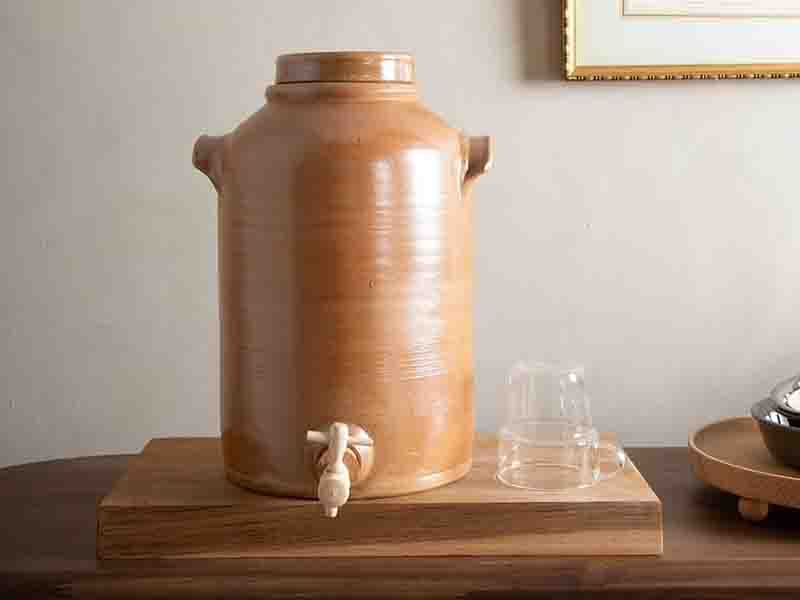
A Bonny Sur Loire Vintage Water Storage Jug is the kind of home object that makes a kitchen look as if it has been quietly collecting stories for generations. It is not flashy. It does not beep, sync to an app, or remind you to hydrate with a tiny judgmental notification. Instead, it sits on a counter with calm French confidence, doing what well-made stoneware has done for centuries: holding liquid, adding texture, and making everyday rituals feel a little more intentional.
At first glance, this jug appears simple: a rustic stoneware vessel, often seen in salt or brown glaze, with a sturdy silhouette and old-world character. But look closer and you begin to see why vintage French kitchen pottery has become such a favorite among collectors, stylists, decorators, and people who believe plastic pitchers have had a suspiciously long reign over the dining table. The Bonny-sur-Loire style connects practical food storage, French farmhouse design, artisan ceramic tradition, and modern slow-living aesthetics in one handsome object.
This article explores what makes the Bonny Sur Loire Vintage Water Storage Jug special, how it fits into the broader world of French stoneware, what buyers should know before using vintage ceramics for drinks, and how to style it beautifully at home. Consider it your friendly guide to a jug that looks humble but has excellent table manners.
What Is a Bonny Sur Loire Vintage Water Storage Jug?
The phrase Bonny Sur Loire Vintage Water Storage Jug generally refers to a French-inspired stoneware water vessel associated with the pottery traditions of Bonny-sur-Loire, a small town in central France, and the broader heritage of rustic French kitchen ceramics. Product listings and vintage dealers often connect these jugs with Poterie Renault, Bonny-sur-Loire pottery, Grès de Bonny, and traditional salt-glazed stoneware.
These pieces are typically described as durable, handmade or hand-finished, and finished in earthy glazes such as salt, caramel brown, tan, gray-brown, or mottled neutral tones. Some examples are marketed as vintage, while others belong to newer collections inspired by old French kitchen forms. The larger water storage versions can hold several liters, making them both decorative and functional when confirmed safe for use.
The appeal is easy to understand. Unlike a glass pitcher that vanishes visually on a shelf, or a stainless steel container that looks like it might be training for a marathon, this jug has presence. It brings weight, warmth, and a sense of human touch. The glaze is rarely perfectly uniform. The surface may have speckles, streaks, firing marks, small glaze variations, or the soft irregularities that make handmade-style ceramics feel alive.
The French Stoneware Tradition Behind the Look
To appreciate this jug, it helps to understand the material: stoneware. Stoneware is a high-fired ceramic known for its strength, density, and relative resistance to water absorption. Historically, it was widely used for jugs, crocks, bottles, storage jars, vinegar pots, cider vessels, and other kitchen workhorses long before plastic containers arrived and began multiplying in cupboards like very organized rabbits.
French stoneware, especially rustic kitchen stoneware, was built around usefulness. These were not precious objects reserved only for special guests who knew which fork to use. They were made for the pantry, cellar, farm table, market, and family kitchen. A jug might hold water, cider, wine, milk, oil, or vinegar. A crock might store preserved meats, rillettes, pickles, or dry goods. The forms were sturdy because life was sturdy.
Why Salt Glaze Matters
Many Bonny-sur-Loire and Poterie Renault-style pieces are associated with salt-glazed stoneware. Salt glazing is a traditional firing technique in which salt is introduced into a hot kiln. At high temperatures, the sodium reacts with silica in the clay body, forming a glassy surface. The result is often a glossy, slightly textured finish with subtle orange-peel character.
Salt glaze is loved because it is practical and beautiful at the same time. It can create a hard, durable surface, and depending on the clay and firing atmosphere, it may produce shades of cream, gray, honey, brown, or deep caramel. No two pieces look exactly alike, which is excellent news for anyone who enjoys owning something with personality and terrible news for people who demand that every object in their home match like hotel lobby furniture.
Bonny-sur-Loire, Grès de Bonny, and Poterie Renault
Bonny-sur-Loire has appeared in the antique and vintage market through pieces marked or described as Grès de Bonny, often translated as Bonny stoneware. Vintage sellers frequently describe these items as handmade French stoneware, including pitchers, crocks, jugs, bottles, and storage jars. Some examples are dated broadly to the mid-20th century, while others are identified by form, stamp, glaze, or dealer attribution.
Poterie Renault, another name often appearing with this category, is known for classic French kitchen goods and salt-glazed stoneware. The brand’s reputation rests on long-running family pottery traditions, utilitarian forms, and the kind of rustic beauty that makes a modern kitchen look instantly less showroom and more “someone here knows how to make a proper vinaigrette.”
When shopping, it is important to separate verified details from romantic sales language. A product may be inspired by Bonny-sur-Loire pottery, made by Poterie Renault, sourced as vintage French stoneware, or simply styled in that tradition. The best listings provide measurements, capacity, material, condition notes, origin, markings, and clear photographs of the base, handle, lip, interior, and glaze.
Design Features That Make the Jug Desirable
1. Earthy Glaze and Natural Color Variation
The most recognizable feature is the glaze. Bonny-sur-Loire-style jugs often have a salt or brown finish that shifts in color depending on light. A jug may look warm caramel near a window, smoky taupe on a shelf, and deep brown under evening light. These color variations are part of the charm, not a defect.
2. A Practical, Sturdy Shape
Water storage jugs tend to have generous bodies, stable bases, and functional handles. The form is meant to be carried, poured, and used. Even when a vintage jug is kept only for decoration, the shape still communicates purpose. That is why it works so well in interiors: the eye trusts it.
3. Handmade Character
Collectors love small irregularities: a slightly uneven rim, a glaze drip, a hand-thrown curve, a minor firing mark, or a base stamp that is not perfectly centered. These details remind us that ceramics are made from earth, fire, water, and human decisions. Also, occasionally, gravity having opinions.
4. Decorative Flexibility
A Bonny Sur Loire Vintage Water Storage Jug can fit into French country, cottage, farmhouse, minimalist, rustic modern, Mediterranean, traditional, and even industrial interiors. It can soften a sleek kitchen, add authenticity to a vintage shelf, or make a dining table look more collected without trying too hard.
How to Use a Bonny Sur Loire Vintage Water Storage Jug
If the jug is modern and clearly labeled food-safe, it can be used for water, iced tea, lemonade, or table service according to the seller’s care instructions. If it is genuinely vintage or antique, proceed with caution. Older ceramic glazes may contain lead or other substances that are not safe for food or drink, especially if the glaze is cracked, chipped, worn, or untested.
The safest approach for vintage pieces is simple: if you cannot verify food safety, use the jug decoratively. That does not make it less valuable. In fact, many collectors intentionally use vintage stoneware as shelf styling, flower vessels, utensil holders, or sculptural accents. A jug does not have to pour water to earn its spot in the kitchen. Sometimes it just needs to stand there looking like it knows secrets from 1968.
Decorative Uses
Use the jug as a vase for olive branches, dried lavender, eucalyptus, wildflowers, or bare winter twigs. Place it on open shelving beside linen napkins, wood boards, copper pans, or stacks of ironstone plates. Let it anchor a kitchen island with seasonal branches. In a dining room, set it on a sideboard with candles and a bowl of fruit. In a bathroom, it can hold long-stemmed greenery or simply sit as a rustic accent.
Functional Uses, Only When Food-Safe
If confirmed safe for beverages, the jug can serve chilled water at dinner, infused water with cucumber and mint, iced herbal tea, or lemonade. Avoid sudden temperature shocks unless the seller confirms the piece can handle them. Do not pour boiling liquid into a vintage jug. Do not store acidic beverages for long periods in uncertain ceramics. When in doubt, let modern glass do the risky work and let the stoneware look beautiful.
How to Identify a Quality Vintage Stoneware Jug
Shopping for a Bonny Sur Loire Vintage Water Storage Jug requires a mix of curiosity and detective work. Start with the base. Look for impressed marks, stamps, handwritten labels, or maker signatures. Terms such as Grès de Bonny, Fait Main, France, or references to Bonny-sur-Loire can add interest, although markings alone should not be treated as full authentication without context.
Next, inspect the condition. Minor surface wear is normal in vintage pottery. Small firing marks, glaze skips, or age-related patina may add character. However, cracks, deep chips, unstable repairs, interior staining, or powdery residue can reduce usability and value. A hairline crack may be acceptable for display but not ideal for holding liquid.
Ask for dimensions and weight. Large stoneware jugs can be heavier than expected, especially when filled. A five-liter water storage jug, for example, is not the kind of object you casually wave around while telling a story. It deserves a stable counter, strong shelf, or table that has emotionally prepared itself.
Styling Ideas for Modern Homes
French Farmhouse Kitchen
Pair the jug with butcher-block counters, linen towels, ceramic bowls, brass hardware, and wood cutting boards. Add a small bowl of lemons or garlic nearby for that “I just returned from the market” look, even if the market was actually a supermarket parking lot during rush hour.
Minimalist Interior
In a minimalist space, let the jug be the textured focal point. Place it on a simple shelf or console with only one or two companion objects. The roughness of stoneware contrasts beautifully with smooth plaster walls, pale oak, concrete, or matte black accents.
Rustic Dining Table
Use it as the centerpiece of a relaxed tablescape. Surround it with woven placemats, simple plates, clear glasses, and seasonal greenery. If the jug is not food-safe, fill a removable glass insert with flowers so the ceramic itself does not contact water.
Collected Vintage Shelf
Combine the jug with old cookbooks, antique crocks, small oil paintings, vintage glass bottles, and handmade bowls. The goal is not clutter; it is curation. A good shelf should look collected over time, not attacked by a flea market.
Care and Cleaning Tips
Stoneware is durable, but vintage stoneware deserves gentle handling. Dust decorative pieces with a soft cloth. If cleaning is needed, use warm water and mild soap. Avoid harsh abrasives, bleach, soaking for long periods, or dishwashers unless the seller clearly states the piece is dishwasher-safe. Many vintage ceramics are happiest when treated like respected elders: gently, patiently, and without being shoved into a machine.
For water-safe modern pieces, rinse thoroughly after use and allow the interior to dry completely before storing. Avoid leaving liquids inside for extended periods unless the vessel is designed for that purpose. If the jug has a cork, lid, or spigot, clean those parts separately according to material. Cork, wood, and metal age differently from stoneware.
Is It Worth Buying?
A Bonny Sur Loire Vintage Water Storage Jug is worth considering if you value craftsmanship, rustic European design, and objects that combine history with everyday beauty. It is especially appealing for people who decorate with natural materials: wood, linen, clay, stone, iron, and aged metals. It is less ideal for someone who wants a lightweight, dishwasher-safe pitcher for daily family chaos. For that, a modern glass pitcher may be the more practical hero.
Prices vary widely depending on size, age, condition, rarity, seller, and provenance. Smaller vintage French stoneware pitchers may be affordable, while larger water storage jugs or well-documented pieces can command higher prices. When comparing listings, look beyond the word “vintage.” A strong listing should explain what the item is, show clear photos, describe flaws honestly, and provide measurements.
Experience Notes: Living With a Bonny Sur Loire Vintage Water Storage Jug
The real charm of a Bonny Sur Loire Vintage Water Storage Jug appears after it enters daily life. On day one, you may place it carefully on a counter, step back, and admire how it instantly makes the kitchen feel warmer. By day three, you start noticing how the glaze changes with the light. Morning sun brings out honeyed tones. Afternoon shade makes the jug look quieter and older. At night, under soft lamps, it becomes almost sculptural.
One of the best experiences is using it as a seasonal styling piece. In spring, it looks beautiful with loose branches, small blossoms, or herbs from the garden. In summer, it can sit beside a tray of glasses and citrus, suggesting cold water and slow lunches, even if everyone is actually eating sandwiches in twelve minutes. In autumn, it pairs naturally with pears, walnuts, dried grasses, and warm wood. In winter, bare branches or evergreen stems give it a simple, old-world mood.
Another pleasure is how well it slows down the visual pace of a room. Modern kitchens are full of straight lines, glossy finishes, appliances, screens, cords, and reflective surfaces. A stoneware jug interrupts that speed. It has curves. It has weight. It looks handmade. It reminds the room that not everything needs to be optimized, upgraded, or plugged in. Sometimes a jug can simply be a jug, and somehow that feels rebellious.
Collectors also enjoy the hunt. Finding the right Bonny-sur-Loire-style jug can feel like a tiny treasure chase through antique shops, brocantes, estate sales, online vintage stores, and design boutiques. Photos matter, but seeing one in person is even better. You can feel the heft, inspect the glaze, check the base, and decide whether its imperfections are charming or concerning. The best pieces have a quiet confidence. They do not scream for attention; they wait for you to notice them.
In practical home use, many owners choose to treat vintage examples as decorative rather than beverage-safe. That decision does not diminish the experience. A jug used as a vase, utensil holder, shelf anchor, or centerpiece can still become one of the most beloved objects in the house. Guests often ask about it because it looks like it came from somewhere specific. It has a sense of place, which is rare in mass-produced décor.
The jug also photographs beautifully, which matters for bloggers, decorators, shop owners, and anyone styling a web article or social media post. It adds texture without stealing the scene. Place it beside bread, linen, fruit, herbs, or ceramics and it immediately creates a story: simple food, slow mornings, countryside kitchens, and the kind of life where someone definitely owns a good loaf knife.
The only real challenge is restraint. Once you buy one piece of rustic French stoneware, more pieces begin to look very reasonable. A small crock joins the shelf. Then a bottle. Then a bowl. Suddenly your kitchen is speaking fluent French country, and you are explaining to a friend why a 50-year-old vinegar jar is “actually incredibly versatile.” This is how collections begin: not with logic, but with one beautiful jug that made the counter look better.
Conclusion
The Bonny Sur Loire Vintage Water Storage Jug is more than a container. It is a piece of design history, a nod to French kitchen utility, and a deeply attractive object for modern homes craving warmth and authenticity. Whether connected to Grès de Bonny, Poterie Renault, or the broader tradition of French salt-glazed stoneware, its appeal lies in the same qualities that made old kitchen pottery useful in the first place: strength, simplicity, and honest beauty.
For collectors, it offers history and character. For decorators, it provides texture and sculptural weight. For practical users, it may serve beverages if clearly verified as food-safe. For everyone else, it can stand proudly on a shelf, hold flowers, anchor a table, or quietly outperform half the trendy décor items currently fighting for attention online.
Note: This article is written for web publication and is based on publicly available product, vintage-market, ceramic-care, and design information. For vintage ceramics, always confirm food safety before using any jug to serve or store drinks.