A recipe asks for one tablespoon of olive oil, but the tablespoon measure has vanished into the same dimension as missing socks and food-container lids. Should you grab a dinner spoon, pour until it “looks right,” or surrender and order pizza?
Fortunately, measuring a tablespoon is simple once you know the standard equivalents. In a U.S. recipe, one tablespoon equals three teaspoons, one-half fluid ounce, one-sixteenth cup, or approximately 15 milliliters. Those conversions work for wet and dry ingredients, although the measuring technique changes with flour, oil, honey, butter, and other ingredients that behave differently in a spoon.
How Much Is One Tablespoon?
| Measurement | Equivalent to 1 U.S. tablespoon |
|---|---|
| Teaspoons | 3 teaspoons |
| Fluid ounces | 1/2 fluid ounce |
| Cups | 1/16 cup |
| Milliliters | About 15 mL |
The exact U.S. customary conversion is about 14.79 milliliters, while American kitchen charts and nutrition-labeling rules generally round a tablespoon to 15 milliliters. A teaspoon is treated as about 5 milliliters, which is why three teaspoons equal one tablespoon.
Is a Tablespoon the Same Everywhere?
Not always. Customary cooking measures can differ between countries, so check the metric quantities when following an international recipe. A small difference may be harmless in soup, but it can matter with salt, gelatin, baking soda, yeast, or concentrated flavoring. When a recipe lists milliliters alongside tablespoons, the metric quantity is the safest reference.
How to Measure a Tablespoon With a Measuring Spoon
Measuring Dry Ingredients
- Select the spoon marked “1 Tbsp” or “1 tablespoon.”
- Loosen the ingredient if it has settled in its container.
- Fill the spoon slightly above the rim.
- Run a straight knife or spatula across the top.
- Use the level spoonful unless the recipe says “rounded” or “heaping.”
Leveling is especially important for flour, cocoa, cornstarch, baking powder, baking soda, and salt. Packing a powder puts more of it into the same volume. That may not ruin cinnamon toast, but extra baking soda can change both flavor and rise. Culinary and university-extension guidance recommends filling and leveling dry measures rather than compressing them.
Measuring Liquid Ingredients
Hold the tablespoon over a small bowl or rest it on a level surface. Pour until the liquid reaches the rim without spilling, then transfer it carefully. Measuring spoons are suitable for small quantities of wet and dry ingredients, including water, milk, oil, vinegar, vanilla, and lemon juice.
Measuring Sticky or Thick Ingredients
Spoon peanut butter, honey, molasses, mayonnaise, sour cream, or yogurt into the measure, press out large air pockets, and level the top. A very light coating of neutral oil or nonstick spray helps sticky ingredients release cleanly. Measuring oil first and honey second also leaves a useful slippery film.
How to Measure a Tablespoon Without a Tablespoon
1. Use Three Teaspoons
The easiest and most accurate substitute is:
1 tablespoon = 3 level teaspoons
Measure three times with a standard teaspoon measure. For half a tablespoon, use one and one-half teaspoons. For one-third tablespoon, use one teaspoon. For two tablespoons, use six teaspoonsat which point you may appreciate why the larger spoon exists.
2. Measure 15 Milliliters
Use a metric measuring cup, graduated kitchen beaker, or clean food-only syringe to measure 15 mL. This method works particularly well for water, oil, vinegar, extracts, and syrups.
Safety note: Do not use a household spoon to measure liquid medicine. Kitchen flatware varies in capacity, and medication should be measured with the supplied dosing cup, oral syringe, or another device recommended by a pharmacist.
3. Use One-Half Fluid Ounce
If a small liquid measuring cup shows fluid ounces, fill it to the 1/2-fluid-ounce mark. A large pitcher is less useful because tiny quantities are difficult to read accurately against widely spaced markings. Measuring half an ounce in a two-quart jug is a little like checking the width of a paper clip with a yardstick.
4. Convert From Cups
- 1/8 cup = 2 tablespoons
- 1/4 cup = 4 tablespoons
- 1/2 cup = 8 tablespoons
- 1 cup = 16 tablespoons
These conversions are more useful for larger quantities than for a single tablespoon. Use one-eighth cup for two tablespoons, one-quarter cup for four, and one-half cup for eight. Trying to fill a quarter-cup measure exactly one-fourth full is possible, but it is an estimate rather than a precision method.
5. Use a Kitchen Scale
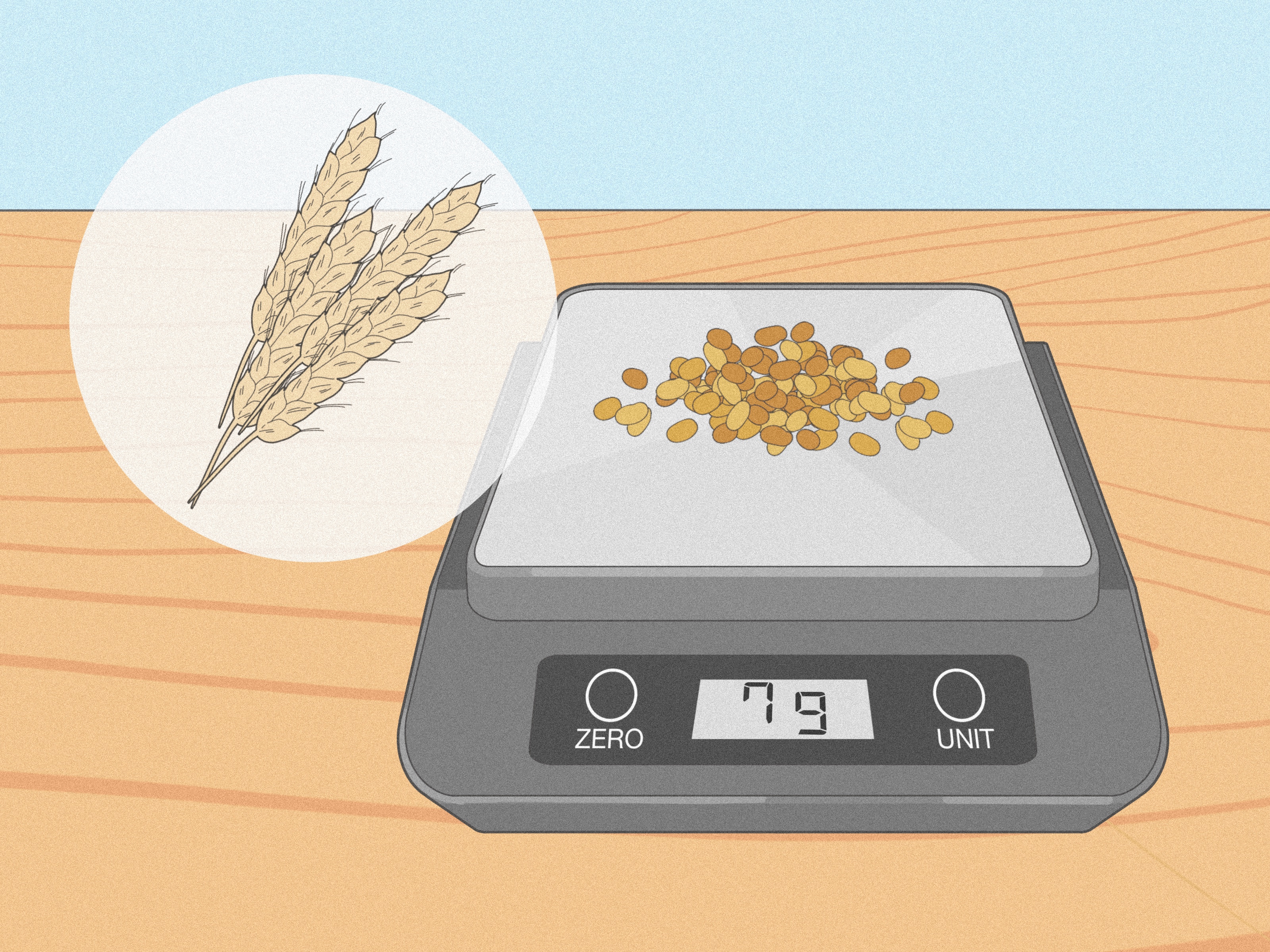
A scale works only when you know the weight of one tablespoon of the specific ingredient. Milliliters measure volume; grams measure mass. About 15 mL of water weighs about 15 grams, but the same volume of flour weighs less, while honey weighs more.
Use a trusted ingredient-weight chart or a recipe that already provides grams. Place a bowl on the scale, press the tare or zero button, and add the stated weight. Never assume that every tablespoon weighs 15 grams.
Can You Use a Regular Spoon as a Tablespoon?
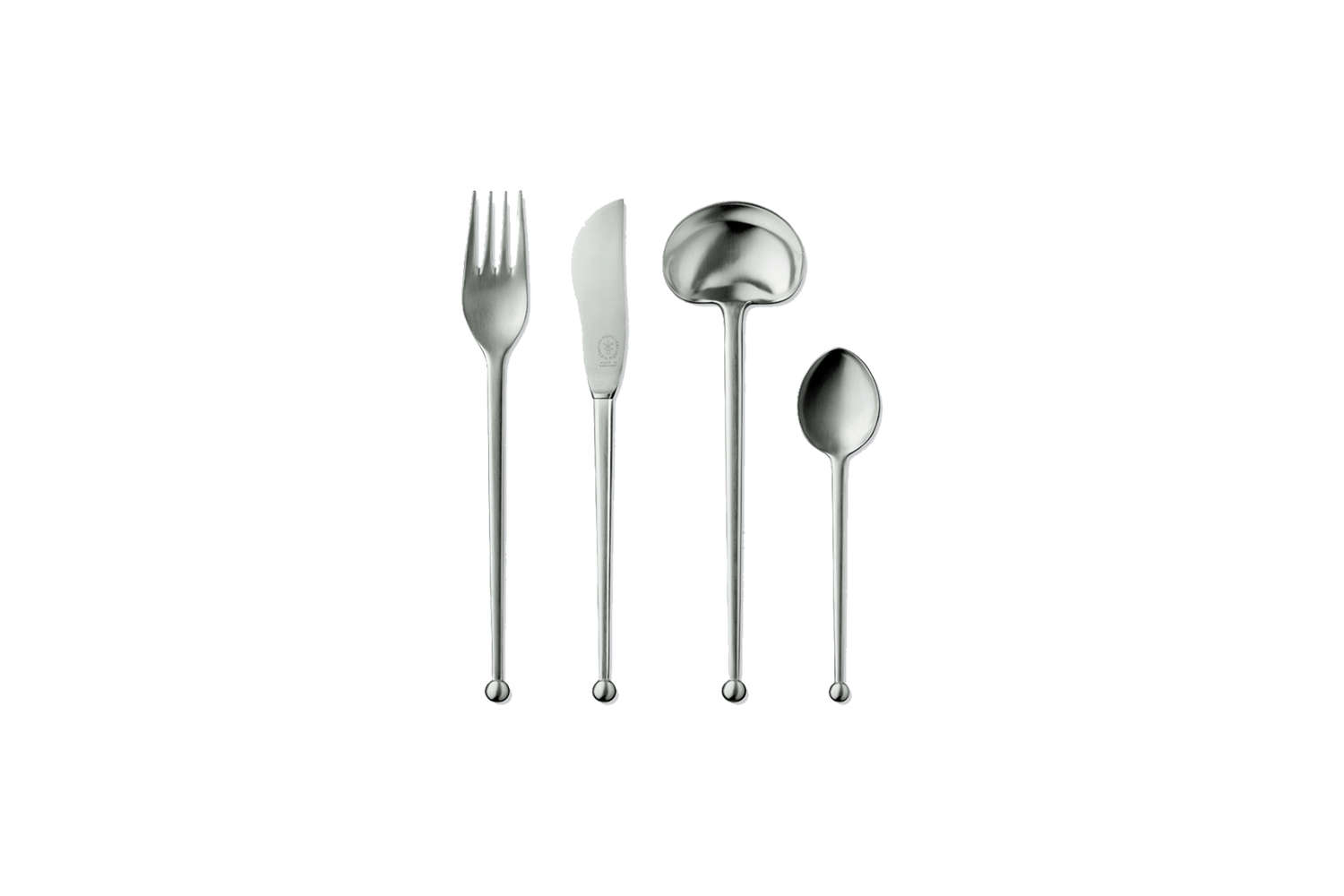
An ordinary dinner spoon can provide a rough estimate, but it is not a dependable tablespoon measure. Flatware is made for eating and serving, not standardized capacity. A shallow spoon may hold less than 15 mL, while a deep serving spoon may hold considerably more.
In a flexible dish such as soup, stew, salad dressing, or sautéed vegetables, an approximate spoonful of oil or seasoning may be acceptable because you can taste and adjust. In baking, candy making, preserving, or recipes involving leaveners, thickeners, strong extracts, or carefully balanced salt, use a standardized measure.
How to Test a Household Spoon
Fill the spoon with water and transfer it to a container marked at 15 mL. If the amount matches, the spoon can serve as an emergency approximation for ordinary cooking. It still will not be as consistent as a measuring spoon because the fill level and the amount spilled while carrying it can vary.
Level, Rounded, and Heaping Tablespoons
- Level tablespoon: The ingredient is even with the rim. This is the default when a recipe simply says “1 tablespoon.”
- Rounded tablespoon: A modest mound rises above the rim. The amount is not standardized.
- Heaping tablespoon: The spoon carries a generous mound. This is also imprecise.
Rounded and heaping measures are best reserved for forgiving ingredients such as chopped herbs, grated cheese, breadcrumbs, or chocolate chips. Use level measures for baking powder, baking soda, salt, cornstarch, and other ingredients whose small quantity can strongly affect the result.
How to Measure Common Ingredients Correctly
Flour, Cocoa, and Powdered Sugar
Loosen the ingredient, spoon it gently into the tablespoon, and level it. Do not pack it unless the recipe specifically says to do so. Fine powders settle during storage, so digging the spoon forcefully into the container can produce a denser amount.
Granulated Sugar and Salt
Fill the spoon slightly above the rim and level it with a straight edge. These free-flowing crystals usually settle evenly without pressing. Measure over the original container or a separate bowl so the excess does not become floor seasoning.
Brown Sugar
If the recipe calls for packed brown sugar, press it firmly into the spoon to remove air gaps, then level it. Properly packed brown sugar should briefly hold the spoon’s shape when turned out.
Butter and Shortening
U.S. butter wrappers often mark tablespoons, allowing you to cut one tablespoon from the stick. Without markings, press softened butter into the spoon, remove air gaps, level it, and scrape it out. Do not melt the butter unless the recipe specifically asks for melted butter.
Chopped Ingredients
Read the order of the words carefully. “One tablespoon chopped parsley” means chop first and then measure. “One tablespoon parsley, chopped” can mean measure first and chop afterward. In casual cooking the difference is small, but the wording still carries instructions in its tiny grammatical backpack.
Common Tablespoon-Measuring Mistakes
- Confusing Tbsp with tsp; a tablespoon holds three times as much.
- Using an eating spoon as though it were standardized.
- Serving a heaping spoon when the recipe expects a level one.
- Packing flour, cocoa, or powdered sugar.
- Assuming 15 mL always equals 15 g.
- Ignoring the measurement system used by a foreign recipe.
- Measuring salt or baking soda directly over the mixing bowl, where one slip becomes a rescue mission.
When Accuracy Matters Most
Precision matters when a small ingredient has a large effect. Baking soda, baking powder, yeast, gelatin, cornstarch, salt, extracts, food coloring, and hot spices can noticeably change a recipe when overmeasured. Baking also depends on ratios among flour, fat, sugar, liquid, and leavening.
Savory cooking is usually more forgiving. A little extra olive oil in a skillet or vinegar in a large pot can often be corrected by tasting. A practical rule is to measure carefully when chemistry is doing the cooking and taste as you go when flavor is doing most of the work.
Practical Kitchen Experiences: What Usually Happens in Real Life
The most familiar tablespoon emergency occurs halfway through a recipe, when the measuring spoon is dirty, missing, or buried beneath three forks in the dishwasher. The fastest accurate response is three teaspoons, not a random dinner spoon. It feels slightly fussy, but it prevents a larger problem when the ingredient is baking powder, salt, or cornstarch. Thirty extra seconds at the counter can save an hour of wondering why the muffins taste like a science project.
Sticky ingredients create a different lesson. Honey may fill the spoon perfectly, yet a glossy layer remains behind when it is poured. The recipe receives less than a tablespoon while the sink receives the rest. Lightly oiling the spoon first allows the honey to leave in one clean ribbon. This works especially well in marinades, vinaigrettes, and baked goods that call for both oil and honey.
Flour causes quieter errors. One cook gently spoons and levels it; another digs into the bag and presses the flour against the side. Both appear to have one tablespoon, but the compressed spoonful is denser. In gravy, that difference may be adjustable. Repeated through a baking recipe, it can contribute to a dry or heavy result. Consistency matters more than speed: loosen, fill gently, and level every time.
Estimating with a dinner spoon is most successful in dishes that invite tasting. An approximate spoonful of lemon juice in salad dressing can be balanced with more oil, salt, or sweetness. The same approach is risky with baking powder because the final batter cannot easily be “tasted into balance.” Kitchen judgment includes knowing not only how to estimate, but when estimation is the wrong tool.
One useful habit is to test a frequently used household spoon before an emergency occurs. Measure 15 mL of water with an accurate graduated tool, pour it into the spoon, and observe the fill line. The spoon may prove close enough for oil in a skillet or vinegar in a marinade. It should still be treated as an approximation, but a tested approximation is far better than selecting whichever spoon looks the most ambitious.
Recipe scaling becomes easier once the basic relationships are memorized. Four tablespoons equal one-quarter cup, eight equal one-half cup, and sixteen equal one cup. Instead of counting twelve spoonfuls for a large batch, use three-quarter cup and avoid losing track at spoonful number nine. Five tablespoons can be measured as one-quarter cup plus one tablespoon; ten tablespoons become one-half cup plus two tablespoons.
Metric markings often rescue an incomplete kitchen. A small graduated cup can measure 15 mL directly, especially for liquids. The experience also reinforces an important boundary: milliliters measure volume, while grams measure mass. Water makes their numbers look conveniently similar, but oil, flour, honey, and peanut butter quickly expose the shortcut. Reliable cooking begins with choosing a standardized reference rather than relying on a spoon-shaped guess.
These everyday situations point to one broad principle: accuracy does not require expensive equipment, but it does require a reliable reference. A measuring tablespoon, three teaspoons, a 15 mL mark, or a verified ingredient weight can all work. A random spoon and optimistic confidence are less dependable, although they remain an excellent recipe for suspense.
Conclusion
To measure one tablespoon in a U.S. recipe, use one level tablespoon measure or substitute three level teaspoons, one-half fluid ounce, one-sixteenth cup, or approximately 15 milliliters. Level dry powders, fill liquids to the rim, pack brown sugar only when requested, and lightly grease the spoon for sticky ingredients.
A dinner spoon is acceptable only for forgiving recipes that can be tasted and adjusted. For baking and other precision-sensitive tasks, use a standardized tool. Once you remember that three teaspoons equal one tablespoon, a missing spoon becomes a minor inconvenience rather than a culinary cliffhanger.
Note: These conversions are for food preparation, not medication dosing. Always use the dosing device supplied with liquid medicine or one recommended by a pharmacist.