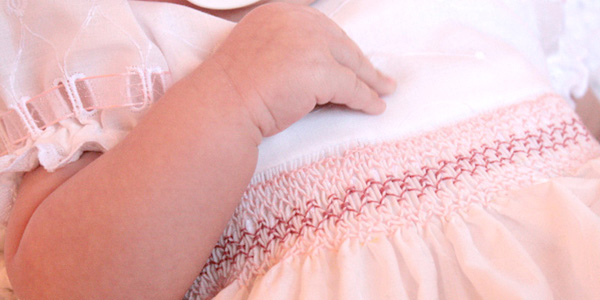
A blessing dress may be tiny enough to fit in one hand, yet it can carry generations of meaning. For many families, it represents faith, welcome, ancestry, and the hopeful beginning of a child’s life. istian baptism or christening, a church dedication, or a family naming ceremony. Those traditions are not identical, but they share one practical challenge: choosing ceremonial clothing that looks beautiful without making the guest of honor itchy, overheated, or personally offended by buttons.
The best blessing dress is not automatically the longest, whitest, or most expensive gown. It is the one that respects the ceremony, fits comfortably, photographs well, and survives the day with both its lace and everyone’s patience intact.
What Is a Blessing Dress?
A blessing dress is a special infant garment worn for a ceremony that welcomes, names, blesses, baptizes, or dedicates a child. In the United States, the phrase is especially common among members of The Church of Jesus Christ of Latter-day Saints. During a Latter-day Saint naming and blessing, a child receives a name and a priesthood blessing. This is not infant baptism; children in that faith may be baptized beginning at age eight.
White clothing is customary for many baby blessings, but an elaborate gown is not the spiritual centerpiece. A baby may wear a simple cotton dress, a long heirloom gown, a romper, or another neat outfit. In Catholic and some other Christian baptismal traditions, a white garment has a more explicit symbolic role, representing new life, purity, and “putting on Christ.” Parents should therefore ask their church or officiant about expectations rather than assuming every ceremony follows the same dress code.
Why Are Blessing Dresses Usually White?
White and ivory look ceremonial and have long-standing associations with innocence, renewal, and sacred beginnings. However, bright white is not mandatory in every tradition. Cream, milk white, pale champagne, and natural linen can be equally appropriate. An antique gown may have mellowed to ivory with age, and that warm color is often part of its character rather than a flaw.
Popular Blessing Dress Styles
Traditional Long Gown
The classic baby blessing gown falls below the feet and may feature lace panels, embroidery, pintucks, ribbon, or a scalloped hem. It creates a formal silhouette and leaves room for monograms or family fabric. Its drawback is practicality: extra length can bunch under the baby, catch on shoes, and complicate diaper changes. Look for a generous back opening and easy access beneath the skirt.
Short or Tea-Length Dress
A shorter blessing dress offers a polished look with less fabric to manage. It works well for warm weather, travel, active older infants, and post-ceremony gatherings. Smocking, embroidered cotton, lace trim, or a matching bonnet can make a short dress feel just as traditional as a floor-length gown.
Minimalist and Modern Designs
Modern blessing dresses favor clean lines, breathable materials, and limited decoration. A cotton A-line dress, linen gown, or smooth bodice with one embroidered motif keeps attention on the child. These styles are also easier to reuse for holidays, portraits, or another family celebration.
Heirloom and Repurposed Gowns
Some of the most meaningful dresses are made from a mother’s wedding gown, a grandmother’s veil, or lace saved from an earlier generation. A skilled dressmaker can preserve recognizable buttons, embroidery, or trim while creating a safe infant garment. Older silk and lace may be fragile, so sentimental fabric should be inspected before cutting. When the original gown is too delicate, a small panel or ribbon can be incorporated into a new dress instead.
Gender-Neutral Blessing Clothing
A blessing outfit does not have to be heavily ruffled or marketed for girls. Long infant gowns were historically worn by babies of both sexes, and modern options include cotton gowns, tailored rompers, bubble suits, linen sets, and soft one-piece outfits. Meaningful presentation matters more than forcing every baby into a cloud of tulle.
How to Choose the Right Blessing Dress
Begin With the Ceremony and Venue
Confirm where the event will occur, how formal it is, whether water or oil will be used, and how long the baby will be held. A long heirloom gown may suit a formal sanctuary, while a breathable short dress may be better for an outdoor dedication in July. Ask whether the congregation has customs concerning color, sleeves, head coverings, or baptismal clothing.
Put Comfort Before Decoration
Run your fingers over every surface that will touch the baby. Check the neckline, sleeve seams, zipper guard, lace edges, elastic, tags, and interior embroidery. A soft cotton lining can make a decorative outer layer much more wearable.
Avoid unnecessary layers and watch for sweating, flushed skin, or a hot chest. Lightweight cotton, linen, and cotton-silk blends are useful in warm rooms. In cooler weather, a removable cardigan or shawl is usually more flexible than a heavily padded gown. The ceremony is meaningful even if the baby is not dressed like a very small Victorian duchess.
Choose a Forgiving Fit
Infant sizes vary widely, so shop using the baby’s current chest, length, and weight rather than relying only on an age label. Leave room for a diaper, bent arms, normal kicking, and comfortable breathing. Try the entire outfit several days before the event. This reveals tight armholes, awkward fasteners, missing snaps, and the surprising possibility that the matching bonnet was designed for a decorative melon.
Inspect Fasteners and Decorations
Buttons, beads, pearls, bows, rosettes, and appliqués must be firmly attached. Loose pieces can become choking hazards. Avoid long cords, rough sequins near the face, sharp pins, and accessories that can slide over the nose or mouth. Decorative sashes should be secured and supervised.
Best Fabrics for a Baby Blessing Gown
Cotton
Cotton is breathable, soft, washable, and practical for sensitive skin. Cotton lawn, batiste, voile, pique, and sateen can all look elegant. It is often the best choice for summer ceremonies or families who want a garment that can be worn again.
Linen
Linen has a refined, natural texture and works beautifully for minimalist or vintage-inspired outfits. It softens with wear and breathes well, although it wrinkles easily. Linen considers wrinkles part of its personality.
Silk
Silk has a luminous finish and strong heirloom appeal. Dupioni, satin, and organza can create luxurious gowns, but they usually require careful cleaning and storage. Silk may also show water spots, an important consideration for baptismal ceremonies.
Polyester, Lace, and Tulle
Polyester satin can provide a formal appearance at a lower price and may resist wrinkles, but some versions trap heat or feel stiff. Lace and tulle add texture and volume, yet they are best used over a soft lining rather than directly against the skin. More lace is not automatically more sacred; sometimes it is simply more lace.
Accessories, Shopping, and Custom Options
Common accessories include bonnets, headbands, booties, socks, bloomers, cardigans, shawls, and personalized blankets. Choose only items that add comfort or meaning. Jewelry may look lovely in a flat-lay photograph but is rarely necessary on an infant.
Ready-made dresses are convenient, while local boutiques allow parents to inspect fabric and fit. Borrowing an heirloom saves money and adds family history, but it should be checked early for weak seams, stains, missing closures, and size problems. Home sewing creates a personal garment, and custom ordering helps when repurposing wedding fabric, matching twins, accommodating medical devices, or adjusting unusual proportions. Allow time for fittings because seamstresses, unlike babies, do not grow overnight.
Preparing the Dress for the Ceremony
Clean the garment according to its care label well before the event. Do not test a strong stain remover the night before. Steam or press it at the recommended temperature, place it in a clean breathable garment bag, and pack a backup outfit, spare diaper, wipes, towel, and basic stain cloth.
Dress the baby as late as practical, ideally after feeding. During travel, ceremonial clothing must not interfere with a properly fitted car-seat harness. Bulky gowns, coats, or layered skirts may need to be added after arrival.
Cleaning and Preserving a Blessing Dress
After the ceremony, address milk, formula, skin oil, and food stains promptly because they can darken over time. Follow the care label or consult a textile professional for silk, vintage lace, beadwork, or mixed fibers. Never store the gown while damp.
For long-term preservation, place the clean, dry dress in an archival-quality box with acid-free tissue supporting the sleeves, bodice, and folds. Store it flat when possible, away from light, moisture, pests, attics, and hot garages. Do not bury it beneath heavy objects, since sharp folds can weaken old fibers. Refold it occasionally along different lines.
Add a written record with the child’s name, ceremony date, location, fabric origin, and family connections. The story is part of the heirloom. Fifty years later, relatives may admire a tiny blue stitch inside the hem but have no idea why it is there unless someone writes it down.
Common Mistakes to Avoid
- Buying too early: A newborn-size gown may be far too small by the ceremony date.
- Ignoring the climate: Heavy satin and multiple petticoats are poor companions in a warm chapel.
- Skipping a trial fitting: Formal clothing fits differently from everyday sleepers.
- Over-accessorizing: The baby does not need a bonnet, bracelet, necklace, cape, sash, and three decorative birds.
- Forgetting diaper access: Forty tiny buttons may inspire spiritual growth, but not necessarily the peaceful kind.
Experiences Families Often Remember About a Blessing Dress
The lasting memories attached to a blessing dress rarely come from flawless styling. They come from unexpected human details. One common experience involves an heirloom gown that looks perfect in its storage box but tells a different story when unfolded. The fabric may have yellowed, a seam may have opened, or the baby may be twice the size of the relative who first wore it. Families can preserve the original, transfer a piece of lace to a new garment, or display it beside the child’s portrait. Tradition continues without asking old fabric to perform a miracle.
Another memorable route is converting a wedding dress into a blessing gown. Parents often recognize a familiar row of buttons, embroidered motif, or satin panel in the smaller garment. The project works best when the family decides which bridal details must remain visible. Photographing the original gown before cutting preserves its first story, while saving unused fabric leaves material for future children or keepsakes.
Warm-weather ceremonies produce their own wisdom. A family may choose a dramatic long-sleeved gown because it looks magnificent at home, then discover that the chapel is warmer than expected and the baby is rapidly turning pink. A useful backup plan is simple: remove the bonnet, skip the extra slip, shorten portrait time, and keep a plain cotton outfit available. Comfort does not diminish the occasion. A calm baby makes it easier for everyone to focus on the blessing rather than an escalating protest from the front row.
Secondhand and borrowed dresses can create equally powerful memories. A modest cotton gown found at a resale shop may become special after a grandmother adds embroidery or a parent sews the ceremony date into the lining. Meaning does not have a retail price. Families often remember who repaired the hem, delivered the dress, or stayed up late attaching the final button more clearly than they remember the brand.
Then there are the photographs. Parents may spend weeks planning the outfit, only for the baby to sleep through every portrait, grip the officiant’s tie, or produce one spectacularly serious expression. Those images often become favorites because they are honest. A blessing dress frames the moment, but it does not control it. The child remains sleepy, curious, unpredictable, and completely uninterested in the family’s visual concept.
Small mishaps also become part of the family legend. A drop of milk on satin or a wrinkled skirt after a car ride can feel disastrous in the moment, yet barely matters years later. Families who bring a clean cloth, extra diaper, and simple backup outfit usually recover quickly. The ceremony’s meaning survives ordinary baby chaos, which may be the most reassuring lesson of all.
The most useful experience-based advice is straightforward: prepare carefully, keep expectations flexible, and assign one person to watch the dress while another watches the baby. Pack a backup outfit. Photograph the garment’s details before the ceremony and record its story afterward. Above all, remember that the dress symbolizes love and welcome; it is not a performance score for the parents.
Conclusion
A blessing dress can be a simple cotton garment, a formal lace gown, a modern short dress, a gender-neutral romper, or an heirloom carrying several generations of family history. The right choice balances ceremony, symbolism, comfort, fit, safety, climate, and budget. White remains traditional, but sincerity matters more than shade, price, or ruffles per square inch.
Choose early enough for alterations but late enough to estimate size. Test the outfit, secure every decoration, prepare for temperature changes, and preserve the garment with its story attached. Long after the baby outgrows it, the dress may still recall the day the child was publicly welcomed, named, blessed, baptized, dedicated, or surrounded by people promising to love them.
Note: Clothing customs differ among churches and families. A blessing dress is often traditional, but it is not a universal religious requirement. Confirm ceremony-specific expectations with your officiant or congregation.