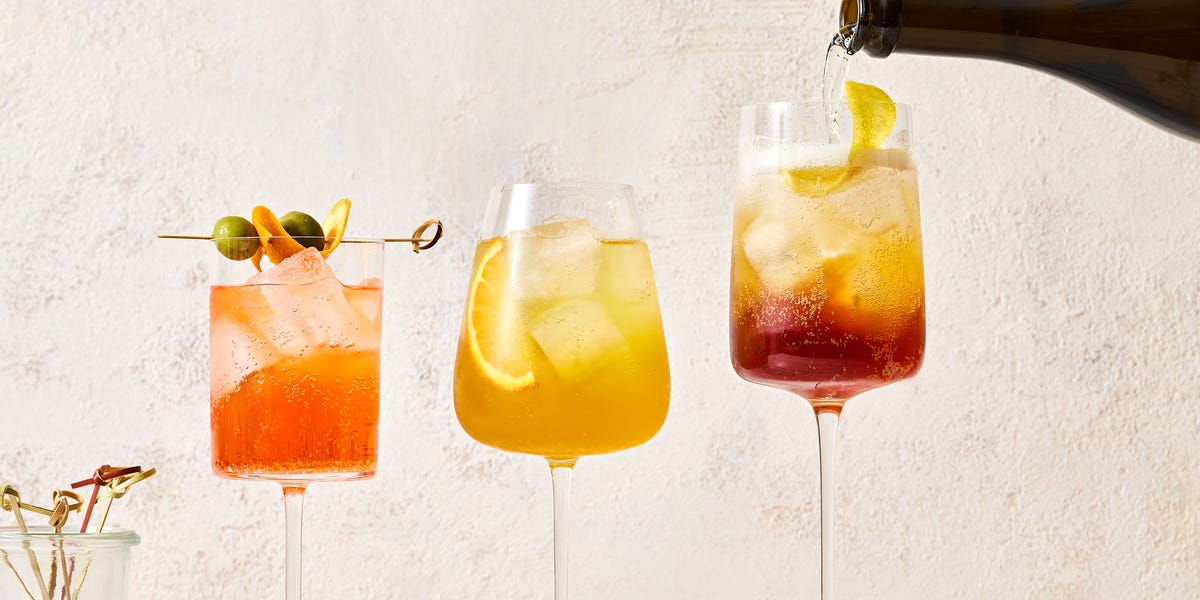
The Spritz is the cocktail equivalent of a vacation reply-all: light, bubbly, low-effort, and somehow it makes everyone feel like they’ve made excellent life choices. But if you’ve only been living in the bright-orange world of the Aperol Spritz, let me introduce your taste buds to a slightly more grown-up, golden-amber lane: the Gran Classico Spritz.
Gran Classico brings a deeper herbal snap and a bittersweet backbone that’s less “candy citrus” and more “Italian aperitivo with an impressive bookshelf.” The best part? You can still keep the Spritz vibe: cold glass, big ice, fizz for daysjust with more complexity and a finish that doesn’t quit.
What Is Gran Classico (and Why It Makes Such a Good Spritz)?
Gran Classico Bitter is an Italian-style bitter aperitif made from a historic “Bitter of Turin” recipe dating back to the 1860s. It’s known for a natural golden-amber color and a flavor profile that lives at the intersection of citrus peel, gentian-root bitterness, wormwood herbal bite, rhubarb sweetness, and a soft vanilla-like roundness. In other words: it’s bitter, but it’s not trying to win a bar-fight.
That balance is exactly why it shines in a Spritz. A good Spritz needs three things: bubbles, bitterness, and refreshment. Gran Classico supplies the bitterness with nuanceless neon, more layersso the drink feels crisp and appetizing rather than sugary.
The Spritz Blueprint: Ratios That Actually Taste Balanced
Most classic Spritz builds orbit a simple rule of thumb: 3 parts sparkling wine, 2 parts bitter aperitivo, 1 part soda. Think of it as the “golden ratio” for people who want their math to end in brunch.
That said, the “best” Gran Classico Spritz isn’t a single rigid recipeit’s a starting point. Your sparkling wine’s sweetness, your soda’s minerality, your ice situation, and your bitterness tolerance all matter. (No judgment if your tolerance is “none” until after your first sip.)
Ingredients That Make or Break a Gran Classico Spritz
1) Gran Classico Bitter
This is the star, so treat it like one. Store it cool and out of sunlight; serve it cold. Gran Classico’s herbal bittersweet profile tends to read more complex than many orange aperitivi, so it loves clean, dry bubbles and a garnish that amplifies citrus oils.
2) Prosecco (or Another Dry Sparkling Wine)
Classic Spritz energy is often built on Proseccoideally Brut or Extra Dry (yes, “Extra Dry” can be slightly sweeter than Brut; sparkling wine labels are here to keep us humble). If your Spritz tastes cloying, the first fix is usually switching to a drier bottle.
3) Soda Water / Club Soda
Use cold soda water. Warm soda is just sadness with bubbles. If you like a sharper, snappier finish, a high-carbonation club soda helps. If you want a softer texture, a lightly sparkling mineral water can be gorgeousespecially with Gran Classico’s herbal notes.
4) Ice (Yes, Ice Is an Ingredient)
Big, hard cubes melt slower and keep your drink cold without turning it into bittersweet LaCroix soup. A Spritz wants lots of ice. Be generous: a well-iced glass is self-care.
The Best Gran Classico Spritz Recipe (The One to Memorize)
Best Gran Classico Spritz (3–2–1)
- 3 oz chilled Prosecco (or dry sparkling wine)
- 2 oz Gran Classico Bitter
- 1 oz chilled club soda
- Ice (lots)
- Garnish: orange half-wheel or orange peel (optional: a green olive skewer)
How to Make It
- Fill a large wine glass with ice.
- Pour in the Prosecco first (it helps the drink mix gently without aggressive stirring).
- Add Gran Classico.
- Top with club soda.
- Give it one or two gentle stirsthink “polite handshake,” not “washing machine cycle.”
- Garnish with orange. Sip immediately while it’s frosty and lively.
This build lands in the sweet spot: bright bubbles up front, bittersweet depth in the middle, and a clean finish that makes you want another sip before you’ve even processed the first one. Which is basically the Spritz brand promise.
How to Make It Taste Like the “Best” Version (Not Just “A Version”)
Chill everything like you mean it
The quickest way to downgrade a Spritz is to let it warm up. Chill the Prosecco, chill the soda, and if possible, chill your glass. Cold keeps sweetness in check and makes bitterness feel crisp instead of heavy.
Choose bubbles that don’t fight the bitter
Gran Classico is layered and aromatic. A too-sweet sparkling wine can blur those edges. If your bottle reads fruity or off-dry, your Spritz might feel dessert-y. Dry bubbles keep the drink aperitivo-ready: refreshing, appetizing, and not exhausting.
Dial the ratio to your mood
The 3–2–1 formula is a strong default, but here are two “best” variants depending on what you want:
- Lighter, patio-crushable: 3 oz Prosecco, 1.5 oz Gran Classico, 1.5 oz soda
Why it works: more lift, less intensity, still tastes like an aperitivo instead of sparkling water cosplay. - Drier and more bitter (the “grown-up” pour): 3 oz Prosecco, 2.5 oz Gran Classico, 0.5–1 oz soda
Why it works: more herbal bite and long finishgreat if you snack while you sip.
Garnish on purpose (not as a cute afterthought)
Citrus oils are a cheat code for Spritz aroma. An orange peel expressed over the glass makes the drink smell brighter before it even hits your tongue. If you want to lean into Gran Classico’s deeper notes, try grapefruit peel for a sharper edge.
Feeling Venetian? Add a green olive alongside the citrus. That little salty bite can make the bitterness feel more balanced and “snackable.” (Your drink can multitask: cocktail and appetizer.)
Try a tiny pinch of “savory”
A micro-salty accent can make bitter aperitivi pop. If you’re adventurous, experiment with a few drops of olive brine. Don’t turn it into a martinijust a whisper. The effect is subtle: sweetness feels less sweet, bitterness feels more refreshing, and suddenly you’re the person who says things like “I love the structure.”
Best Gran Classico Spritz Variations (Same Vibe, Different Personality)
1) Citrus-Forward Gran Classico Spritz
Add 0.5 oz fresh grapefruit juice and garnish with grapefruit peel. Keep the classic ratio, but reduce soda slightly if needed. This version feels brighter and more “zingy,” like the drink put on sneakers.
2) The “Herbal Garden” Spritz
Add a slapped rosemary sprig or a small basil leaf bouquet. Herbal garnish pairs naturally with wormwood/gentian notes, and it makes the whole glass smell like summer.
3) Negroni-Spritz Crossover (Low-Proof, High Fun)
If you love Negroni vibes but want something lighter, add 0.5 oz dry vermouth to the base recipe, then top with Prosecco and a smaller splash of soda. It’s still a Spritzjust with a wink toward the bitter-and-aromatized-wine world.
4) The “Sbagliato-ish” Party Pour
Want it extra bubbly and crowd-friendly? Use a little more sparkling wine and a little less Gran Classico: 4 oz Prosecco, 1.5 oz Gran Classico, 1 oz soda. It stays aromatic but easier for a mixed crowd.
5) Winter-Season Gran Classico Spritz
Garnish with a thin blood orange slice when available and add 1 dash aromatic bitters. Suddenly it tastes like the holidays learned to relax.
What to Serve With a Gran Classico Spritz
Spritz culture is basically: “Have a drink, have a bite, and pretend emails aren’t real.” Salty snacks are ideal because salt and bitterness are best friends. Try:
- Marinated olives, especially citrusy or herb-packed
- Potato chips (seriouslysalt and crunch are perfect)
- Prosciutto, salami, or any cured meat that knows what it’s doing
- Marcona almonds, pistachios, or salted cashews
- Simple cheeses like Parmesan shards or a mild, creamy cheese to soften the bitter edge
Troubleshooting: If Your Spritz Tastes “Off”
Too bitter?
- Increase soda by 0.5–1 oz.
- Use a slightly fruitier sparkling wine, or add a fresh orange wheel instead of peel.
- Make sure it’s cold; warm bitterness can feel harsher.
Too sweet or heavy?
- Switch to a drier sparkling wine (Brut is your friend).
- Add grapefruit peel or a green olive for a more savory counterbalance.
- Use fresher, higher carbonation soda water.
Watery?
- Use larger ice cubes and more ice overall.
- Build quickly and serve immediately.
- Chill your ingredients so the ice isn’t doing all the work.
FAQ: Quick Answers Before Your First Pour
Is Gran Classico like Aperol?
They live in the same “aperitivo” neighborhood, but Gran Classico is generally more herbal and complex, with a deeper bittersweet profile. If Aperol feels like a sunny postcard, Gran Classico feels like a well-written travel journal.
Can I use Campari instead?
You can, but it’s a different drink: Campari tends to be bolder and more bitter. Gran Classico often feels more layered and less aggressively sharp. If you’re Campari-curious, keep the same Spritz structure and adjust the soda upward for balance.
What’s the best glass?
A large wine glass is classic because it holds plenty of ice and gives aromas room to bloom. A rocks glass also works if you prefer a tighter, punchier pour.
Do I have to measure?
Measuring makes consistency easy. But once you’ve made it a few times, you’ll learn your “house style” quickly. Spritz drinks are forgivinguntil they’re warm.
Real-World “Best Gran Classico Spritz” Experiences ( of The Good Stuff)
The first “experience” most people have with a Gran Classico Spritz is a tiny moment of surprisebecause your brain expects the bright orange sweetness of the usual Spritz suspects, and instead you get something that feels more like an aperitivo you’d order at a bar that serves snacks on purpose. You take a sip, and there’s this brief pause where your taste buds go, “Oh. We’re doing flavor today.” Then the bubbles lift everything, the bitterness stays tidy, and the finish keeps humming like a catchy song you didn’t expect to like.
At home, the classic scene is a Friday evening “I’m not cooking yet” situation. You open the fridge, realize dinner is still theoretical, and decide to build a Spritz because it’s fast, elegant, and requires no emotional commitment. The Gran Classico version is especially good in this moment because it doesn’t feel like you’re drinking dessert. It feels like you’re warming up your appetitelike your stomach just got a calendar invite that says “snacks soon.”
The next common experience is the “accidental cocktail nerd” moment. Someone watches you make it and says, “Waitwhat is that?” because Gran Classico isn’t as instantly recognizable as the big orange bottles. You explain it’s a bitter aperitif with old-school roots, and suddenly you’re giving tasting notes like: “herbal, rhubarb-y, orange peel, gentian… you know, classic stuff.” You don’t need to mention that five minutes ago you were also Googling whether “gentian” is a flower or a medieval knight. The point is: it sounds impressive, and the drink tastes even better when you feel mildly impressive.
Hosting-wise, Gran Classico Spritz is a secret weapon for people who say they “don’t like sweet cocktails.” You offer it with a simple choice orange peel or oliveand they pick olive because it feels fancy and slightly mysterious. Then you watch them take a sip, nod, and suddenly they’re eating chips like they’re at a European café instead of your living room. The salt makes the bitterness friendlier, the bubbles keep it refreshing, and the whole vibe becomes: “We’re just casually having an aperitivo,” even if your coffee table is holding both a charcuterie board and a pile of unopened mail.
And then there’s the summer-afternoon version: ice clinking, sunlight doing its flattering thing, and you realize the “best” Spritz isn’t just the ratio it’s the temperature. A perfectly cold Gran Classico Spritz tastes crisp and lively; a lukewarm one tastes like it’s trying to give a lecture. That’s why the experience that separates “nice” from “best” is always the same: cold ingredients, lots of ice, gentle stir, and immediate sipping. Do that, and Gran Classico delivers a Spritz that’s refreshing enough for a hot day, interesting enough for a cocktail person, and easy enough that you’ll make it again without needing a pep talk.
Conclusion
The best Gran Classico Spritz is the one that stays cold, keeps its bubbles, and balances bittersweet complexity with bright refreshment. Start with the 3–2–1 build, use dry sparkling wine, don’t skimp on ice, and garnish like you’re helping your drink smell as good as it tastes. From there, tweak the ratio to your palate and let Gran Classico do what it does best: deliver a layered, appetizing aperitivo that still feels effortless.