A Coach purse is not just a place to keep your wallet, lip balm, emergency receipts, and that mysterious mint from 2021. It is a style investment, a daily companion, and sometimes the only thing standing between your organized self and complete handbag chaos. But even the most beautiful Coach bag eventually meets real life: coffee drips, makeup dust, denim transfer, sidewalk grime, and the occasional snack crumb avalanche.
The good news? Learning how to clean a Coach purse is not complicated when you know what material you are working with. Leather, Signature canvas, jacquard fabric, suede, and lined interiors each need a slightly different approach. The bad news? Tossing your bag in the washing machine and hoping for a miracle is not one of those approaches. That is how purses become cautionary tales.
This guide explains how to clean Coach leather bags, fabric bags, canvas purses, linings, hardware, and common stains using safe, practical methods. Whether your bag is a vintage Coach leather crossbody or a modern Signature canvas tote, the goal is simple: clean it gently, protect the material, and keep it looking polished without accidentally turning it into a craft project.
Before You Clean: Identify Your Coach Purse Material
The first rule of Coach purse cleaning is to stop and identify the material. Coach bags are made in several finishes, and each one reacts differently to water, soap, conditioners, and rubbing. Smooth leather can often handle gentle leather cleaner. Fabric and jacquard need light surface cleaning. Suede and haircalf are more delicate and should be treated with extra caution.
Common Coach purse materials
- Glovetanned leather: Soft, classic leather that develops character over time.
- Pebbled or crossgrain leather: Durable textured leather that usually tolerates gentle cleaning well.
- Signature canvas: Coated or printed canvas with the Coach pattern.
- Signature jacquard: Woven fabric with the Coach pattern, often paired with leather trim.
- Suede or nubuck: Soft, brushed leather that dislikes moisture and heavy products.
- Fabric lining: Interior textile that collects crumbs, makeup, dust, and the emotional weight of old receipts.
Always check the care information that came with your bag, if you still have it. If not, look up the exact style online or contact Coach support. When in doubt, test any cleaner on a hidden spot first, such as the underside of a strap or the bottom corner. Give the test area time to dry before judging the result, because leather can look darker when damp and return to normal later.
What You Need to Clean a Coach Purse Safely
You do not need a laboratory, a hazmat suit, or a suspiciously dramatic TikTok hack. A careful Coach purse cleaning kit can be simple.
Basic supplies
- Soft white microfiber cloths
- Small bowl of cool or lukewarm water
- Coach Leather Cleaner or a leather-safe cleaner
- Coach Leather Moisturizer or a leather conditioner suitable for handbags
- Mild soap for fabric areas, used sparingly
- Soft-bristled brush or clean toothbrush for fabric seams
- Lint roller or handheld vacuum for the interior
- Cotton swabs for corners and hardware
- Absorbent towel for blotting
- Dust bag or breathable cotton pillowcase for storage
Products to avoid
Avoid bleach, ammonia, harsh detergents, acetone, nail polish remover, abrasive scrub pads, soaking water, and random cooking oils. Olive oil belongs in salad dressing, not on your Coach bag. These products can strip color, dry out leather, leave sticky residue, or create stains that are far more dramatic than the original problem.
How to Clean a Coach Leather Purse
Most core Coach leathers can be cleaned with a leather cleaner and followed with a leather moisturizer. The important word is gentle. Leather is durable, but it is also porous. Too much water or aggressive scrubbing can leave marks, remove finish, or distort the shape of the bag.
Step 1: Empty and prep the bag
Remove everything from the purse. Shake out loose debris over a trash can. Open pockets, unzip compartments, and remove any detachable straps or charms. Stuff the bag lightly with clean towels or acid-free tissue so it keeps its shape while you clean.
Step 2: Dust the surface
Wipe the leather with a dry microfiber cloth to remove loose dust and dirt. This step matters because rubbing cleaner over grit can create tiny scratches. Think of it as sweeping the floor before mopping, except the floor cost more and has better hardware.
Step 3: Apply leather cleaner
Put a small amount of Coach Leather Cleaner or handbag-safe leather cleaner onto a clean cloth. Do not pour cleaner directly on the bag. Gently rub the leather in small circular motions, working one section at a time. Focus on handles, corners, and high-touch areas where skin oils and dirt build up.
Step 4: Wipe away residue
Use a second clean, slightly damp cloth to remove cleaner residue. The cloth should be barely damp, not dripping. If water is running down the leather, you have gone from cleaning to baptizing, and the purse did not ask for that.
Step 5: Let the purse dry naturally
Allow the bag to air dry at room temperature. Keep it away from direct sunlight, heaters, hair dryers, and radiators. Heat can dry leather too quickly and cause cracking, fading, or stiffness.
Step 6: Condition the leather
Once the leather is clean and dry, apply a small amount of Coach Leather Moisturizer or a suitable leather conditioner with a soft cloth. Work it in gently, then buff away excess. Conditioning helps restore suppleness and prevents the leather from feeling dry. Do not over-condition; a little goes a long way. Your purse should look refreshed, not glazed like a donut.
How to Clean a Coach Fabric or Jacquard Bag
Fabric Coach purses, including Signature jacquard and canvas styles, should be cleaned with a lighter touch. The goal is to lift surface dirt without soaking the fabric or damaging leather trim.
Step 1: Brush off loose dirt
Use a dry microfiber cloth or soft brush to remove dust. Pay attention to seams, corners, and the base of the bag. If the fabric has texture, brush in the direction of the weave instead of scrubbing back and forth.
Step 2: Spot clean with a damp cloth
Dampen a white cloth with cool water and gently blot the stained area. Use white cloths because colored towels can transfer dye. If water alone does not work, add a tiny drop of mild soap to the cloth, then blot again. Avoid soaking the fabric.
Step 3: Remove soap carefully
Use a clean damp cloth to lift away soap residue. Soap left behind can attract dirt and create a dull patch. Blot with a dry towel and let the bag air dry completely before using it again.
Step 4: Protect leather trim
Many fabric Coach bags have leather handles, straps, zipper pulls, or corners. Keep fabric cleaning solutions away from leather trim when possible. If the leather trim needs cleaning, treat it separately using the leather method above.
How to Clean the Inside of a Coach Purse
The inside of a purse is where beauty meets reality. Lipstick caps vanish. Granola bars crumble. Coins multiply like tiny metal rabbits. Cleaning the interior regularly keeps odors, stains, and mystery dust from taking over.
Step 1: Empty everything
Remove all contents, including items hiding in side pockets. Throw away trash, old receipts, gum wrappers, and anything you cannot identify within three seconds.
Step 2: Vacuum or lint roll
Use a handheld vacuum with a brush attachment or a lint roller to remove crumbs, lint, and dust. For tight corners, wrap tape around your fingers with the sticky side out and gently dab.
Step 3: Spot clean lining stains
If the lining is fabric, use a slightly damp cloth with a tiny amount of mild soap. Blot the stain instead of rubbing. For makeup powder, vacuum first before adding moisture. For sticky spills, blot with a damp cloth and repeat patiently. Let the lining dry fully with the purse open.
Step 4: Deodorize gently
If the bag smells musty, place an open box of baking soda near the purse inside a larger container, but do not dump baking soda directly into the bag. Close the container overnight. Airing the purse in a shaded, dry place can also help. Avoid perfume sprays inside the purse; they may stain the lining or mix with odors in a way nobody requested.
How to Handle Common Coach Purse Stains
Different stains need different strategies. The best move is to act quickly, blot gently, and avoid panic-cleaning. Panic-cleaning is when you grab five products and attack the stain like it owes you money. That usually makes things worse.
Water spots
Blot water immediately with a dry cloth. Do not rub. Let the bag dry naturally. On leather, a water spot may fade as it dries. If the mark remains, use a leather cleaner and conditioner after testing first.
Oil or grease
Blot fresh oil with a clean dry cloth. Do not add water. For leather, sprinkle a small amount of cornstarch or talcum powder over the spot and let it sit for several hours to absorb oil. Brush it off gently. Repeat if needed. If the stain remains, consult a leather professional.
Ink marks
Ink is one of the hardest stains to remove from leather and fabric linings. Avoid rubbing alcohol unless you are absolutely sure the material can handle it, because it may remove color or finish. For expensive or sentimental Coach purses, professional cleaning is the safer route.
Denim dye transfer
Light-colored Coach leather and canvas bags can pick up blue dye from jeans. Treat it early with a leather cleaner or a barely damp cloth for fabric. Do not scrub aggressively. To prevent future transfer, avoid wearing a pale bag against dark denim that has not been washed several times.
Makeup stains
For powder makeup, vacuum or brush first. For liquid foundation or lipstick, blot gently with a dry cloth, then spot clean according to the material. Makeup can be oily and pigmented, so stubborn marks may need professional help.
How to Clean Coach Purse Hardware
Coach hardware can collect fingerprints, lotion, dust, and tarnish. Clean it carefully so you do not damage surrounding leather or fabric.
Simple hardware cleaning
Use a dry microfiber cloth to buff metal buckles, zipper pulls, clasps, and logo details. For grime around edges, use a cotton swab slightly dampened with water. Keep moisture away from leather seams and fabric panels.
When hardware is tarnished
If the hardware is heavily tarnished, consider professional care. Metal polish can work on some hardware, but it can also stain leather, remove plating, or leave residue if used carelessly. If you do use a metal polish, protect the surrounding material with tape or cloth, apply with a cotton swab, and use the smallest possible amount.
Can You Wash a Coach Purse in the Washing Machine?
In most cases, no. Do not put a Coach purse in the washing machine. Machine washing can warp leather, weaken glue, damage hardware, shrink fabric, distort structure, and cause color bleeding. Even if someone online claims they washed a vintage bag and it emerged looking like a museum piece, that does not mean your bag will survive the same adventure.
Coach purses are structured accessories, not gym socks. Hand cleaning is safer, more controlled, and much less likely to end with you staring into the washer whispering, “What have I done?”
How Often Should You Clean a Coach Purse?
Cleaning frequency depends on how often you use the bag. A daily purse needs more attention than a special-occasion clutch that only sees daylight twice a year.
- After each use: Wipe away visible dust or moisture.
- Weekly: Empty the bag and remove crumbs or lint.
- Monthly: Lightly clean high-touch areas like handles and corners.
- Every few months: Clean and condition leather if the material allows it.
- As needed: Treat stains immediately and seek professional care for serious damage.
How to Store a Coach Purse After Cleaning
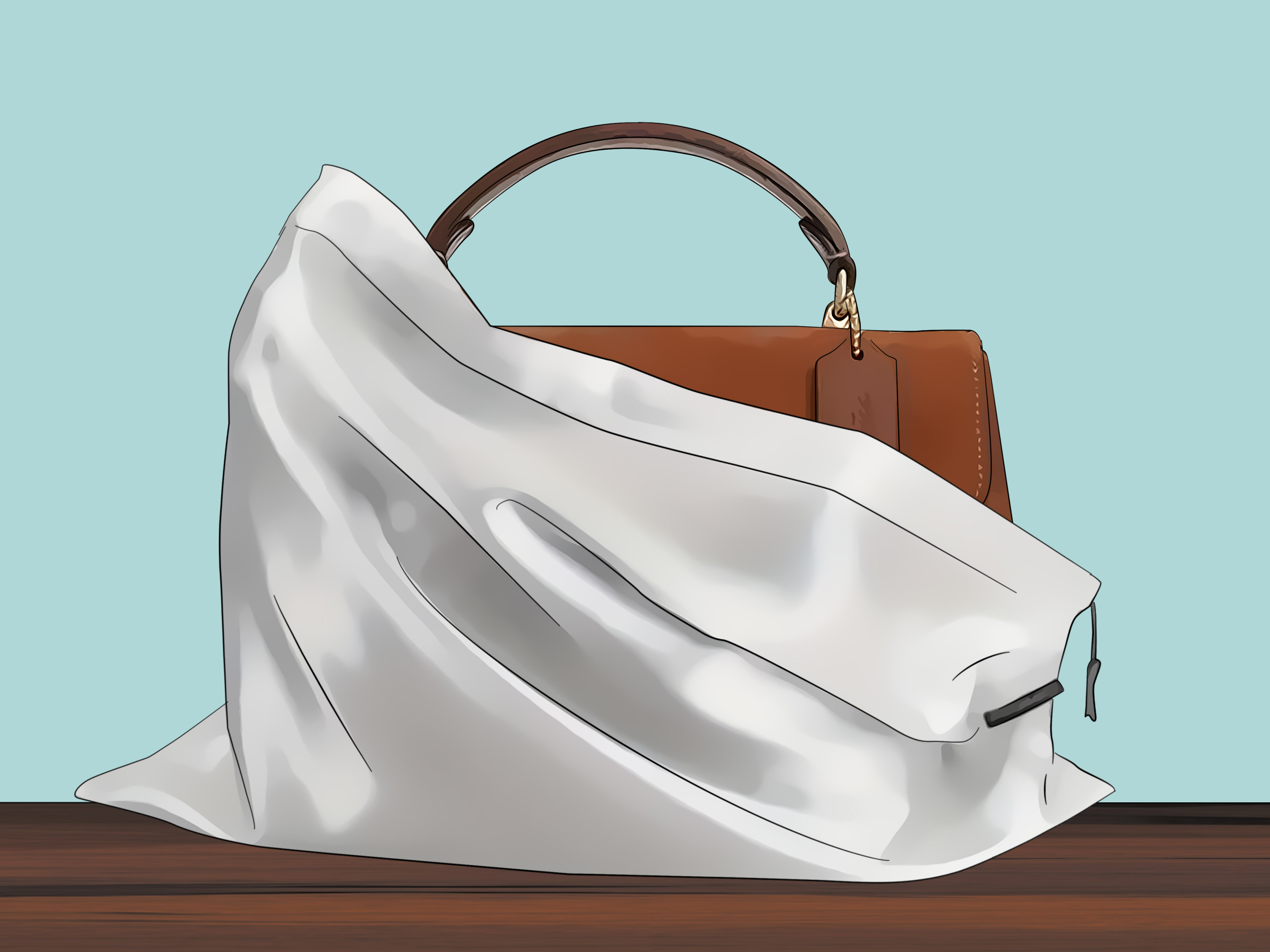
Proper storage keeps your Coach purse cleaner for longer. Let the bag dry completely before storing it. Stuff it lightly with acid-free tissue, a soft towel, or clean packing paper to preserve its shape. Store it upright in a dust bag or breathable cotton pillowcase.
Avoid plastic bags because they trap moisture. Keep purses away from direct sunlight, high humidity, heaters, and crowded shelves where handles bend or corners crush. If you have several bags, give them space. Handbags, like people, do not thrive when smashed together in a dark closet with no breathing room.
When to Take a Coach Purse to a Professional
Some cleaning jobs are better left to professionals, especially if the purse is expensive, vintage, pale-colored, badly stained, or made from suede, nubuck, haircalf, or delicate leather. You should also seek expert help for ink stains, severe dye transfer, mold, deep scratches, peeling finish, broken stitching, damaged straps, and hardware repair.
Coach also offers repair and care services for many bags, and leather specialists or reputable cobblers can help with restoration. A professional cleaning may cost more than a DIY wipe-down, but it is often cheaper than replacing a beloved purse after a cleaning experiment goes sideways.
Extra Experience: What Real-Life Coach Purse Cleaning Teaches You
After cleaning different types of Coach purses, one lesson becomes obvious: the bag usually tells you how gentle you need to be. A thick pebbled leather tote can often handle careful cleaning better than a pale smooth leather shoulder bag. A jacquard fabric purse may look sturdy, but the woven surface can fray or pill if you scrub it like a kitchen sink. A suede Coach bag may appear calm and elegant, but one careless splash of water can make it hold a grudge.
The most useful experience is learning to clean in stages. Start dry. Remove crumbs, dust, lint, and surface debris before using moisture. Many bags look dramatically better after a dry microfiber wipe and interior vacuum. It is tempting to jump straight to soap, but soap is not always necessary. Sometimes your purse is not dirty-dirty; it is just dusty, tired, and carrying three months of car-console energy.
Another practical tip: handles need special attention. Handles collect body oils, sunscreen, hand lotion, sanitizer residue, and makeup transfer. On leather Coach bags, this area can darken faster than the rest of the purse. Cleaning handles regularly with a leather-safe product helps prevent buildup. For light-colored handles, do not wait until they look gray. A small monthly wipe is much easier than a dramatic rescue mission later.
For fabric Coach bags, patience is everything. Blotting works better than scrubbing. A barely damp cloth with a tiny amount of mild soap can lift many marks, but too much water can spread the stain or leave a ring. Work from the outside of the stain toward the center so the mark does not expand. Rinse your cloth frequently and keep switching to clean sections. The process is not glamorous, but neither is explaining why your purse now has a soap halo.
Interior cleaning also makes a bigger difference than most people expect. A spotless exterior loses some charm when the inside contains loose powder, old gum wrappers, and a pen with trust issues. Using small pouches inside the bag is a game changer. Keep makeup in one pouch, pens in another, and snacks in sealed packaging. This does not just keep the lining cleaner; it also makes switching bags easier. Suddenly you are a person with systems. Very chic.
One common mistake is using too much conditioner on leather. Conditioner is helpful, but overdoing it can make leather feel sticky or attract dust. Apply a thin layer, let it absorb, and buff away the excess. If the bag still feels dry later, you can apply a little more. Leather care is more like skincare than frosting a cupcake.
Storage habits matter just as much as cleaning habits. A Coach purse left on the floor of a closet will collect dust, lose shape, and possibly become a luxury apartment for lint. Stuff it lightly, cover it with a dust bag, and keep it upright. Avoid hanging heavy bags by their straps for long periods because the handles can stretch or distort. If you rotate bags seasonally, inspect each one before storing it. Clean dirt before it settles in and remove anything from the interior that might leak, stain, or smell like peppermint forever.
The biggest real-world cleaning rule is simple: do less, but do it more often. Gentle regular maintenance beats aggressive deep cleaning every time. Wipe your Coach purse before grime becomes permanent. Treat stains early. Protect it from rain, denim transfer, and loose pens. When the problem looks serious, call a professional instead of turning your kitchen counter into a handbag chemistry lab.
Conclusion
Cleaning a Coach purse is all about matching the method to the material. Leather bags usually need a soft cloth, leather cleaner, careful drying, and light conditioning. Fabric, canvas, and jacquard bags need gentle blotting and minimal moisture. Interiors should be vacuumed, spot cleaned, and fully dried. Suede, haircalf, ink stains, dye transfer, and major damage deserve extra caution or professional care.
The best strategy is prevention: store your bag properly, keep liquids and pens contained, clean small marks early, and avoid harsh products. A Coach purse can last for years when treated well. It does not need perfection; it needs consistent care, a little patience, and maybe fewer uncapped lip liners rolling around inside.
Note: Always spot-test cleaning products in a hidden area first and follow the care instructions for your specific Coach bag material. For rare, vintage, suede, haircalf, or heavily stained purses, professional cleaning is the safest choice.