Before you toss that old toothbrush into the trash or let a half-used container of dental floss retire in the back of a bathroom drawer, pause for a second. These tiny dental tools are surprisingly powerful household helpers. A toothbrush has small bristles, a slim handle, and the magical ability to reach places your sponge gave up on years ago. Dental floss, meanwhile, is strong, thin, flexible, and oddly good at slicing, tying, lifting, and rescuing things from tight spots.
This guide explores 31 unique uses for toothbrushes and floss at home, from cleaning grout and faucet edges to slicing soft cheese and supporting delicate plants. Think of it as the glow-up your dental supplies never knew they needed. Of course, one rule comes first: once a toothbrush has been used for cleaning, it should never go back into anyone’s mouth. Label it, store it with cleaning supplies, and let it live its second life proudly.
Why Toothbrushes and Floss Are Secret Household MVPs
Old toothbrushes are excellent for detail work because their bristles can scrub around edges, seams, grooves, hinges, buttons, corners, and textured surfaces. Floss is just as useful because it can slide under stuck objects, cut soft foods cleanly, tie lightweight items, and reach places that scissors, knives, or fingers cannot.
Even better, reusing these items helps reduce waste. Instead of buying a special mini brush for every tiny cleaning job, you can give an old toothbrush one more assignment. It is budget-friendly, practical, and a little satisfying in the “I just outsmarted clutter” kind of way.
31 Unique Uses for Toothbrushes and Floss at Home
1. Scrub Bathroom Grout
Few household battles are as dramatic as the fight against dingy grout. An old toothbrush is perfect for scrubbing between tiles because the head is narrow enough to follow the grout line. Use a mild bathroom cleaner or a baking soda paste, scrub gently, and rinse well. Avoid aggressive scrubbing on old or damaged grout, because enthusiasm is nice, but chipped grout is not.
2. Clean Around Faucet Bases
That crusty ring around the faucet base does not stand a chance against a toothbrush. Dip the bristles in warm soapy water, scrub around the seams, and wipe dry with a microfiber cloth. This works especially well around bathroom sinks and kitchen faucets where water spots, soap residue, and toothpaste splatter like to gather for tiny meetings.
3. Detail Shower Door Tracks
Shower door tracks are basically dirt hotels. A toothbrush can loosen grime in the narrow channels where larger brushes cannot fit. After scrubbing, use a damp cloth or paper towel to lift out the loosened debris. For stubborn buildup, let your cleaner sit for a few minutes before brushing.
4. Freshen Tile Corners
Corners collect dust, soap scum, and mystery gunk. A toothbrush makes it easier to clean where walls meet floors, especially in bathrooms and laundry rooms. Use small circular motions and rinse the brush often so you are removing grime instead of politely relocating it.
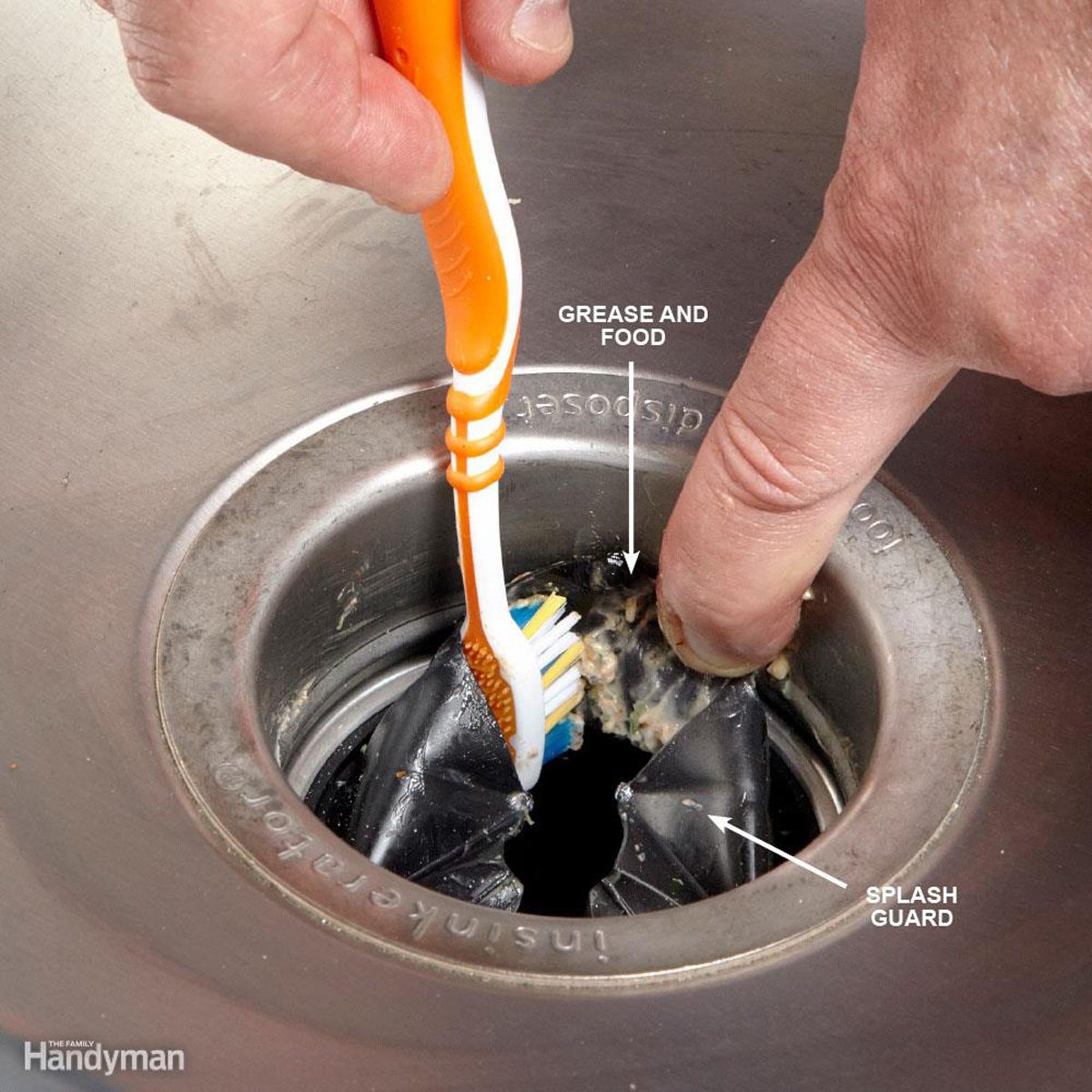
5. Clean Garbage Disposal Splash Guards
The rubber splash guard in a garbage disposal can trap food residue underneath. Use a toothbrush with dish soap to scrub both sides of the flaps. Do not reach deep into the disposal, and make sure it is off before cleaning the splash guard area. Your fingers deserve a peaceful life.
6. Scrub Sneaker Soles
Old toothbrushes are great for cleaning rubber soles, textured treads, and the edges of sneakers. Dip the brush in warm soapy water and work into the grooves. Wipe clean with a damp cloth and let the shoes air-dry. This is especially helpful for white soles that seem to attract dirt from three counties away.
7. Remove Dirt from Shoe Treads
For shoes with deep grooves, a toothbrush can dislodge dried mud, sand, and small pebbles. Do this outside or over a trash can unless you enjoy turning your floor into a nature exhibit.
8. Clean Jewelry Gently
A soft toothbrush can help clean certain jewelry pieces, especially around settings and chains. Use warm water and a tiny drop of mild dish soap. Be gentle with delicate stones, pearls, or vintage pieces, and avoid harsh chemicals unless a jeweler says they are safe.
9. Dust Keyboard Crevices
A dry toothbrush can loosen crumbs and dust from computer keyboards, remote controls, and calculator buttons. Turn the item off first, hold it at an angle, and brush lightly. Follow with compressed air or a microfiber cloth. Congratulations, your keyboard no longer has a snack drawer.
10. Clean Remote Control Buttons
Remote controls collect oils, crumbs, and whatever happened during movie night. Use a dry toothbrush to loosen debris around the buttons. For deeper cleaning, lightly dampen a cloth with rubbing alcohol and wipe the surface, being careful not to soak the device.
11. Detail Window Tracks
Window tracks are narrow, dusty, and strangely ignored until guests are coming over. A toothbrush helps loosen dirt from corners and channels. Vacuum first, scrub with the brush, then wipe with a damp cloth. For stubborn dirt, a little warm soapy water helps.
12. Clean Sliding Door Tracks
Sliding doors glide better when the tracks are not packed with dust and grit. Use a toothbrush to loosen buildup, then vacuum. This simple task can make the door feel smoother and may reduce wear on the track.
13. Scrub Appliance Seals
Refrigerator doors, washing machines, and dishwashers often have rubber seals that trap crumbs, detergent residue, and moisture. A toothbrush can clean folds and edges without needing a bulky tool. Dry the area afterward to help prevent musty odors.
14. Clean Dishwasher Filters
If your dishwasher has a removable filter, check the manual and clean it regularly. A toothbrush can help remove greasy residue and food particles from the filter mesh. Use warm water and dish soap, then rinse thoroughly before replacing it.
15. Scrub Stovetop Knobs
Grease loves stovetop knobs. Remove the knobs if your appliance allows it, soak them in warm soapy water, then scrub the grooves with a toothbrush. Dry completely before putting them back.
16. Detail Oven Door Edges
Oven doors have seams and edges where crumbs and grease hide like they are paying rent. A toothbrush can work mild cleaner into those tight spaces. Avoid getting liquid into vents or electrical components.
17. Clean Coffee Grinder Corners
A dry toothbrush can help sweep coffee grounds from corners, lids, and blade areas after the grinder is unplugged. Do not use water unless the manufacturer says it is safe. Coffee residue builds up fast, and this little trick keeps flavors fresher.
18. Brush Crumbs from Toaster Slots
Unplug the toaster, remove the crumb tray, and use a dry toothbrush to loosen crumbs around edges. Never stick metal tools inside a toaster. A toothbrush is useful because it is gentle and nonmetal, but the appliance should always be unplugged first.
19. Clean Reusable Straw Tips
A toothbrush can scrub the outer tips and caps of reusable straws, bottle lids, and travel mug parts. For the inside of straws, use a proper straw brush, but the toothbrush is excellent for textured rims and silicone seals.
20. Remove Stains from Clothing
For small stains, apply a stain treatment and gently tap or lightly brush the area with a toothbrush. Avoid rough back-and-forth scrubbing on delicate fabrics because it can damage fibers. Think gentle persuasion, not carpet demolition.
21. Spot-Clean Upholstery
A toothbrush can help work upholstery cleaner into small stained areas on fabric chairs or couches. Test first in a hidden spot. Use minimal moisture and blot with a clean towel so the stain lifts instead of spreading.
22. Clean Carpet Spots
For small carpet stains, a toothbrush can help lift residue from the fibers. Apply the appropriate carpet cleaner, brush lightly from the outside of the stain toward the center, then blot. This helps prevent the stain from spreading into a larger, more dramatic problem.
23. Scrub Baseboard Corners
Baseboards collect dust, pet hair, and scuff marks. A toothbrush works well around corners, seams, and decorative trim. Use it dry for dust or slightly damp for grime. Finish with a cloth for a clean, polished look.
24. Clean Air Vents and Grilles
Use a dry toothbrush to loosen dust from vent slats, bathroom fan covers, and small grilles. Vacuum afterward with a brush attachment. This can improve airflow and make vents look less like they have been growing a dust mustache.
25. Detail Power Tools and Hand Tools
In the garage or workshop, a toothbrush can clean sawdust, dirt, and grease from tool handles, seams, and textured grips. Keep a separate brush for garage use so cleaning products and oily residue do not mix with indoor supplies.
26. Clean Bicycle Chains and Gears
An old toothbrush is great for brushing dirt from bike gears, chains, and tight mechanical areas. Use the proper bike cleaner or degreaser, then lubricate according to your bike’s needs. Keep this brush far away from your bathroom cleaning brush unless you enjoy chaos.
27. Brush Soil from Garden Tools
After gardening, use a toothbrush to remove soil from small trowels, pruners, and seed trays. This helps prevent dirt buildup and keeps tools ready for the next planting session.
28. Use Floss to Slice Soft Cheese
Dental floss can slice soft cheese cleanly without smashing it. Use plain, unwaxed, unflavored floss for food tasks. Slide it under the cheese, cross the ends, and pull through. It works beautifully on goat cheese, mozzarella, and other soft cheeses.
29. Cut Cake Layers with Floss
Plain dental floss can cut delicate cake layers more evenly than a knife, especially when the cake is soft. Mark your cutting line with toothpicks, wrap the floss around the cake, cross the ends, and pull. Suddenly, you look like you host baking shows on weekends.
30. Lift Cookies from a Baking Sheet
If cookies are slightly stuck, floss can slide underneath them and loosen them without breaking the edges. Again, use plain floss for anything food-related. Mint-flavored chocolate chip cookies are not the innovation the world needs.
31. Support Small Plants with Floss
Dental floss can temporarily tie small plants to stakes. Use it gently and avoid tying too tightly, because stems need room to grow. For longer-term support, soft garden ties are better, but floss works in a pinch when a seedling is leaning like it just heard bad news.
Safety Tips Before You Start
Repurposed toothbrushes are useful, but they should be handled sensibly. Keep cleaning toothbrushes away from personal-care items. Label them with tape or a permanent marker. Store kitchen, bathroom, garage, and pet-area brushes separately. A color-coded system works well: blue for bathroom, green for kitchen, red for garage, and “absolutely not” for anything involving the toilet.
When using cleaners, follow label directions. Never mix bleach with vinegar, ammonia, hydrogen peroxide, or other cleaning products. Mixing cleaners can create dangerous fumes. Also, ventilate the area, wear gloves when needed, and test cleaners on hidden spots before applying them to visible surfaces.
How to Organize Your Toothbrush and Floss Cleaning Kit
Create a small “detail cleaning kit” with retired toothbrushes, plain dental floss, microfiber cloths, cotton swabs, a small spray bottle, dish soap, baking soda, and a few labels. Keep the kit under the sink, in a laundry room cabinet, or with your regular cleaning supplies.
For best results, dedicate different toothbrushes to different tasks. The brush that cleans bike grease should not clean your sink faucet. The brush used for grout should not clean jewelry. A simple label saves confusion and prevents the kind of household mistake nobody wants to explain.
Personal Experience: What Actually Works Best at Home
After trying these tricks around the house, the biggest surprise is how often the toothbrush becomes the tool you reach for first. It is not glamorous. It does not have a fancy handle or a dramatic commercial voice-over. But when you are staring at grime around a faucet base, crumbs in a toaster edge, or dust packed into a window track, the toothbrush quietly saves the day.
One of the most useful experiences is using an old toothbrush on bathroom grout. A sponge usually slides over grout lines without doing much. A toothbrush, however, gets directly into the grooves. The trick is patience. Let the cleaner sit briefly, scrub in small sections, rinse, and move on. Trying to clean the entire bathroom floor in one heroic sprint usually leads to sore knees and regret. Small sections win.
Another practical win is sneaker cleaning. White soles get dirty almost immediately, especially if you walk through parking lots, parks, or mysterious sidewalk puddles. A toothbrush with mild dish soap can clean the textured rubber edges better than a cloth. It reaches the tiny grooves and makes shoes look refreshed without needing a full wash.
Floss is the sleeper hit. It seems too simple to be useful outside the bathroom, but plain dental floss is excellent in the kitchen. It cuts soft cheese without flattening it, separates cake layers cleanly, and can loosen cookies from a pan when a spatula feels too bulky. The key is using plain, unflavored floss. Mint-flavored floss belongs near toothpaste, not cheesecake.
For cleaning electronics, a dry toothbrush works best. Remote controls and keyboards collect crumbs faster than anyone wants to admit. Brushing around buttons before wiping the surface makes the job easier. It is oddly satisfying, like giving your remote control a tiny spa day.
The most important lesson is to keep brushes organized. At first, tossing all old toothbrushes into one cup seems fine. Then one day you cannot remember which brush cleaned the faucet and which one cleaned the bike chain. That is when labels become your best friend. A small piece of masking tape wrapped around the handle can prevent confusion.
Finally, these hacks work because they are realistic. They do not require expensive tools, complicated routines, or a weekend-long cleaning marathon. They use things you already have and solve small problems that make a home feel cleaner, calmer, and better cared for. Toothbrushes and floss may start in the bathroom, but with a little creativity, they can help in the kitchen, garage, laundry room, garden, and beyond.
Conclusion
Toothbrushes and floss are humble household heroes. They clean tight spaces, rescue stuck-on messes, help with food prep, support plants, and make detail cleaning easier. Instead of throwing them away immediately, give them a second job. Your grout, sneakers, window tracks, and kitchen gadgets will thank you. Probably not out loud, but you will notice the difference.
The next time you replace a toothbrush or discover extra floss in a drawer, do not see clutter. See opportunity. With a little common sense and a lot of tiny bristles, you can turn everyday dental tools into some of the most useful cleaning and organizing helpers in your home.