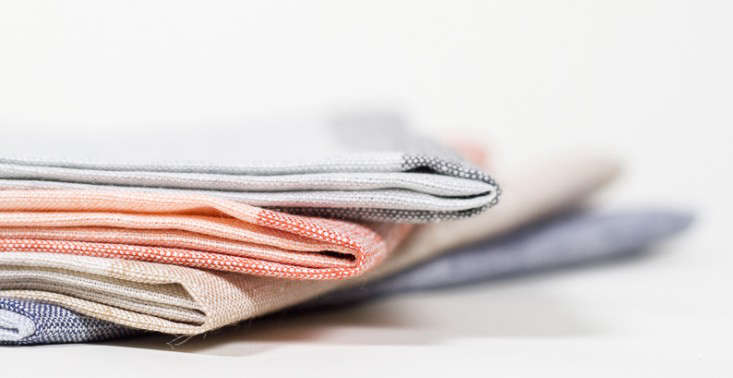
A set of linen tea towels looks almost too refined for the everyday chaos of a working kitchen. Then the pasta water boils over, a wineglass needs polishing, fresh bread needs covering, and somebody wipes tomato sauce with the “pretty towel.” Suddenly, these simple rectangles of woven flax stop being decoration and start auditioning for employee of the month.
Good linen tea towels combine practical performance with relaxed style. They are lightweight, absorbent, quick to dry, and naturally low in lint, making them especially useful for glassware, dishes, produce, bread, and food preparation. Unlike bulky terry towels, flat-woven linen does not take over a drawer or remain soggy until next Tuesday. Better still, well-made linen tends to soften with regular washing while keeping the slightly rumpled character that suits modern, farmhouse, traditional, and minimalist kitchens.
What Is a Linen Tea Towel Set?
A linen tea towel set usually contains two to six coordinating flat-woven towels made entirely from linen or from a linen-cotton blend. Linen itself is made from fibers taken from the stalk of the flax plant. Those long plant fibers create a fabric known for strength, absorbency, breathability, and relatively fast drying. In the United States, textile labels should identify fiber content, country of origin, and the responsible manufacturer or marketer, so the small tag is worth reading before purchase.
The words tea towel, dish towel, and kitchen towel are often used interchangeably, but they can suggest slightly different jobs. A tea towel is generally thin, smooth, and designed for drying dishes, polishing glass, covering baked goods, or serving food. A dishcloth is smaller and intended for washing or scrubbing. A terry kitchen towel is thicker and better at swallowing large spills. Linen tea towels sit in the elegant middle: useful enough for daily work and attractive enough to hang where everyone can see them.
Why Linen Works So Well in the Kitchen
It Absorbs Moisture Without Feeling Bulky
Linen can take on moisture while remaining lighter and less plush than conventional terry cloth. That is useful when drying a stack of plates, handling damp produce, or placing a towel under air-drying glassware. A smooth linen weave also reaches into the curves of wineglasses and narrow bowls more easily than a thick, looped towel.
It Dries Quickly Between Uses
A towel that dries promptly is less likely to spend the afternoon becoming a damp little science project. Linen’s airy structure and flat weave help moisture evaporate, especially when the towel is hung fully open rather than folded over itself. Waffle linen adds texture and surface area, while plain-weave linen offers the smoothest finish for glass and polished metal. Product testing and textile guidance consistently place drying time, absorbency, weave, and durability among the most important towel-performance criteria.
It Leaves Less Lint on Glassware
Low-lint performance is one of the best reasons to choose a linen tea towel set. Smooth, tightly woven towels can polish drinking glasses, stainless steel, flatware, and glossy cookware without decorating them with fuzzy souvenirs. This is why flat-weave and flour-sack styles are frequently recommended for delicate dishware and streak-free drying.
It Becomes Softer With Use
New linen may feel crisp or even slightly stiff. That does not automatically indicate poor quality. Repeated washing relaxes the fibers, producing a softer and more pliable towel. Stonewashed or prewashed linen arrives with some of that break-in work already completed, while untreated linen develops its character over time. Think of it as the cast-iron skillet of kitchen textiles, except it does not need seasoning and is less likely to injure your foot if dropped.
It Looks Good Without Trying Too Hard
Linen’s gentle slubs, subtle color variation, and natural wrinkles create visual texture without requiring a loud print. Neutral flax, oatmeal, ivory, charcoal, sage, and muted blue work in almost any kitchen. Stripes and windowpane checks add classic bistro energy. Printed or embroidered towels can become seasonal accents, but the most versatile set usually includes at least one understated towel that can survive a change in wall color or countertop trend.
Pure Linen or a Linen-Cotton Blend?
Pure linen is the best choice for buyers who prioritize quick drying, low lint, a crisp hand, and long-term character. It usually costs more and wrinkles readily, although many linen fans consider those wrinkles part of the appeal.
Linen-cotton blends offer a softer initial feel, often at a lower price. Cotton can add plushness and flexibility, while linen helps the towel dry faster and feel less heavy. A blend is a sensible compromise for families that want easy everyday towels without the firmer texture of brand-new pure linen.
Retail tea towels commonly range from approximately 18 by 28 inches to 20 by 30 inches, although narrower and oversized versions are also available. Larger towels are useful for covering bread or drying cookware, while smaller towels are easier to hang and rotate throughout the day.
How to Choose the Best Set of Linen Tea Towels
Check the Fiber Label
Do not assume that a product described with the word “linen” is made from 100 percent flax linen. Sometimes “linen” refers only to a color, texture, or style. Look for an actual percentage such as “100% linen” or “55% linen, 45% cotton.” The label is more reliable than a dreamy product photograph featuring sourdough and strategically scattered rosemary.
Choose the Right Weave for the Job
- Plain weave: Smooth, light, and excellent for dishes, glassware, and wrapping food.
- Waffle weave: Textured, absorbent, and quick to dry when hung properly.
- Herringbone or twill: Durable with a slightly heavier hand, making it useful for general kitchen work.
- Damask or jacquard: Decorative and gift-worthy, although performance depends on the fabric’s weight and finish.
Inspect the Hem and Hanging Loop
Straight stitching, reinforced corners, and even hems help a towel survive repeated laundering. A hanging loop is a small detail with a large practical payoff, especially in kitchens without a convenient oven handle. The loop should be securely stitched and positioned so the towel hangs open rather than bunching into a damp knot.
Think in Sets, Not Singles
Two towels may be enough for an occasional cook, but a set of four to six is more practical for a busy kitchen. Multiple towels allow you to assign roles: one for clean hands, one for dishes, one for bread or produce, and one for spills. Rotating towels also makes it easier to replace soiled cloths promptly instead of stretching one heroic towel across every task in the room.
Match the Color to Real Life
White linen looks fresh, shows soil immediately, and can be easier to brighten when the care label permits. Darker colors hide stains but may show flour and light-colored lint. Mid-tone neutrals, stripes, and checks are forgiving choices. For households that cook with turmeric, beets, tomato sauce, or enthusiastic children, an all-white ceremonial set may be less “quiet luxury” and more “ongoing evidence file.”
Smart Ways to Use Linen Tea Towels
A linen tea towel set should do more than hang decoratively from the range. Its light weight, clean surface, and generous size make it one of the most versatile tools in the kitchen.
- Dry plates, flatware, glassware, and polished cookware.
- Cover rising dough, cooling bread, biscuits, or resting pastry.
- Line a bread basket, fruit bowl, or serving tray.
- Dry rinsed herbs, lettuce, berries, and other produce.
- Place one under a cutting board or mixing bowl to reduce slipping.
- Wrap a bottle, cookbook, loaf, or jar as reusable gift packaging.
- Use a clean towel as an informal napkin, placemat, or picnic cloth.
- Protect stacked pans, serving pieces, or delicate dishes in storage.
- Cover prepared food briefly while setting the table.
- Use one as a decorative liner for a hostess basket or housewarming gift.
Food52 has highlighted similar uses, including stabilizing mixing bowls, storing produce, wrapping gifts, and handling everyday food preparation. The key safety rule is separation: a towel used for clean dishes or bread should not also wipe a counter contaminated by raw poultry or meat.
Kitchen Hygiene: Give Every Towel a Job
Reusable towels are convenient, but they must be managed like kitchen tools rather than decorative props. Keep a clean towel for drying hands and dishes, and use a separate cloth for counters or food-preparation messes. Replace any towel that becomes wet, greasy, visibly dirty, or exposed to raw meat, poultry, seafood, or eggs.
U.S. food-safety guidance recommends washing dishcloths often on a hot cycle and using a clean cloth towel when drying produce. Clean and contaminated tasks should not share the same towel.
A useful system is to choose different colors or patterns for different roles. For example, solid towels can be reserved for hands and dishes, striped towels for food and bread, and darker towels for cleanup. This is not laboratory-grade color coding, but it is far better than asking, “Was this the chicken towel?” after drying a wineglass.
How to Wash and Care for Linen Tea Towels
Wash Before the First Use
An initial wash removes dust and manufacturing or finishing residue and helps the fibers begin absorbing properly. Wash dark or strongly colored towels separately the first time in case excess dye releases. Always follow the product’s care label because prewashed linen, printed linen, blends, and embroidered towels may have different requirements.
Use the Correct Water Temperature
Cold or warm water is generally gentle on linen and helps preserve color and finish. A heavily soiled kitchen towel may require a hotter wash when the care label allows it, particularly after contact with raw food. The practical rule is to match the wash temperature to the soil level while respecting the manufacturer’s instructions.
Skip Fabric Softener
Liquid softener and dryer sheets can coat fibers and reduce absorbency. Too much detergent can create a similar problem, leaving towels stiff, dull, or less effective. Use an appropriate amount of detergent for the load and rinse thoroughly. If residue builds up, an occasional vinegar rinse may help when compatible with the care instructions, but never mix vinegar with chlorine bleach.
Dry Thoroughly Without Excessive Heat
Air-drying is excellent for linen because the fabric dries quickly when spread out. Machine drying on low or medium heat can soften a towel, but prolonged high heat may increase shrinkage and weaken fibers over time. Remove towels promptly, shake them out, and fold or hang them only when fully dry.
Treat Stains Before Drying
Blot fresh spills instead of grinding them deeper into the weave. Rinse from the back of the stain with cool water, apply a suitable stain treatment, and wash according to the label. Check the towel before machine drying because heat can make some stains harder to remove.
Oxygen-based bleach may be appropriate for washable white or colorfast linen, but chlorine bleach can weaken or discolor some linen fabrics. When in doubt, test any treatment on a concealed corner and follow the towel manufacturer’s instructions.
Store Towels With Airflow
Fold clean towels loosely in a dry drawer or place them in an open basket near the kitchen. Never bury a damp towel under other laundry. A pullout rack, rail, hook, or oven handle can help used towels dry fully before they enter the hamper. Keeping clean towels near the sink also makes frequent rotation more convenient.
Common Mistakes to Avoid
- Using the same towel for hands, dishes, counters, and raw-food cleanup.
- Leaving a wet towel crumpled beside the sink.
- Adding extra detergent because the towels look dirty.
- Using fabric softener in every wash.
- Overloading the washing machine and preventing proper rinsing.
- Drying linen continuously on the hottest setting.
- Buying by color alone without checking the actual fiber content.
- Saving the nicest towels so carefully that nobody ever uses them.
Are Linen Tea Towels Worth the Price?
Compared with inexpensive cotton multipacks, linen tea towels can appear indulgent. Their value becomes clearer when they are used for the tasks they perform best: polishing, light drying, bread service, produce handling, reusable wrapping, and attractive presentation. A strong, well-hemmed linen towel can remain useful for years, soften with washing, and eventually move from “guest-worthy” to “daily workhorse” without becoming useless.
They are less ideal for soaking up a full mug of coffee in one swipe or scrubbing baked-on food. That is why the most functional kitchen includes both flat-woven linen towels and a few absorbent cotton or terry cloths. Linen does not have to win every event in the kitchen Olympics. It just needs to dominate the elegant, low-lint, quick-dry categories.
Why a Linen Tea Towel Set Makes a Good Gift
A coordinated set works well as a housewarming, wedding, hostess, birthday, or holiday gift because it is practical without feeling impersonal. Neutral linen suits most kitchen styles, while striped or printed towels add personality. A set can also be combined with a wooden spoon, cookbook, jar of preserves, bottle of olive oil, or homemade bread.
For a waste-conscious presentation, use one towel to wrap the rest of the gift. Fold the towel around a bottle or box, cross the corners, and secure them with kitchen twine. The wrapping becomes part of the present, and nobody has to chase curling ribbon across the living room afterward.
Conclusion
A good set of linen tea towels brings order, texture, and genuine usefulness to the kitchen. Choose clearly labeled fiber content, a weave suited to your routine, durable hems, and enough towels to rotate between clean and messy jobs. Wash them before use, avoid fabric softener, dry them thoroughly, and let the natural wrinkles live their best life.
With sensible care, linen tea towels become softer, more familiar, and more useful over timethe rare kitchen purchase that can look sophisticated while dealing calmly with dishwater.
Experience Notes: What Living With a Linen Tea Towel Set Is Really Like
The first noticeable change is not dramatic. No choir sings when the package opens. The towels may even feel thinner and stiffer than expected, especially if they are made from pure, unwashed linen. During the first few uses, a new towel can seem less impressive than a fluffy cotton towel because it lacks that plush, instantly cozy hand.
After the first wash, however, the fabric begins to relax. After several washes, it drapes more naturally, grips dishes better, and feels less like a table runner that accidentally wandered into the sink area. The transformation is gradual, which makes the towel feel more personal as it softens.
The second change is organizational. A matching set makes it tempting to assign each towel a role, and that simple habit improves the kitchen more than expected. One towel stays near the sink for clean hands. Another hangs by the drying rack for dishes and glassware. A third lives in a drawer until bread comes out of the oven or herbs need drying. The fourth becomes the utility player, ready for a mixing bowl, serving basket, or emergency spill.
Instead of grabbing the same damp towel repeatedly, there is usually a clean option available. The system also reveals how quickly kitchen towels become soiled during serious cooking. A meal involving dough, rinsed vegetables, several hand washes, and a bubbling sauce can easily put two or three towels into active service.
For glassware, linen’s appeal becomes obvious quickly. A smooth tea towel fits easily inside a tumbler and leaves fewer fibers behind than many fuzzy towels. It is also easier to maneuver around the stem and bowl of a wineglass. The difference is especially visible under bright kitchen lights, which have a cruel talent for revealing every streak, watermark, and fingerprint just before guests arrive.
Bread and baking are where the towels feel most charming. Draped over rising dough, linen is light enough to cover it without pressing heavily on the surface. Folded inside a basket, it makes grocery-store rolls look suspiciously artisanal. Wrapped around a homemade loaf, it creates a useful gift with no disposable paper required. A striped or naturally colored towel can make even an ordinary Tuesday dinner feel slightly more considered.
Meal preparation brings another advantage: linen stays relatively unobtrusive. A flat towel can be folded into a compact pad under a bowl, spread across a counter for drying herbs, or tucked through an apron tie without becoming bulky. When the task is finished, it shakes out easily and hangs with less weight than a saturated terry towel.
There are frustrations. Linen wrinkles. It may shrink if washed or dried too hot. Pale colors collect visible stains, and deeply dyed towels can require cautious first washes. A towel left crumpled beside the sink can still smell musty; “quick-drying” is not magical immunity from poor ventilation. The best experience comes from hanging each towel fully open and replacing it before it becomes oversaturated or grimy.
Storage also matters. A loose stack in an easy-to-reach drawer encourages regular use, while towels hidden behind special-occasion tablecloths tend to become museum pieces. Keeping six towels in rotation feels noticeably more convenient than owning two because clean replacements are available even when laundry day has been postponed by the usual mysterious forces.
Over time, the set develops a hierarchy. One towel remains handsome enough for serving. Another becomes the favorite for glassware. One inevitably gets a permanent olive-oil shadow or tomato freckle and graduates to cleanup duty. This is not failure. It is the natural career path of a useful kitchen textile.
The most satisfying linen tea towel set is not the one preserved untouched for photographs. It is the set that becomes softer, more capable, and more personal with every wash. Its fading colors, softened creases, and occasional stubborn stain are evidence that it has served actual meals rather than merely supervising them from an oven handle.
Note: This article synthesizes textile, laundering, food-safety, product-care, and kitchen-use information from the Federal Trade Commission, FoodSafety.gov, USDA Food Safety and Inspection Service, University of Minnesota Extension, Good Housekeeping, The Spruce, Martha Stewart, Better Homes & Gardens, Real Simple, Williams Sonoma, Sur La Table, Crate & Barrel, Pottery Barn, and Food52.