A belt is one of those tiny wardrobe pieces that can do suspiciously big things. It can make jeans look intentional, turn a loose dress into an actual outfit, rescue an oversized blazer from “borrowed from a mysterious uncle” territory, and give your waistline a starring role without requiring a tailor, a trend degree, or a small emotional breakdown in front of the mirror.
If you have ever wondered how to wear a belt without looking stiff, outdated, or like you are simply trying to keep your pants from staging an escape, you are in the right closet. For women, belts are no longer just functional accessories. They are styling tools. The right belt can define your waist, balance proportions, add polish, introduce texture, or act like jewelry for your outfit.
This guide breaks belt styling into three easy options: wearing a belt with jeans and trousers, using a belt to shape dresses and skirts, and styling a statement belt over layers such as blazers, cardigans, coats, and oversized shirts. Along the way, you will learn where to place a belt, which width to choose, how to match colors and hardware, and how to avoid the most common belt mistakes. Spoiler: the belt should help the outfit, not start a hostile takeover.
Why Belts Matter More Than You Think
A good belt works because it creates structure. Clothes hang from the body in different ways, and sometimes soft fabric needs a visual stopping point. A belt gives the eye somewhere to land. It can separate a top from a bottom, emphasize the natural waist, make relaxed clothing look tailored, or add a deliberate finishing touch to simple basics.
For women’s outfits, belts are especially useful because they help control proportion. A loose shirt with wide-leg trousers can look chic, but without a defined waist or clean line, it may also look like laundry day got ambitious. Add a sleek leather belt, tuck the shirt slightly, and suddenly the same outfit says, “I meant to do this.”
Belts also help connect accessories. A black belt can echo black boots. A brown belt can warm up denim, cream, olive, camel, or beige. A gold buckle can coordinate with earrings, a watch, or a handbag chain. A Western belt can toughen up a floral dress. A chain belt can make a plain slip skirt feel more styled. In other words, a belt is the punctuation mark at the end of your outfit sentence.
Before You Start: Basic Belt Rules for Women
1. Know the Three Main Belt Widths
Skinny belts are usually narrow and delicate. They work well with dresses, skirts, dress pants, lightweight fabrics, and outfits where you want subtle definition rather than drama.
Medium-width belts are the most versatile. They are perfect for jeans, trousers, shorts, shirt dresses, and everyday outfits. If you are buying your first serious belt, start here.
Wide belts make a stronger statement. They are great for defining the waist over dresses, coats, blazers, long cardigans, and oversized tops. They can look bold and fashion-forward, but they need enough visual space. If you are short-waisted, a very wide belt may feel like it is trying to shake hands with your bra.
2. Place the Belt Where It Helps Your Shape
The natural waist is the narrowest part of the torso for many women, usually above the belly button and below the rib cage. Belting here creates a classic hourglass effect and works beautifully with dresses, blazers, and high-rise bottoms.
The high waist is ideal for high-rise jeans, trousers, and skirts. This placement can lengthen the legs and make an outfit feel polished.
The hip belt sits lower and feels more relaxed. It can work with low-rise jeans, tunics, loose dresses, and bohemian looks, but it does not define the waist as strongly.
3. Match the Belt to the Outfit’s Mood
A smooth black leather belt feels clean and polished. A brown leather belt feels casual, warm, and classic. A woven belt feels relaxed and summery. A suede belt adds softness. A chain belt acts like jewelry. A studded or Western belt adds personality. The goal is not to own every belt ever made. The goal is to have a few belts that actually talk to your wardrobe instead of sitting in a drawer like stylish spaghetti.
Style Option 1: Wear a Belt With Jeans, Trousers, or Shorts
The easiest way to wear a belt is with jeans or trousers. This is the classic option, but classic does not mean boring. A belt can make denim look more pulled together, sharpen office trousers, and make shorts feel styled rather than thrown on five minutes before leaving the house.
How to Wear a Belt With Jeans
For jeans, choose a medium-width belt that fits comfortably through the belt loops. Black, brown, tan, and dark burgundy are excellent everyday colors. If your jeans are high-waisted, try a medium or slim belt so the waistband does not feel bulky. With straight-leg, wide-leg, bootcut, or relaxed jeans, a belt helps define the waist and prevents the outfit from looking too loose from top to bottom.
The tuck is important. A full tuck looks neat and polished, especially with button-down shirts, fitted tops, and lightweight sweaters. A front tuck is easier and more casual. It shows the buckle and the center of the belt while allowing the rest of the shirt to drape naturally. This is a great trick when you want shape but do not want the “I am reporting for school uniform inspection” effect.
For a simple outfit formula, wear high-rise straight jeans, a white tee, a brown leather belt, loafers, and a blazer. The pieces are basic, but the belt creates a clear center line. For a weekend look, try light-wash jeans, a striped shirt, a tan belt, and sneakers. For date night, wear dark denim, a silky camisole, a black belt with a polished buckle, and heeled sandals or ankle boots.
How to Wear a Belt With Dress Pants
With tailored trousers, the belt should look intentional and refined. Choose a slim or medium belt with minimal hardware. A skinny black belt with black trousers creates a clean, elongated line. A camel or chocolate belt with cream trousers feels expensive without shouting about it.
If your trousers are pleated or wide-leg, a belt can help balance the volume. Tuck in a fitted tee, bodysuit, or button-down shirt and let the belt define the waistband. If the trousers already have dramatic details, such as strong pleats, paper-bag waistlines, or visible buttons, choose a simple belt. Two divas in one waistband can get noisy.
How to Wear a Belt With Shorts
Shorts and belts are a warm-weather dream team. High-waisted linen shorts look more polished with a woven belt. Denim shorts look more complete with a leather belt. Tailored shorts can feel city-ready with a slim belt, button-down shirt, and sandals. For a relaxed summer outfit, pair beige shorts with a white tank, brown belt, straw tote, and flat sandals.
The key with shorts is proportion. If the shorts are loose, tuck or crop the top. If the top is oversized, keep the belt visible. This keeps the outfit from becoming one large fabric cloud with legs.
Style Option 2: Wear a Belt With Dresses and Skirts
Belting a dress or skirt is one of the fastest ways to change its shape. A dress that looks plain on the hanger can become flattering with the right belt placement. A skirt outfit can look more finished when the belt bridges the top and bottom. This is where belts become less about function and more about fashion magic, minus the wand and questionable cape.
How to Belt a Dress
Start by looking at the dress silhouette. A shirt dress almost always welcomes a belt. A wrap dress usually already defines the waist, but a slim belt can add polish. A shift dress may benefit from a belt if the fabric is soft enough to gather naturally. A flowy maxi dress can look more balanced with a wide or wrap belt at the waist.
For a casual day look, wear a cotton shirt dress with a medium brown belt and sandals. For work, try a navy midi dress with a slim black belt and pointed flats. For dinner, add a metallic belt to a simple black dress and let the buckle act like jewelry.
If the dress has no belt loops, do not panic. Belt loops are not the boss of you. Place the belt at the most flattering point and adjust until the fabric falls smoothly. If the dress bunches too much, try a thinner belt. If the fabric is thick, choose a wider belt that can hold its own.
How to Wear a Belt With a Skirt
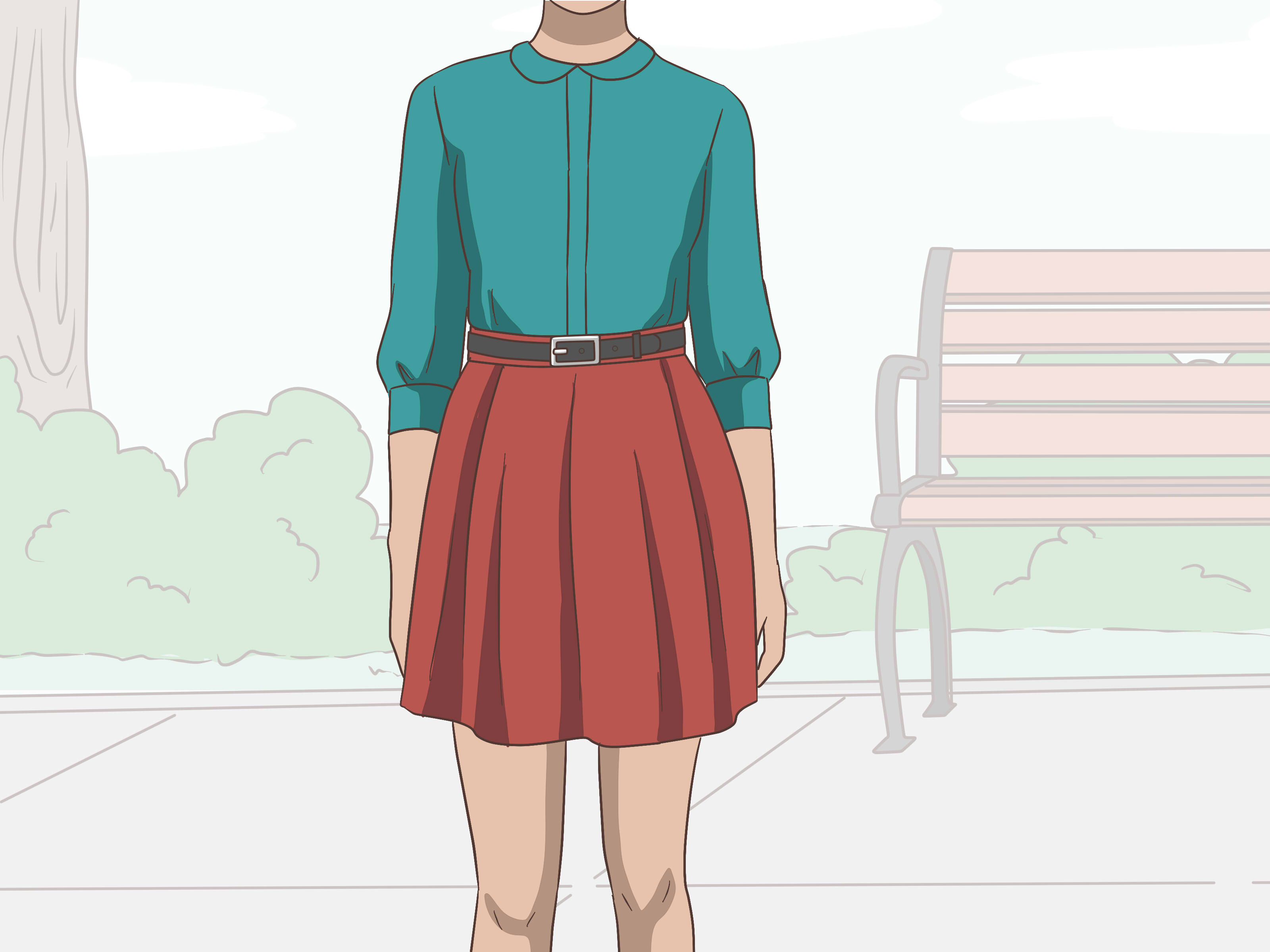
Skirts often look best when the belt sits at the waistband. With an A-line skirt, a belt emphasizes the waist and enhances the skirt’s shape. With a pencil skirt, a slim belt adds polish. With a pleated skirt, a belt can help anchor the movement of the fabric.
Try a tucked blouse, midi skirt, slim belt, and loafers for a smart everyday outfit. For a more modern look, wear a fitted knit top with a satin skirt and a narrow belt in a matching shade. If your skirt has volume, keep the belt sleek. If the skirt is simple, you can experiment with texture, a buckle, or color.
Choosing Belt Colors for Dresses and Skirts
A matching belt creates a long, clean line. For example, a black belt on a black dress defines the waist without breaking the outfit. A contrasting belt creates a stronger focal point. A tan belt on a white dress feels fresh and casual. A red belt on a navy dress adds personality. A metallic belt can dress up evening looks without needing a necklace that weighs as much as a chandelier.
When in doubt, repeat one color already in the outfit. If your shoes are brown, try a brown belt. If your bag has gold hardware, try a belt with a gold buckle. If your dress is printed, choose a belt in one of the print’s quieter colors. This makes the outfit feel coordinated instead of chaotic.
Style Option 3: Wear a Statement Belt Over Layers
This is the most fashion-forward way to wear a belt: over a blazer, cardigan, coat, tunic, sweater, or oversized shirt. It is also the option that can make you feel like a street-style editor who definitely knows where the good coffee is.
How to Belt a Blazer
Belting a blazer creates shape and turns tailoring into a statement. Choose a blazer with enough length to sit smoothly over the hips. A medium or wide belt works best, depending on the blazer’s fabric. Place the belt at the waist, not too low, and let the blazer slightly blouse above it.
For an easy outfit, wear a white tee, straight jeans, an oversized blazer, and a black belt over the blazer. Add loafers or ankle boots. For a sharper office look, belt a neutral blazer over matching trousers. For evening, belt a black blazer over a slip dress and add heels.
The buckle matters here. A simple buckle feels elegant. A large buckle feels bold. A Western buckle gives the look personality. A chain belt adds glamour. Just remember: if the belt is loud, let the rest of the outfit speak at a polite indoor volume.
How to Belt a Cardigan or Sweater
A long cardigan can sometimes look cozy but shapeless. Add a belt, and it becomes a soft jacket. A fine-knit cardigan works well with a slim belt, while a chunkier cardigan may need a wider belt. Keep the belt at the waist and let the cardigan drape open slightly for movement.
For a casual outfit, wear a long beige cardigan over jeans and a tee, then add a brown belt at the waist. For a dressier look, belt a black cardigan over a slip skirt and fitted top. With sweaters, try belting only if the knit is not too bulky. Thick sweaters plus tight belts can create a fabric situation best described as “cinnamon roll, but confused.”
How to Belt a Coat
Many coats come with self-tie belts, but swapping in a leather belt can instantly upgrade the look. A trench coat looks classic with its own belt tied casually, but a structured leather belt makes it feel more modern. A wool coat can look elegant with a wide belt, especially when paired with boots.
When belting a coat, comfort matters. You should be able to move, sit, and breathe like a regular human. The belt should shape the coat, not trap you inside it like fashionable packaging.
Common Belt Mistakes and How to Fix Them
Mistake 1: Choosing a Belt That Is Too Tight
A belt should define, not squeeze. If the fabric pulls, puckers, or creates discomfort, loosen the belt or choose a different width. Style should not require shallow breathing.
Mistake 2: Ignoring Proportions
If you are petite or short-waisted, very wide belts may overwhelm your torso. Try slim or medium belts instead. If you are tall or long-waisted, wider belts can look balanced and intentional. The best belt is the one that works with your proportions, not against them.
Mistake 3: Forgetting the Shoes and Bag
Your belt does not need to match your shoes perfectly, but it should make sense with them. Black belt with black boots is easy. Brown belt with tan sandals is classic. Mixed metals are fine when they look deliberate. The goal is harmony, not a courtroom-level matching requirement.
Mistake 4: Wearing a Statement Belt With Too Many Other Statements
A bold belt, printed dress, giant earrings, bright bag, and dramatic shoes can all be fabulous individually. Together, they may start competing for mayor of the outfit. Choose one or two focal points and let the belt support the look.
Best Belts Every Woman Should Consider Owning
You do not need a huge belt collection. In fact, a small set of useful belts is better than a drawer full of belts you only wear while trying to convince yourself they were “a good sale.” Start with these:
- A black leather belt: Best for jeans, trousers, black dresses, blazers, and polished outfits.
- A brown or tan leather belt: Great with denim, white, beige, olive, camel, floral dresses, and warm-toned outfits.
- A slim dress belt: Ideal for dresses, skirts, office looks, and delicate fabrics.
- A statement belt: Choose a Western buckle, chain belt, wide waist belt, studded belt, or metallic style depending on your personality.
- A woven or textured belt: Perfect for summer dresses, linen shorts, relaxed denim, and vacation outfits.
Practical Experiences: What You Learn When You Actually Wear Belts
The first thing many women discover about belts is that the “right” belt on paper is not always the right belt in real life. A wide waist belt may look incredible in a photo, but if you sit at a desk for eight hours, it might become a fashionable reminder that ribs exist. A skinny belt may seem too quiet on the hanger, then suddenly become the perfect finishing touch for a dress that never looked quite complete before. Belts are personal because bodies, fabrics, and daily routines are personal.
One common experience is the surprise of how much a belt changes jeans. Without a belt, jeans and a tucked shirt can look fine. With a belt, the same outfit looks finished. The belt frames the waist, gives the tuck a reason to exist, and makes the shoes feel more connected to the rest of the look. This is especially noticeable with high-waisted jeans. Add a brown belt to straight-leg denim, a white tee, and loafers, and suddenly the outfit has that clean, casual, “I did not try too hard, but yes, I do own a mirror” energy.
Another real-life lesson is that belts can rescue dresses you almost gave away. Many women have at least one dress that feels too loose, too plain, or too “nice but sleepy.” Add a belt at the natural waist and the dress may completely change. A shirt dress becomes sharper. A flowy dress becomes more flattering. A black dress becomes evening-ready with a metallic belt. A floral dress becomes less sweet and more modern with a leather belt. It is like giving the dress a cup of coffee.
Layering with belts takes more experimentation, but it can be the most rewarding. Belting a blazer may feel bold at first, especially if you are used to wearing blazers open. The trick is to use a blazer with enough length and softness. Once the belt is placed correctly, the outfit looks tailored without needing alterations. The same is true for cardigans and coats. A belt can make cozy layers look styled rather than bulky.
The most useful experience, though, is learning not to force it. Some outfits do not need a belt. Some dresses look better loose. Some sweaters are too thick. Some belt buckles sit awkwardly. That does not mean belts are difficult; it means styling is a conversation. Try the belt. Check the mirror. Sit down. Move around. If it feels good and improves the outfit, wear it. If not, let the belt rest. It has other work to do tomorrow.
Over time, wearing belts becomes less about rules and more about instinct. You start noticing when an outfit needs contrast, shape, polish, or personality. You learn that a slim black belt can make office trousers look cleaner, a tan belt can soften denim, and a statement buckle can replace jewelry when the neckline is already busy. You also learn that comfort is part of style. A belt that looks great but annoys you all day is not stylish; it is a tiny leather villain.
The best experience is realizing that belts are low-effort but high-impact. You do not need to buy a whole new wardrobe to feel better dressed. Sometimes you only need to add one line at the waist, one buckle at the center, or one texture that pulls everything together. That is the quiet power of a belt: small accessory, major attitude adjustment.
Conclusion
Learning how to wear a belt for women comes down to three smart style options: use a belt to polish jeans and trousers, use a belt to shape dresses and skirts, and use a statement belt to define layered outfits like blazers, coats, cardigans, and oversized shirts. Once you understand belt width, placement, color, and proportion, styling becomes much easier.
A belt should never feel like an afterthought. It can be the piece that turns basics into an outfit, makes loose clothing flattering, or adds personality without overwhelming your look. Start with a black belt, a brown belt, and one statement style you genuinely love. Then experiment with tucks, waist placement, layers, and buckles. The mirror will tell you what works. The belt, thankfully, will not talk back.