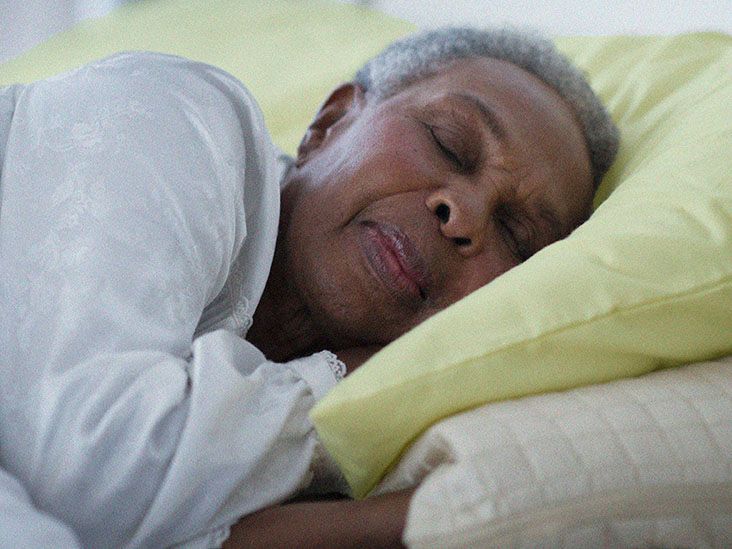
Sleep apnea is what happens when your breathing repeatedly slows, pauses, or gets blocked while you sleep. It sounds dramatic because it is dramatic. Your body is trying to rest, your brain is trying to clean house, and meanwhile your airway is doing its best impression of a collapsing camping chair. The result can be loud snoring, sudden gasping, morning headaches, daytime sleepiness, poor concentration, and the kind of fatigue that makes your coffee look at you and whisper, “I can’t fix this alone.”
Although the phrase apnea del sueño is Spanish for sleep apnea, this guide explains the condition in clear American English: what sleep apnea feels like, what causes it, how doctors diagnose it, and which treatments actually help. The good news is that sleep apnea is common, treatable, and often life-changing once managed properly. The not-so-good news? Many people live with it for years because they think snoring is just a personality trait.
What Is Sleep Apnea?
Sleep apnea is a sleep-related breathing disorder. During sleep, your breathing may stop for short periods or become too shallow to deliver enough oxygen. These pauses can last seconds or longer and may happen many times per hour. Every time your oxygen level drops or your breathing becomes strained, your brain may briefly wake you up just enough to restart breathing. You usually do not remember these mini-awakenings, but your body does. By morning, you may feel like you spent the night wrestling a raccoon in your pajamas.
The main types of sleep apnea are obstructive sleep apnea, central sleep apnea, and complex sleep apnea. Each type affects breathing differently, but all can disrupt healthy sleep and increase health risks when untreated.
Obstructive Sleep Apnea
Obstructive sleep apnea, often called OSA, is the most common type. It happens when the muscles and soft tissues in the throat relax too much during sleep. The airway narrows or collapses, blocking airflow even though your body is still trying to breathe. This is why many people with OSA snore loudly, gasp, choke, or seem to stop breathing.
Central Sleep Apnea
Central sleep apnea is less common. In this type, the airway may be open, but the brain does not consistently send the right signals to the breathing muscles. It can be linked to heart conditions, stroke, certain medications such as opioids, high altitude, or neurological problems.
Complex Sleep Apnea
Complex sleep apnea, also called treatment-emergent central sleep apnea, involves features of both obstructive and central sleep apnea. It may appear after someone starts positive airway pressure therapy for obstructive sleep apnea and needs careful follow-up from a sleep specialist.
Common Sleep Apnea Symptoms
Sleep apnea symptoms can be obvious, sneaky, or blamed on everything except sleep. Many people do not notice their breathing pauses because they are asleep when they happen. A bed partner is often the first witness, which is why sleep apnea has ruined many peaceful pillow negotiations.
Nighttime Symptoms
The most recognized symptom is loud, frequent snoring. However, not everyone who snores has sleep apnea, and not everyone with sleep apnea snores. Other nighttime signs include choking, gasping, restless tossing and turning, waking up with a dry mouth, frequent nighttime urination, sweating during sleep, insomnia, and waking suddenly feeling short of breath.
Daytime Symptoms
Because sleep apnea interrupts deep, restorative sleep, daytime symptoms can be just as important. These may include morning headaches, excessive daytime sleepiness, trouble focusing, irritability, memory problems, low energy, depression-like mood changes, and falling asleep while reading, watching TV, sitting in meetings, or waiting at a red light. That last one is not “just tired.” It is a warning sign.
Symptoms in Women
Sleep apnea in women may be underdiagnosed because symptoms do not always look like the classic loud-snoring stereotype. Women may report insomnia, fatigue, morning headaches, mood changes, anxiety, depression, or poor sleep quality rather than dramatic snoring. After menopause, the risk of obstructive sleep apnea increases, partly due to hormonal and body-composition changes.
Symptoms in Children
Children with sleep apnea may snore, breathe noisily, sleep in unusual positions, wet the bed, or seem restless at night. During the day, they may appear hyperactive, moody, inattentive, or have trouble learning. In kids, the issue is often enlarged tonsils or adenoids, not just body weight.
What Causes Sleep Apnea?
Sleep apnea does not have one single cause. It usually develops from a mix of anatomy, health conditions, lifestyle factors, and sleep-related muscle changes. Think of it as a group project where nobody wants credit.
Airway Anatomy
Some people naturally have narrower airways, larger tonsils, a thick neck, a recessed jaw, nasal obstruction, or soft tissue that collapses more easily during sleep. These structural factors can make breathing more difficult when the throat muscles relax.
Excess Weight
Excess body weight is a major risk factor for obstructive sleep apnea. Fat deposits around the neck and upper airway can increase airway narrowing. However, thin people can have sleep apnea too, especially if they have certain jaw, throat, or nasal anatomy. Sleep apnea is not a “weight-only” condition, and assuming otherwise causes many people to go undiagnosed.
Age, Sex, and Hormones
Sleep apnea becomes more common with age. Men are diagnosed more often than women, but women’s risk rises after menopause. Hormonal changes can affect airway muscle tone and fat distribution, making sleep-disordered breathing more likely.
Alcohol, Sedatives, and Smoking
Alcohol and sedating medications relax throat muscles, which can worsen airway collapse. Smoking may increase inflammation and fluid retention in the upper airway. In plain English: if your airway is already acting dramatic, alcohol, sedatives, and smoking may hand it a microphone.
Nasal Congestion
Allergies, sinus problems, a deviated septum, or chronic nasal congestion can make it harder to breathe through the nose. This may increase mouth breathing and worsen snoring or obstructive sleep apnea symptoms.
Medical Conditions
Sleep apnea is associated with high blood pressure, heart disease, stroke, type 2 diabetes, obesity, chronic nasal obstruction, and certain neurological conditions. Central sleep apnea may be linked to heart failure, stroke, opioid use, or problems with the brain’s breathing control system.
Why Untreated Sleep Apnea Matters
Untreated sleep apnea is more than annoying snoring. Repeated drops in oxygen and repeated sleep interruptions place stress on the brain, heart, blood vessels, and metabolism. Over time, untreated sleep apnea may increase the risk of high blood pressure, irregular heart rhythms, heart disease, stroke, insulin resistance, type 2 diabetes, daytime accidents, mood problems, and cognitive issues.
That does not mean every person with sleep apnea should panic. It means the condition deserves attention. Getting evaluated is not overreacting; it is maintenance. Your body is not a phone, but it still performs better when it charges properly.
How Sleep Apnea Is Diagnosed
A healthcare professional may start by asking about snoring, witnessed breathing pauses, daytime sleepiness, morning headaches, sleep schedule, alcohol use, medications, medical history, and family history. They may examine your throat, neck, jaw, nose, and blood pressure.
Sleep Study
The main diagnostic test is a sleep study, also called polysomnography. It may be done in a sleep lab or, for selected patients, at home with a portable sleep apnea test. A sleep study can measure breathing, oxygen levels, heart rate, body position, airflow, snoring, and sleep patterns.
Apnea-Hypopnea Index
Doctors often use the apnea-hypopnea index, or AHI, to estimate severity. It counts how many breathing pauses or shallow-breathing events occur per hour of sleep. Mild sleep apnea is typically fewer events than moderate or severe disease, but symptoms and health risks also matter. A person with “mild” numbers and severe sleepiness still deserves serious care.
Sleep Apnea Treatments That Work
Treatment depends on the type and severity of sleep apnea, your anatomy, symptoms, health conditions, and what you can realistically use every night. The best treatment is not the fanciest one; it is the one that works and that you will actually stick with after the novelty wears off.
CPAP and Positive Airway Pressure Therapy
CPAP, or continuous positive airway pressure, is one of the most common and effective treatments for obstructive sleep apnea. A CPAP machine sends steady air pressure through a mask to keep the airway open during sleep. Other positive airway pressure options include APAP, which automatically adjusts pressure, and BiPAP, which provides different pressure levels for inhaling and exhaling.
Some people love CPAP quickly. Others need time, mask adjustments, humidification, pressure changes, or coaching. Common issues include dry mouth, nasal congestion, mask leaks, skin irritation, and feeling claustrophobic. These problems are usually fixable. Before declaring war on the machine, talk with a sleep professional. Sometimes the difference between “I hate this thing” and “I sleep like a civilized mammal” is simply a better mask.
Oral Appliances
Oral appliances are custom dental devices that help keep the airway open by moving the lower jaw or tongue forward. They may be useful for mild to moderate obstructive sleep apnea or for people who cannot tolerate CPAP. They should be fitted by a qualified dental sleep medicine professional, not ordered randomly from the internet next to novelty socks and questionable supplements.
Weight Management
For people with excess weight, losing weight may reduce sleep apnea severity and improve breathing. Even modest weight loss can help some patients. However, weight loss is not an instant cure, and people should not delay treatment while trying to lose weight. Sleep apnea can make fatigue worse, and fatigue can make healthy habits harder, creating a frustrating loop.
Positional Therapy
Some people have worse sleep apnea when sleeping on their back. Positional therapy encourages side sleeping using special devices, pillows, or wearable trainers. This can be helpful when sleep apnea is position-dependent, although it may not be enough for more severe cases.
Lifestyle Changes
Healthy sleep habits can support treatment. Avoiding alcohol close to bedtime, quitting smoking, treating allergies or nasal congestion, staying physically active, keeping a consistent sleep schedule, and avoiding sedatives unless prescribed can all make symptoms easier to control. These steps may not replace medical therapy, but they can make the whole system work better.
Surgery
Surgery may be considered when anatomy contributes strongly to obstruction or when other treatments fail. Options vary widely and may include removing enlarged tonsils or adenoids, correcting nasal obstruction, reshaping soft tissue, jaw surgery, or implanting a hypoglossal nerve stimulation device. Surgery is not a one-size-fits-all answer, but for selected patients, it can be very helpful.
Treating Central Sleep Apnea
Central sleep apnea treatment focuses on the underlying cause. This may involve managing heart failure, adjusting medications, addressing high-altitude exposure, using positive airway pressure therapy, or using specialized breathing support devices. Because central sleep apnea is different from obstructive sleep apnea, diagnosis and follow-up with a sleep specialist are especially important.
Living With Sleep Apnea: Practical Tips
Managing sleep apnea is partly medical and partly practical. If you use CPAP, clean your equipment according to manufacturer and clinician instructions. Replace masks, filters, and tubing as recommended. Keep follow-up appointments so pressure settings and comfort issues can be adjusted. If you travel, plan ahead. A CPAP machine is less glamorous than designer luggage, but it is far more useful at 2 a.m. in a hotel room.
If you share a bed, talk openly with your partner. Sleep apnea can affect both people: one person struggles to breathe, while the other becomes an unpaid nighttime audio engineer tracking snores, gasps, and blanket theft. Diagnosis and treatment can improve sleep quality for everyone in the room.
When to See a Doctor
You should speak with a healthcare professional if you snore loudly, wake up choking or gasping, have witnessed breathing pauses, feel excessively sleepy during the day, wake with frequent headaches, or struggle with concentration despite spending enough hours in bed. You should seek urgent medical attention if sleepiness affects driving or safety-sensitive work.
Do not wait until symptoms become extreme. Sleep apnea often gets worse gradually, and many people normalize exhaustion because they are busy, stressed, or convinced adulthood is supposed to feel like a low-battery warning. It is not.
Real-Life Experience: What Sleep Apnea Often Feels Like
Many people describe the road to a sleep apnea diagnosis as strangely ordinary. They do not wake up one morning and think, “Aha, my upper airway is collapsing during REM sleep.” More often, the clues arrive like tiny annoying postcards: a partner complains about snoring, the person wakes up with a dry mouth, headaches become part of breakfast, and afternoons feel like walking through wet cement.
One common experience is the “I slept eight hours, so why am I exhausted?” problem. Someone may go to bed at 10:30 p.m., wake at 6:30 a.m., and still feel like they were unplugged overnight. They may blame stress, age, work, kids, screens, the moon, or the neighbor’s dog. But if sleep apnea is repeatedly interrupting breathing, the number of hours in bed does not tell the whole story. It is like charging your phone with a broken cable: technically connected, emotionally disappointing.
Another experience is denial. Snoring becomes a joke. Gasping becomes “just allergies.” Falling asleep during movies becomes “the movie was slow.” A morning headache becomes “maybe I need new pillows.” People are creative when avoiding medical appointments. Unfortunately, sleep apnea is not impressed by creativity. It keeps doing its thing until someone finally asks the right question: “Am I actually breathing well at night?”
Starting treatment can feel awkward at first, especially with CPAP. The first night with a mask may not feel magical. It may feel like you are auditioning for a tiny role in a space documentary. Some people worry about how they look. Some fight mask leaks. Some take the mask off in their sleep and find it on the floor in the morning like it tried to escape. This is normal. Adjustment takes patience, fitting, and follow-up.
But when treatment works, the change can be dramatic. People often report fewer headaches, better mood, sharper focus, less daytime sleepiness, and more stable energy. Partners may sleep better too, which can improve household diplomacy. Nobody becomes a perfect human just because their airway stays open, but being rested certainly makes it easier not to argue with the toaster.
The most useful lesson from real-life sleep apnea stories is this: do not measure the condition by embarrassment. Snoring is common. CPAP is common. Oral appliances are common. Sleep studies are common. What should not be common is ignoring symptoms that affect your brain, heart, energy, safety, and quality of life. Getting tested is not dramatic. It is practical.
If you suspect sleep apnea, keep a short symptom log for one or two weeks. Write down bedtime, wake time, naps, morning headaches, dry mouth, nighttime awakenings, alcohol use, and daytime sleepiness. Ask a partner or family member whether they have noticed snoring, choking, or pauses in breathing. This information can make your medical visit more productive and help your provider decide whether a sleep study is appropriate.
Conclusion
Sleep apnea is a common but serious condition that can affect breathing, sleep quality, energy, mood, heart health, and daily safety. The most common type, obstructive sleep apnea, happens when the airway becomes blocked during sleep. Central sleep apnea involves disrupted breathing signals from the brain. Symptoms may include loud snoring, gasping, morning headaches, dry mouth, restless sleep, daytime fatigue, irritability, and concentration problems.
The encouraging part is that sleep apnea is treatable. CPAP, oral appliances, lifestyle changes, positional therapy, surgery, and treatment of underlying conditions can all help the right patient. If your nights sound like a chainsaw convention and your mornings feel like you were assembled incorrectly, do not just buy stronger coffee. Talk with a healthcare professional and ask whether sleep apnea testing makes sense.
Note: This article is for general educational purposes only and should not replace diagnosis, treatment, or personalized advice from a qualified healthcare professional.