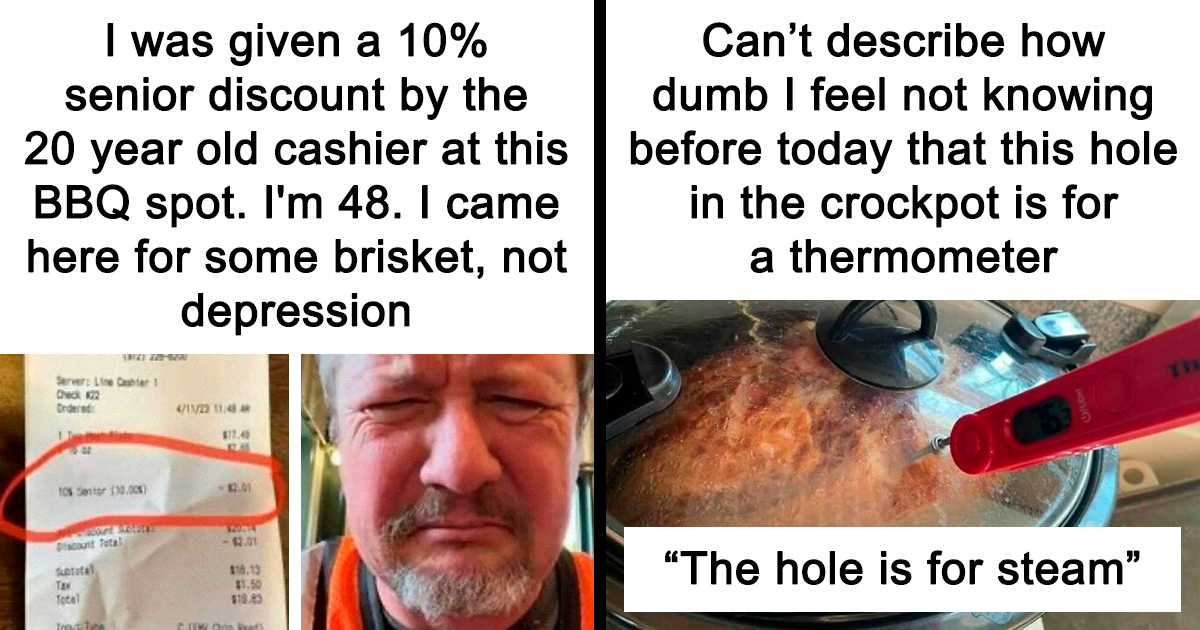
Food is serious business. It fuels our bodies, builds family traditions, starts arguments over pineapple on pizza, and occasionally turns a calm adult into a kitchen goblin whispering, “Just one more handful of shredded cheese.” That is exactly why food memes work so well: they take our everyday hunger, cooking disasters, restaurant opinions, grocery-store drama, and late-night snack logic, then season it all with the perfect amount of sarcasm.
The collection titled “50 Deliciously Funny Memes, As Shared On This Instagram Account” celebrates the kind of humor that understands one universal truth: everybody eats, but not everybody does it gracefully. Featured around the Instagram account Angry Chef, these funny food memes capture the emotional roller coaster of cooking, craving, ordering, overeating, pretending a salad will fix everything, and discovering that “leftover bacon” is more of a myth than a menu item.
In an online world filled with polished recipe videos and impossibly clean kitchens, food memes feel refreshingly human. They admit that sometimes dinner is a carefully balanced meal, and sometimes it is toast with butter eaten over the sink like a Victorian orphan with Wi-Fi. That honesty is what makes culinary humor so addictive, shareable, and oddly comforting.
Why Food Memes Hit So Hard
Food memes are not just jokes about snacks. They are tiny cultural mirrors. A good meme about cooking can say what many people feel but rarely admit: recipes lie about prep time, “easy cleanup” is a fantasy, and the phrase “season to taste” assumes a level of emotional stability most weeknight cooks do not possess.
What makes the Angry Chef-style meme so satisfying is its blend of relatability and exaggeration. The jokes often revolve around ordinary experiences: loving toast too much, being suspicious of fancy recipe instructions, judging overpriced burgers, worshipping rotisserie chicken, or feeling personally betrayed when food disappears because you ate it and now have to cook again tomorrow. These are not elite culinary concerns. These are the daily struggles of anyone who has opened the fridge, stared into the void, and closed it again hoping the second viewing would reveal tacos.
The Instagram Account Behind the Laughs
The featured memes are connected to the Instagram account Angry Chef, a page that thrives on food humor, cooking sarcasm, and restaurant-life absurdity. The name alone sets the tone. This is not gentle “tee-hee, cupcakes are cute” content. It is sharper, louder, and more honest. It feels like the inner monologue of someone who has chopped onions, burned garlic, washed twelve pans, and still had the emotional strength to make fun of brunch.
Instead of presenting food as flawless lifestyle content, these memes lean into the chaos. That is part of the appeal. Social media has trained audiences to expect perfect plates, perfect lighting, and perfect people pretending they naturally snack beside marble countertops. Angry Chef humor pushes back. It says, “Yes, food is beautiful, but also your air fryer has seen things.”
What Makes These 50 Memes So Deliciously Funny?
1. They Understand Real Kitchen Drama
Cooking can be relaxing, but it can also become a full-contact sport. One minute you are calmly preparing dinner; the next, every burner is occupied, the smoke alarm is screaming, and the spoon you need has mysteriously entered the witness protection program.
Many of these memes capture that exact transition from “I am a home chef” to “I am fighting for my life near a saucepan.” They laugh at the prep work, the cleanup, the ingredient substitutions, and the strange optimism people have before starting a recipe with fifteen steps on a Tuesday night.
2. They Roast Food Snobbery
Some of the funniest food memes take aim at culinary elitism. They poke fun at recipes that demand ingredients you have never heard of, restaurants that serve tiny portions with dramatic lighting, and food writers who describe soup as if it just returned from a spiritual retreat.
One joke in the collection plays with the idea of authentic home cooking versus overly fancy recipe interpretations. The humor lands because many people understand the tension between family food traditions and modern recipe culture. Sometimes you do not want a reinvented version of gumbo, pasta, tacos, or stew. Sometimes you want the version your grandmother made, preferably with a wooden spoon, no measurements, and a deeply suspicious look at anyone who says “fusion.”
3. They Celebrate Simple Food Obsessions
Not every food craving needs a Michelin-starred explanation. Sometimes toast with salted butter is enough to restore faith in humanity. Sometimes a rotisserie chicken from the grocery store feels like a heroic achievement, even though you did not roast it and technically only carried it to the checkout line like a proud hunter-gatherer in sneakers.
Food memes work beautifully when they validate small pleasures. They understand that a perfect bite can be as emotionally important as a life milestone. A good sandwich can improve a day. A bad sandwich can start a personality change.
4. They Make Everyday Eating Feel Communal
One reason food memes spread so easily is that they invite instant recognition. You do not need a culinary degree to understand the pain of paying for a burger that arrives without fries. You do not need to be a professional baker to know that “just one cookie” is often a legal fiction. And you certainly do not need restaurant experience to understand that some menu descriptions are doing more creative writing than actual cooking.
That shared recognition creates community. When someone sends a meme about late-night snacking, they are not merely sending a joke. They are saying, “This is us.” The meme becomes a digital nod across the table.
The Psychology of Food Meme Humor
Food memes succeed because they combine three powerful ingredients: familiarity, surprise, and emotional release. The familiarity comes from universal situations: grocery prices, hunger, cravings, family recipes, messy kitchens, and the eternal debate over what counts as dinner. The surprise comes from the punchline, usually delivered with exaggeration or absurdity. The emotional release comes from realizing other people are also tired, hungry, dramatic, and confused by recipe blogs that require scrolling past someone’s childhood memories before reaching the ingredients.
Humor also helps people process small frustrations. Cooking mistakes, restaurant disappointments, diet guilt, and food costs can be stressful. A meme cannot fix a burnt casserole, but it can make the disaster feel less lonely. It turns “I failed at dinner” into “I have content.” That is not healing in the medical sense, but emotionally? That casserole died for a purpose.
Food Memes and the Rise of Relatable Instagram Content
Instagram is often associated with beautiful visuals, and food has always performed well there because it is naturally photogenic. But the platform is no longer only about picture-perfect avocado toast. Audiences increasingly enjoy content that feels real, funny, fast, and easy to share. That is where food memes shine.
A recipe video asks for attention. A meme gives an instant reward. In just a few seconds, it can deliver a complete story: the craving, the bad decision, the regret, and the punchline. That makes memes especially powerful in a feed where people scroll quickly and decide almost instantly whether something deserves a like, share, or screenshot.
Food memes also travel well because they do not require much explanation. Hunger is international. Snack logic is universal. The disappointment of a beautiful restaurant plate containing three decorative peas and a bill large enough to qualify as a financial event is understood across borders.
Common Themes in the 50 Deliciously Funny Memes
Cooking vs. Cleaning
Many people enjoy cooking. Far fewer enjoy the part where the kitchen looks like a raccoon hosted a dinner party. Memes about dishes, spills, and post-cooking exhaustion hit hard because they reveal the hidden cost of homemade meals. Yes, dinner was delicious. No, nobody warned us the sink would become a second entree.
Restaurant Ridiculousness
Restaurant humor is another major flavor. These memes joke about tiny portions, expensive add-ons, strange plating choices, dramatic servers, and menus that describe basic ingredients like they graduated from poetry school. A burger without fries is not just a meal choice; for some people, it is a betrayal.
Comfort Food Loyalty
Food memes often defend comfort foods with the intensity usually reserved for sports teams. Toast, bacon, pasta, cheese, fries, pizza, and sandwiches appear again and again because they are emotionally efficient. Nobody has to explain why melted cheese matters. It simply does.
Recipe Chaos
Another recurring theme is the gap between recipe expectations and kitchen reality. The recipe says “sauté until fragrant,” but your garlic went from raw to haunted in eleven seconds. The recipe says “fold gently,” but nobody taught your spatula diplomacy. The recipe says “use leftover bacon,” which is hilarious because leftover bacon requires a household full of people with impossible restraint.
Food Prices and Grocery Anxiety
Modern food humor also reflects real-life pressure. Grocery costs, restaurant prices, and shrinkflation have made many people more aware of what they spend on food. Memes turn that frustration into comedy. When eggs, butter, or takeout feel expensive, jokes become a pressure valve. Laughing at the price of groceries may not lower the receipt, but it does make the walk back to the car feel slightly less tragic.
Why Brands and Creators Love Food Memes
For content creators, food memes are a perfect engagement tool. They are quick to understand, easy to share, and highly personal. A meme about craving fries can attract comments from people confessing their own fry-related weaknesses. A meme about bad cooking can bring out stories of ruined dinners, smoke alarms, and family members who still mention “the lasagna incident” years later.
For food brands, restaurants, and influencers, memes offer something traditional advertising often lacks: a human voice. A funny post can make a brand feel less like a logo and more like a friend who also knows that ordering extra sauce is a lifestyle. Still, meme marketing only works when it feels natural. Forced humor is like overcooked pasta: technically food, emotionally disappointing.
How to Enjoy Food Memes Without Falling Into the Scroll Hole
Let us be honest: food memes are dangerous. You open Instagram for one quick laugh, and suddenly it is forty minutes later, you are hungry, and your algorithm thinks your personality is “cheese pull.” The best way to enjoy meme accounts is to treat them like seasoning: enough to make the day better, not so much that you forget you were supposed to defrost dinner.
Save your favorite memes for group chats. Send them to the friend who always orders fries “for the table” and then protects them like national treasure. Share them with the family member who insists every recipe needs more garlic. Use them as tiny social snacks: quick, funny, and best enjoyed with people who understand your particular food-related weaknesses.
of Experience: What Food Memes Teach Us About Real Life
After spending time with funny food memes, one thing becomes obvious: they are not really about food alone. They are about daily life. Food is just the stage where our habits, moods, relationships, budgets, and tiny personal dramas perform their little theater.
Anyone who has cooked regularly knows that the kitchen reveals character. Some people clean as they go, which is admirable and slightly suspicious. Others create a mountain of dishes and then act surprised, as if the bowls assembled independently. Some cooks measure everything carefully. Others treat recipes as loose rumors. Food memes capture all of these personalities in a way that feels instantly familiar.
The best food-related experiences often become funny because they are imperfect. A dinner party where everything goes smoothly is pleasant, but the one where the bread burns, someone forgets the salad, and the dog steals a meatball becomes family history. The same is true online. Perfect food photos are pretty, but flawed food stories are memorable. A meme about failed pancakes may be more emotionally useful than a flawless brunch spread because it reminds us that everyone has kitchen disasters.
Food memes also show how deeply people connect through cravings. Think about the friend who always wants tacos, the coworker who treats coffee like a constitutional right, or the relative who believes no meal is complete without rice. These preferences become identity markers. When a meme jokes about needing bread, cheese, fries, noodles, or dessert, people respond because the joke touches something personal. It is not just “food is good.” It is “this specific food understands me.”
There is also comfort in seeing ordinary hunger made funny. Many people carry guilt around food: eating too much, eating too late, ordering takeout, skipping meal prep, craving something salty, or choosing convenience over the fantasy version of themselves who owns matching glass containers. Food memes soften that guilt. They say, “Relax. You are human. Humans snack.” That message can be surprisingly kind beneath the sarcasm.
Another experience food memes capture well is the emotional math of convenience. A store-bought rotisserie chicken can feel like a miracle after a long day. A frozen pizza can feel like self-care. Toast can become dinner if you believe in yourself and lower your standards with confidence. These jokes are funny because they are practical. Most people are not living inside a cooking show. They are trying to eat something decent before answering emails, doing laundry, or falling asleep with one sock on.
Finally, food memes remind us that laughter belongs at the table. Meals do not have to be perfect to be meaningful. A funny caption, a shared joke, or a meme sent at midnight can create the same warm feeling as passing a plate across the table. In that sense, the Angry Chef-style meme is more than internet filler. It is a digital comfort food: quick, satisfying, and best shared with someone who knows exactly why leftover bacon is impossible.
Conclusion
“50 Deliciously Funny Memes, As Shared On This Instagram Account” works because it celebrates the messy, hungry, hilarious reality of food culture. These memes are not trying to be elegant. They are trying to be true. They understand that cooking can be chaos, restaurants can be ridiculous, grocery shopping can be emotional, and cravings do not care about your plans.
In a social media landscape filled with polished food content, funny food memes offer something more relatable: permission to laugh at the way we actually eat. Whether the joke is about toast, bacon, burgers, recipes, cleanup, or the sacred power of fries, the appeal is the same. Food brings people together, and memes make sure we are laughing when we get there.