After abdominal surgery, it is completely normal to look down and wonder whether your stomach has quietly rented extra square footage. A swollen, puffy, bloated abdomen can happen after many procedures, including laparoscopic surgery, hernia repair, bowel surgery, hysterectomy, gallbladder removal, and C-sections.
The good news: mild abdominal swelling often improves as your body heals, trapped gas moves along, inflammation settles down, and your bowels wake up from their anesthesia nap. The less-good news: recovery is rarely a straight line. One day you may feel like a recovering champion, and the next day a bowl of soup may make you feel like a parade balloon.
This guide explains how to reduce abdominal swelling after surgery safely, comfortably, and without trying questionable internet tricks involving detox tea, aggressive belly massage, or heroic amounts of prune juice. Your surgeon’s instructions should always come first, especially after bowel, stomach, pelvic, cancer, or weight-loss surgery.
Why Does Your Abdomen Swell After Surgery?
Postoperative abdominal swelling can have several causes. Your tissues may be inflamed from the procedure itself. If you had laparoscopic surgery, carbon dioxide gas used to create space inside the abdomen can cause temporary bloating, pressure, and even shoulder discomfort. Anesthesia, pain medicine, less movement, and changes in diet can also slow your intestines, making gas and constipation more likely.
A little swelling can be expected. Rapidly worsening swelling, severe pain, fever, repeated vomiting, inability to pass gas, or a hard and very tender abdomen are not “push through it” symptoms. Those are reasons to contact your surgical team promptly or seek urgent medical care.
12 Steps to Reduce Abdominal Swelling After Surgery
1. Follow Your Surgical Discharge Instructions Like They Are the Season Finale
Your discharge paperwork may not be thrilling reading, but it is more useful than guessing. Different operations come with different recovery rules. Someone recovering from a laparoscopic gallbladder procedure may tolerate regular foods quickly, while someone recovering from bowel surgery may need a temporary low-fiber or liquid-focused plan.
Check your instructions for activity limits, showering, wound care, medication schedules, diet changes, bowel-care recommendations, and warning signs. If your written instructions say something different from general advice online, your surgeon wins every time.
2. Take Short, Frequent Walks
Gentle walking is one of the simplest ways to ease postoperative bloating. It encourages circulation, helps your lungs expand, and can help gas travel through your digestive system instead of setting up a long-term residence in your abdomen.
Start small. A few slow laps around your bedroom, hallway, or living room can be enough at first. Gradually add more short walks throughout the day as your care team allows. Think “pleasant stroll,” not “training montage.” Avoid heavy lifting, crunches, intense exercise, and anything that strains your abdominal muscles until your surgeon clears you.
3. Practice Deep Breathing and Gentle Posture Changes
After surgery, people often hunch over because their incision feels sore. Understandable? Absolutely. Helpful for gas, circulation, and breathing? Not always. Sitting upright, changing positions carefully, and taking slow deep breaths can help you feel less compressed and stiff.
If coughing, laughing, or deep breathing hurts, support your incision with a small pillow or folded blanket. This is sometimes called splinting. You are not being dramatic; you are simply giving your healing abdominal wall a tiny bodyguard.
4. Stay Hydrated, Unless Your Medical Team Has Limited Fluids
Hydration supports digestion and can make bowel movements easier to pass. Sip water steadily throughout the day instead of gulping a giant bottle all at once. Broth, electrolyte drinks, clear soups, and other approved fluids may also be useful when your appetite is low.
However, fluid needs are not identical for everyone. People with heart failure, kidney disease, liver disease, certain cancers, or special postoperative instructions may need fluid limits. Follow your personal medical guidance instead of treating hydration like a competitive sport.
5. Choose Small, Slow Meals Instead of One Giant Feast
Your digestive system may be moving more slowly after surgery. Large meals can make you feel overly full, gassy, nauseated, or stretched out like a sofa cushion after Thanksgiving dinner. Smaller meals are often easier to tolerate while your appetite and bowel function return.
Try eating several light meals or snacks rather than forcing three large plates of food. Chew slowly, take breaks, and stop before you feel stuffed. Foods that are easy to digest and provide protein can help support healing, such as eggs, yogurt, soup, tender chicken, fish, oatmeal, mashed potatoes, smoothies, or other options approved for your procedure.
6. Temporarily Avoid Foods and Habits That Add Extra Gas
When your abdomen already feels inflated, it makes sense to avoid adding more air to the situation. Carbonated drinks, drinking through straws, chewing gum, eating too quickly, and swallowing air while talking through meals can all worsen bloating for some people.
Gas-producing foods vary from person to person, but common culprits include beans, broccoli, cabbage, onions, greasy foods, spicy meals, and heavily processed snacks. This does not mean these foods are permanently banned from your life. It simply means your recovering digestive system may prefer a quieter menu for a few days or weeks.
7. Prevent Constipation Before It Becomes a Full-Time Problem
Constipation is one of the most common reasons abdominal swelling feels worse after surgery. Anesthesia can slow bowel movement, opioid pain medicines can make stools harder to pass, and spending more time resting than moving can leave your intestines feeling lazy.
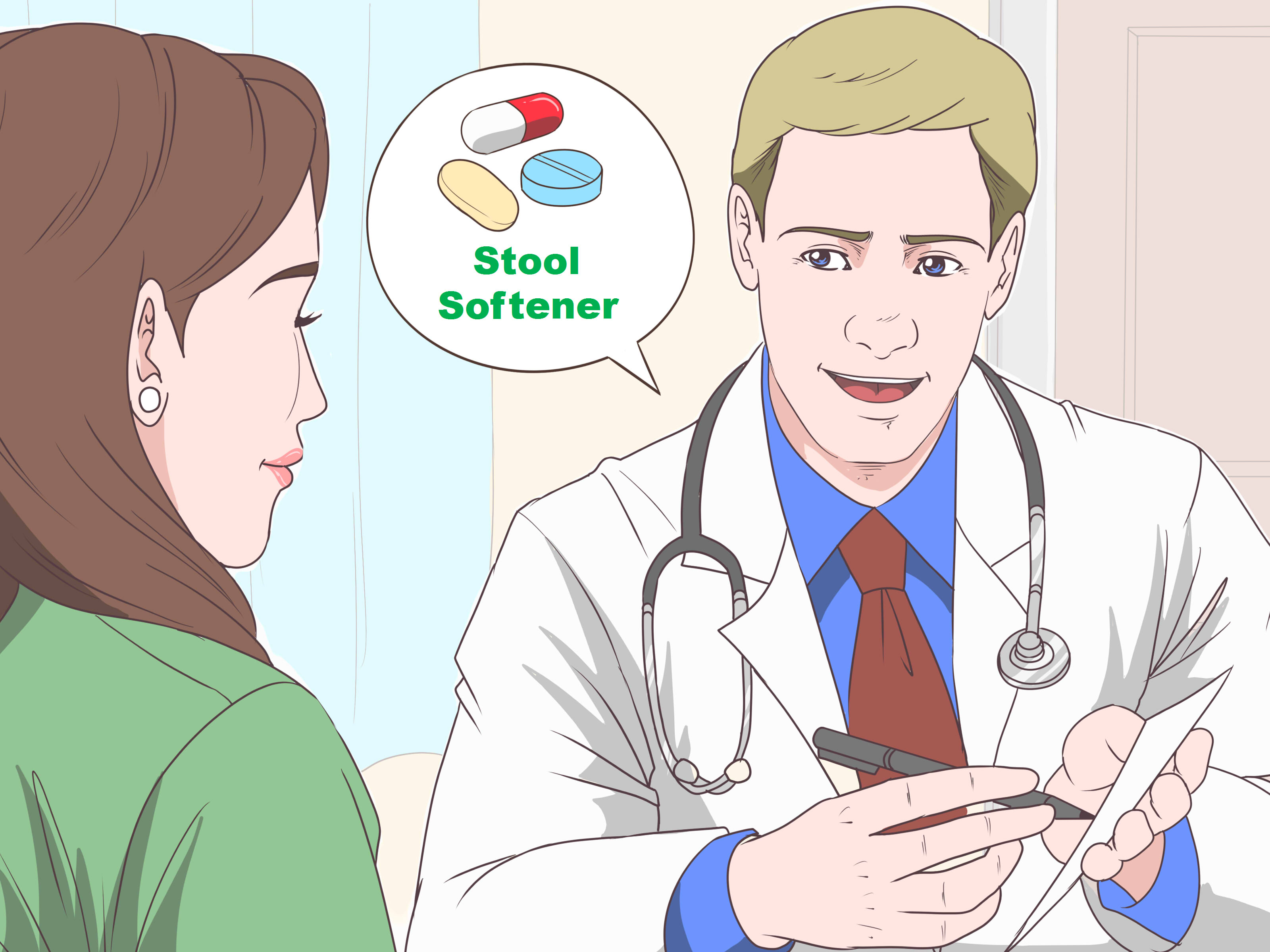
Do not wait until you are miserable and bargaining with the universe. Ask your surgeon or pharmacist whether you should use a stool softener, osmotic laxative, fiber supplement, or another bowel-care option. Some procedures require special restrictions, especially bowel surgery, ostomy surgery, or gastric surgery, so do not add fiber or laxatives without checking first.
When your care team approves it, gentle walking, fluids, and gradually increasing fiber can help. Add fiber slowly. Suddenly eating a mountain of bran cereal while already bloated can create a sequel nobody requested.
8. Take Pain Medicine Exactly as Directed
Good pain control matters because uncontrolled pain can make you avoid walking, breathing deeply, eating, and changing positions. At the same time, some pain medications, especially opioids, can worsen constipation and abdominal bloating.
Take prescribed medicines as directed and ask your surgical team whether you can use non-opioid options, such as acetaminophen or an anti-inflammatory medicine, if appropriate for your condition. Do not stop, double, replace, or combine medications without medical guidance. Your medication plan may need adjusting if pain is getting worse instead of gradually improving.
9. Wear Loose, Comfortable Clothing
Tight waistbands, restrictive shapewear, and jeans that require a full engineering project to button can make a swollen abdomen feel worse. Choose soft, loose clothing that does not rub the incision or press against tender areas.
Some patients are told to use an abdominal binder after certain surgeries. Others are told not to. A binder can feel supportive for some people, but it is not a universal cure for swelling and should only be used if your surgeon approves it. Avoid wrapping your abdomen tightly in hopes of “squeezing the swelling out.” Your body is healing, not being vacuum-sealed for storage.
10. Care for Your Incision Properly
Swelling around an incision can be part of normal healing, particularly in the first days after surgery. Mild bruising, tenderness, numbness, and puffiness may also happen. Still, inspect your incision daily if you can do so comfortably.
Follow your surgeon’s instructions about bathing, dressings, drains, tape strips, staples, and ointments. Do not scrub the incision, pick at scabs, massage lumps, pop blisters, or apply creams and oils unless your care team says they are safe. A healing incision needs gentle care, not a spa treatment assembled from your bathroom cabinet.
11. Rest Enough, But Do Not Become One With the Couch
Recovery requires rest. Your body is using energy to repair tissue, manage inflammation, and regain normal digestive function. Give yourself permission to nap, move slowly, and accept help with chores.
But total inactivity can contribute to gas, constipation, stiffness, and swelling. A balanced routine often works best: rest, then take a brief walk; sit upright for a while, then lie down comfortably; eat a small meal, then move gently. Your goal is not to prove toughness. Your goal is to recover without turning your living room into a permanent recovery cave.
12. Track Symptoms and Know When Swelling Needs Medical Attention
Keep a simple daily note of your pain level, bowel movements, gas, appetite, temperature, incision appearance, and swelling. You do not need a color-coded spreadsheet worthy of NASA, but noticing trends can help you and your surgeon identify a problem early.
Call your surgical team promptly if swelling is increasing rather than improving, you develop fever or chills, your incision becomes red, hot, increasingly painful, opens up, or drains pus or foul-smelling fluid. Also call for persistent nausea, repeated vomiting, worsening constipation, inability to pass gas, a new bulge near the incision, or pain that is severe or suddenly worse.
Seek emergency care for severe abdominal pain, a rigid or rapidly enlarging abdomen, chest pain, shortness of breath, fainting, confusion, uncontrolled bleeding, or vomiting that looks like blood or coffee grounds. It is always better to ask early than to try to out-stubborn a possible complication.
Common Mistakes That Can Make Postoperative Bloating Worse
Many people make recovery harder by trying to “fix” swelling too aggressively. Avoid rushing back to workouts, lifting heavy grocery bags, doing abdominal exercises, taking random supplements, or drinking herbal products marketed as cleansing remedies. Some supplements can interfere with medications, cause diarrhea, affect bleeding risk, or irritate your stomach.
It is also wise to avoid smoking and nicotine products during recovery unless your surgeon has specifically discussed a cessation plan with you. Nicotine can interfere with blood flow and wound healing. Alcohol may also interact with pain medicines, increase dehydration, and make it harder to notice warning symptoms.
How Long Does Abdominal Swelling Last After Surgery?
The timeline depends on the type of surgery, the size of the incision, whether the procedure was open or laparoscopic, your overall health, and how quickly your bowels return to normal. Gas-related bloating after minimally invasive surgery may improve over several days. Incision swelling and tenderness can take longer. More extensive abdominal surgery can involve weeks of healing and gradual improvement.
Do not compare your recovery too closely with someone else’s. Two people can have the same operation and heal at very different speeds. Your recovery is not failing just because it does not look like a cheerful “day three after surgery” social media post.
Experiences During Recovery: What Abdominal Swelling Often Feels Like
Many people describe postoperative abdominal swelling as a strange mix of pressure, tightness, and uncertainty. The belly may feel larger than expected, especially by evening. Pants that fit before surgery may suddenly seem deeply offended by your existence. For some people, the swelling is mostly around the incision. For others, it feels more like internal bloating or trapped gas that moves from one side of the abdomen to the other.
After laparoscopic surgery, people often notice that their abdomen feels full even when they have eaten very little. Some also feel discomfort in the shoulders or upper chest area because leftover gas can irritate the diaphragm. This can be unsettling, but gentle walking, changing positions, and time often help the sensation fade.
Constipation can make everything feel more dramatic. A person may think the surgery itself caused major swelling when the real culprit is a slowed bowel combined with pain medication, lower activity, and not drinking enough fluids. Once bowel movements become more regular, the abdomen may feel noticeably softer and less uncomfortable. That is why postoperative bowel care deserves more attention than it usually gets. It may not be glamorous, but neither is feeling like a human balloon animal.
Emotionally, swelling can be frustrating because it is visible. You may expect a small incision to mean a small recovery experience, only to discover that your abdomen has its own opinion. It can help to remember that swelling is often part of the inflammatory healing process, not a sign that you have permanently changed shape. Your body is repairing tissue, shifting fluids, waking up its digestive system, and adapting after a major event.
People also commonly notice that recovery changes throughout the day. Mornings may feel easier after a night of rest, while evenings can bring more bloating, fatigue, and soreness. A short walk after meals, smaller portions, and avoiding fizzy drinks may make evenings more comfortable. Keeping a simple pattern log can help you identify what makes symptoms better or worse.
Support from family or friends can make recovery easier, too. Someone who can prepare light meals, remind you to take short walks, carry laundry, or simply reassure you that healing takes time can reduce stress. Stress itself can make abdominal discomfort feel more intense, especially when you are already tired and worried.
The most useful recovery mindset is patient, observant, and slightly forgiving. Take symptoms seriously, but do not panic over every gurgle. Celebrate small wins: passing gas, taking a shower, walking a little farther, eating a normal snack, or sleeping more comfortably. Healing after abdominal surgery is rarely glamorous, but each small improvement is your body quietly doing important work.
Final Thoughts
Learning how to reduce abdominal swelling after surgery is mostly about supporting your body rather than forcing it. Gentle movement, approved hydration, smaller meals, bowel care, proper incision care, and patience can make recovery more comfortable. At the same time, worsening swelling or severe symptoms should never be ignored.
Note: This article is for general educational purposes and is not a substitute for advice from your surgeon or healthcare professional. Your personal discharge instructions, medical history, and type of surgery should guide your recovery plan.