Every so often, the internet unites around a major cultural question. Not politics. Not space exploration. Not whether pineapple belongs on pizza, although that one still has people pacing their kitchens. This time, the question was simpler, stranger, and somehow more emotional: what exactly counts as a normal Subway sandwich?
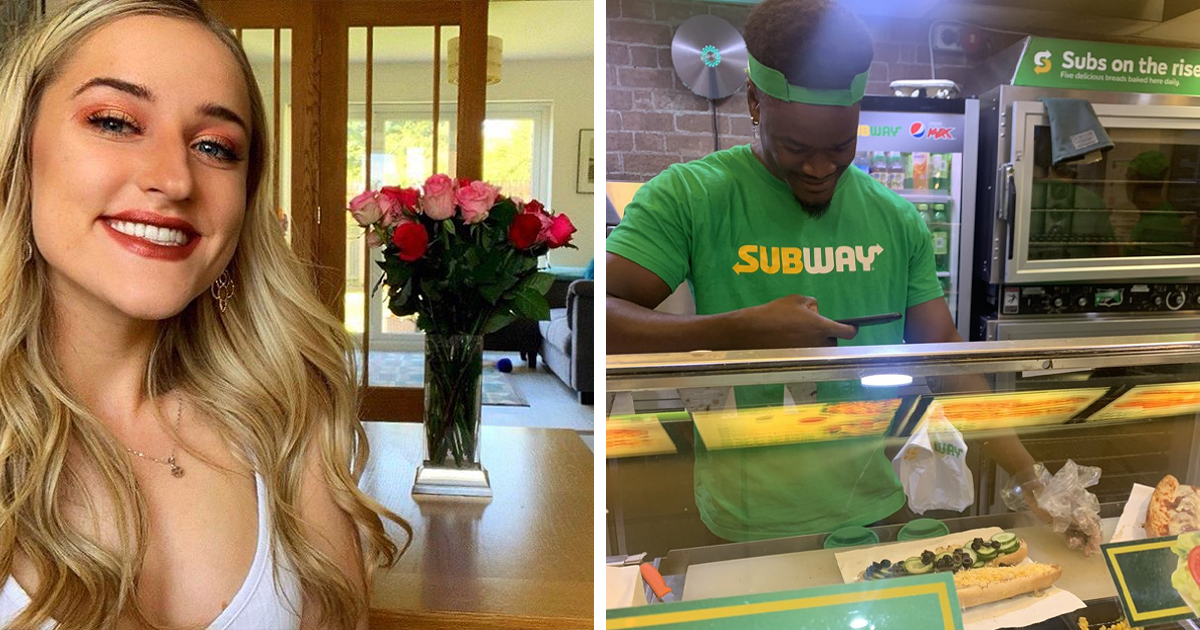
The viral story begins with a young woman named Anna, who reportedly visited Subway for the first time after a night out. She ordered a sandwich so unusual that the employee making it laughed, asked to take a picture, and accidentally launched a tiny food debate that spread across social media like a dropped jar of pickles rolling under the fridge. The sandwich? Cheese, cucumber, and black olives. That was it. No turkey. No tuna. No sauce avalanche. No lettuce pretending to be architecture. Just cheese, cucumber, olives, and a whole lot of public opinion.
At first glance, the order seems harmless. At second glance, it becomes confusing. At third glance, you start wondering whether it is secretly Mediterranean, accidentally minimalist, or the food equivalent of texting “you up?” to a salad. But the reason this story stuck around is not only because the sandwich looked odd. It went viral because it touched something deeply human: we all have a food choice that makes sense only to us, and we all hope nobody photographs it under fluorescent lighting.
The Viral Subway Sandwich That Broke Food Twitter
According to viral recaps of the story, Anna shared that it was her first time ordering at Subway. That detail matters. Subway is not like ordering a burger from a menu where the restaurant does most of the thinking. Subway is a build-your-own experience, a sandwich assembly line where every question feels like a tiny quiz: bread? Size? Toasted? Cheese? Vegetables? Sauce? Salt and pepper? Cookie? Life purpose?
For a first-timer, especially late at night, the process can feel oddly high-pressure. People behind you know their order with military precision. The worker is waiting. The vegetables are staring at you from behind the glass. Suddenly, you must choose your identity in sandwich form.
Anna chose cheese, cucumber, and olives. Some people online were delighted. Others were horrified. A few defended her with the passion usually reserved for constitutional law. The employee’s reaction became part of the charm: the sandwich was strange enough that even a person who probably made hundreds of subs had to pause and document it.
To be fair, Subway has always invited customization. Its entire appeal is that the customer gets to decide. Want extra pickles? Fine. Want no sauce? Legal. Want a cucumber-and-olive situation that looks like a snack packed by a philosophical raccoon? Technically, still within the rules.
Why Did This Order Feel So Weird?
The sandwich caused such a reaction because it violated the unspoken rhythm of a Subway order. Most people expect a base protein, some vegetables, maybe cheese, and a sauce that pulls everything together. Anna’s order skipped the traditional “main character” ingredient. No meat, no veggie patty, no tuna, no egg, no substantial filling. Just a crunchy green vegetable, salty olives, and cheese trying its best to hold the meeting together.
1. It Was Minimalist in a Maximalist Place
Subway is famous for choice. The counter is practically a parade of options: breads, cheeses, vegetables, sauces, seasonings, and add-ons. Walking into that much abundance and selecting only three fillings feels like entering a theme park and riding one bench.
That is partly why the sandwich became funny. It looked like the opposite of what the restaurant was built for. Subway gives you the power to create a towering masterpiece, and Anna created something that looked like it might whisper, “I am still thinking about dinner.”
2. It Had Strong Texture Energy
Cucumber brings crunch. Olives bring salt. Cheese brings softness. On paper, that is not a terrible combination. In fact, cucumber, cheese, and olives can work well in salads, wraps, and Mediterranean-style snacks. The issue is proportion. A sub roll is a lot of bread for such a small cast of ingredients. Without sauce or a hearty center, the sandwich risks becoming mostly loaf with occasional surprises.
Still, food is personal. Some people love dry sandwiches. Some people hate sauce. Some people want a lunch that snaps like a cucumber and stares into the distance. The internet may judge, but taste buds do not file paperwork.
3. The Internet Loves Low-Stakes Outrage
The best viral food debates are harmless but dramatic. Nobody needs a congressional hearing about a cucumber and olive sub, which is exactly why people enjoy arguing about it. It gives everyone a chance to be theatrical without ruining anyone’s day.
Food opinions are also easy to join. You do not need a degree to say, “That sandwich needs sauce.” You do not need culinary training to wonder why olives were invited. The simplicity of the debate made it perfect for social media: funny photo, strange order, instant reaction.
The Subway Ordering Experience: Freedom, Pressure, and Panic
Part of the story’s charm comes from how recognizable the Subway ordering experience is. The restaurant gives customers control, but with control comes responsibility. Suddenly, your sandwich is not just food. It is a sequence of decisions made in public.
For regular customers, this is easy. They have a script. “Six-inch Italian herbs and cheese, turkey, provolone, toasted, lettuce, tomato, onion, pickles, chipotle sauce.” Smooth. Confident. Presidential.
For new customers, it can feel like trying to defuse a delicious bomb. One wrong answer and you end up with cucumbers, olives, cheese, and a sandwich artist reaching for a camera.
That is why Anna’s order is relatable even for people who would never choose it. Many of us have frozen at a counter. Many of us have said “yes” to a topping because we panicked. Many of us have watched someone add jalapeños and thought, “Well, I guess this is who I am now.”
Was the Sandwich Actually Bad?
Here is the twist: the sandwich may not have been as terrible as the internet decided. Cucumber and cheese are a classic pairing. Olives add salt, depth, and a briny punch. If the bread was fresh and the cheese was the right kind, the combination could be refreshing in a strange, snacky way.
The missing piece was probably sauce. A drizzle of vinaigrette, ranch, garlic aioli, or even a little oil and vinegar could have transformed it from “confusing evidence photo” into “light vegetarian sub.” Add tomato, spinach, banana peppers, or red onion, and suddenly the sandwich looks intentional instead of like it was assembled during a software update.
So, was it bad? Maybe. Was it criminal? Absolutely not. In the grand universe of questionable food choices, this is gentle chaos. People have dipped fries in milkshakes, put hot sauce on popcorn, eaten cold pizza for breakfast, and built nachos so structurally unsound they needed a city inspector. Anna’s sandwich was weird, but it was also honest.
Why Odd Food Orders Go Viral
Odd food orders are internet gold because they reveal personality fast. A sandwich is small, but it tells a story. Some people order with precision. Some order with nostalgia. Some order with hunger so intense they forget grammar. Others, like Anna, create a tiny mystery wrapped in bread.
Viral food stories also work because they invite participation. Readers immediately imagine what they would have ordered instead. They compare the sandwich to their own habits. They tag friends. They argue about sauce. Before long, one person’s late-night snack becomes a public town hall with olives.
There is also a comfort in silly debates. The internet can be exhausting, but a strange Subway order is easy to process. Nobody has to solve the world. Everyone can simply gather around and say, “Hmm. Needs mustard.”
The Worker’s Photo: Funny Moment or Food-Shaming?
The employee taking a picture is part of what made the story spread, but it also raises a fair question: when does a funny moment become embarrassing for the customer?
In this case, reports suggest the moment was treated playfully, and Anna herself shared the story online. That makes a difference. But in general, workers and customers should be careful about turning someone’s order into public entertainment. Food preferences can be personal. A person may have allergies, dietary restrictions, sensory preferences, religious reasons, budget limits, or simply a craving that makes no sense to anyone else.
That does not mean nobody can laugh. Humor is part of everyday life, especially in food service, where employees see every possible combination humanity can place between bread. But the best version of the joke is kind, mutual, and free of humiliation. Laughing with someone is fun. Laughing at someone’s lunch can get stale faster than untoasted bread.
What This Story Says About Custom Food Culture
Subway became famous by letting people customize. That “choose your own adventure” format is now everywhere, from burrito bowls to coffee drinks to salad bars. Customers expect options. They want meals that match their diets, moods, budgets, and cravings.
But customization also creates more chances for unusual combinations. Once people are given freedom, they will use it. Someone will order a sandwich with every sauce. Someone will remove every vegetable. Someone will ask for only pickles and cheese. Someone will build a sub that looks like it was designed by a committee of sleep-deprived squirrels.
That is the beauty of it. Fast food is often criticized for sameness, but customizable ordering adds personality. The sandwich may not be elegant, but it is yours. And in a world of preset menus, there is something charming about a person confidently asking for the exact strange thing they want.
Could You Improve Anna’s Subway Order?
If the goal is to keep the spirit of the original order while making it more balanced, the fix is simple. Start with a six-inch multigrain or Italian bread. Keep the cucumber, black olives, and cheese. Add tomato for juiciness, spinach for freshness, red onion for bite, and a light sauce such as vinaigrette or garlic aioli. Toasting the cheese could also help the sandwich feel more complete.
For a vegetarian version with more substance, add avocado if available, a veggie patty, or extra cheese. For a sharper flavor, banana peppers would make sense. For a creamy finish, ranch or mayo could help. The point is not to erase the original weirdness. The point is to give it a supporting cast.
Still, if someone truly wants only cucumber, olives, and cheese, that is their business. The sandwich line is not a courtroom. Sometimes lunch is just lunch wearing a confusing outfit.
The Responsible Takeaway Behind the “Drunk-Ordered” Joke
The headline is funny because it uses the familiar idea of a late-night, slightly chaotic food decision. But it is worth keeping the obvious safety note in the room: drinking can affect judgment, and people should never drive or put themselves in risky situations after drinking. For adults who legally choose to drink, planning safe transportation and treating workers respectfully matters much more than any sandwich debate.
The fun part of this story is not alcohol. The fun part is the universal experience of making a bizarre food choice and having the world react like you personally attacked bread. The sandwich is the star. The olives are the supporting villains. The cucumber is just happy to be included.
500 More Words of Real-Life Food Experience: When Late-Night Orders Become Legendary
Everyone has either made or witnessed a late-night food order that deserves its own documentary. Maybe it happened after a long shift, a school event, a road trip, a concert, or a night when dinner was skipped and hunger arrived wearing steel-toed boots. The brain gets tired, the stomach takes over, and suddenly a normal menu becomes a playground.
One person orders fries, a milkshake, and a side of pickles, then insists the combination is “basically gourmet.” Another asks for a pizza with half mushrooms, half pineapple, and one mysterious corner with no cheese because “that part is for tomorrow.” Someone at a diner orders pancakes and mozzarella sticks at the same time, not because it makes sense, but because both foods were available and destiny opened a booth.
That is why Anna’s Subway sandwich feels familiar even to people who would never build it. The details are unusual, but the emotional logic is universal. Hunger does not always speak in recipes. Sometimes it speaks in fragments. Crunchy. Salty. Cheesy. Bread. Done.
Food workers know this better than anyone. They have seen custom orders that could confuse a nutritionist, a chef, and a detective. They have watched customers add extra sauce to already saucy items, remove the main ingredient from a signature sandwich, or ask whether a wrap can be made “less round.” The best workers handle these moments with patience and humor because they understand a secret truth: people are weird, and feeding weird people is part of the job.
At the same time, customers can make the experience better by being kind, clear, and patient. A strange order is fine. A rude strange order is not. If you want cucumbers, olives, cheese, and nothing else, say it with confidence and a smile. If the worker double-checks, do not be offended; they may simply be trying to save you from accidental bread regret. And if your order becomes a funny story, make sure everyone involved is laughing together.
The best late-night food experiences often become memories because they are imperfect. The fries were too salty. The sandwich was too dry. The sauce choice made no sense. The friend who swore they were “not that hungry” ate half the order. These moments are not fine dining, but they are human. They are tiny snapshots of appetite, mood, friendship, exhaustion, and comedy.
Anna’s cucumber, olive, and cheese Subway sandwich belongs in that tradition. It may not win awards. It may not appear on a chef-curated menu. It may never be recommended by anyone wearing a serious apron. But it did something many meals never do: it made people laugh, argue, defend personal taste, and think about why we care so much about what strangers put on bread.
And honestly, that is impressive. Some sandwiches feed the body. Some feed the internet. This one somehow did both, even if it probably needed a little sauce.
Conclusion
The viral Subway sandwich story works because it is funny, harmless, and oddly revealing. A young woman ordered cheese, cucumber, and black olives, the worker found it picture-worthy, and the internet turned a simple sub into a full-scale personality test. But beneath the jokes is a useful reminder: food preferences are personal, customization invites creativity, and sometimes the weirdest order at the counter is just someone trying to enjoy exactly what they want.
So, is cucumber, olive, and cheese the next great sandwich trend? Probably not. Is it a disaster? Also no. It is a quirky little meal that became famous because people love judging food almost as much as they love eating it. In the end, the best response may be the simplest one: let people enjoy their sandwiches, tip your service workers, and maybe add a sauce if your sub looks like it is going through a dry spell.