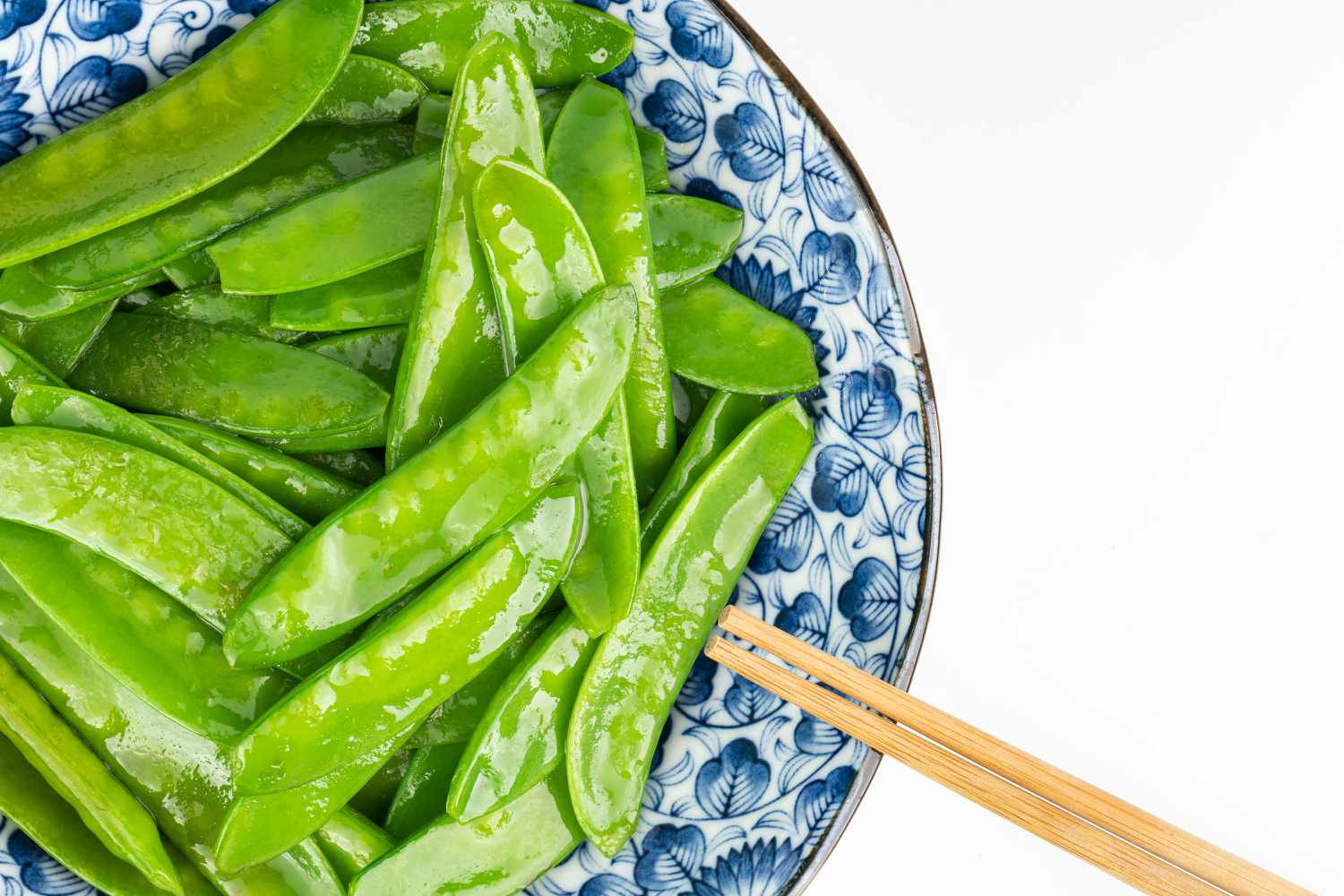
Chinese stir fry with snow peas and soy sauce is the kind of recipe that proves dinner does not need a dramatic soundtrack, three grocery carts, or a sink full of mysterious equipment. With a hot pan, fresh snow peas, garlic, ginger, and a glossy soy-based sauce, you can make a crisp, savory, restaurant-style vegetable dish in less time than it takes to debate what to order for takeout.
This recipe is simple, but it is not boring. Snow peas bring sweetness and snap, soy sauce adds salty umami depth, garlic and ginger wake everything up, and a tiny touch of sesame oil gives the dish that “something smells amazing” finish. Serve it as a side dish with steamed rice, pair it with noodles, or turn it into a full meal with chicken, shrimp, tofu, beef, mushrooms, or whatever protein is politely waiting in your fridge.
The key is technique. A great stir fry is fast, focused, and slightly bossy. You prep everything first, heat the wok or skillet properly, cook quickly, and get the food onto the plate while the snow peas are still bright green and crisp-tender. In other words, do not wander away to check your phone. Snow peas have no patience for social media.
Why This Chinese Snow Pea Stir Fry Works
This Chinese snow pea stir fry works because it follows the classic stir-fry formula: high heat, quick cooking, balanced seasoning, and ingredients cut so they cook evenly. Snow peas are naturally tender, so they need only a short time in the pan. Cook them too long and they lose their lively crunch. Cook them just right and they taste fresh, sweet, and lightly smoky from the hot pan.
Soy sauce is the backbone of the flavor. Light soy sauce is especially useful in stir-fries because it seasons quickly and blends well with aromatics. Dark soy sauce can be added in a smaller amount if you want deeper color and a slightly richer finish. The sauce in this recipe keeps things balanced with a small amount of sugar, rice vinegar, and cornstarch. The sugar softens the salty edge, the vinegar adds brightness, and the cornstarch helps create a light glaze instead of a watery puddle.
Garlic and ginger are the classic aromatic duo here. Garlic adds warmth and savoriness, while ginger brings a peppery freshness that keeps the dish from tasting flat. Together, they give the snow peas a Chinese takeout-style aroma without requiring a professional wok burner or a chef yelling “fire!” in the background.
Ingredients for Chinese Stir Fry With Snow Peas and Soy Sauce
Main Ingredients
- 1 pound fresh snow peas, rinsed, trimmed, and strings removed
- 1 tablespoon neutral cooking oil, such as canola, peanut, avocado, or vegetable oil
- 3 cloves garlic, finely minced
- 1 tablespoon fresh ginger, finely minced or grated
- 2 scallions, sliced, white and green parts separated
- 1 teaspoon toasted sesame oil, for finishing
- 1 teaspoon toasted sesame seeds, optional
Soy Sauce Stir-Fry Sauce
- 2 tablespoons light soy sauce or regular soy sauce
- 1 tablespoon water or low-sodium vegetable broth
- 1 teaspoon rice vinegar
- 1 teaspoon Shaoxing wine or dry sherry, optional
- 1/2 teaspoon sugar
- 1/2 teaspoon cornstarch
- 1/8 teaspoon white pepper or black pepper
- 1/4 teaspoon chili flakes or chili crisp, optional
Optional Add-Ins
- 1 cup sliced mushrooms for extra umami
- 1 small carrot, thinly sliced, for color and sweetness
- 1 bell pepper, sliced, for crunch
- 8 ounces firm tofu, cubed and pan-seared
- 8 ounces shrimp, peeled and deveined
- 8 ounces thinly sliced chicken, beef, or pork
How to Prepare Snow Peas for Stir Fry
Before you cook, give the snow peas a quick rinse under cool water and pat them dry. Drying matters because wet vegetables steam instead of stir-fry. A little steam is fine; a soggy snow pea situation is not the goal.
Next, trim the stem ends and remove the tough strings along the seams. Some snow peas have very soft strings, while others seem determined to floss your teeth without permission. To remove them, pinch or cut the stem end, pull downward along the edge, and discard the string. Repeat on the other side if needed.
Keep the pods whole if they are small and tender. If they are large, cut them diagonally in half. Diagonal cuts look pretty, help the sauce cling, and make you feel slightly more chef-like, which is always a bonus on a weeknight.
Step-by-Step Recipe
Step 1: Mix the Sauce First
In a small bowl, whisk together the soy sauce, water or broth, rice vinegar, Shaoxing wine if using, sugar, cornstarch, pepper, and chili flakes. Stir until the cornstarch is fully dissolved. Set the sauce near the stove.
This is not the moment to be casual. Stir-fries move quickly, and once the pan is hot, you will not have time to search for the soy sauce behind the oatmeal, the peanut butter, and that one jar of mustard you bought for a barbecue in 2022.
Step 2: Heat the Wok or Skillet
Place a wok or large skillet over medium-high to high heat. Let it heat until a drop of water flicked into the pan sizzles and evaporates quickly. Add the neutral oil and swirl to coat the cooking surface.
A wok is ideal because its shape creates different heat zones and makes tossing easier. However, a wide skillet works beautifully, especially if you avoid overcrowding. The main rule is simple: give the snow peas enough room to make contact with the hot surface.
Step 3: Cook the Aromatics
Add the garlic, ginger, and white parts of the scallions. Stir-fry for about 15 to 20 seconds, just until fragrant. Do not let the garlic brown too much. Burnt garlic can make the whole dish taste bitter, and nobody invited bitterness to dinner.
Step 4: Add the Snow Peas
Add the snow peas to the hot pan. Stir-fry for 1 to 2 minutes, tossing constantly. The pods should become brighter green and slightly blistered in spots while staying crisp. If you are adding quick-cooking vegetables like bell pepper or mushrooms, add them at the same time or slightly before the snow peas, depending on how tender you want them.
Step 5: Add the Sauce
Give the sauce one more stir, then pour it around the edges of the pan instead of directly into the center. This helps it hit the hot surface and thicken quickly. Toss the snow peas for 30 to 45 seconds until they are evenly coated in a light, glossy sauce.
Step 6: Finish and Serve
Turn off the heat. Stir in the sesame oil and green parts of the scallions. Sprinkle with sesame seeds if desired. Serve immediately while the snow peas are hot, crisp, and looking like they have their life together.
Recipe Card: Chinese Stir Fry With Snow Peas and Soy Sauce
Prep Time, Cook Time, and Servings
- Prep time: 10 minutes
- Cook time: 5 minutes
- Total time: 15 minutes
- Servings: 4 side-dish servings
- Cuisine: Chinese-inspired
- Method: Stir fry
Instructions Summary
- Trim and string the snow peas, then pat them dry.
- Whisk together soy sauce, water, rice vinegar, sugar, cornstarch, pepper, and optional Shaoxing wine.
- Heat a wok or large skillet over medium-high to high heat.
- Add oil, then stir-fry garlic, ginger, and scallion whites briefly.
- Add snow peas and stir-fry for 1 to 2 minutes.
- Add sauce and toss until lightly thickened.
- Finish with sesame oil, scallion greens, and sesame seeds.
Best Tips for Crisp-Tender Snow Peas
Use High Heat, But Stay Present
High heat is the soul of stir-frying. It cooks vegetables quickly, helps preserve their color, and creates a more concentrated flavor. However, high heat also means things can go from fragrant to “open a window” very quickly. Keep your spatula moving and your ingredients ready.
Do Not Overcrowd the Pan
If your pan is small, cook the snow peas in two batches. Overcrowding traps moisture and turns stir-fry into stir-steam. The flavor will still be fine, but the texture will not have that fresh, snappy bite that makes snow peas special.
Keep the Sauce Light
Snow peas are delicate. They do not need to swim in sauce like noodles or braised meats. A light soy sauce glaze is enough to coat the pods and highlight their natural sweetness. If you want a saucier dish, add another tablespoon of broth, not a flood.
Serve Immediately
Stir-fried snow peas are at their best right after cooking. The longer they sit, the softer they become. If you are making a larger meal, cook the rice, protein, and other dishes first. Save the snow peas for the grand finale.
Flavor Variations
Garlic Snow Peas With Soy Sauce
For a garlic-forward version, increase the garlic to 5 cloves and skip the ginger. This version is bold, simple, and perfect with rice. It also guarantees that vampires will not bother your dinner table.
Spicy Snow Pea Stir Fry
Add 1 teaspoon chili crisp, sambal oelek, or crushed red pepper to the sauce. For a Sichuan-inspired twist, add a small pinch of ground Sichuan peppercorn after cooking. The result is tingly, savory, and dangerously easy to keep eating straight from the pan.
Snow Peas With Mushrooms
Add sliced shiitake, cremini, or oyster mushrooms before the snow peas. Cook until the mushrooms release moisture and begin to brown, then add the snow peas and sauce. Mushrooms make the dish heartier and deepen the umami flavor.
Chicken and Snow Pea Stir Fry
Slice boneless chicken breast or thigh thinly against the grain. Marinate it with a little soy sauce, cornstarch, and oil for 10 minutes. Stir-fry the chicken first until cooked through, remove it from the pan, then cook the snow peas. Return the chicken when adding the sauce. For food safety, poultry should reach an internal temperature of 165°F.
Vegan Tofu Snow Pea Stir Fry
Press firm tofu, cut it into cubes, and pan-sear until golden. Remove it from the pan, stir-fry the snow peas, then return the tofu with the sauce. Use vegetable broth and check that your soy sauce is suitable for your dietary needs.
What to Serve With Chinese Snow Pea Stir Fry
This dish is flexible enough to sit next to many weeknight favorites. Serve it with steamed jasmine rice, brown rice, garlic noodles, fried rice, or lo mein. For protein, pair it with baked salmon, sesame chicken, grilled tofu, shrimp, or simple scrambled eggs.
If you are building a Chinese-inspired dinner menu, add hot and sour soup, egg drop soup, cucumber salad, dumplings, or a simple cabbage stir fry. Because the snow peas are crisp and lightly seasoned, they provide a refreshing contrast to richer dishes.
Storage and Reheating
Store leftovers in an airtight container in the refrigerator for up to 3 days. The snow peas will soften as they sit, but they still taste good. Reheat quickly in a skillet over medium-high heat for 1 to 2 minutes. You can also microwave them in short bursts, though the texture will be softer.
Avoid freezing this dish if possible. Snow peas contain a lot of moisture, and freezing can make them limp after thawing. If you must freeze leftovers, use them later in fried rice or noodle bowls where crisp texture is less important.
Nutrition Notes
Snow peas are a light, colorful vegetable with fiber, vitamin C, and plant-based nutrients. They are naturally low in fat and calories, making them a smart choice when you want a side dish that tastes fresh but does not feel heavy. Soy sauce does contain sodium, so use low-sodium soy sauce if you are watching salt intake. You can also balance the sauce with extra water, broth, vinegar, or fresh lime juice.
For a more complete meal, add lean protein and serve the stir fry over rice or noodles. For a lower-carb option, pair it with cauliflower rice or serve it alongside grilled fish or tofu.
Common Mistakes to Avoid
Cooking Wet Snow Peas
After rinsing, pat the snow peas dry. Excess water cools the pan and prevents that quick, hot stir-fry effect.
Adding Sauce Too Early
If you add the sauce before the snow peas have had time to sear, they may steam and soften too much. Cook the vegetables first, then sauce at the end.
Using Too Much Cornstarch
Cornstarch helps the sauce cling, but too much can make it gummy. A half teaspoon is plenty for a light glaze.
Forgetting to Taste
Soy sauce brands vary in saltiness. Taste the finished dish before serving. If it is too salty, add a splash of water or a squeeze of lemon or lime. If it needs more depth, add a tiny drizzle of sesame oil or a pinch of sugar.
Experience Notes: What Cooking This Snow Pea Stir Fry Teaches You
Cooking Chinese stir fry with snow peas and soy sauce is one of those small kitchen experiences that quietly makes you a better home cook. At first glance, the recipe looks almost too simple. A vegetable, a sauce, a hot pan, and a few aromatics. But once you make it a few times, you start noticing the details that separate a good stir fry from a great one.
The first lesson is preparation. Stir-frying rewards the cook who gets organized before turning on the heat. When the garlic is minced, the ginger is ready, the snow peas are trimmed, and the sauce is already mixed, the whole process feels smooth. You are not panicking with a bottle of soy sauce in one hand and a smoking skillet in the other. The dish teaches you that “mise en place” is not a fancy restaurant phrase; it is simply the difference between confidence and chaos.
The second lesson is heat control. Many home cooks are nervous about using high heat, but this recipe shows why it matters. Snow peas need fast cooking to keep their snap. When the pan is hot enough, the pods brighten almost immediately, the garlic releases its fragrance, and the sauce thickens in seconds. You can see the transformation happen right in front of you. It is quick, satisfying, and much more fun than waiting for a casserole to reveal its personality after 45 minutes.
The third lesson is restraint. It is tempting to add more sauce, more oil, more seasoning, more everything. But snow peas shine when they are not smothered. The best version of this dish tastes clean and balanced: salty from soy sauce, sweet from the peas, warm from ginger, savory from garlic, and nutty from sesame oil. Nothing has to shout. The ingredients behave like a well-rehearsed band instead of a garage practice session with five drummers.
This recipe is also a great reminder that vegetables can be exciting without being complicated. A plate of bright green snow peas can make a meal feel fresher and more complete. Serve them beside rice and chicken, tuck them into a noodle bowl, or eat them straight from the pan while pretending you are “checking the seasoning.” No judgment. Quality control is important.
Another enjoyable part of making this dish is how adaptable it becomes once you understand the base method. Add mushrooms and it becomes earthy. Add tofu and it becomes a vegan main dish. Add shrimp and it feels restaurant-worthy. Add chili crisp and suddenly the whole thing has attitude. The snow peas remain the crisp, cheerful center of the recipe, but the supporting cast can change depending on your mood, budget, or refrigerator situation.
Over time, this stir fry becomes less of a strict recipe and more of a kitchen rhythm. Heat the pan. Add the oil. Stir the aromatics. Toss the vegetables. Sauce quickly. Finish with sesame oil. Serve hot. It is practical, fast, and deeply satisfying. Best of all, it proves that a home-cooked Chinese-inspired dish can be simple enough for Tuesday night and flavorful enough to make you feel like you have pulled off a small culinary magic trick.
Conclusion
Chinese stir fry with snow peas and soy sauce is fast, fresh, and full of flavor. It is the perfect recipe when you want a vegetable dish that feels lively instead of obligatory. With crisp snow peas, fragrant garlic and ginger, and a glossy soy sauce glaze, this stir fry brings color and crunch to the table in about 15 minutes.
The secret is not complicated: prep first, use a hot pan, cook quickly, and keep the sauce balanced. Once you master the basic method, you can customize it with mushrooms, tofu, shrimp, chicken, chili crisp, or extra vegetables. Whether you serve it as a side dish or turn it into a main meal, this recipe is a dependable weeknight winner. It is simple, flexible, and delicious enough to make snow peas feel like the main eventwhich, frankly, they have been waiting for.
Note: This article is written for home cooks and web publication. The recipe is based on established stir-fry techniques, common Chinese-inspired flavor principles, and standard food-safety guidance.