Scaring your friends is an art form. Done right, it creates laughter, stories, and the kind of group memory that gets retold every October with increasingly suspicious exaggeration. Done wrong, it creates broken lamps, angry roommates, and one person Googling “can I legally unfriend someone in real life?”
The best scares are playful, harmless, and built around one simple rule: everyone should be laughing when it is over. A good scare prank gives your friend a quick jolt, then immediately rewards them with relief, humor, and maybe a snack. It should never humiliate them, damage property, exploit trauma, or put anyone in physical danger. In other words, we are aiming for “haunted house giggle,” not “emergency contact situation.”
Why do people enjoy being scared at all? Because fear feels different when the brain knows the danger is fake. Controlled fear can trigger adrenaline, excitement, and social bonding. That is why horror movies, haunted attractions, ghost stories, and spooky games remain popular: they let people flirt with fear while staying safe. Your job, as the friendly neighborhood scare architect, is to keep the fear tiny, temporary, and funny.
Below are seven creative, safe, and surprisingly effective ways to scare your friends without becoming the villain in their group chat. Each idea includes setup tips, safety notes, and examples so you can build a prank that feels clever rather than cruel.
1. Create a Classic Jump Scare With Perfect Timing
The jump scare is the grilled cheese of frightening your friends: simple, familiar, and still excellent when made correctly. The trick is not volume alone. It is timing. A loud “BOO!” shouted at random is just noise wearing a Halloween costume. A well-timed jump scare happens after a quiet pause, when your friend’s attention is somewhere else.
How to Pull It Off
Choose a safe hiding spot near a doorway, hallway corner, couch, or closet. Make sure there are no stairs, sharp furniture edges, glass tables, pets, or expensive electronics nearby. The goal is a quick startle, not a dramatic recreation of a home insurance claim.
Let your friend walk naturally into the space. Wait until they are close enough to notice you but not so close that they might collide with you. Then step out, make a quick sound, and immediately smile or laugh so their brain understands the scare is over.
Example
If your friend is entering the kitchen at night, hide just outside the doorway and softly say their name from the dark. When they look around confused, step into view wearing a ridiculous mask or holding a flashlight under your chin. The sillier the reveal, the better. A rubber chicken in your hand adds dignity. Not much dignity, but some.
Safety Rule
Never jump out at someone who is carrying hot food, glassware, tools, or a heavy object. Do not scare anyone while they are driving, walking near traffic, climbing stairs, showering, cooking, exercising, or handling anything dangerous. A scare should be startling for one second and funny for the next ten.
2. Use Creepy Sound Effects in an Unexpected Place
Sound is one of the easiest ways to scare your friends because it lets their imagination do the heavy lifting. A creaking door, distant whisper, faint knock, or slow scratch behind a wall can feel spookier than any costume. The human brain is very good at filling silence with nonsense. Give it a tiny spooky sound, and suddenly your laundry room becomes a portal to a ghost documentary.
How to Pull It Off
Use a Bluetooth speaker or phone hidden under a couch, inside a cabinet, behind a curtain, or near a closed door. Play a low-volume sound effect: footsteps, soft tapping, wind, music box notes, or a faint whisper. Keep the sound subtle. If it is too loud, it becomes obvious. If it is barely noticeable, your friend will lean in and ask, “Did you hear that?” Congratulations, you are now directing a tiny horror film.
Best Sound Ideas
Try three gentle knocks from inside a closet, a quiet music box in a dark room, soft scratching near a window, or a whisper that says something harmless like “hello.” Avoid threatening phrases, realistic emergency sounds, sirens, screams, gunshots, or anything that could make people think real danger is happening.
Example
During a movie night, hide a speaker behind the couch and play a quiet tapping sound every few minutes. When your friend pauses the movie to investigate, stop the sound. When they sit down again, play it once more. This is how you create suspense without needing special effects, expensive props, or a fog machine powerful enough to annoy the neighbors.
3. Set Up a Fake Spider or Bug Surprise
Fake bugs are classic for a reason. They are cheap, easy, and effective enough to make a full-grown adult briefly abandon grammar. A realistic rubber spider in the right place can produce a spectacular reaction, especially from someone who already believes every dark corner contains a spider with a personal agenda.
How to Pull It Off
Place a fake spider, cockroach, or beetle somewhere your friend will discover naturally. Good spots include a bathroom sink, desk drawer, pillow, lampshade, backpack pocket, cereal box flap, or shower curtain. Keep the placement obvious enough that they see it before touching it. Touch-based scares can feel gross or invasive, while visual scares are easier to laugh off.
Make It Funnier
Add a tiny note beside the bug that says, “He pays rent now,” or “Please do not disturb. In a meeting.” The joke softens the scare and turns it into a shared laugh. You can also use oversized fake spiders because giant props are clearly fake and more cartoonish than disturbing.
Safety Rule
Do not put fake bugs in food someone is about to eat, in shoes where they might cause a fall, or inside bedding where the person might panic in the dark. Also avoid this prank with anyone who has a serious phobia. “But it was fake!” is not a magic spell that makes someone feel better.
4. Turn an Ordinary Room Into a Mini Haunted Scene
A full haunted house requires planning, space, and at least one friend who owns too many extension cords. A mini haunted scene is easier. You only need one room, a few props, low lighting, and a commitment to dramatic nonsense.
How to Pull It Off
Pick a room your friend will enter: bathroom, guest room, hallway, kitchen, or office. Dim the lights. Add paper bats, a sheet ghost, fake cobwebs, a flickering battery candle, or a spooky silhouette taped inside a lampshade. Then wait for your friend to open the door and discover the room has developed a personality disorder.
Simple Scene Ideas
Create a “ghost meeting” by placing three white sheet ghosts around a table. Put a notebook in the middle that says, “Agenda: haunt Greg.” Or tape paper eyes inside a dark closet so they glow when hit with a flashlight. Another easy trick is placing a cardboard silhouette behind a shower curtain. Just make sure the person is not stepping into the tub or holding anything fragile when they see it.
Why It Works
People are unsettled when familiar spaces suddenly look unfamiliar. A living room is normal. A living room with one chair turned toward the wall, a tiny plastic skeleton holding the remote, and a sign that says “We were waiting” is not normal. It is deeply silly, but for one glorious second, it is also creepy.
5. Send a Spooky Text or Voice Message at the Right Moment
Digital scares are excellent when your friends are not physically nearby. They are also safer because nobody can trip over a coffee table while reading a message. The key is to make the message mysterious, not genuinely threatening.
How to Pull It Off
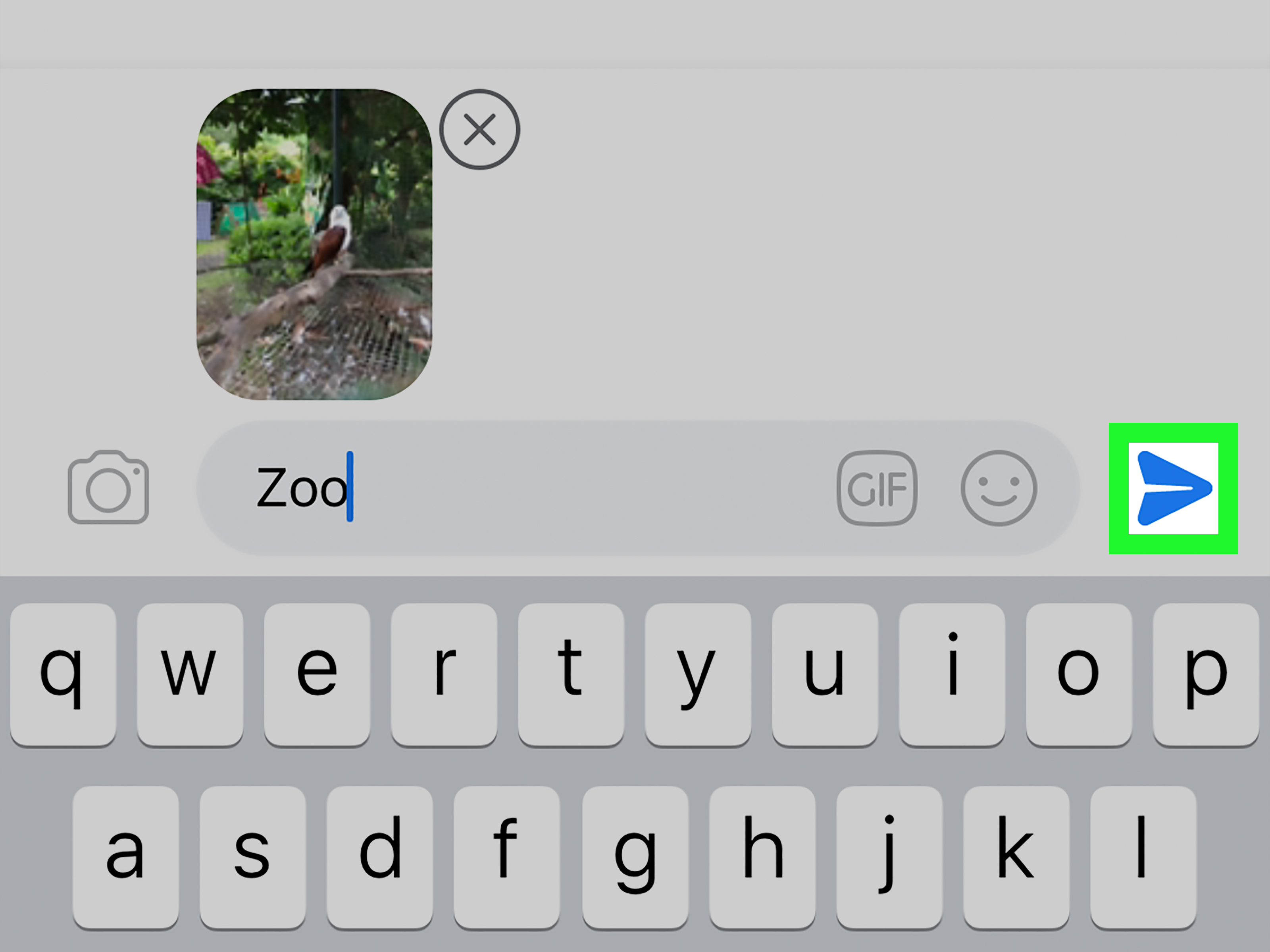
Send a short, strange message when your friend is already in a spooky mood, such as during a horror movie night, late-night gaming session, camping trip, or Halloween party. Keep it playful. Try “Do not look behind the couch,” “The pumpkin knows,” or “Why is your closet open?” These are creepy enough to get attention but obviously ridiculous enough to remain friendly.
Voice Message Variation
Record a whispery voice note saying something harmless like, “I am under the snacks.” Add a silly reveal immediately afterward, such as a second message that says, “Sorry, that was me. Also, please save me chips.” The quick reveal prevents the prank from feeling mean.
What to Avoid
Never impersonate emergency services, a stalker, a family member in danger, a real threat, or someone’s workplace or school. Do not use fake medical alerts, fake crime warnings, or messages that could cause real panic. A spooky text should feel like a campfire story, not a crisis notification.
6. Build Suspense With a Fake “Something Moved” Moment
One of the best ways to scare your friends is not to jump out at all. Instead, make them think something moved when nobody touched it. This kind of scare is quieter, more theatrical, and perfect for friends who enjoy suspense.
How to Pull It Off
Use fishing line, clear thread, or a remote-controlled device to move a lightweight object slightly. A rocking chair can shift, a paper ghost can float, a cabinet door can open a crack, or a stuffed animal can slowly turn. Keep the movement small. Big movement looks fake. Tiny movement makes everyone stare like amateur paranormal investigators with snacks.
Example
Place a small stuffed toy on a shelf and attach clear thread to it. While your friends are talking, gently tug the thread so the toy tips over. Say nothing. Let someone else notice. The silence is half the scare. When they ask, “Did that just move?” you can widen your eyes and whisper, “You saw it too?” That is performance. That is cinema. That is also why nobody lets you host game night unsupervised.
Safety Rule
Do not use fishing line across walkways, stairs, doorways, or anywhere someone could trip. Do not move heavy objects, hanging decorations, glass items, or anything that could fall and hurt someone. The object should be light, soft, and harmless.
7. Host a Scary Story Game With a Surprise Ending
Not every scare needs props. Sometimes the oldest method is still the best: gather your friends, lower the lights, and tell a creepy story. A scary story gives you total control over the mood. You can make it funny, weird, suspenseful, or dramatic. Best of all, nobody has to clean fake cobwebs out of the ceiling fan afterward.
How to Pull It Off
Invite your friends to sit in a circle. Use a flashlight, candle-style LED light, or dim lamp. Start with a slow story about a mysterious sound, an abandoned house, or an object that keeps appearing where it does not belong. Build tension with pauses. Lower your voice. Let the room get quiet.
Then end with a harmless surprise. Maybe another friend knocks softly on the door at the exact moment your story mentions a knock. Maybe your phone alarm plays a spooky tone. Maybe someone outside the room slides a note under the door that says, “Nice story. Wrong ending.”
Make It Interactive
Ask each friend to add one sentence to the story. This keeps everyone involved and usually turns the plot into absolute chaos. One person introduces a haunted mirror. Another adds a raccoon wearing a crown. By the end, nobody knows whether to scream or nominate the raccoon for mayor.
Why It Works
Stories scare us because they make our imagination participate. A jump scare lasts one second. A good story builds tension slowly, then pays it off with surprise. It is also easy to adjust the intensity depending on your group. Some friends want goosebumps. Others want spooky vibes with a side of nachos. Respect the nacho people.
How to Scare Friends Without Crossing the Line
The difference between a great scare and a bad prank is consent, context, and kindness. You do not need a formal contract signed in fake blood, but you should know your audience. Some people love being startled. Some hate it. Some enjoy spooky decorations but cannot handle jump scares. Some are fine with fake spiders but will never forgive you for hiding in a closet. Friendship is about learning these details and using them responsibly.
Follow the “Laugh After” Rule
After the scare, your friend should laugh, roll their eyes, or say, “You got me.” If they look upset, embarrassed, angry, or genuinely frightened, stop immediately and apologize. Do not explain why they “should” find it funny. A prank is only funny when the person being pranked can enjoy it too.
Keep Scares Short
Long fear is stressful. Short fear is entertainment. Reveal the prank quickly so your friend’s brain can move from alarm to relief. That relief is where the laughter lives.
Avoid Sensitive Targets
Do not scare people using their real fears, trauma, grief, health issues, personal insecurities, or private information. Do not prank someone at work in a way that could embarrass them professionally. Do not record and post their reaction without permission. Public humiliation is not a prank; it is bad manners with editing software.
Think About the Environment
Safe locations matter. Soft floors, open rooms, and controlled settings are better than stairs, kitchens, bathrooms, garages, streets, or crowded parties. If your setup includes costumes, makeup, candles, decorations, or props, choose non-toxic materials, avoid blocked vision, skip sharp accessories, and use battery-powered lights instead of open flames whenever possible.
Extra Experience Section: What Scaring Friends Teaches You
After years of watching people plan pranks, tell ghost stories, decorate rooms, and create tiny moments of chaos among friends, one lesson stands out: the scare is rarely the best part. The best part is the story afterward. A friend jumps, yells something completely unreasonable, everyone laughs, and suddenly the moment becomes part of the group’s mythology.
For example, a simple fake spider prank can become legendary if the reaction is funny. Maybe your friend sees the spider, freezes for three seconds, points at it like it owes them money, and calmly leaves the room without saying a word. That is not just a scare. That is character development. Later, everyone retells it with dramatic flair: “He did not run. He resigned from the room.”
The most successful scares usually share three qualities. First, they are personal but not painful. You might know your friend always checks behind the shower curtain, so you place a cardboard ghost there. That is playful. But using a fear connected to a bad memory or real anxiety is not playful. Second, the scare has a quick release. The moment your friend realizes it is a joke, the tension disappears. Third, the prank giver becomes part of the joke too. If you are willing to look ridiculous in a sheet, whisper to a plastic skeleton, or crawl behind a couch like a budget goblin, your friend is more likely to laugh with you.
Another useful experience: less is often scarier. Beginners add too much. They use loud sounds, flashing lights, fake blood, masks, fog, and five people yelling at once. The result is not scary; it is a haunted garage sale having a panic attack. A single moving object, one strange text, or a soft knock at the right time can be much more effective. Suspense needs space. Let your friend wonder for a moment. Let the silence work. Silence is free, renewable, and dramatically underrated.
It also helps to design scares around the group’s personality. For horror fans, you can build a more atmospheric setup with a creepy story, dim lights, and a fake paranormal clue. For easily startled friends, keep it cartoonish: oversized spiders, silly costumes, goofy notes, and quick reveals. For friends who hate jump scares but enjoy puzzles, create a spooky scavenger hunt with weird clues and harmless surprises. Fear is not one-size-fits-all. Neither are friendships, which is why some people deserve a haunted mystery and others deserve a cupcake with candy eyeballs.
One of the funniest parts of scare pranks is how often the plan goes wrong in a better way. You hide behind a door for ten minutes, but your friend enters through another door. You set up creepy sound effects, but the speaker disconnects and announces “Bluetooth pairing mode” like a robot ghost with administrative duties. You tape a silhouette to the window, and everyone thinks it looks like a tired giraffe. These failures are not disasters. They are bonus comedy.
The best attitude is to treat the prank as a shared performance. You are not trying to dominate your friends or prove you are fearless. You are giving them a tiny adventure, a little burst of adrenaline, and a reason to laugh. When done with care, scaring your friends can bring people closer because it creates a safe emotional roller coaster. Everyone gets the thrill, everyone survives, and someone probably drops popcorn.
So before you plan your next scare, ask yourself three questions: Is it safe? Is it kind? Will they laugh after? If the answer is yes, proceed with spooky confidence. If the answer is no, choose a softer idea. There are endless ways to create fun fear without being reckless. A whisper from a hidden speaker, a fake spider with a tiny hat, a ghost story with a ridiculous ending, or a surprise room full of paper bats can be enough.
In the end, the goal is not to terrify your friends. The goal is to give them a memory that starts with “Remember when you scared me with that stupid thing?” and ends with everyone laughing all over again. That is the sweet spot: scary enough to work, silly enough to forgive, and safe enough to repeat next year.
Conclusion
Scaring your friends can be hilarious when it is done with timing, creativity, and basic human decency. The best scare ideas are harmless, quick, and tailored to the person you are pranking. A jump scare near a safe doorway, a creepy sound effect, a fake spider, a mini haunted room, a spooky text, a moving object trick, or a scary story game can all create memorable fun without crossing the line.
Remember: a good prank ends in laughter, not regret. Keep props soft, spaces safe, messages playful, and reveals quick. Avoid real threats, dangerous locations, personal trauma, and anything that could cause injury or humiliation. When your friends trust you, they can enjoy the scare because they know you are not trying to hurt them. You are just temporarily turning their normal Tuesday into a haunted sitcom.
Note: This article was written for safe entertainment and was informed by general U.S. safety and health guidance on controlled fear, Halloween safety, costumes, props, and anxiety-aware scare boundaries from sources such as Cleveland Clinic, Verywell Mind, the American Brain Foundation, the American Red Cross, the FDA, the American Academy of Pediatrics, and the National Safety Council.