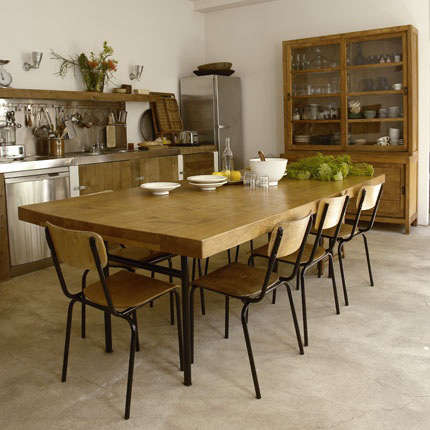
Some chairs enter a room politely. Others announce themselves like a dinner guest who brought homemade bread, knows the difference between linen and cotton, and somehow makes everyone else sit up straighter. The slatted oak dining chair from Terrain belongs to that second group. It is not flashy. It does not need upholstery gymnastics, shiny chrome drama, or a backstory involving a yacht in the Mediterranean. Its charm is quieter: oak, iron, clean lines, a slatted profile, and the kind of “where did you find that?” energy that makes design sleuthing feel like a very stylish detective show.
The original Terrain slatted oak dining chair became a small design obsession because it combined several things people love but rarely find in one neat package: a vintage-inspired look, a stackable frame, a contoured wooden seat, and indoor-outdoor versatility. In plain English, it was the chair equivalent of a great white shirt: simple, hardworking, and annoyingly good with everything.
For homeowners, decorators, café owners, and anyone currently staring at a dining room table while muttering, “These chairs are ruining my life,” this piece offers a useful lesson. A good dining chair does more than fill space. It sets the tone for the room, affects how long people linger after dinner, and quietly decides whether your table looks curated or accidentally assembled during a moving-day panic.
Why the Slatted Oak Dining Chair from Terrain Caught Designers’ Attention
The magic of the Terrain chair lies in its balance. Its oak seat brings warmth and grain. Its iron frame gives the silhouette structure and a slightly utilitarian edge. The slatted back keeps the design airy, so the chair does not visually crowd a room. Add the fact that it could stack, and suddenly this humble dining chair starts behaving like a design overachiever.
Slatted dining chairs have been around for generations, but Terrain’s version felt especially appealing because it walked the line between rustic and modern. It could sit in a French-inspired kitchen, a farmhouse breakfast nook, a garden room, a covered patio, or even a minimalist apartment where the resident owns exactly one handmade ceramic bowl and somehow makes that seem normal.
A Vintage Look Without Vintage Problems
Vintage furniture is wonderful until you discover one chair wobbles, another has a mysterious stain, and the third makes a dramatic creaking sound every time someone reaches for the salad. The Terrain slatted oak dining chair offered the spirit of vintage furniture without asking owners to become part-time restoration specialists.
Its design nodded to old café chairs, schoolhouse seating, bistro furniture, and utilitarian garden pieces. But the structure felt practical for modern living. The contoured oak seat suggested comfort, while the iron frame created durability and a slightly industrial contrast. That mix is exactly why the chair worked in so many settings: it had history in its posture, but it did not smell like an attic.
The Design Ingredients: Oak, Slats, Iron, and Negative Space
Great furniture often comes down to a few smart decisions executed well. With a slatted oak dining chair, the key ingredients are material, proportion, rhythm, and restraint. That sounds fancy, but it basically means the chair knows when to speak and when to stop talking.
Oak Brings Warmth and Durability
Oak has long been a favorite for furniture because it is hard, attractive, and full of character. Its grain pattern gives even simple pieces a natural visual texture. In a dining chair, oak is especially useful because it can handle daily use while still looking warm and inviting. It does not feel precious in the way some delicate woods do. Oak is the friend who says, “Use the good plates,” then helps carry dishes to the sink.
The oak seat is also what keeps a metal-framed chair from feeling too cold. Without wood, iron can lean industrial. With oak, the chair becomes warmer, more domestic, and easier to pair with different dining tables. It can soften a metal table, complement a wood table, or add organic texture to a white kitchen.
Slats Make the Chair Feel Light
The slatted back is not just decorative. It creates visual breathing room. Solid-backed chairs can feel heavy, especially in smaller dining areas. A slatted chair allows light to pass through, which helps the space feel more open. This is particularly valuable around a large table, where six or eight bulky chairs can start to resemble a tiny wooden fortress.
Slats also create rhythm. Repeated vertical lines add structure without ornamentation. They make the chair interesting from the back, which matters because dining chairs are often seen from every direction. In open-plan homes, the chair back may be the first thing people notice from the living room or kitchen. A slatted back gives them something worth noticing.
Iron Adds a Practical Edge
The iron frame gives the Terrain chair a lean, functional quality. It keeps the profile slim and adds contrast to the natural oak. That contrast is important because too much wood can become visually heavy, especially if your table, floor, cabinets, and sideboard are all competing in the “I am also wood” championship.
Iron also supports the indoor-outdoor personality of the chair. While any wood chair requires care around moisture and sun, the combination of a metal frame and wooden seat suggests flexibility. It is the type of chair that feels comfortable in a kitchen during winter and on a covered terrace in spring, preferably near lemonade and someone pretending they did not buy too many plants.
How to Style a Slatted Oak Dining Chair
The best thing about a slatted oak dining chair is that it does not demand a complete room makeover. It works with many styles because it has enough personality to be noticed but enough simplicity to play well with others.
Pair It with a Rustic Farm Table
A rustic wood table and slatted oak chairs create an easy, collected look. The trick is to avoid matching everything too perfectly. If the table is heavy and chunky, the lighter slatted chair helps balance it. The iron frame can also break up all that wood, giving the room a fresher, less “I live inside a barrel” feeling.
Use It in a Modern Kitchen
In a clean-lined kitchen with white cabinets, stone counters, or concrete floors, a slatted oak dining chair adds warmth. It prevents the space from feeling too sterile. This is especially helpful in kitchens where every surface is wipeable, sleek, and slightly intimidating. A little oak tells the room, “Relax, people eat toast here.”
Try It Around a Round Table
Slatted chairs can look beautiful around a round pedestal table. The vertical lines of the chair backs contrast nicely with the circular table shape. Because the chair has an open back, the arrangement feels light rather than crowded. This is a smart choice for breakfast nooks, small apartments, and dining corners that need style without bulk.
Mix It with Upholstered End Chairs
For a more layered dining room, use slatted oak chairs along the sides of the table and upholstered armchairs at the ends. This creates a relaxed but intentional mix. The oak chairs keep the room casual, while the upholstered chairs add softness and a sense of occasion. Translation: Tuesday dinner still works, but Thanksgiving looks like you planned ahead.
Comfort: The Detail That Separates Pretty Chairs from Regret
Dining chairs must pass a simple test: can someone sit in them through dinner, dessert, and one long story about airport parking? Beauty matters, but comfort decides whether people stay at the table or flee to the sofa.
A contoured wooden seat is an advantage because it supports the body better than a perfectly flat slab. The seat shape can reduce pressure and make the chair more comfortable for longer meals. The slatted back also gives light support while keeping the chair visually open.
When choosing a similar slatted oak dining chair, pay attention to seat height, seat depth, and back angle. Most standard dining tables are around 29 to 30 inches high, and many dining chair seats fall around 18 inches high. That relationship matters. Too low, and guests feel like children at the grown-up table. Too high, and everyone’s knees start negotiating with the tabletop.
What to Look for When Buying a Similar Chair
If you are searching for a Terrain-inspired slatted oak dining chair today, focus on the features that made the original so useful. Do not be distracted by one glamorous product photo involving perfect sunlight and a bowl of figs. Figs are notorious furniture salespeople.
1. Solid Construction
Look for a sturdy frame, tight joints, and quality materials. If the chair uses oak, check whether it is solid oak, oak veneer, or oak-finished wood. Each option has a place, but solid oak generally offers the strongest long-term value. If the frame is metal, inspect the finish and welding details if possible.
2. A Comfortable Seat Shape
A contoured seat is worth prioritizing. Dining chairs are not just decorative props for a table setting. They are used daily, sometimes by people who lean back, shift around, or sit down with the confidence of someone dropping into a movie-theater seat. The chair needs to feel stable and supportive.
3. Stackability
Stackable dining chairs are underrated. They are useful for small homes, flexible dining areas, parties, and seasonal storage. A stackable chair can move from dining room to patio, from everyday seating to extra guest seating, and from “we need two more chairs” to “why do we own twelve folding chairs from 2004?”
4. Indoor-Outdoor Flexibility
If you plan to use the chair outdoors, be realistic. Oak can be durable, but wood needs care, especially around rain, humidity, and direct sunlight. Covered patios, screened porches, and garden rooms are safer environments than fully exposed outdoor spaces. For constant outdoor use, teak is often a stronger choice because it naturally handles weather better.
5. A Finish That Matches Your Lifestyle
A natural finish feels warm and organic, while a darker finish can look more formal. Matte finishes tend to feel modern and relaxed. Glossy finishes may be easier to wipe but can show scratches more dramatically. If your household includes kids, pets, or enthusiastic spaghetti eaters, choose accordingly.
Why This Chair Still Feels Relevant
Design trends change, but certain pieces remain appealing because they solve real problems. The slatted oak dining chair from Terrain is still worth discussing because it captures several enduring design ideas: natural materials, flexible use, visual lightness, and honest construction.
Today’s interiors continue to favor pieces that feel warm, tactile, and practical. People want homes that look designed but not staged. A slatted oak chair fits that mood perfectly. It looks considered without trying too hard. It can handle family breakfast, laptop work, late-night tea, and the occasional guest who refuses to leave because the conversation got good.
Care Tips for Oak and Wood Dining Chairs
Wood furniture rewards basic care. Dust regularly with a soft cloth, wipe spills quickly, and avoid soaking the surface with water. For light cleaning, use a slightly damp cloth and a mild soap solution, then dry the chair immediately. Avoid harsh chemicals, abrasive pads, and aggressive scrubbing unless your design goal is “distressed by accident.”
Keep oak chairs away from strong direct sunlight when possible, because UV exposure can fade or dry the finish over time. Also avoid placing them directly beside radiators, heating vents, or fireplaces. Wood expands and contracts with changes in humidity, so a stable indoor environment helps preserve joints and finishes.
If the chair is used on a covered patio or in a sunroom, bring it inside during harsh weather. Use furniture covers only when the chair is clean and dry, because trapping moisture under a cover can create problems. Think of wood like good bread: it appreciates air, hates being soggy, and should not be abandoned in a storm.
Design Experience: Living with a Slatted Oak Dining Chair
The first thing you notice when living with a slatted oak dining chair is how easily it moves between roles. One day it is a dining chair. The next day it is extra seating near a window, a plant stand for a dramatic fern, or the chair you pull into the kitchen while someone else cooks and you provide “moral support,” also known as eating ingredients.
In real homes, this flexibility matters. Furniture rarely stays in one perfect magazine-photo position forever. Chairs migrate. Guests arrive. Tables expand. Someone decides the corner needs a reading spot. A slatted oak chair adapts because it is light in appearance and practical in shape. It does not look strange when separated from the dining table, which is more than can be said for many formal dining chairs that seem emotionally attached to their matching set.
The chair also changes the feeling of a room without overwhelming it. In a white kitchen, it adds warmth. In a rustic room, it adds structure. In a modern apartment, it adds texture. Around an old table, it looks collected. Around a new table, it adds character. This is the quiet power of a well-designed chair: it improves the scene without demanding applause.
Another experience worth noting is how slatted backs affect visual space. In small dining rooms, bulky chairs can make the area feel crowded before anyone even sits down. Slatted chairs reduce that heaviness. You can see through them, so the room feels more open. This is especially helpful in apartments, breakfast nooks, and open-plan spaces where the dining area shares air with the living room.
There is also a social quality to this kind of chair. Because it is not overly formal, it makes the table feel approachable. People are more likely to sit down casually, pull up a chair for coffee, or linger after dinner. Upholstered formal chairs can be beautiful, but sometimes they whisper, “Please sit with correct posture and discuss taxes.” A slatted oak dining chair says, “Have another slice.” Much better.
From a styling perspective, the chair gives you room to experiment. Add a linen cushion for comfort and softness. Pair it with a vintage rug for warmth. Use black accents nearby to echo the iron frame. Add ceramic dinnerware, woven placemats, or a simple glass vase with branches. The chair works with humble materials, which means you do not need to buy an entirely new dining room to make it shine.
The only caution is comfort testing. Even beautiful chairs need to be sat in before you commit, especially if your dinners run long. A chair that looks perfect but feels punishing after fifteen minutes is not a design win; it is a wooden apology. If buying online, check dimensions carefully and compare them with a chair you already find comfortable. Seat height, seat depth, and back support are not glamorous details, but they decide whether your dining setup becomes beloved or quietly resented.
Overall, the Terrain slatted oak dining chair remains inspiring because it proves that practical furniture can still feel special. It is useful, warm, adaptable, and handsome in an understated way. It does not chase attention. It earns it. And in a world full of overdesigned furniture trying very hard to become the main character, that restraint feels refreshing.
Conclusion
The slatted oak dining chair from Terrain is more than a nice-looking seat. It is a design lesson in balance: natural oak with iron, vintage charm with modern practicality, indoor warmth with outdoor ease, and style with everyday usefulness. Whether you are furnishing a dining room, updating a breakfast nook, or searching for chairs that can handle real life without looking boring, this design remains a smart reference point.
Its slatted back keeps rooms open, its oak seat brings warmth, and its utilitarian frame gives it a grounded personality. The result is a chair that feels collected, flexible, and timeless. In other words, exactly the kind of piece that makes guests ask where you found itwhile you pretend not to enjoy the question too much.
Note: This web-ready article is written from synthesized design, furniture, and care research and does not include external source markup or citation placeholders.