Some travel accessories announce themselves with flashing lights, Bluetooth pairing, and a charging cable you will lose in a hotel drawer. The English Horn Travel Clothes Brush does the opposite. It sits quietly in a suitcase, looking elegant and slightly old-world, then saves your jacket, blazer, wool coat, or favorite trousers from lint, dust, pet hair, and the mysterious fuzz that appears after one airport seat. No batteries. No app. No drama. Just a handsome little garment-care tool doing honest work.
At first glance, a travel clothes brush may seem like something borrowed from a more formal century, possibly owned by a butler named Alfred who disapproved of wrinkled lapels. But the idea is surprisingly modern: buy better clothes, maintain them well, wash or dry clean them only when necessary, and extend the life of your wardrobe. The English Horn Travel Clothes Brush fits neatly into that philosophy. It is compact enough for travel, refined enough for a dressing table, and practical enough for anyone who has ever looked down at a dark suit and discovered it was wearing half the family dog.
What Is the English Horn Travel Clothes Brush?
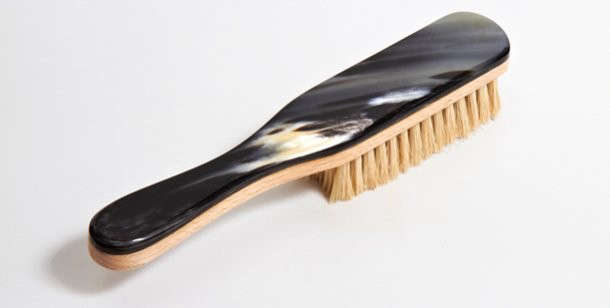
The English Horn Travel Clothes Brush is a compact garment brush designed for use at home and on the road. It is commonly associated with luxury wardrobe care because it combines natural bristles with a polished horn body, creating a tool that feels more like a keepsake than a disposable lint remover. The brush is made for freshening clothes between wearings by lifting dust, surface dirt, lint, loose fibers, and light debris from fabric.
Despite the name, this product has nothing to do with the English horn musical instrument. You will not be serenading your sport coat in the key of laundry day. In this context, “English horn” refers to a brush made with natural horn, often ox horn, shaped and polished into a smooth handle or back. Each piece has its own color variation, streaking, and organic pattern, so no two brushes look exactly alike. That uniqueness is part of the appeal.
Key Product Features
Based on retailer and garment-care descriptions, the English Horn Travel Clothes Brush is typically presented as a handcrafted accessory made in England using natural horn and boar or hog bristles. The travel version is smaller than a full-size wardrobe brush, making it easier to pack in a suitcase, briefcase, weekender bag, or drawer. Its purpose is not to scrub stains like a laundry brush; it is meant to gently refresh clothing and help preserve fabric appearance.
The best versions emphasize natural materials, ethical sourcing, biodegradable horn, traditional craftsmanship, and a bristle firmness that can loosen dust without bullying your blazer. The travel size also makes it more likely that you will actually use it. A full-size clothes brush is wonderful in a closet. A compact brush is wonderful at 7:15 a.m. in a hotel room when your navy jacket has collected lint like it is auditioning for a snow globe.
Why a Clothes Brush Still Matters in a Lint-Roller World
Lint rollers are useful. They are quick, cheap, and satisfying in the way peeling a sticker can be satisfying. But they are also consumable. Every sticky sheet gets used once, then tossed. On textured wool, suiting, cashmere blends, tweed, flannel, and coats, adhesive rollers can remove visible lint but often do little for embedded dust or flattened fibers. A garment brush works differently. Its bristles sweep along the surface of the fabric, helping lift particles and revive the nap of woven materials.
Think of a lint roller as a quick pickup and a clothes brush as maintenance. One grabs what sits on top. The other encourages the fabric to look awake again. For tailored clothing, especially wool and wool-blend garments, brushing can be a simple way to remove surface soil before it settles deeper. It also helps clothing look fresher before it goes back into the closet.
Natural Bristles vs. Synthetic Bristles
Natural bristles are often preferred for fine garment care because they have a softer, more flexible feel than many synthetic bristles. The goal is to coax dirt away from the fibers, not attack the fabric like a tiny yard rake. Boar or hog bristles have enough structure to move debris but enough give to feel controlled. This is especially important on wool suits, coats, and trousers, where aggressive brushing can roughen the surface or distort the nap.
Synthetic brushes can be useful for certain cleaning jobs, but they are not always ideal for clothing. Stiffer plastic bristles may feel harsh on delicate fabrics. A well-made natural-bristle garment brush, by contrast, is designed for repeated use over time. That is why wardrobe-care experts often place clothes brushes in the same category as cedar hangers, shoe trees, sweater combs, and garment bags: simple tools that quietly protect your investment.
How the English Horn Travel Clothes Brush Helps Clothes Last Longer
Clothing wears out from many small insults: friction, heat, overwashing, over-drying, too much detergent, careless storage, body oils, dust, and the occasional coffee ambush. A clothes brush cannot solve every wardrobe problem, but it can reduce the need for unnecessary cleaning. If a jacket is not stained or smelly, it may not need a trip to the dry cleaner after one wear. It may simply need to air out, be brushed, and be stored properly.
This matters because cleaning is not neutral. Washing can stress fibers, fade color, and change texture. Dry cleaning is necessary for some garments, but it can be expensive, and repeated professional cleaning may shorten the life of delicate fabrics, linings, buttons, or trims. The smart approach is not “never clean your clothes.” Please clean your clothes. Society thanks you. The smarter approach is to clean them appropriately and maintain them between cleanings.
Best Fabrics for Brushing
The English Horn Travel Clothes Brush is especially useful for woven garments and structured clothing, including wool coats, suit jackets, trousers, sport coats, blazers, overcoats, uniforms, scarves, and certain heavier cotton or linen pieces. It can also freshen travel clothing after a long day, especially when garments have picked up dust from trains, cars, offices, restaurant chairs, or the overhead bin of mystery.
Delicate knits, loosely woven fabrics, lace, sequins, beading, and fragile trims require more caution. For these items, brushing may not be appropriate, or it should be done with very light pressure. Always check the care label first. In the United States, most clothing care labels are required to provide at least one safe cleaning method, so the tiny tag you usually ignore is actually doing important legal and practical work.
How to Use an English Horn Travel Clothes Brush
Using a garment brush is easy, but technique matters. The goal is smooth, directional brushing, not frantic scrubbing. Imagine you are grooming a very dignified horse that has a board meeting in twenty minutes.
Step 1: Hang the Garment
Place the garment on a sturdy hanger. A suit jacket or coat should hang naturally with the shoulders supported. Trousers can be hung from the waistband or folded over a bar. Brushing while the fabric is hanging lets gravity help release loose dust and keeps the garment stable.
Step 2: Brush With the Weave
Use short, firm, gentle strokes in the direction of the fabric weave or nap. On most jackets and coats, that means brushing downward. Avoid circular scrubbing, which can roughen fibers and make the surface look fuzzy. For wool garments, lengthwise brushing is usually the safest and most polished-looking method.
Step 3: Focus on High-Contact Areas
Pay extra attention to shoulders, lapels, sleeves, cuffs, collars, pockets, and trouser thighs. These areas collect the most dust and friction. If you carry a shoulder bag, brush the side where the strap sits. If you commute with a coat, brush the lower back and seat area. If you have pets, brush everything and accept that your cat is technically a co-owner of your wardrobe.
Step 4: Air Out Before Storage
After brushing, let the garment breathe before returning it to the closet. This helps release moisture and odors from daily wear. A few hours on a hanger in open air can do wonders, especially for wool. Do not cram freshly worn clothing into a packed closet while it is still warm from your body. That is how odors get trapped and fabric begins plotting revenge.
Step 5: Store Properly
Use shaped hangers for jackets, fold heavy knits, and avoid plastic dry-cleaning bags for long-term storage. Plastic can trap moisture and limit airflow. A brushed garment stored with space around it will usually look better the next time you wear it.
English Horn Travel Clothes Brush vs. Lint Roller
Both tools have a place in a practical wardrobe-care kit. The lint roller is best for quick removal of visible hair, lint, or fuzz on smooth fabrics. It is great right before leaving the house, especially on black clothing. The English Horn Travel Clothes Brush is better for regular care, especially on tailored garments, coats, and woven wool. It removes surface debris while helping the fabric look refreshed rather than merely de-fuzzed.
The travel brush also wins on sustainability. A reusable brush creates far less waste than roll after roll of sticky paper. It costs more upfront, but a quality brush can last for many years when cared for correctly. For people who travel often, wear suits, own wool coats, or prefer buying fewer but better items, the long-term value is easy to understand.
Who Should Buy an English Horn Travel Clothes Brush?
This brush makes the most sense for people who care about clothing longevity, travel with tailored garments, or appreciate traditional accessories made from natural materials. It is not the cheapest way to remove lint. It is not the flashiest gadget. But it is the kind of tool that earns its place through repeated use.
Frequent Travelers
Business travelers, wedding guests, conference speakers, and anyone who packs a blazer will appreciate a compact brush. Hotel irons are unpredictable creatures. Steamers are useful but bulky. A travel clothes brush is small, quiet, and TSA-friendly because it contains no liquid, aerosol, blade, or battery. It can freshen a jacket after a flight or make trousers look less tired after a long day.
Suit and Blazer Wearers
If you wear tailored clothing regularly, a garment brush is almost essential. Suiting fabric attracts dust and lint, especially darker colors. A quick brush after each wear keeps fabric cleaner and helps delay unnecessary dry cleaning. It also gives you a small ritual at the end of the day, which feels far more civilized than throwing a jacket over a chair and calling it “storage.”
People Who Love Heritage Tools
The English Horn Travel Clothes Brush has a visual charm that ordinary plastic accessories rarely match. Polished horn has depth, color variation, and a warm feel in the hand. It looks like something that belongs beside cedar shoe trees, a fountain pen, or a leather dopp kit. If you enjoy objects that are useful and beautiful, this brush checks both boxes.
Care and Maintenance for the Brush
A quality garment brush does not need complicated maintenance, but it should be treated with respect. After use, tap the brush gently to release dust. Remove lint or hair caught in the bristles with your fingers or a comb. Store it dry. Avoid soaking the horn or bristles in water, because natural materials can warp, dull, or degrade with excess moisture.
If the bristles need cleaning, use a barely damp cloth and allow the brush to dry fully with the bristles facing downward or sideways so moisture does not settle into the base. Keep it away from extreme heat, direct sun, and humid storage areas. Horn is natural and beautiful, but it is not a fan of being treated like a dishwasher-safe spatula.
How to Pack It for Travel
Because the brush has natural bristles, it is smart to protect it inside your luggage. Keep it in its gift box if space allows, or use a cloth pouch. A clean sock also works in a pinch, though perhaps choose one that has retired from foot duty. Pack it near structured items, not under heavy shoes or toiletry bottles. The goal is to keep the bristles from being crushed.
For a polished travel routine, pack the brush with a small sewing kit, stain-removal pen, cedar sachet, folding hanger, and travel steamer if room allows. Together, these items can rescue clothing from wrinkles, dust, loose threads, and other small disasters that tend to occur right before photos are taken.
Common Mistakes to Avoid
Brushing Too Hard
Pressure is not the point. Let the bristles do the work. Hard scrubbing can roughen wool, flatten texture, or push dirt deeper into fabric.
Using It on Wet Stains
A clothes brush is not a stain-removal brush. If you spill wine, oil, sauce, or coffee, blot first and follow proper stain treatment. Brushing wet stains can spread the problem, which is how a small spot becomes modern art.
Ignoring the Care Label
Some garments are too delicate for brushing. Always check fabric content and care instructions before using any garment-care tool.
Replacing Cleaning Completely
Brushing is maintenance, not magic. It helps reduce unnecessary cleaning, but it does not remove body oils, deep odors, or serious stains. Clothes still need washing or professional care when they are genuinely dirty.
Buying Considerations
When shopping for an English Horn Travel Clothes Brush, look for natural bristles, smooth finishing, compact dimensions, and clear information about materials. Ethical sourcing matters, especially with natural horn. Good retailers should explain what kind of horn is used, whether endangered species are avoided, and how the brush is made.
Price is also part of the decision. This is a premium accessory, not a bargain-bin lint tool. The value comes from craftsmanship, longevity, appearance, and daily usefulness. If you only wear T-shirts and machine-wash everything after one wear, you may not need it. If you own wool coats, suits, blazers, or travel clothes you want to keep sharp, it becomes much more practical.
Real-Life Experience: Traveling With an English Horn Travel Clothes Brush
The first thing you notice about traveling with an English Horn Travel Clothes Brush is that it changes how you treat your clothes. Without one, it is easy to pull a jacket out of a suitcase, sigh at the lint, slap it with your hand, and hope dim restaurant lighting does the rest. With the brush, there is a small moment of control. You hang the jacket, brush the shoulders, sweep the lapels, and suddenly the garment looks less like it survived a connecting flight and more like it had a plan all along.
On a weekend trip, the brush is especially useful with dark clothing. Navy, charcoal, black, and deep brown fabrics are elegant until they meet hotel towels, airplane blankets, or the inside of a canvas bag. A few downward strokes can remove the obvious debris before dinner or a meeting. It is not dramatic. There is no grand transformation music. But the difference is visible, especially on wool and textured cotton.
One of the best experiences is using it at the end of the day rather than five minutes before leaving. After wearing a blazer to a conference, hang it near fresh air, brush the collar and sleeves, empty the pockets, and let it rest overnight. By morning, it often looks calmer and cleaner. That habit can reduce the urge to send everything to the dry cleaner after every trip. It also makes packing lighter because you can rewear quality pieces with confidence.
The brush also earns points with coats. Travel coats get abused. They are draped over luggage, folded onto airplane seats, brushed against taxi doors, and exposed to dust in train stations. A compact garment brush can restore the surface quickly, especially around cuffs and hems. It is not going to erase a full mud incident, but it can remove the kind of everyday city dust that makes a good coat look tired.
There is also a psychological benefit. Caring for clothes by hand makes you more aware of what you own. You notice loose buttons earlier. You spot tiny stains before they become permanent. You remember that the jacket you almost replaced still has plenty of life left. In a world of fast fashion and overloaded closets, that small pause feels valuable. The English Horn Travel Clothes Brush turns maintenance into a ritual instead of a chore.
Of course, it is not perfect. It takes more effort than a sticky roller. It does not remove every pet hair from every synthetic fabric. It requires a little technique and a little storage care. But it also feels better, lasts longer, and looks infinitely more dignified on a dresser than a half-used lint roller covered in fuzz. That may not be the official measurement of quality, but it should be.
For travelers who like polished clothing, the brush becomes one of those small items that feels unnecessary until you forget it. Then, standing in a hotel mirror under lighting designed by a suspicious interrogation committee, you see lint on your jacket and think, “Ah. I have made a mistake.” Pack the brush once, use it twice, and it begins to feel like part of the routine: passport, charger, socks, garment brush, dignity.
Conclusion
The English Horn Travel Clothes Brush is a compact luxury tool with a practical purpose: helping clothes look cleaner, fresher, and better cared for between washes or dry-cleaning visits. Its natural bristles, handcrafted horn body, and travel-friendly size make it especially useful for people who wear wool, suits, coats, blazers, and other garments that benefit from gentle maintenance. It is not a miracle worker and it will not replace proper cleaning, but it can reduce unnecessary trips to the cleaner, cut down on disposable lint roller waste, and make clothing care feel a little more intentional.
In short, this is not just a brush. It is a tiny wardrobe valet that fits in your suitcase and never judges your packing choices. Mostly.