A tattoo artist portfolio is not just a folder full of pretty pictures. It is your visuasolutely make that tiny haunted raccoon look cool on your ankle” proof of skill. Whether you are applying for an apprenticeship, building a client base, joining a studio, or leveling up your tattoo website, your portfolio should make people feel confident before they ever send a booking inquiry.
The best tattoo artist portfolios do more than display tattoos. They communicate technical ability, artistic personality, professionalism, consistency, and respect for the client experience. A strong collection tells viewers what you specialize in, what kinds of projects excite you, and why they should trust you with artwork that may outlive several smartphones, hairstyles, and questionable exes.
Why Your Tattoo Artist Portfolio Matters
People rarely book a tattoo based on a sentence that says, “I am passionate about art.” Every artist on Earth has written some version of that sentence, usually beside a photo of a skull, a snake, or a coffee cup. Clients want evidence. Studio owners want evidence. Mentors want evidence. Your tattoo portfolio is where the evidence lives.
A polished portfolio helps clients understand your style, see your linework and shading up close, compare healed and fresh work, and decide whether your artistic approach matches their idea. It also makes your booking process easier because the right clients can recognize themselves in your work before they message you with, “Can you do this exact tattoo I found on Pinterest?”
15 Ways to Create an Impressive Tattoo Artist Portfolio
1. Decide What You Want Your Portfolio to Say About You
Before choosing images, decide what you want viewers to remember. Maybe you want to become known for bold American traditional tattoos, delicate fine-line florals, blackwork, anime-inspired designs, color realism, illustrative animals, or custom lettering. Your portfolio should not feel like a garage sale where every item is technically interesting but nothing belongs together.
You do not need to tattoo only one style forever. However, you should make your strongest direction obvious. A client should be able to scroll through your work and understand your artistic voice within a few seconds.
2. Lead With Your Best Work, Not Your Most Recent Work
Chronological order is useful for a diary. A tattoo portfolio is not a diary. Put your strongest tattoos first, even if they were completed six months ago. The opening images should create immediate confidence with clean composition, solid execution, flattering placement, and memorable design choices.
Think of the first six to twelve images as your opening act. If the opening act is wobbly, viewers may never stay for the headliner. Save experimental pieces, early work, and “I was trying something new after three iced coffees” tattoos for a separate progress archive.
3. Show Finished Tattoos, Not Just Drawings
Original artwork and tattoo flash are important, especially for apprenticeships and custom design work. Still, clients also need to see how your designs translate onto skin. A beautiful drawing proves artistic ability; a well-executed tattoo proves that you can make art work on a living, breathing, moving human being.
Include a healthy balance of finished tattoos, flash sheets, custom sketches, and concept drawings. For every ambitious design, show that you understand practical tattoo considerations such as spacing, readability, skin flow, placement, and long-term visual impact.
4. Include Healed Tattoo Photos
Fresh tattoos can look dramatic because the skin is smooth, bright, and freshly moisturized. Healed tattoos tell a more complete story. They show how your linework, saturation, contrast, and shading settle after the initial appointment is far behind everyone except the client’s moisturizer routine.
Whenever possible, include healed photos next to fresh photos of the same tattoo. Label them clearly. This simple comparison demonstrates transparency and gives prospective clients a better picture of your real results.
5. Improve Your Tattoo Photography
Great tattoo work can look mediocre in poor lighting, and mediocre tattoo work can look suspiciously magical under aggressive filters. Use clean, even lighting that reveals the tattoo accurately. Natural window light or soft studio lighting usually works better than harsh overhead lights that create glare, shiny skin, and mysterious shadow monsters.
Keep backgrounds simple. A neutral wall, clean studio area, or softly blurred setting is usually enough. The tattoo should be the star of the image, not the cluttered supply shelf, somebody’s half-eaten sandwich, or a suspiciously loud pair of socks in the corner.
6. Photograph Both the Full Piece and the Details
One image rarely tells the entire story. A full-body or wider placement shot helps viewers understand scale, composition, and how the tattoo follows the client’s anatomy. A close-up shot lets them inspect line quality, color packing, texture, smooth shading, and tiny design details.
For example, a floral forearm tattoo should have one image showing how the stems flow with the arm and another showing the fine petals, dotwork, or layered black-and-gray shading. This makes your tattoo portfolio feel more complete and professional.
7. Show That You Understand Body Flow
Tattoos are not posters taped to skin. A good design should work with the curves, movement, muscles, and natural shape of the body. Your portfolio should show that you can create artwork that wraps, bends, stretches, and still looks intentional.
Include tattoos placed on arms, legs, shoulders, backs, ribs, hands, and other areas when appropriate. Show that you can adapt a design rather than forcing every concept into a flat rectangle. Skin has opinions, and a strong artist learns to negotiate with it.
8. Create Original Flash That Feels Like Your Brand
Original tattoo flash is one of the best ways to make your portfolio recognizable. Build themed flash sheets around subjects you enjoy: spooky fruit, vintage circus creatures, celestial insects, cowboy frogs, botanical daggers, elegant script, tiny monsters, or classic symbols with your own twist.
The goal is not to reinvent every tattoo tradition. The goal is to show your interpretation of familiar ideas. Never present another artist’s design as your own. Study inspiration, practice techniques, and develop your own compositions instead of borrowing someone else’s finished voice.
9. Organize Your Work Into Clear Categories
A portfolio becomes easier to browse when it is grouped by tattoo style, subject matter, or project type. Consider categories such as blackwork, color tattoos, fine-line tattoos, floral designs, animal tattoos, lettering, flash, healed work, and large-scale pieces.
This helps potential clients find what they are looking for without scrolling through 300 unrelated images. It also helps studios and mentors assess your range. Organization may not feel glamorous, but neither does untangling headphone cords, and both can save a surprising amount of stress.
10. Show Range Without Looking Scattered
Versatility is useful, especially early in your career. You may want to show linework, black-and-gray shading, color saturation, lettering, geometric work, and smaller walk-in tattoos. The trick is to show range while still looking intentional.
Choose pieces that support your main direction. For instance, an illustrative artist can show florals, animals, fantasy imagery, and ornamental details without suddenly adding a random photorealistic portrait of a celebrity. Variety should feel like a well-curated playlist, not a radio station with broken buttons.
11. Add Short Context to Selected Projects
Not every tattoo needs a novel-length caption. Still, a few words of context can make a project more meaningful. Explain whether the tattoo was custom-designed, created from original flash, completed in multiple sessions, inspired by a client’s story, or built around a specific placement challenge.
For example: “Custom blackwork moth designed to fit around an existing scar,” or “Two-session color tattoo based on the client’s childhood garden.” These captions show thoughtfulness without turning your gallery into a memoir.
12. Include Client Consent and Respect Privacy
Your portfolio is not more important than your client’s comfort. Ask permission before photographing tattoos, especially for work on private areas or tattoos connected to sensitive stories. Make it easy for clients to decline without feeling awkward.
Respecting privacy also makes you look more professional. Clients want an artist who can create beautiful work without treating their body like unpaid marketing material. Consent is not a footnote; it is part of the experience you are selling.
13. Let Professionalism Appear in the Background
You do not need to turn your portfolio into a medical textbook or post every supply you own. Still, clean visuals, an organized workspace, thoughtful preparation, and clear aftercare information can quietly reinforce trust. A tattoo client is choosing both an artist and an experience.
Use behind-the-scenes content carefully. A short video of stencil placement, sketching, workstation setup, or drawing preparation can show attention to detail. Keep the focus on professionalism rather than trying to make every appointment look like a reality television episode.
14. Build a Simple Website and Keep Social Media Useful
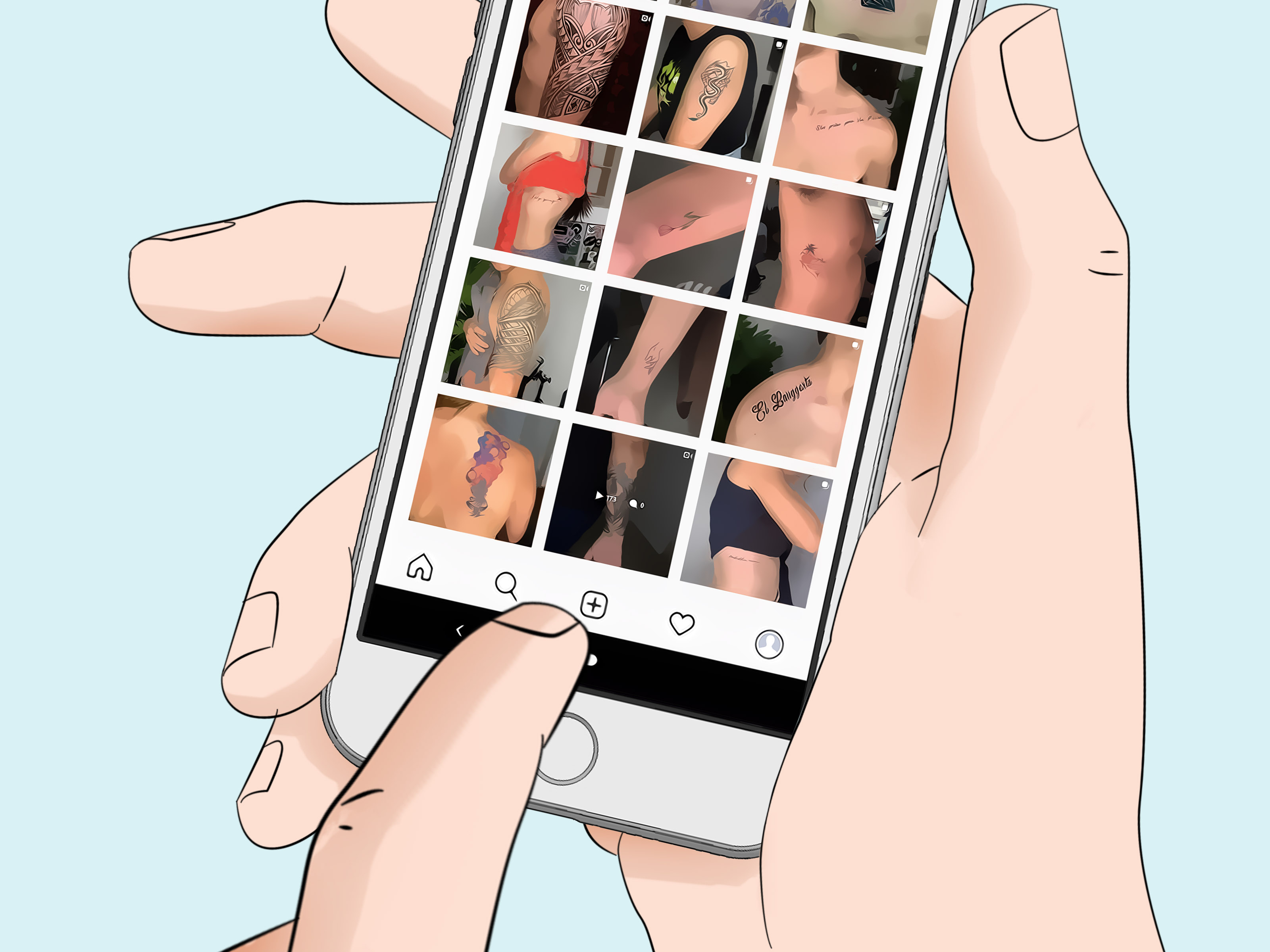
Social media is helpful, but it should not be your only portfolio. Platforms change, algorithms get moody, and one strange update can hide your work behind a dancing video of a cat wearing sunglasses. A simple tattoo artist website gives you more control.
Your website should include a gallery, short bio, location, booking instructions, available flash, frequently asked questions, and contact details. Keep it mobile-friendly because many clients will discover your work while lying in bed, pretending they are “just browsing.”
15. Edit Your Portfolio Regularly
A portfolio should evolve as your skills improve. Review your work every few months and remove images that no longer represent your best level. This can feel painful, especially when you remember how proud you were of a tattoo from two years ago. Growth is rude like that, but it is also a good sign.
Replace weaker images with stronger healed work, better photography, original flash, and projects that match the direction you want to pursue. Your portfolio should reflect where you are going, not only where you have been.
What to Avoid in a Tattoo Artist Portfolio
Avoid blurry photos, heavy filters, cluttered backgrounds, unfinished artwork, copied designs, screenshots with unrelated social media clutter, and too many nearly identical tattoos. One excellent rose tattoo is impressive. Fifteen similar roses photographed from the same angle can make your gallery feel like a botanical emergency.
Also avoid hiding important booking details. If clients cannot find your location, preferred styles, contact method, or availability, they may simply move on. Talent matters, but clear information helps talent turn into actual appointments.
Experience: What Building a Tattoo Portfolio Really Teaches You
Creating a tattoo artist portfolio teaches you that talent and presentation are related but not identical. You can be an excellent artist and still lose potential clients if your work is difficult to find, poorly photographed, or buried under years of old posts. A portfolio forces you to look at your work like a client would. That can be uncomfortable, but it is useful. Suddenly, you notice which tattoos look strongest from a distance, which designs hold up in close-up photos, and which images should probably retire with dignity.
One of the biggest lessons is that consistency builds trust. Clients are not only looking for one impressive tattoo. They are looking for proof that you can produce quality work again and again. A portfolio with clean linework in multiple pieces, thoughtful placement across different body areas, and healed examples creates more confidence than one dramatic tattoo surrounded by ten weaker images. It is the artistic version of showing up on time repeatedly: not flashy, but extremely persuasive.
You also learn that photography can change how people perceive your work. Early portfolio images often include strange lighting, shiny ointment, awkward angles, and backgrounds that accidentally steal the spotlight. Improving your photos does not mean tricking viewers. It means presenting your work accurately. Clean lighting and intentional framing help clients see the tattoo rather than fighting through glare, shadows, or the mysterious appearance of someone’s laundry pile.
Another important experience is learning to edit without becoming overly emotional about every piece. Artists remember the effort behind a tattoo: the difficult stencil, the nervous client, the long session, the tiny detail that took forever. Viewers do not know that story unless you tell them. They only see the final image. That is why portfolio editing requires honesty. Keep the work that represents your current standard, and archive the rest as part of your growth rather than forcing every piece into public view.
Finally, a portfolio teaches you that your brand is built through patterns. Your favorite subjects, your use of contrast, the way you compose flash, the captions you write, and the clients you attract all begin to form a recognizable identity. That identity does not need to be perfect on day one. It simply needs to be real. The strongest tattoo portfolios feel like they belong to a person with a point of view, not a machine that randomly generated skulls, roses, and inspirational quotes at 2 a.m.
Conclusion
An impressive tattoo artist portfolio is built through careful selection, honest presentation, and steady improvement. Show your strongest tattoo work, include healed results, photograph pieces clearly, organize your styles, protect client privacy, and make booking information easy to find. Most importantly, let the portfolio reflect the kind of artist you want to become.
Your portfolio does not need to be enormous to make an impact. It needs to be intentional. A smaller collection of excellent tattoos, original flash, thoughtful captions, and clear visual identity will usually outperform a giant gallery filled with random work. Treat every image as a vote for the career you want, and let your best work do the talking.