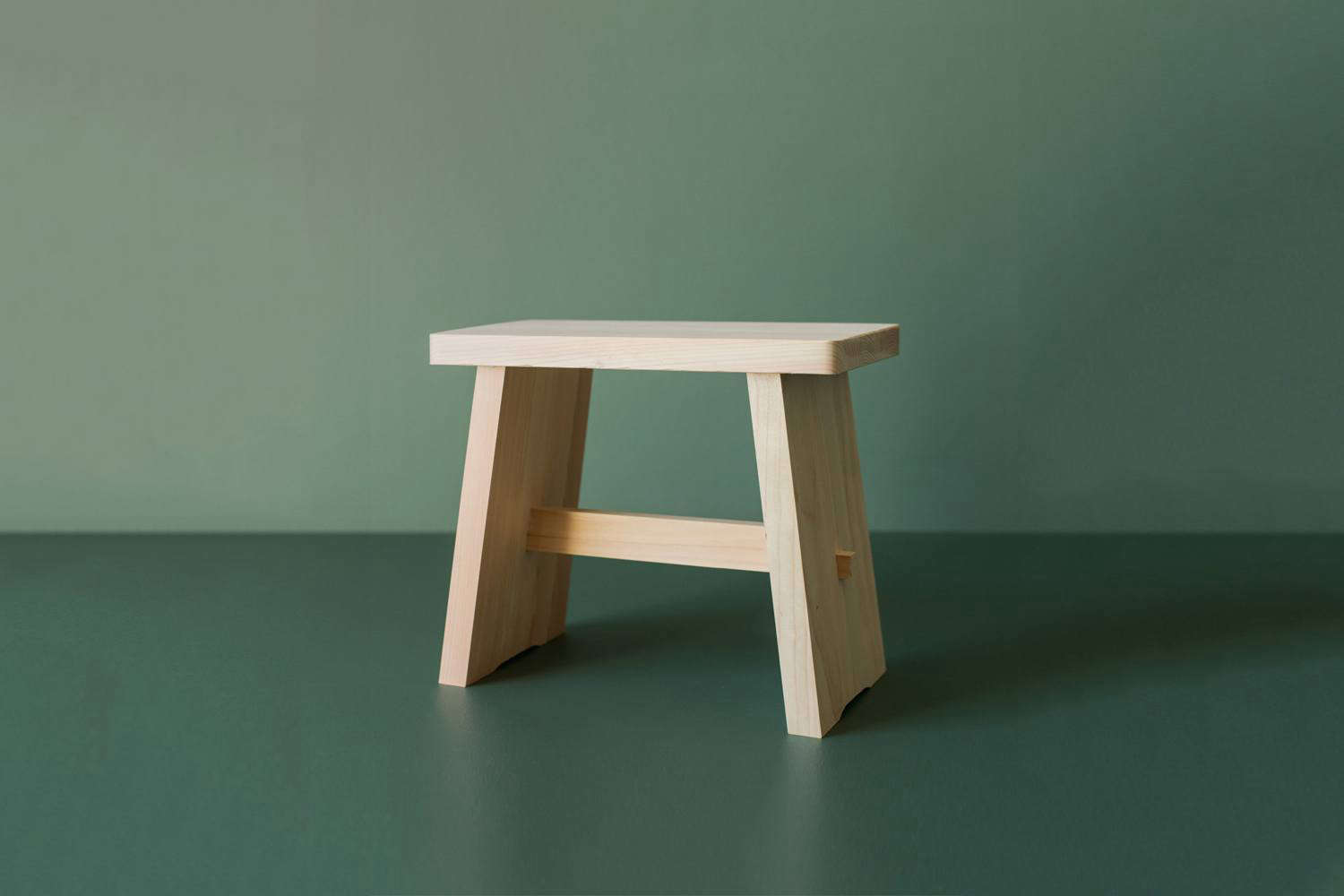
A hinoki bathroom stool may be one of the smallest pieces of furniture in your home, yet it can completely change how your bathroom looks, smells, and functions. Crafted from Japanese cypress, this low wooden seat brings natural warmth to a room usually dominated by cold tile, shiny fixtures, and plastic bottles attempting to form an organized society around the bathtub.
Traditionally associated with Japanese bathing routines, a hinoki bath stool provides a comfortable place to sit while washing before entering a soaking tub. In modern American homes, it can also serve as a shower seat, bath-side perch, towel stand, or minimalist spa accent. Its appeal comes from the combination of simple design, aromatic wood, moisture resistance, and practical everyday usefulness.
However, hinoki is water-resistant rather than waterproof. A quality stool can last for years, but only when it is rinsed, dried, and ventilated properly. This guide explains what makes a hinoki bathroom stool special, how to choose one, how to use it safely, and what living with one is actually like.
What Is a Hinoki Bathroom Stool?
A hinoki bathroom stool is a compact seat made from Chamaecyparis obtusa, commonly called hinoki or Japanese cypress. The wood is known for its pale cream-to-pink coloring, fine grain, smooth texture, and distinctive forest-like fragrance. Depending on the tree, cut, and finish, the aroma may suggest citrus peel, fresh lumber, ginger, or a quiet walk through a damp evergreen forest.
Traditional Japanese bath stools are lower than ordinary chairs. They are designed for seated washing rather than lounging, working at a desk, or giving motivational speeches to shampoo bottles. Common models range from approximately 10 to 16 inches high, although measurements vary by maker.
The Role of the Stool in Japanese Bathing
In a traditional Japanese bathing routine, washing and soaking are separate activities. The bather sits on a low stool, washes thoroughly, rinses away soap, and then enters the tub to relax. Keeping soap outside the soaking tub helps preserve clean bathwater and turns the soak into a restorative ritual rather than a hurried cleaning session.
This arrangement explains the stool’s compact height and open construction. It needs to remain stable on a wet floor, allow water to drain, and fit neatly within a washing area without occupying the entire room like an overconfident armchair.
Why Hinoki Wood Works Well in Bathrooms
Bathrooms are demanding environments for natural wood. Moisture, temperature changes, soap residue, and limited airflow can quickly expose weaknesses in poorly selected materials. Hinoki has long been used for bath accessories, soaking tubs, architectural details, and other applications where exposure to humidity is expected.
Natural Moisture and Decay Resistance
Hinoki contains natural oils and extractives that help the wood resist moisture-related deterioration, fungi, and insects. These properties do not make it invincible, but they give it a practical advantage over many untreated woods in damp settings.
The important phrase is “resist moisture,” not “live happily underwater forever.” Leaving a hinoki stool standing in a puddle for days can still lead to staining, mold, joint damage, warping, or cracking.
A Fine, Smooth Grain
Quality hinoki generally has a straight, refined grain that can be sanded to a silky surface. That smoothness feels pleasant against the skin and reduces the rough, splintery character that would make a shower seat memorable for all the wrong reasons.
Some premium stools use straight-grain boards known as masame. Their uniform lines create a calm appearance and may improve dimensional stability. Less expensive models can still perform well, but buyers should inspect product photographs for rough edges, large splits, uneven joints, or excessive filler.
Natural Fragrance
One of the most noticeable features of a new hinoki bathroom stool is its scent. Warm water often revives the wood’s aroma, giving a normal shower a subtle spa atmosphere without requiring a fog machine or a soundtrack of distant bamboo flutes.
The fragrance gradually softens with time. This is normal and does not mean the stool has stopped being genuine hinoki. Light sanding with fine-grit sandpaper can sometimes expose fresh wood and renew part of the aroma, provided the manufacturer’s care instructions permit sanding.
Lightweight Strength
Hinoki is relatively light for a durable wood, making a small stool easy to lift, rinse, and reposition. That matters because the best maintenance habit is often simply moving the stool so its underside and legs can dry completely.
Benefits of Using a Hinoki Bathroom Stool
More Comfortable Washing
Sitting can make washing the legs, feet, and lower body more comfortable. It may also create a slower, more deliberate routine. Instead of balancing on one foot while attempting an advanced shower-yoga pose, users can remain seated and stable.
A standard hinoki stool should not automatically be considered a medical shower chair. Anyone with limited mobility, balance concerns, or a high fall risk should choose an accessibility product with verified weight capacity, nonslip feet, handles, and appropriate safety certification.
A Warmer Bathroom Aesthetic
Wood introduces visual warmth into bathrooms filled with porcelain, glass, stone, and metal. The pale color of hinoki complements minimalist, organic-modern, Scandinavian, Japanese, and Japandi interiors. It also looks attractive in an ordinary builder-grade bathroom, where it may distract guests from the fact that the towel rack has been slightly crooked since 2017.
Flexible Everyday Use
Outside the direct shower stream, a hinoki stool can hold folded towels, clean clothing, bath products, or a book placed safely away from splashing water. Taller versions may work beside a freestanding tub as a compact bath-side table.
Use should always follow the manufacturer’s instructions. A bath stool is not necessarily designed as a step stool, ladder, plant stand, or permanent storage surface. Standing on a wet wooden seat is an especially creative way to meet the bathroom floor.
A More Intentional Bathing Ritual
The stool encourages a separation between washing and soaking. Even without a Japanese soaking tub, users can sit, wash slowly, rinse, and then enjoy a warm bath. The routine feels less like completing a household task and more like creating a small transition between a busy day and a quiet evening.
How to Choose the Best Hinoki Bathroom Stool
Choose the Correct Height
Low stools preserve the traditional Japanese bathing experience, but they require more knee and hip mobility. A stool around 10 to 12 inches high may suit flexible users who prefer sitting close to the floor. Models around 14 to 16 inches high are generally easier to sit on and stand from.
Measure an existing chair or bench that feels comfortable. Then compare its seat height with the product dimensions. A stool can be beautifully handcrafted and still be impractical if using it feels like performing a controlled squat in a phone booth.
Check the Seat Dimensions
Width and depth matter as much as height. Compact seats fit small showers, while broader models offer more comfortable support. Look at the usable sitting surface rather than the stool’s widest exterior measurement.
Slightly curved, angled, or slatted seats can improve comfort and drainage. Flat slab seats offer a clean architectural appearance but should be positioned so water does not remain pooled on top.
Examine the Construction
Traditional stools often use a simple bridge-like form with two side supports and a strong horizontal seat. Modern versions may feature cross braces, nesting designs, curved panels, or concealed joinery. Regardless of style, the stool should sit level without rocking.
Check whether metal fasteners are exposed. High-quality stainless steel hardware can perform well in wet spaces, but untreated metal may corrode. Well-made wood joinery reduces visual clutter and creates a more refined appearance.
Confirm Weight Capacity and Intended Use
Not every handcrafted stool lists a tested weight limit. Contact the seller when this information is missing, especially if the stool will be used daily as seating. Product photographs alone cannot confirm structural strength, no matter how thoughtfully the stool is posed beside an artisanal towel.
Look for Genuine Hinoki
Some products described as “Japanese-style” are made from cedar, bamboo, pine, teak, or composite material. Those alternatives may be perfectly useful, but they do not have the same grain, scent, or traditional association as Japanese hinoki cypress.
Review the material description, country of origin, care instructions, and manufacturer information. “Hinoki finish” may describe a color or fragrance rather than the actual wood species.
Consider Sustainability and Craftsmanship
Responsible sourcing matters because slow-growing, high-quality lumber is valuable. Look for transparent information about the forest region, workshop, manufacturer, or forestry practices. A stool designed for long service is generally more sustainable than a cheap replacement product that begins separating after one humid summer.
How to Care for a Hinoki Bathroom Stool
Proper care is straightforward, but consistency matters. Most problems begin when soap residue and moisture remain trapped against the wood.
Rinse After Use
Rinse away shampoo, body wash, bath oils, and mineral residue with clean lukewarm water. Soap film can discolor the surface and provide material for mildew growth.
Wipe Away Excess Water
Use a clean towel or cloth to remove visible water. Pay attention to joints, corners, the underside of the seat, and the bottoms of the legs.
Dry It in a Ventilated Position
Stand the stool on its side or place it where air can circulate around every surface. Run the bathroom exhaust fan, open a window when practical, or move the stool outside the wet zone after showering.
Avoid placing it directly against a wall while wet. The hidden side may remain damp long after the visible surface looks dry.
Avoid Prolonged Soaking
Do not leave the stool submerged in a tub or sitting continuously in pooled water. Repeated saturation followed by aggressive drying can cause the wood to expand, shrink, warp, or crack.
Use Gentle Cleaning Methods
A soft sponge or brush and mild, neutral soap are usually sufficient. Avoid chlorine bleach, harsh bathroom sprays, scouring pads, and abrasive powders unless the manufacturer specifically recommends them.
For stubborn surface discoloration, some manufacturers suggest very light sanding with fine-grit sandpaper. Always sand with the grain and test a hidden area first.
Avoid Direct Sun and Intense Heat
Drying is essential, but baking the stool in strong sunlight or beside a heater can dry it too quickly. Rapid moisture loss may contribute to cracking and distortion. Aim for shade, airflow, and patience rather than turning the stool into kiln-dried lumber every afternoon.
Hinoki Bathroom Stool Versus Other Materials
Hinoki Versus Teak
Teak is dense, oily, and widely used for shower benches and outdoor furniture. It often has a darker golden-brown color and can be heavier than hinoki. Hinoki provides a lighter Japanese aesthetic and a more distinctive aromatic experience, while teak may be easier to find in larger bench sizes.
Hinoki Versus Bamboo
Bamboo stools are usually less expensive and are available in many shapes. However, most are constructed from laminated strips joined with adhesives. Their performance depends heavily on manufacturing quality and protective coatings. Solid hinoki offers a different texture, fragrance, and aging process.
Hinoki Versus Plastic
Plastic stools are affordable, lightweight, and easy to disinfect. They are practical for busy households, but they rarely deliver the warmth or sensory character of natural wood. A plastic stool says, “Let us complete the washing process.” Hinoki says, “Perhaps we could turn down the lights and pretend this bathroom overlooks a cedar forest.”
Common Questions About Hinoki Bath Stools
Can a Hinoki Stool Stay Inside the Shower?
It can be used in a shower, but it should not remain continuously wet. After bathing, rinse it, wipe it down, and position it so all sides can dry.
Will Hinoki Develop Mold?
It can. Natural resistance reduces risk but does not eliminate it. Poor ventilation, standing water, soap residue, and neglected undersides can still lead to mildew or dark staining.
Does the Hinoki Scent Last Forever?
The fragrance normally becomes softer over time. Warm water may temporarily revive it, and careful surface sanding may reveal more aromatic wood.
Can It Be Used as a Step Stool?
Usually not. Many bath-stool manufacturers specifically warn against standing on the product. Use a certified step stool for reaching shelves or changing lightbulbs.
Is Hinoki Suitable for Every User?
No. Very low seats may be difficult for people with knee, hip, strength, or balance limitations. In those situations, choose a properly rated shower chair with accessibility features.
Real-World Experience: Living With a Hinoki Bathroom Stool
The first thing most people notice is not the shape or even the craftsmanship. It is the fragrance. When a new hinoki stool is unpacked, the room often fills with a clean, woody aroma. The scent is noticeable without behaving like an air freshener that has decided subtlety is for cowards.
During the first shower, warm water strengthens the smell and deepens the wood’s color. The surface feels smooth and warmer than tile or metal. Sitting down to wash changes the pace of the routine. Tasks that are normally rushedscrubbing feet, rinsing shampoo, washing the lower legsbecome easier and more deliberate.
The experience is especially pleasant in a walk-in shower or wet-room layout. A handheld showerhead pairs naturally with seated washing, allowing the user to control the water without constantly standing beneath the spray. In a small tub-and-shower combination, the stool can still work, but measuring first is essential. A beautiful stool wedged sideways between the faucet and shower curtain is less “Japanese spa” and more “bathroom furniture traffic jam.”
After several days, the maintenance routine becomes the deciding factor. Owners who rinse the stool, wipe it, and stand it upright usually find the process takes less than a minute. Owners who leave it flat in a damp corner may begin noticing soap film or darker areas near the feet and joints. The stool quietly rewards good habits and keeps excellent records of bad ones.
By the second or third week, the fragrance is usually less intense. It remains noticeable when the wood becomes warm and wet, but it no longer announces itself from across the hallway. This softer aroma often feels more natural and less like a new-product novelty.
The stool also begins taking on additional roles. On bath nights, it may hold a folded towel or cup of tea beside the tub. During cleaning, it can be moved easily with one hand. When guests visit, it may become the bathroom object everyone asks about, partly because it looks elegant and partly because most people do not expect a small wooden seat to have such an impressive résumé.
After a month, minor changes in color are normal. Water exposure can deepen the grain, and the surface may develop a gentle patina. Tiny variations are part of owning unfinished natural wood. Serious cracks, spreading black stains, loose joints, or persistent odors are not charming patina and should be addressed promptly.
The greatest benefit is not dramatic. A hinoki bathroom stool does not transform a standard shower into a luxury ryokan overnight. What it does is create one small pause in the day. Sitting down, washing carefully, rinsing the stool, and placing it upright to dry turns an ordinary routine into a repeatable ritual.
For people who appreciate natural materials and do not mind simple maintenance, the stool feels useful rather than ornamental. For anyone who prefers bathroom accessories that can remain wet indefinitely without consequences, plastic or corrosion-resistant metal may be a better match. Hinoki asks for modest care, but in return it offers warmth, fragrance, craftsmanship, and a calmer way to approach bathing.
Final Thoughts
A hinoki bathroom stool combines traditional function with modern spa style. Its pale grain softens hard bathroom surfaces, its natural aroma adds a sensory element, and its compact form supports comfortable seated washing. The best models are stable, smoothly finished, appropriately sized, and made from clearly identified hinoki cypress.
The stool’s longevity depends less on complicated treatments than on everyday habits: rinse away soap, wipe off water, provide airflow, and never confuse moisture resistance with permission to create a permanent indoor pond. With proper care, a hinoki bath stool can become a practical and quietly beautiful part of the bathroom for years.