There are two kinds of people on a busy weeknight: the person calmly reheating a homemade dinner from the freezer, and the person standing in front of the fridge whispering, “Is mustard a meal?” If you would rather be the first person, freezer-friendly meals are about to become your new kitchen superpower.
Freezer meals are not just for ultra-organized people with matching labels and a suspiciously clean pantry. They are for students, parents, shift workers, remote workers, picky eaters, budget watchers, and anyone who has ever opened a delivery app while feeling emotionally defeated by a raw chicken breast. With a little planning, you can cook once, freeze smart, and reheat later without sacrificing flavor, texture, or your last ounce of patience.
The best freezer-friendly meals have three things in common: they hold up well after freezing, they reheat evenly, and they taste like dinnernot like a sad science project in a plastic container. Soups, casseroles, burritos, saucy proteins, baked pasta, stews, and grain bowls are all excellent candidates. Delicate salads, crispy fried foods, and cream-heavy sauces are less reliable unless you know a few tricks.
Before we get to the good stuff, remember the freezer rulebook: cool cooked food quickly, freeze it in airtight containers or freezer bags, label it with the name and date, and reheat leftovers until they reach 165°F. For best quality, most frozen cooked meals taste best within two to six months, even though food kept properly frozen at 0°F remains safe longer. Your freezer is a time machine, not a magician, so packaging matters.
Why Freezer-Friendly Meals Are Worth the Tiny Bit of Planning
Meal prep sometimes sounds like a lifestyle brand with expensive glass containers and inspirational captions. In real life, it can be as simple as doubling a pot of chili, freezing half, and giving your future self a standing ovation. Freezer meals help reduce food waste, save money, lower weeknight stress, and make homemade dinners possible when your schedule is doing cartwheels.
They are also flexible. You can freeze full meals, individual portions, or “meal components” like cooked taco meat, shredded chicken, roasted vegetables, rice, meatballs, and sauces. Freezing components gives you more variety later. For example, one batch of shredded salsa chicken can become tacos, burrito bowls, enchiladas, or nachos. That is not laziness; that is strategic dinner engineering.
Freezer Meal Basics: How to Freeze and Reheat Like You Know What You’re Doing
Cool food before freezing
Hot food should not go straight into the freezer in a giant pot. Divide it into shallow containers so it cools faster. Soups and stews can be cooled in smaller containers or in an ice bath before freezing. This protects texture and helps keep food out of the temperature danger zone.
Choose the right container
Use freezer-safe containers, heavy-duty freezer bags, foil pans, or tightly wrapped casserole dishes. Remove as much air as possible to prevent freezer burn. For soups and sauces, leave a little headspace because liquids expand when frozen. For casseroles, wrap tightly with plastic wrap and foil, or freeze in a lined baking dish and lift the frozen block out once solid.
Label everything
Write the meal name, date frozen, and reheating instructions on the package. You may believe you will remember what that frozen brown rectangle is. You will not. Future you deserves better than “mystery brick night.”
Reheat safely
Thaw meals overnight in the refrigerator when possible. Some meals can be reheated from frozen, but they will take longer. Stir soups and stews during reheating, cover casseroles to prevent drying, and use a food thermometer to check that leftovers reach 165°F before serving.
8 Easy Freezer-Friendly Meals You Can Make Now and Reheat Later
1. Turkey and Bean Chili
Chili might be the unofficial mascot of freezer meals. It is hearty, affordable, easy to portion, and somehow tastes even better after the flavors have had time to mingle like guests at a very saucy dinner party.
Start with ground turkey or beef, onions, garlic, canned tomatoes, beans, chili powder, cumin, smoked paprika, and a little broth. Let everything simmer until thick and cozy. Cool it, portion it into freezer containers, and freeze flat if using bags.
Best way to freeze: Portion into single-serving or family-size containers. Leave room for expansion.
Best way to reheat: Thaw overnight, then warm on the stovetop over medium heat. Add a splash of broth or water if it is too thick. Reheat to 165°F.
Serving idea: Top with shredded cheese, Greek yogurt, avocado, green onions, or crushed tortilla chips. Chili also works over rice, baked potatoes, or cornbread.
2. Chicken and Rice Casserole
Chicken and rice casserole is the comfort-food equivalent of a warm blanket. It freezes well because the rice absorbs sauce, the chicken stays moist when reheated properly, and the whole dish can go from freezer to oven with minimal drama.
Use cooked shredded chicken, cooked rice, vegetables like peas, carrots, or broccoli, and a creamy sauce made with broth, milk, cheese, or a lighter homemade white sauce. Avoid overcooking the rice before freezing; slightly firm rice reheats better than rice that has already surrendered.
Best way to freeze: Assemble in a freezer-safe baking dish. Wrap tightly with plastic wrap and foil. You can freeze before baking or after baking, but cooked chicken should always be fully cooked before freezing.
Best way to reheat: Thaw overnight and bake covered at 350°F until hot throughout. Remove the cover near the end if you want a lightly browned top.
Serving idea: Add a quick side salad or steamed green beans for freshness.
3. Baked Ziti or Freezer Lasagna
Pasta bakes are freezer royalty. Baked ziti, lasagna, stuffed shells, and manicotti all hold up beautifully because pasta, sauce, and cheese are basically a support group for tired people.
For baked ziti, cook the pasta just shy of al dente, toss it with marinara, browned sausage or ground beef if desired, ricotta or cottage cheese, mozzarella, and Parmesan. Assemble, cover tightly, and freeze. The key is extra sauce. Pasta absorbs moisture in the freezer and oven, so a slightly saucier dish now means a better dish later.
Best way to freeze: Freeze unbaked in a foil pan or freezer-safe casserole dish. Wrap well to protect against freezer burn.
Best way to reheat: Thaw overnight and bake covered at 375°F until bubbling. If baking from frozen, keep it covered and allow extra time.
Serving idea: Finish with fresh basil, parsley, or a sprinkle of red pepper flakes after reheating.
4. Breakfast Burritos
Freezer-friendly meals are not just for dinner. Breakfast burritos are perfect for mornings when your brain turns on about 40 minutes after your alarm. They are portable, customizable, and much cheaper than buying breakfast on the way out.
Fill flour tortillas with scrambled eggs, cooked sausage or bacon, roasted potatoes, black beans, sautéed peppers, cheese, and salsa. The trick is to avoid watery fillings. Let cooked ingredients cool before assembling, and use thicker salsa or serve salsa on the side after reheating.
Best way to freeze: Wrap each burrito tightly in foil or parchment, then place them in a freezer bag.
Best way to reheat: Unwrap, cover with a damp paper towel, microwave on defrost first, then heat until steaming hot. For a crisp tortilla, finish in a skillet or toaster oven.
Serving idea: Serve with hot sauce, avocado, or fruit for a fast breakfast that feels like you tried harder than you did.
5. Lentil Vegetable Soup
Lentil soup is the quiet overachiever of freezer cooking. It is budget-friendly, filling, naturally hearty, and packed with plant-based protein and fiber. It also freezes better than many creamy soups because it does not rely on dairy for body.
Make it with lentils, carrots, celery, onion, garlic, diced tomatoes, broth, bay leaves, cumin, thyme, and spinach or kale. Add leafy greens near the end of cooking, or freeze the soup without greens and stir them in while reheating for a fresher texture.
Best way to freeze: Cool completely and portion into containers or freezer bags. Freeze flat for easier stacking.
Best way to reheat: Warm on the stovetop, stirring occasionally. Add broth if the soup thickens too much.
Serving idea: Brighten it with lemon juice, fresh herbs, or a drizzle of olive oil after reheating.
6. Meatballs in Marinara Sauce
Meatballs are a freezer meal MVP because they can become several different dinners. One batch can turn into spaghetti and meatballs, meatball subs, rice bowls, sliders, or a protein-packed snack when everyone is “not hungry” but somehow standing in the kitchen.
Make meatballs with ground beef, turkey, chicken, or a mix. Add breadcrumbs, egg, grated Parmesan, garlic, parsley, salt, pepper, and Italian seasoning. Bake them until fully cooked, then freeze them with or without marinara sauce.
Best way to freeze: Freeze cooked meatballs on a baking sheet first, then transfer to a bag. Or freeze them fully submerged in sauce to help keep them moist.
Best way to reheat: Simmer in marinara until hot throughout, or microwave in a covered dish with sauce.
Serving idea: Serve over pasta, polenta, zucchini noodles, or toasted rolls with mozzarella.
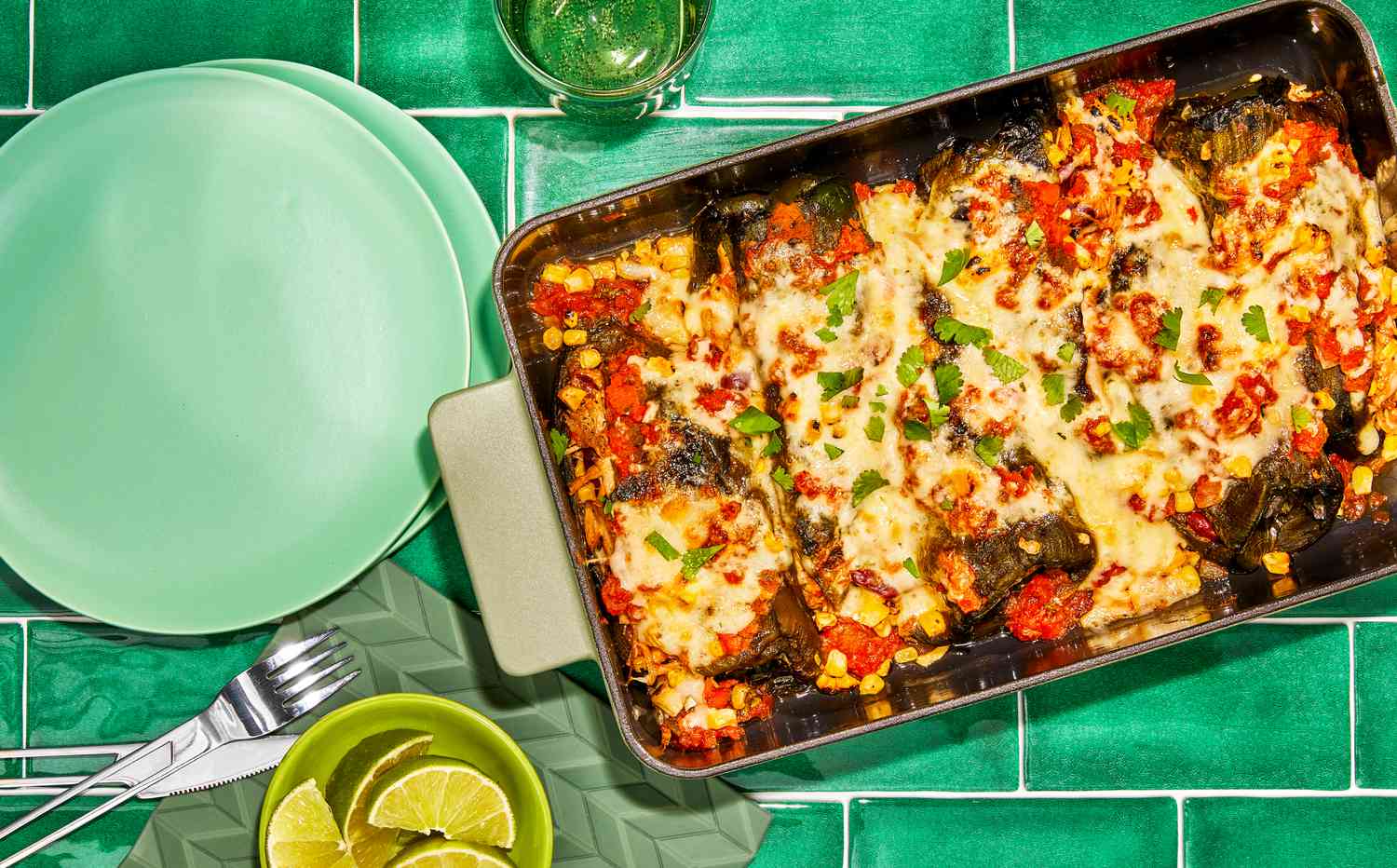
7. Chicken Enchilada Bake
Enchiladas freeze beautifully because sauce protects the tortillas and filling from drying out. A chicken enchilada bake gives you all the flavor of rolled enchiladas with less fuss. It is the weeknight dinner version of wearing nice sweatpants: comfortable, practical, and still presentable.
Layer corn tortillas, shredded chicken, black beans, corn, enchilada sauce, cheese, and sautéed peppers or onions. Repeat the layers like a Tex-Mex lasagna. Use enough sauce to keep the tortillas moist, but not so much that the dish becomes soup wearing a cheese hat.
Best way to freeze: Assemble unbaked, cover tightly, and freeze. You can also freeze individual portions after baking.
Best way to reheat: Thaw overnight, bake covered at 350°F, then uncover for the last 10 minutes to melt and brown the cheese.
Serving idea: Add fresh toppings after reheating: cilantro, lime, diced tomatoes, shredded lettuce, or avocado.
8. Shepherd’s Pie
Shepherd’s pie is a complete meal disguised as a casserole. A savory meat-and-vegetable filling sits under a fluffy mashed potato topping, which means you get protein, vegetables, and carbs in one pan. It is efficient, comforting, and very good at making leftovers feel intentional.
Use ground beef or lamb, carrots, peas, onions, garlic, tomato paste, broth, Worcestershire sauce, and herbs. Spread mashed potatoes on top, then freeze before baking or after baking. For a lighter version, use mashed sweet potatoes or a mix of potatoes and cauliflower.
Best way to freeze: Assemble in a freezer-safe baking dish and wrap tightly. Let the filling cool before adding the potato topping if you are assembling in stages.
Best way to reheat: Thaw overnight and bake at 375°F until the filling bubbles and the top is lightly golden.
Serving idea: Serve with a crisp salad or roasted Brussels sprouts to balance the richness.
What Foods Freeze Best?
The best freezer meals are moist, saucy, or sturdy. Think soups, stews, chili, casseroles, cooked beans, grains, meatballs, shredded meats, pasta bakes, burritos, pot pies, and sauces. These foods can handle freezing because their texture does not depend on crispness or delicate freshness.
Foods that can be tricky include lettuce, cucumbers, raw tomatoes, mayonnaise-based salads, fried foods, and cream sauces. That does not mean they are impossible, but they often come back from the freezer with a personality change. Add fresh herbs, crunchy toppings, dairy finishes, and delicate vegetables after reheating whenever possible.
How to Make Freezer Meals Taste Fresh After Reheating
A freezer meal should not taste like it has been hibernating since a previous administration. The secret is finishing touches. Add lemon juice to soups, fresh herbs to casseroles, hot sauce to burritos, toasted breadcrumbs to pasta bakes, or a spoonful of yogurt to chili. A fresh topping wakes up reheated food and makes it feel newly cooked.
Texture also matters. If a casserole seems dry, add a splash of broth, milk, tomato sauce, or enchilada sauce before reheating. If soup is too thick, thin it with broth. If burritos feel soft after microwaving, crisp them in a skillet. Small moves make a big difference.
Freezer Meal Planning: A Simple Weekend Strategy
You do not need to spend an entire Sunday cooking until your kitchen looks like a cooking-show crime scene. Start with one or two meals. Double a recipe you already like, freeze half, and build your freezer stash slowly.
A smart beginner plan looks like this: make one big pot meal, one casserole, and one grab-and-go breakfast. For example, cook turkey chili, assemble a chicken enchilada bake, and wrap a dozen breakfast burritos. That gives you dinner, backup dinner, and breakfast insurance. The freezer does not need to be packed overnight; it just needs to be useful.
Common Freezer Meal Mistakes to Avoid
Freezing food without enough sauce
Dry food gets drier in the freezer. Add extra sauce to pasta bakes, enchiladas, meatballs, and casseroles.
Using the wrong container size
Freeze food in portions you will actually eat. A giant frozen block of soup is not dinner; it is a kitchen puzzle.
Forgetting to label meals
Labels prevent mystery dinners. Include the date and reheating instructions.
Reheating too aggressively
Low and steady reheating helps preserve texture. Covered baking dishes, gentle stovetop heat, and occasional stirring are your friends.
Personal Experience: What Freezer Meals Teach You After a Few Real-Life Reheats
The first thing you learn from freezer meal cooking is that your future self is incredibly easy to impress. You can have the most chaotic dayemails multiplying like rabbits, laundry forming a small mountain range, everyone asking what is for dinner as if you are hiding a restaurant in the closetand then you remember there is chili in the freezer. Suddenly, you are not behind. You are prepared. You are basically a domestic wizard with a ladle.
In practice, freezer meals work best when they match the way people actually eat. A beautiful casserole is wonderful, but individual portions often win. Single-serving containers are perfect for lunches, solo dinners, and teenagers who appear in the kitchen at odd hours like raccoons with homework. Family-size pans are great for planned dinners, but small portions save the day when everyone’s schedule is different.
Another lesson: not every meal needs to be fully finished before freezing. Sometimes freezing components is even better. Cooked taco meat, shredded chicken, marinara sauce, cooked rice, roasted vegetables, and meatballs give you options. One bag of meatballs can become pasta on Monday, subs on Wednesday, and a quick skillet meal on Friday. That variety keeps freezer meals from feeling like punishment leftovers.
Texture is the biggest thing to watch. Soups and stews are forgiving. Chili is practically immortal. Pasta bakes need extra sauce. Burritos need dry fillings and a crisping step if you want the tortilla to taste fresh. Mashed potato toppings, like the one on shepherd’s pie, reheat better when they are not too loose. Cheese generally behaves well, but creamy sauces can separate if they are overheated. A gentle reheat and a good stir can save many meals from disappointment.
The best freezer meal habit is labeling. It sounds boring until you skip it. Without labels, every container becomes a suspense thriller. Is it lentil soup? Is it taco filling? Is it something from six months ago that should be studied by historians? A simple label removes the drama. Add the name, date, and a note like “Bake covered at 350°F” or “Add broth when reheating.”
Freezer meals also change how you shop. Instead of buying random ingredients and hoping inspiration arrives before the spinach wilts, you start thinking in batches. If ground turkey is on sale, that means chili and meatballs. If chicken is cooked, that means enchilada bake and rice casserole. If vegetables are near the end of their fridge life, they can become soup. The freezer turns “almost wasted” food into “future dinner,” which feels like winning a small kitchen lottery.
Most importantly, freezer-friendly meals make home cooking feel kinder. They give you a backup plan that is healthier, cheaper, and usually tastier than panic-ordering takeout. They do not require perfection. They only require a few reliable recipes, decent containers, and the willingness to cook a little extra when you already have the cutting board out. That is the beauty of make-ahead meals: you do not have to be organized every day. You only have to be organized once in a while, then let the freezer quietly do its job.
Conclusion
Freezer-friendly meals are one of the simplest ways to make everyday eating easier. With recipes like turkey chili, chicken and rice casserole, baked ziti, breakfast burritos, lentil soup, meatballs, enchilada bake, and shepherd’s pie, you can stock your freezer with meals that are practical, comforting, and ready when life gets loud.
The secret is not complicated: choose meals with moisture, freeze them in useful portions, label everything, and reheat safely. Add fresh toppings after reheating, and your freezer meal can taste like dinnernot like a backup plan. Your future self may not write you a thank-you note, but they will absolutely appreciate not having to cook from scratch on a Tuesday night.
SEO Tags
Note: Food-safety guidance in this article is synthesized from current recommendations by USDA FSIS, FoodSafety.gov, FDA, the National Center for Home Food Preservation, and Ohio State University Extension, including guidance on freezing at 0°F, reheating leftovers to 165°F, cooling foods quickly, and using freezer-safe storage methods. Recipe and meal-format inspiration was also synthesized from established U.S. food publishers including Food Network, Budget Bytes, Martha Stewart, Taste of Home, The Kitchn, EatingWell, Love & Lemons, Serious Eats, Food52, and Allrecipes.