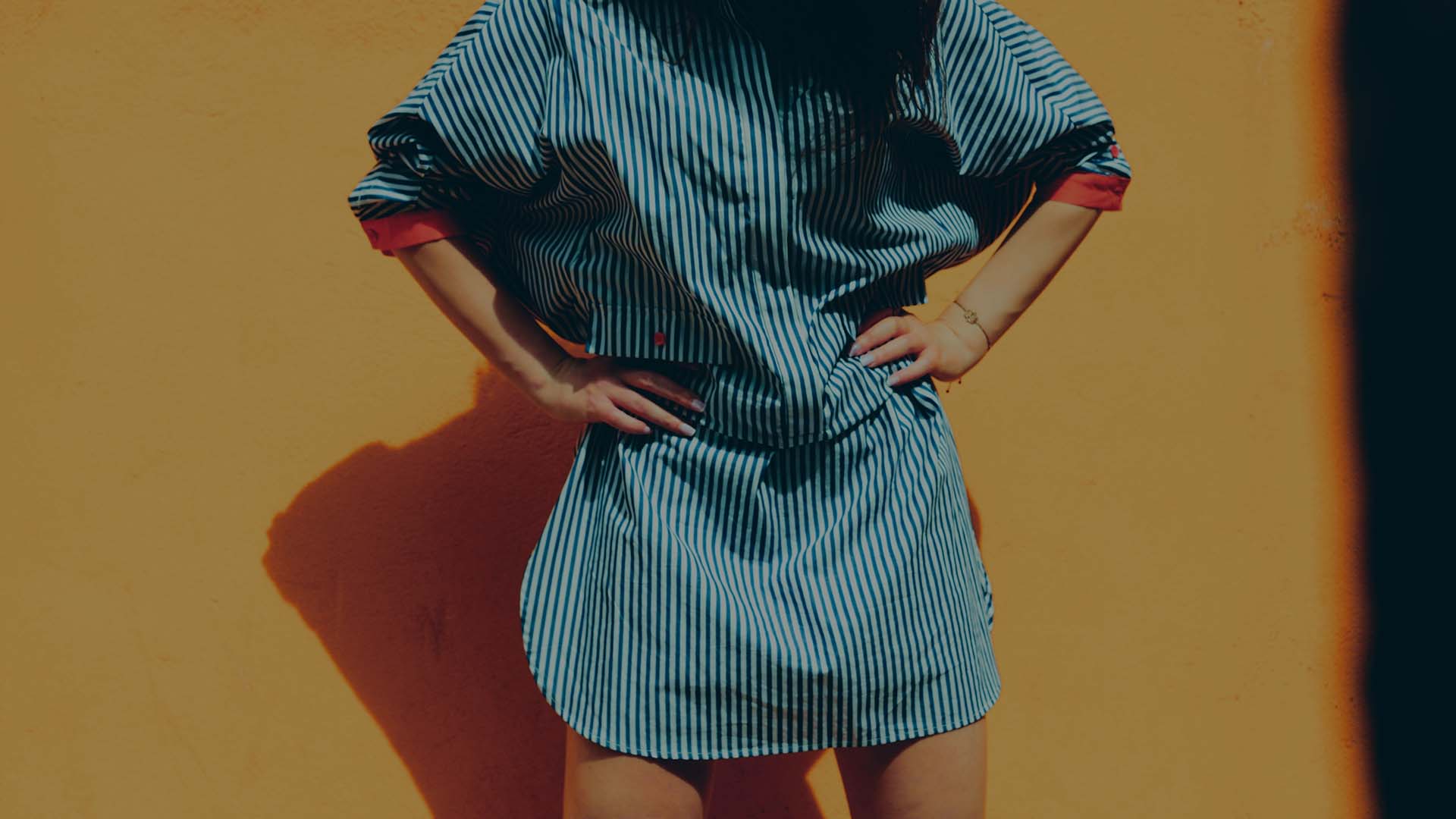
Note: This article is designed as a companion piece for a fashion video. Use the examples as visual prompts: show the “before,” make one styling adjustment, then reveal the finished outfit. The goal is not to turn everyone into a runway extra on the way to buy groceries. The goal is to make getting dressed easier, more confident, and far less dramatic than a closet floor covered in rejected shirts.
Putting together an outfit is not magic, and it does not require owning a closet the size of a small airport terminal. Great style usually comes down to a few repeatable decisions: where you are going, how you want to feel, what fits well, and which detail makes the look feel intentional.
The basics of putting together an outfit are surprisingly simple. Start with a reliable base, pay attention to proportion, choose a focused color story, add texture or layering when needed, and finish with shoes and accessories that support the mood. Once you understand that formula, you can get dressed faster, shop with more purpose, and stop blaming your favorite jeans for every fashion emergency.
Start With the Occasion, Not the Hanger
Before choosing a shirt, ask one practical question: What does this outfit need to do? Clothes are easier to select when they have a job. A coffee run, a client meeting, a wedding, a first date, a weekend airport dash, and a backyard barbecue all ask for different levels of polish, comfort, and weather protection.
Think of the occasion as the frame around the picture. You would not wear beach sandals to a snowy outdoor event unless you are starring in a very confusing survival show. Likewise, a sharp blazer may be perfect for a work presentation but unnecessary for a casual afternoon when a clean overshirt or structured cardigan would feel more natural.
Use a Simple Dress-Code Scale
- Relaxed: T-shirt, knit top, jeans, shorts, casual skirt, sneakers, flat sandals, or loafers.
- Smart casual: Elevated denim, trousers, a button-down, knitwear, a blazer, polished boots, or clean leather sneakers.
- Business or dressy: Tailored trousers, a structured dress, a matching set, a suit, refined shoes, and more deliberate accessories.
- Formal: Eveningwear, a tuxedo, gown, cocktail dress, formal suit, or a clearly event-appropriate alternative.
You do not need to dress like a completely different person for every category. The best approach is to begin with your personal style and adjust the polish level. Someone who loves relaxed clothing can wear a tailored overshirt, dark denim, and sleek boots for dinner. Someone who prefers classic outfits can make a simple white shirt and trousers work for nearly anything with a change of shoes and accessories.
The Core Outfit Formula: Build From the Ground Up
When people say they have “nothing to wear,” they often have plenty of clothes but no easy system for combining them. A dependable outfit formula solves that problem. You do not need to follow it like a law carved into a marble tablet, but it gives you a useful starting point on busy mornings.
- Choose one foundation piece.
- Add a top or second layer that balances it.
- Check the silhouette and proportions.
- Choose two to three main colors.
- Add texture, a layer, or one point of interest.
- Pick shoes that match the occasion.
- Finish with accessories, grooming, and a quick mirror check.
1. Begin With One Foundation Piece
Your foundation piece is the item that sets the direction of the outfit. It might be straight-leg jeans, tailored pants, a midi skirt, a dress, relaxed chinos, wide-leg trousers, or a pair of shorts. Once this item is chosen, the rest of the look becomes easier because you are no longer staring into the closet as though it has personally betrayed you.
For example, dark straight-leg jeans can move in several directions. Pair them with a plain tee and sneakers for casual errands. Add a button-down and loafers for a polished lunch. Throw on a blazer and boots for dinner. The jeans have not changed; the styling around them has.
2. Prioritize Fit Before Trends
Fit is one of the biggest differences between an outfit that feels polished and one that feels accidental. A trendy piece that pinches, pulls, slides, bunches, or needs constant adjusting will not suddenly become stylish because it appeared in a viral video. Clothes should let you sit, walk, breathe, reach, and eat a normal meal without creating a hostile work environment for your rib cage.
Look for shoulder seams that sit close to your natural shoulders, pants that skim rather than strain, sleeves that do not swallow your hands unless that is the intended dramatic effect, and hemlines that work with your most-worn shoes. Tailoring can make a major difference, especially for trousers, sleeves, jackets, dresses, and denim.
A small alteration can turn a good purchase into a favorite piece. Shortening pants, adjusting a waist, tapering a sleeve, or hemming a dress may cost less than buying another item that almost works but spends its life in the closet gathering dust and resentment.
3. Balance the Proportions
Outfit proportions are about the visual relationship between your pieces. You do not have to dress for a particular body type, follow outdated “rules,” or chase a perfectly balanced silhouette every day. But it helps to decide whether you want contrast, length, structure, or softness.
A loose top can look great with slimmer pants. Wide-leg pants often work beautifully with a more fitted tee, tucked blouse, cropped sweater, or short jacket. An oversized button-down can feel intentional when half-tucked, layered over a fitted tank, or paired with shorts and a defined waist. If everything is oversized, the outfit can still work, but add a deliberate shape through a belt, cuffed sleeves, a visible waistband, or a structured shoe.
The mirror test is simple: stand back and ask whether the outfit has a shape. If it does, you are probably on the right track. If it looks like your laundry basket won an argument, try one adjustment before changing everything.
4. Keep the Color Story Focused
Color coordination does not require memorizing an art-school color wheel, although nobody will stop you from becoming extremely passionate about chartreuse. A beginner-friendly approach is to choose two neutrals and one accent color.
For instance, navy trousers, a white shirt, and brown shoes create a classic combination. Black jeans, a gray sweater, and burgundy sneakers feel casual but considered. Cream pants, a chocolate-brown knit, and gold jewelry create a warm, tonal look. Denim, white, black, beige, olive, navy, gray, and brown are useful anchors because they work with many colors.
Monochromatic and tonal outfits are another easy strategy. Wearing different shades of one color familysuch as charcoal, gray, and silver, or tan, camel, and chocolatecan make even simple pieces feel deliberate. Add contrast through texture so the outfit does not become one giant blob of fabric.
5. Use Texture to Make Basics More Interesting
Texture is the quiet hero of an outfit. It creates depth without requiring a loud print, a neon bag, or a hat that looks like it was borrowed from an experimental theater production. Denim, linen, leather, cotton, knitwear, suede, wool, silk, corduroy, and ribbed fabrics all bring different energy to the same color palette.
Imagine an all-black outfit: black jeans, a black cotton tee, a black leather jacket, and black boots. The color is simple, but the mix of matte cotton, denim, leather, and polished footwear gives the outfit dimension. The same idea works with neutrals, pastels, and bold color.
Layering: The Shortcut to a More Finished Look
Layering is one of the easiest ways to make a basic outfit feel complete. It can also help you handle weird weather, aggressive air-conditioning, and restaurants that somehow maintain the climate of a refrigerated warehouse.
Start with a base layer such as a T-shirt, tank, knit top, polo, blouse, or lightweight shirt. Add one outer layer: a denim jacket, overshirt, cardigan, blazer, trench, bomber, leather jacket, or coat. The outer layer should add either structure, color contrast, warmth, or texture.
Easy Layering Formulas
- White tee + jeans + denim jacket + sneakers.
- Tank top + open linen shirt + relaxed trousers + sandals.
- Button-down + knit sweater + straight-leg pants + loafers.
- Fitted dress + blazer + ankle boots.
- Graphic tee + overshirt + chinos + clean sneakers.
- Black turtleneck + tailored trousers + long coat + boots.
When layering more than two pieces, keep the innermost layers lighter or slimmer and let the outer layer carry more structure. This helps the outfit feel styled rather than bulky. A roomy trench over a fitted blazer can work; a giant puffer over a giant sweatshirt over a giant sweater may work too, but only if your goal is to become an extremely fashionable cloud.
Shoes and Accessories Are Not an Afterthought
Shoes can change the entire message of an outfit. The same jeans and white shirt can look relaxed with sneakers, refined with loafers, edgy with boots, or dressy with heels. When you are unsure what is missing, check the shoes before buying another top. The problem may not be the shirt. The problem may be that your shoes are telling a completely different story.
Accessories work best when they feel intentional. A belt can define the waist. A watch can add structure. Earrings can bring light near the face. A scarf can add color. A bag can make a casual outfit look more polished. Sunglasses can make nearly any outfit feel more confident, although they should not be used to avoid replying to texts from three days ago.
The One-Statement Rule
For an easy, balanced look, choose one main statement element: bright shoes, a patterned shirt, a great jacket, bold earrings, a colorful handbag, a dramatic coat, or an interesting pair of pants. Let the rest of the outfit support it.
If you wear a loud printed shirt, keep the pants relatively simple. If your shoes are bright red, ground them with neutral clothing. If you are wearing a sculptural coat, avoid adding five competing accessories unless you are intentionally creating a maximalist look. Style can absolutely be playful, but even playful outfits benefit from a little visual breathing room.
Four Easy Outfit Formulas for Real Life
Casual Weekend Outfit
Start with straight-leg jeans or relaxed shorts. Add a clean T-shirt, knit polo, tank, or casual button-down. Choose sneakers, loafers, or sandals, then add one layer if needed. A baseball cap, watch, small hoop earrings, or canvas tote can make the outfit feel finished without looking like you spent two hours preparing for a grocery-store cameo.
Smart-Casual Work Outfit
Choose trousers, dark jeans, a midi skirt, or a structured dress. Add a button-down, neat knit, polished blouse, or fitted tee. Finish with loafers, ankle boots, clean leather sneakers, or low heels. A blazer, cardigan, or tailored overshirt gives the outfit enough authority to survive a meeting without becoming stiff or costume-like.
Date-Night Outfit
Begin with one elevated item: a great jacket, sleek trousers, a fitted dress, dark denim, interesting shoes, or a statement top. Keep the rest clean and comfortable. The best date-night outfit should let you focus on the person across the table, not on whether your sleeve is cutting off circulation.
Travel-Day Outfit
Comfort matters, but travel clothes do not have to look like you surrendered to the airport carpet. Try soft trousers or relaxed jeans, a breathable T-shirt or knit, a layer you can remove, comfortable sneakers, and a bag that keeps essentials organized. Stick to colors that mix easily so one spilled coffee does not force a complete wardrobe crisis at Gate 24.
Common Outfit Mistakes and Better Fixes
- Mistake: Buying only statement pieces. Fix: Build reliable basics first, then add personality.
- Mistake: Ignoring fit because an item is on sale. Fix: Buy less, choose better, and consider alterations.
- Mistake: Wearing every favorite item at once. Fix: Choose one focal point and let the rest support it.
- Mistake: Saving good clothes for an imaginary perfect day. Fix: Wear them now, even if the occasion is Tuesday.
- Mistake: Copying an outfit exactly from someone else. Fix: Borrow the formula, then adapt it to your own comfort, climate, budget, and personality.
Experiences That Teach You How to Put Together an Outfit
Learning how to dress well is less like passing a test and more like developing a useful personal instinct. Most people do not wake up one morning with a perfectly edited wardrobe and the ability to make a plain white T-shirt look like a life decision. They learn by trying combinations, making occasional mistakes, taking mirror photos, and realizing that the “amazing” jacket they bought during a late-night sale only works with exactly one pair of pants.
One of the first useful experiences is discovering the difference between clothes you admire and clothes you actually wear. You may love a sharply tailored suit on a mannequin, but your own life may involve commuting, meetings, children, motorbikes, grocery bags, sudden rain, or a workplace where nobody has worn a tie since 2017. Personal style becomes much easier when your wardrobe fits your real schedule instead of a fictional lifestyle starring you as the lead in a perfume commercial.
Another important experience is learning your repeat outfits. Everyone has them: the jeans that always fit, the shirt that works after a rushed laundry day, the dress that needs almost nothing else, the jacket that makes a simple outfit feel sharper, or the shoes that somehow earn compliments even when you barely had time to brush your hair. These repeat pieces are not boring. They are your style infrastructure. Once you identify them, you can build around them instead of constantly starting from zero.
Many people also learn through minor fashion disasters. Maybe you wear shoes that look fantastic but turn a ten-minute walk into a historical reenactment of human suffering. Maybe you discover that a shirt looks great standing still but wrinkles into a crumpled receipt the moment you sit down. Maybe you try to wear three competing patterns and realize your outfit has become louder than the conversation. These moments are not failures. They are field research.
Photographs are especially helpful. A mirror shows you one angle in one moment; a photo lets you see proportion, color, length, and balance more objectively. Take a quick photo before leaving the house, then review it later. You may notice that you prefer a tucked shirt, a cuffed sleeve, a shorter jacket, a larger bag, or a more defined waist. You may also discover that your favorite “neutral” is actually navy, olive, brown, or cream rather than black. That knowledge saves time and money.
Shopping also becomes more useful when you think in outfit possibilities instead of isolated purchases. Before buying a new top, ask whether it works with at least three bottoms you already own. Before buying shoes, ask whether they suit your actual routines. Before buying a trend piece, ask whether it works with your core wardrobe or needs an entire supporting cast. A good purchase does not need to be worn every day, but it should earn its place.
Over time, confidence becomes the final ingredient. Confidence does not mean believing every outfit is perfect. It means understanding what feels like you. You may like clean minimal outfits, color-heavy looks, vintage denim, soft romantic pieces, tailored classics, streetwear, playful accessories, or an ever-changing mixture of all of them. The point is not to look like someone else. The point is to make choices that feel intentional, comfortable, and expressive.
That is the most useful lesson of all: an outfit is not successful because it follows every fashion rule. It is successful because it suits the moment, fits the person wearing it, and allows them to move through the day with a little more ease. Once you know that, getting dressed stops being a daily puzzle and starts becoming a small creative ritual.
Final Takeaway
The basics of putting together an outfit are simple: dress for the occasion, start with a reliable foundation, focus on fit, balance your proportions, limit the color story, add texture or layers, and finish with the right shoes and accessories. Practice these steps often enough, and your closet will feel less like a chaotic thrift-store tornado and more like a collection of useful options that actually work together.