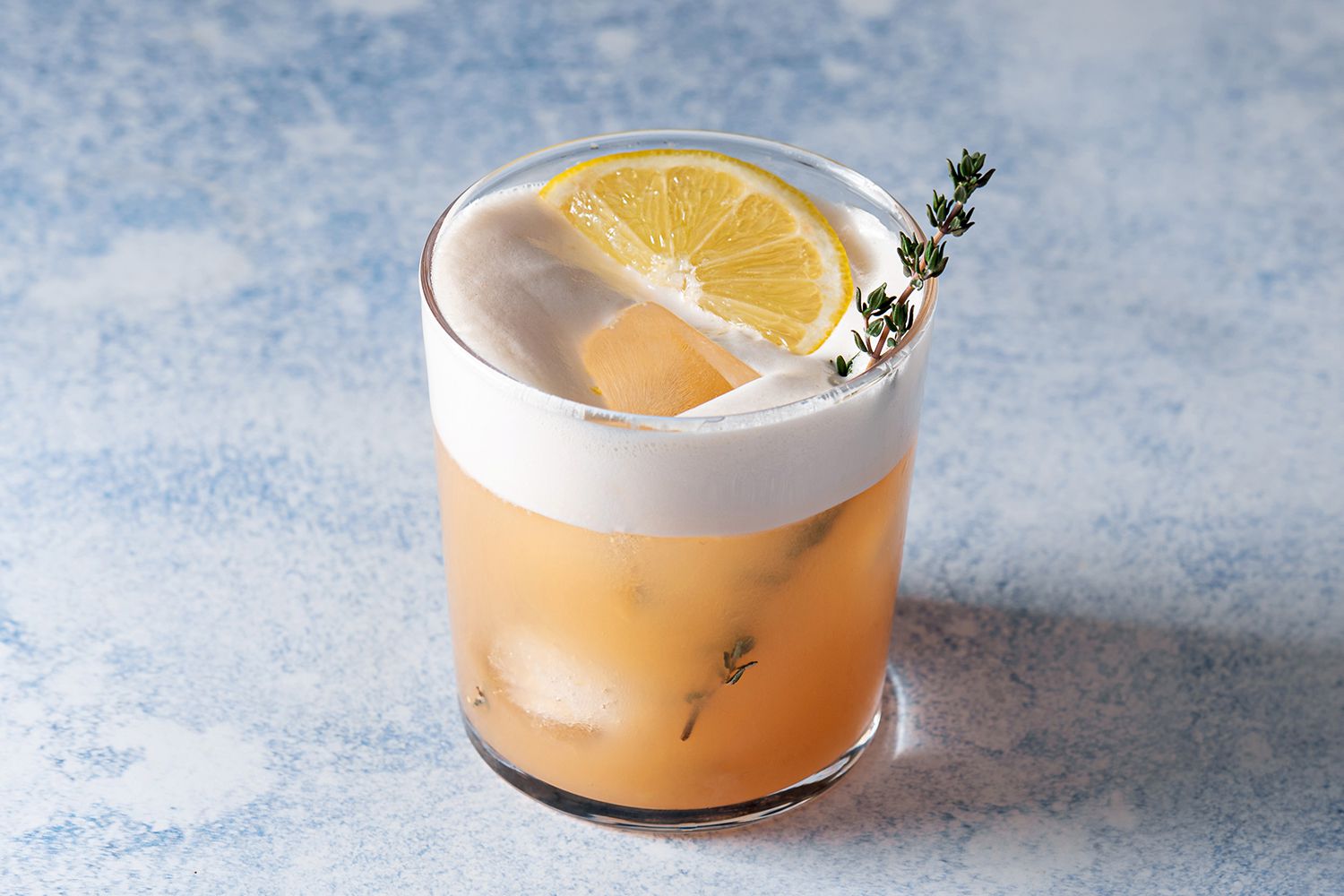
If a Whiskey Sour is the little black dress of cocktailsreliable, flattering, always invitedthen the Old Thyme Sour is that same outfit with a fresh haircut and suspiciously good skincare.
It’s bright and citrusy, silky if you want it to be, and packed with herbal aroma thanks to thyme (yes, thyme, because we’re grown-ups now).
This article walks you through a bar-worthy Old Thyme Sour cocktail recipe with Irish whiskey, including a simple thyme syrup, foolproof froth tips (egg white optional),
flavor-balancing tricks, and variations that keep it interesting even after your third “just one more.”
What Is an Old Thyme Sour?
The Old Thyme Sour is a modern riff on the classic Whiskey Sour template: whiskey + citrus + sweetener (plus dilution from shaking).
What makes it “Old Thyme” is the herb-forward twisttypically fresh thyme and/or a thyme-infused syrupoften paired with warm spice notes (hello, cinnamon) and sometimes a floral accent like elderflower liqueur.
Using Irish whiskey is the secret handshake here. Compared with many bourbons or ryes, Irish whiskey tends to read smoother and lighter, which gives the thyme room to show off without turning the drink into a potpourri attack.
Ingredients You’ll Need
1) Irish Whiskey
Choose something you’d happily sip neat, but you don’t need to break open a unicorn bottle. A friendly blended Irish whiskey makes an excellent base:
it’s usually smooth, subtly fruity, and plays nicely with lemon and herbs.
- For a classic crowd-pleaser: a standard blended Irish whiskey.
- For extra depth: try a slightly richer bottling (still approachable) or a malt-forward Irish whiskey.
- For a bolder edge: a higher-proof option can stand up to strong citrus and syrup.
2) Fresh Lemon Juice
Fresh-squeezed matters here. Lemon is the loudest instrument in the band; bottled juice tends to sound like it’s playing through a phone speaker from 2009.
3) Cinnamon-Thyme Syrup (Simple to Make)
You can use plain simple syrup, but the whole point of an Old Thyme Sour is… well… the thyme.
A cinnamon-thyme syrup adds gentle sweetness, herbal lift, and a warm “cozy sweater” note without turning the drink into dessert.
4) Optional Flavor Boosters
- Elderflower liqueur: adds a light floral note that pairs beautifully with thyme.
- Angostura bitters: adds spice and aroma; also lets you do pretty drops on foam like a tiny cocktail tattoo.
- Egg white (optional): creates a creamy, foamy cap. You can skip it (or use aquafaba) and still have a great drink.
How to Make Cinnamon-Thyme Syrup
This syrup is fast, forgiving, and makes your kitchen smell like a candle store in the best way (minus the headache).
Cinnamon-Thyme Syrup (Makes about 1 cup)
- 1 cup granulated sugar
- 1 cup water
- 8–10 fresh thyme sprigs (plus more for garnish)
- 1 cinnamon stick (or 1/2 teaspoon ground cinnamon in a pinch)
- Combine sugar and water in a small saucepan over medium heat. Stir until the sugar dissolves.
- Add thyme sprigs and cinnamon. Bring to a gentle simmer (not a rolling boil).
- Simmer 4–6 minutes, then turn off heat. Let steep 10–15 minutes for a stronger herbal note.
- Strain into a clean jar or bottle. Cool completely, then refrigerate.
Storage: Keep chilled. It’s best within 2 weeks, though it may last a bit longer if handled cleanly (no “used spoon” double-dipping).
Old Thyme Sour Cocktail Recipe With Irish Whiskey
This recipe is designed to taste balanced, not syrupy. If you like it sweeter, bump syrup slightly. If you like it sharper, lean into lemon.
The thyme should feel like a fresh breeze, not like you’re chewing a bouquet.
Single Serving (1 cocktail)
- 2 oz Irish whiskey
- 3/4 oz fresh lemon juice
- 1/2 oz cinnamon-thyme syrup
- 1/4 oz elderflower liqueur (optional but highly recommended)
- 1/2 oz egg white (optional) or 3/4 oz aquafaba (vegan option)
- 2 dashes Angostura bitters, plus more for garnish
- Ice
- Garnish: fresh thyme sprig (and/or lemon twist)
Method
- Chill your glass: Fill a rocks glass with ice (or chill a coupe in the freezer). Cold glass = better texture and aroma.
- Build the cocktail: Add Irish whiskey, lemon juice, cinnamon-thyme syrup, elderflower liqueur (if using), and egg white/aquafaba (if using) to a shaker.
- Dry shake (if using egg white/aquafaba): Shake hard without ice for 10–15 seconds to emulsify and start the foam.
- Wet shake: Add ice and shake again for 12–15 seconds until the shaker feels cold and slightly angry at you.
-
Strain: Double-strain into your chilled glass.
Serve on the rocks in a rocks glass or up in a coupeyour call. - Garnish: Add a thyme sprig. Dot 3–5 drops of bitters on the foam (if you have foam) and drag a toothpick through for quick “latte art energy.”
Raw egg note: If you use egg white, consider pasteurized egg whites to reduce food-safety risk. If you’re pregnant, immunocompromised, or simply not into raw egg vibes, skip it or use aquafaba.
How to Get That Dreamy Foam (Without Crying)
Dry Shake vs. Reverse Dry Shake
Most home bartenders do dry shake first, then shake with ice. It works, it’s simple, and it doesn’t require a philosophy degree.
If you want a thicker cap of foam, try a reverse dry shake: shake with ice first, strain out the ice, then shake again without ice.
More steps, more foam, more “look what I can do.”
Three foam upgrades that actually help
- Use a tight seal and shake like you mean it: timid shaking produces timid foam.
- Add a spring: drop a clean shaker spring (or a blender ball) into the tin to help whip the egg white.
- Don’t overdo herbs in the shaker: thyme is potent; too much muddling can add bitter, vegetal notes.
The Flavor Math: Balancing Sweet, Sour, and Herbal
Great sours taste “snappy” but not sharp. If your drink makes your cheeks cave in like you ate a lemon wedge whole, it needs more sweetness or dilution.
If it tastes like lemon candy, it needs more whiskey or more acid.
- Too tart? Add 1/4 oz more syrup, or shake 2 seconds longer for extra dilution.
- Too sweet? Add 1/4 oz more lemon juice, or choose a drier whiskey and skip the elderflower.
- Thyme too strong? Reduce steep time in the syrup (or use fewer sprigs).
- Thyme too shy? Add a quick “thyme slap” garnish (smack the sprig between your palms before garnishing).
One under-the-radar trick: a tiny pinch of salt can make citrus taste brighter and sweetness feel more integrated. Not “salty,” just “oh wow, that’s smoother.”
Variations That Still Count as an Old Thyme Sour
1) Old Thyme New York Sour
Make the drink as written (egg white optional), then float 1/2 oz dry red wine over the top. It looks dramatic and tastes like your sour put on a velvet jacket.
2) Honey-Thyme Irish Whiskey Sour
Swap cinnamon-thyme syrup for honey-thyme syrup (equal parts honey and warm water, infused with thyme). This reads rounder and more floral.
3) Blackberry Thyme Sour
Muddle 3–4 blackberries in the shaker (or use a blackberry-thyme syrup). Fruit plus thyme plus Irish whiskey is a surprisingly elegant trio.
4) No-Egg “Crisp” Old Thyme Sour
Skip egg white and shake hard with ice. You’ll get a brighter, more refreshing drinkless creamy, more zippy. Perfect for warm weather.
5) Vegan Foam Option
Use aquafaba (liquid from chickpeas) in place of egg white. It foams well and keeps the same plush mouthfeel, without the raw egg concern.
What to Serve With an Old Thyme Sour
This cocktail loves salty, crunchy, and lightly fatty foodsanything that makes citrus pop and whiskey taste richer.
- Sharp cheddar, aged gouda, or Irish cheddar
- Smoked almonds, salted cashews, or kettle chips
- Charcuterie (especially with a little honey or jam)
- Roast chicken or pork (thyme’s best friends in the savory world)
Troubleshooting: Common Old Thyme Sour Problems
“My foam disappeared instantly.”
You likely didn’t dry shake long enough, your egg white was too small, or your syrup/lemon ratio was off. Dry shake 10–15 seconds, then shake with ice.
Also: fresh eggs or pasteurized egg whites tend to foam better than “mystery egg from the back of the fridge.”
“It tastes bitter/green.”
Thyme can go bitter if aggressively muddled. Use syrup for flavor and keep fresh thyme mainly for aroma (garnish or a gentle slap).
“It’s too spicy.”
If your cinnamon stick was enthusiastic, shorten the steep time. Or switch to thyme-only syrup and let bitters provide the spice.
“It’s flat and boring.”
Use fresher lemon juice, measure accurately, and don’t under-shake. Proper dilution from shaking is part of what makes a sour taste “alive.”
Frequently Asked Questions
Can I batch this for a party?
Yesbatch the whiskey + lemon + syrup + elderflower in a bottle, keep it cold, and shake individual servings with ice when ready.
If using egg white/aquafaba, add it per drink and shake fresh. (Foam doesn’t batch well; it’s dramatic and needs attention.)
Up or on the rocks?
On the rocks stays colder longer and slowly softens as it dilutes. Up feels more aromatic and “cocktail bar.”
If you’re using egg white, serving up in a coupe shows off the foam beautifully.
Do I have to use elderflower liqueur?
Nope. It’s optional. But it adds a subtle floral lift that pairs extremely well with thyme and Irish whiskey.
If you skip it, consider adding a touch more syrup (about 1/8–1/4 oz) depending on your taste.
Conclusion: Your New Favorite Whiskey Sour Riff
The Old Thyme Sour cocktail recipe with Irish whiskey is proof that small upgradesfresh lemon, a thyme syrup, and thoughtful techniquecan make a classic taste brand new.
It’s bright, herbal, and flexible: creamy with egg white, crisp without it, and endlessly riffable with fruit, honey, or a wine float.
Make one carefully, then make the second one casually. That’s the traditional method.
Experiences: What Making an Old Thyme Sour Feels Like (and Why You’ll Keep Doing It)
The first “experience” most people have with an Old Thyme Sour is the scent. Before you even taste it, thyme hits your nose in a way that feels oddly fancy for something you made next to a sink full of dishes.
It’s not perfume-ymore like walking past a sunny herb garden and thinking, “I should really be the kind of person who owns a linen shirt.”
That aroma is why the garnish matters: a fresh thyme sprig does the same job a good speaker does at a partyit sets the mood before anyone says a word.
Then there’s the shake. This drink has a tiny emotional arc: confidence, doubt, and redemption.
You start out feeling like a pro, then the dry shake (if you’re using egg white) makes you wonder if you’re just aggressively auditioning for a job as a maraca.
Two seconds later you remember: the point is to whip the texture into something silky, not to gently persuade it to foam.
When you finally strain it and see that thick, cloud-like cap, it’s a small, ridiculous victorylike parallel parking on the first try.
Taste-wise, the experience is all about “layers.” The opening sip is bright lemon and soft sweetness, then Irish whiskey rolls in with that smooth, mellow backbone,
and thyme shows up right after like a supportive friend who doesn’t need to dominate the conversation.
If you added elderflower, you’ll notice the middle of the sip feels lighter and more liftedalmost like the drink took a deep breath.
And if you dotted bitters on top, the aroma changes each time you lift the glass. It’s the same cocktail, but it keeps handing you slightly different versions of itself.
That’s the fun part: it’s not complicated, but it’s not one-note either.
The second big “experience” is learning your own balance preferences. Some people love a sharper sour; others want it rounder and gentler.
The Old Thyme Sour makes that experimentation feel low-stakes because tiny tweaks are obvious.
Add an extra splash of syrup and it becomes cozy and smooth. Add a touch more lemon and it turns snappier and more refreshing.
Use honey-thyme syrup and suddenly it’s like the drink put on a warmer sweater. Add blackberries and it becomes a brunch-friendly show-off.
You end up with a cocktail that teaches you how you like your drinkswithout punishing you for getting it slightly wrong.
Finally, there’s the social experience: this is a cocktail that gets comments.
People notice the foam, the bitters design, the thyme garnish. Someone will say, “Wait… what’s in that?” like you’re hiding state secrets in a rocks glass.
And you get to reply, “It’s an Old Thyme Sour,” which is a deeply satisfying sentence because it sounds like you learned it from an old bartender named Frank who only speaks in wisdom and sighs.
The truth is: it’s just smart ingredients and a solid method. But it feels like a signature drink, which is half the reason we make cocktails at home in the first place.