Belonging is not a fluffy extra that schools sprinkle on top of math, reading, and science like decorative parsley. For K-12 students with disabilities, feeling accepted, valued, and included can shape whether school feels like a place to grow or a building they simply endure until dismissal.
A strong sense of belonging means students believe that adults and peers care about them as people and care about their learning. It includes feeling safe to participate, ask for help, make mistakes, use accommodations, join activities, and show up as themselves without becoming “the student everyone talks about.” School connectedness research consistently links supportive relationships and inclusive environments with stronger engagement, well-being, and learning outcomes.
For students with disabilities, belonging cannot stop at a friendly poster in the hallway. It requires accessible classrooms, meaningful peer relationships, predictable routines, responsive support, and a school culture that treats disability as part of human diversity rather than a problem to hide. The goal is not to make students with disabilities blend in. The goal is to make sure they truly belong.
Why a Sense of Belonging Matters for Students With Disabilities
Students spend thousands of hours in school. When that environment tells them, directly or indirectly, “You are an inconvenience,” “You are different in a bad way,” or “You can participate later,” the impact can be heavy. Students may withdraw from class discussions, avoid school activities, hesitate to request support, or assume they are less capable than their classmates.
Belonging works in the opposite direction. It gives students the confidence to take academic risks, build friendships, contribute ideas, and recover after a rough day. A student who feels respected is more likely to raise a hand, try again after getting an answer wrong, and ask for clarification instead of silently pretending everything makes sense. That is not just good for self-esteem. It is good for learning.
Federal disability law also reflects the importance of meaningful participation. The Individuals with Disabilities Education Act, or IDEA, guarantees eligible students access to a free appropriate public education in the least restrictive environment. In practical terms, students should have meaningful access to learning, services, peers, and school lifenot merely a chair placed somewhere near the action.
Start With Inclusion, Not “Special” Seating
One of the fastest ways to weaken belonging is to treat a student’s support plan as a reason to separate them from everyone else whenever possible. Sometimes students need specialized instruction, related services, quiet workspaces, or individualized support. Those supports matter. But support should not automatically mean isolation.
Inclusive education asks a better question: “What support does this student need to participate meaningfully with peers?” That might mean a co-teacher, visual directions, speech-to-text software, a communication device, flexible seating, extra processing time, modified materials, or a peer partner during group work.
The important distinction is this: accommodations should remove barriers, not remove students from community. A student using captions, audiobooks, mobility support, or a sensory break is not receiving “special treatment.” They are receiving access. A ramp is not unfair to stairs; it is simply another way into the building.
Build Classrooms Around Learner Variability
Universal Design for Learning, often called UDL, encourages educators to plan for learner differences from the beginning rather than waiting until a student struggles and then scrambling for a last-minute fix. In a UDL classroom, teachers provide multiple ways to access information, demonstrate learning, and stay engaged.
For example, a history teacher might offer a short reading, an audio version, vocabulary visuals, a video clip with captions, and a guided note sheet. Students may show what they learned through a written response, recorded explanation, visual project, or teacher conference. The learning goal stays rigorous, but the road to that goal has more than one lane. UDL is designed to reduce barriers while recognizing that learners bring different strengths, needs, and ways of processing information.
Create Everyday Opportunities for Peer Connection
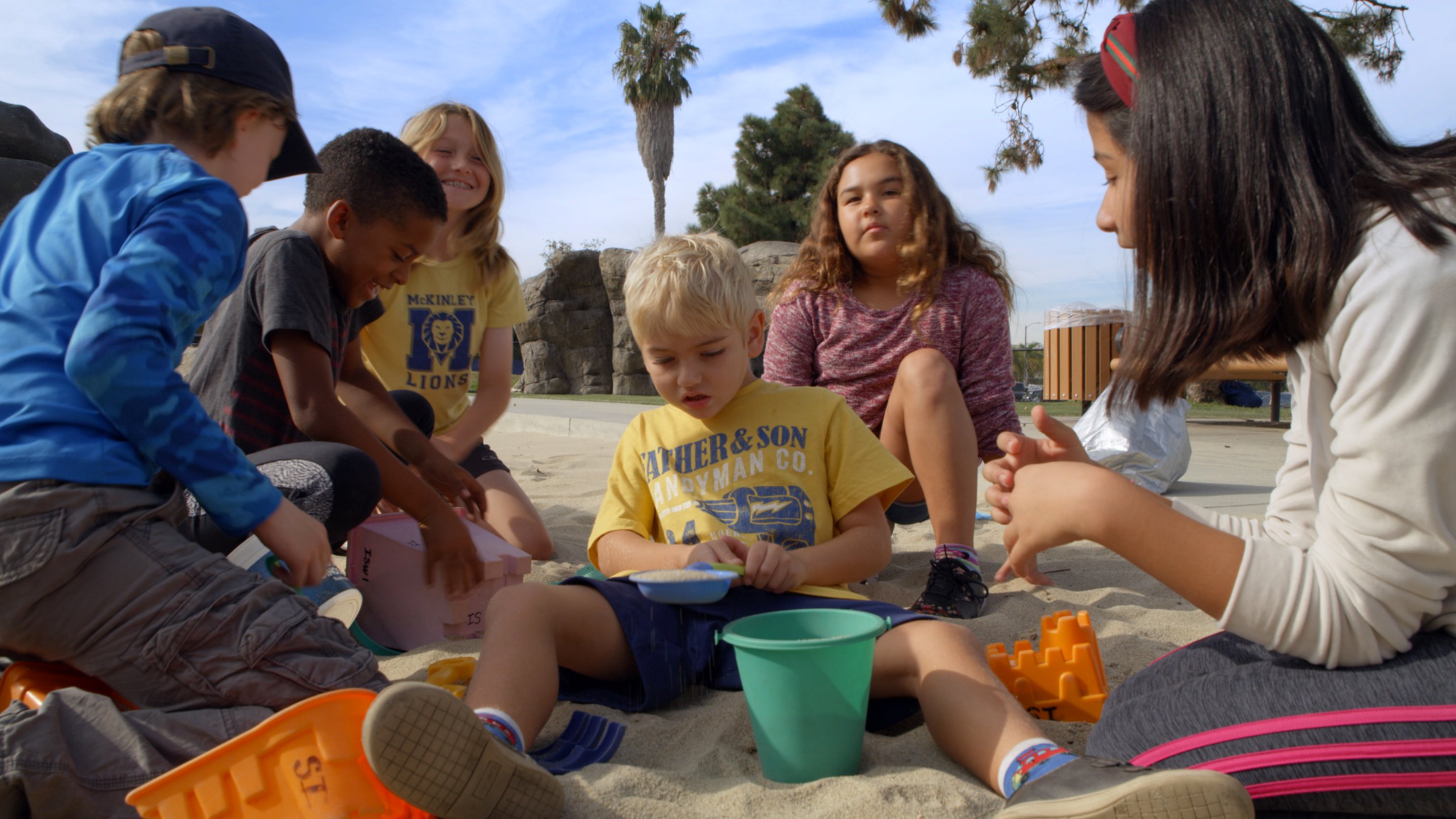
Belonging is built through ordinary moments: being greeted by name, getting picked for a group, laughing during a class activity, sitting with someone at lunch, having a role in a project, and being invited to join something after school. Students do not need a dramatic “Friendship Assembly” with balloons and a fog machine. They need repeated opportunities to know and be known.
Teachers can create those opportunities by using structured cooperative learning instead of allowing the same social groups to form every time. Rotate group roles so every student contributes. Assign meaningful responsibilities such as researcher, discussion leader, materials manager, technology helper, recorder, or presenter. Avoid giving students with disabilities only passive jobs, such as holding papers or watching others complete the real task.
Peer support works best when it is respectful and mutual. A peer buddy should not become a mini-teacher, babysitter, or permanent escort. Instead, students can collaborate around shared goals: completing a lab, rehearsing a presentation, joining a club, playing a game, or planning a school event. Everyone should have something to offer.
Teach Disability Inclusion as a Normal Part of Community
Students are naturally curious. Silence does not eliminate questions; it simply leaves room for rumors, assumptions, and awkward whispering. Schools can build disability awareness through age-appropriate discussions about fairness, access, different communication styles, and the fact that everyone needs support sometimes.
The tone matters. Avoid turning a student into a classroom lesson without consent. Instead, teach broad concepts: people learn differently, bodies move differently, brains process information differently, and communities work better when access is built in. Picture books, biographies, classroom discussions, disability-positive media, and inclusive examples in lessons can all help students understand that differences are ordinary, not frightening.
When students see disability represented respectfully in books, classroom examples, school announcements, and leadership opportunities, they receive a powerful message: “You are not an exception to our community. You are part of it.”
Make Relationships a Schoolwide Priority
A student can have a beautifully written IEP and still feel invisible. Paperwork matters, but relationships are what students experience every day. A caring adult who notices a student’s interests, checks in after a difficult moment, and celebrates small progress can become a major source of stability.
Schools can strengthen belonging by making sure every student has at least one trusted adult. This might be a homeroom teacher, counselor, coach, librarian, bus driver, speech-language pathologist, paraprofessional, or office staff member. The title matters less than the consistency.
Simple routines make a difference:
- Greet students by name at the door.
- Use short check-ins such as “What is one thing you need today?”
- Notice effort, growth, humor, kindness, and creativitynot only grades.
- Follow up after absences, conflicts, or visible frustration.
- Speak to students directly instead of speaking only to aides or caregivers.
- Learn students’ interests, strengths, and preferred ways to communicate.
These practices may sound basic because they are basic. But basic does not mean unimportant. A student who hears “I’m glad you’re here” on a hard morning may remember it far longer than the worksheet that followed.
Use Strength-Based Language and Presume Competence
Language shapes expectations. When adults describe students only through deficits, labels, behaviors, or test scores, students can absorb that story. Phrases such as “low functioning,” “noncompliant,” “attention-seeking,” or “cannot do grade-level work” often flatten a complex young person into a narrow problem statement.
A strength-based approach does not pretend challenges do not exist. It simply begins with the whole student. For instance, instead of saying, “He refuses to participate,” an educator might ask, “What is making participation difficult, and what supports would help him engage?” Instead of saying, “She is too shy to present,” a teacher might offer options for presenting through video, a small group, a partner, or a recorded explanation.
Presuming competence is especially important for students who use alternative communication, need significant support, or have disabilities that affect speech, behavior, or processing speed. Students should be given meaningful choices, challenging content, time to respond, and opportunities to show understanding in different ways. Do not confuse a different communication style with a lack of ideas. Many students have more to say than adults have taken the time to hear.
Prevent Bullying, Harassment, and Social Exclusion
Belonging cannot grow in a place where students expect ridicule. Students with disabilities may face greater bullying risk because of visible differences, social communication challenges, accessibility needs, or environments that tolerate intolerance. National data show that bullying remains a significant school concern, and federal guidance recognizes that disability-based bullying can become unlawful harassment when it creates a hostile environment.
Schools need more than a once-a-year anti-bullying assembly with dramatic music and a slideshow that everyone forgets by lunch. Effective prevention requires clear expectations, adult supervision in common problem areas, easy reporting options, prompt responses, and follow-through.
Teachers should also watch for quieter forms of exclusion. A student may not be called names, yet still be ignored during group work, left out of birthday invitations, excluded from games, or treated as a class mascot rather than a real friend. Social exclusion can be harder to document, but students feel it deeply.
Respond Without Blaming the Target
When a student reports bullying, avoid asking questions that suggest the student caused it. “Why did you react that way?” may be useful later in a supportive conversation, but it should not replace the school’s responsibility to address harmful behavior. Start with safety, documentation, communication, and support.
For students with disabilities, teams may need to review whether bullying is affecting attendance, participation, emotional regulation, academic progress, or access to services. IEP and Section 504 teams can consider additional supports when needed, including counseling, transportation adjustments, adult check-ins, social supports, or changes to routines. The goal is not simply to stop an incident. It is to restore the student’s confidence that school is still a place where they belong.
Give Students Real Voice and Choice
Belonging grows when students have some control over their own learning and school experience. Students with disabilities are often surrounded by adults making decisions about schedules, accommodations, behavior plans, goals, therapies, and transitions. Adult expertise matters, but students should not become spectators in their own education.
Invite students to share what helps them learn, what makes school stressful, how they prefer to communicate, and which goals matter to them. Younger students can choose tools, seating, partners, or ways to show learning. Older students can participate in IEP meetings, discuss transition goals, identify accommodations that work, and practice self-advocacy.
Choices do not need to be enormous to be meaningful. A student might choose whether to read silently or listen to an audio version, complete a project alone or with a partner, take a sensory break before or after lunch, or answer orally instead of writing a lengthy response. Student autonomy is associated with stronger engagement and a greater sense of belonging.
Include Students in Clubs, Sports, Arts, and School Traditions
Belonging is not built only in academic classes. It also grows in band rooms, robotics clubs, theater rehearsals, student councils, lunch periods, field days, school dances, art shows, and Friday-night games. Students with disabilities should have meaningful opportunities to participate in the parts of school culture that other students enjoy.
That may require planning. A student using a wheelchair may need an accessible route to the auditorium. A student with sensory sensitivities may benefit from a quiet area during a pep rally. A student who communicates differently may need a supported role in student government. A student who needs extra processing time may need advance notice before joining a club activity.
Adaptation is not a favor. It is how schools make community real. A school that says “everyone is welcome” but cannot make its field trip, concert, website, cafeteria line, or after-school club accessible is sending mixed messages. Public schools must provide equal opportunity to participate in programs and activities, including effective communication and appropriate modifications when needed.
Partner With Families Without Treating Them Like Emergency Contacts
Families often know what helps their children regulate, communicate, recover from setbacks, and feel confident. They may also know which school experiences have caused harm in the past. A parent or caregiver may arrive at a meeting with a thick binder, a tired smile, and the emotional stamina of someone who has explained the same needs seventeen times. Listen closely.
Strong school-family partnerships are proactive, not crisis-only. Instead of contacting families only when something goes wrong, share positive observations, upcoming changes, classroom successes, and specific questions. Ask families what “belonging” looks like for their child. One student may want a close friend. Another may want to join the morning announcements. Another may want adults to stop hovering during lunch.
Families should be treated as collaborators, not as obstacles or spectators. The most effective communication is clear, respectful, accessible, and free of jargon. “We noticed Jordan is most engaged when he has a visual checklist. What works at home?” is usually more helpful than a long paragraph of acronyms that sounds like it escaped from a government printer.
Build Systems That Support Belonging, Not Just Individual Heroics
One caring teacher can make a huge difference, but a school should not depend on a few superheroes with color-coded planners and suspiciously endless energy. Belonging needs systems.
School leaders can support inclusion by providing ongoing professional development on disability awareness, accessible instruction, de-escalation, communication supports, culturally responsive practices, and collaborative teaching. Teams should review discipline data, attendance data, student surveys, and participation rates to identify patterns. Are students with disabilities excluded from field trips more often? Are they overrepresented in removals from class? Are they joining clubs, leadership roles, and advanced courses?
Positive Behavioral Interventions and Supports, or PBIS, can help schools establish predictable routines, clear expectations, and layered supports before behavior concerns become crises. When implemented thoughtfully and equitably, PBIS emphasizes prevention, positive school climate, and reducing unnecessary exclusionary discipline.
Restorative practices can also help schools repair relationships after conflict. Rather than asking only, “What rule was broken?” adults can ask, “Who was affected? What happened? What support is needed? How can trust be rebuilt?” That approach does not remove accountability. It makes accountability more human.
Practical Experiences: What Belonging Can Look Like in Real Schools
In many schools, the biggest improvements do not begin with a giant grant, a glossy initiative, or a committee that needs three months to choose a logo. They begin with adults noticing the small moments when students are pushed to the edge of school life.
Consider an elementary student with autism who spends recess walking laps near the fence. Staff may initially assume the student prefers being alone. But after a teacher asks what the student enjoys, they learn the child loves collecting facts about animals. The teacher starts a lunchtime “Creature Club” where students trade animal facts, draw habitats, and make short presentations. The student is no longer “the kid who walks alone.” They become the person everyone asks when they want to know whether octopuses have bones.
In a middle school classroom, a student with dyslexia may avoid reading aloud because past experiences made public reading feel like a trapdoor. Instead of forcing the student to perform the same task in the same way as everyone else, the teacher provides an audio version of the text, allows preparation time, and gives students several participation options. Over time, the student volunteers to explain the chapter during a small-group discussion. The change is not magic. It is access plus trust.
High school students often describe belonging in practical terms. They want teachers to know their names, respect their accommodations without making a scene, and avoid treating them as though their disability is their entire personality. A student with ADHD may feel more connected when a teacher discreetly posts a checklist, provides a brief transition reminder, and frames movement breaks as a normal learning tool instead of a punishment. The student gets support without being turned into the daily classroom headline.
Another common experience involves group work. Students with disabilities are sometimes assigned easy tasks because classmates assume helping means doing the work for them. A more inclusive teacher structures roles so every student contributes meaningfully. A student who uses speech-to-text might become the team’s lead researcher. A student who communicates through an AAC device might present a prepared section. A student who needs visual supports might manage the project timeline. The message is clear: contribution is not one-size-fits-all.
Families often notice belonging through changes that adults might overlook. A child starts talking about classmates at dinner. A teenager asks to attend a school event instead of finding a reason to skip it. A student who once hid their hearing aids, communication device, mobility support, or learning accommodation begins using it without apology. These are not small victories. They show that school has become less about surviving the day and more about participating in it.
Teachers also report that inclusive practices improve the classroom for everyone. Visual directions help students who missed an instruction. Flexible ways to show learning support students with anxiety, language differences, or temporary injuries. Clear routines reduce confusion for the whole class. When schools design for a wider range of learners, they often discover that accessibility is not a detour from good teaching. It is good teaching with the doors unlocked.
The most memorable school communities do not expect students with disabilities to prove they deserve a place. They assume every student belongs from the start. Then they do the daily work of making that statement true.
Conclusion
Improving K-12 students with disabilities’ sense of belonging is not about lowering expectations or creating a separate version of school. It is about building a school where students can access learning, form real relationships, use support without shame, and contribute to the community in meaningful ways.
Inclusive classrooms, accessible instruction, peer connection, student voice, family partnership, proactive anti-bullying practices, and respectful behavior support all work together. When schools treat belonging as a core condition for learning rather than a bonus feature, students with disabilities are more likely to participate, persist, and see themselves as valued members of the school community.
Note: This article is a general educational resource. Individual supports, accommodations, and services should be determined through each student’s IEP, Section 504 plan, school team, family input, and applicable local, state, and federal requirements.