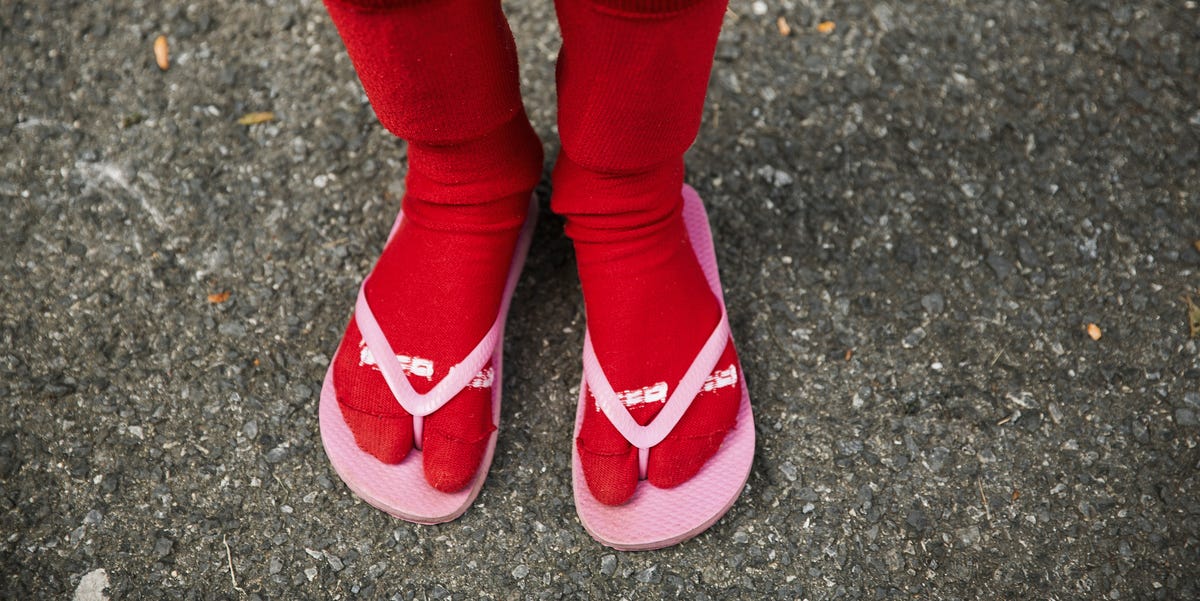
Flip flops are supposed to be the easygoing friends of the shoe world. You slide them on, head toward the pool, the beach, the mailbox, or a summer barbecue, and life is breezy. Then, somewhere between “I’ll just walk a few blocks” and “Why does every step feel personal?” the toe post starts rubbing.
That tiny strip between your toes can turn into a red, sore hot spot faster than a popsicle melts on a driveway. The good news is that flip flops rubbing your feet is usually a fixable problem. You do not need to accept blisters as the official tax for wearing summer shoes.
The key is to stop the friction early. A rubbing flip flop usually involves one or more of three troublemakers: poor fit, moisture, or a rough strap or toe post. Address those issues before your skin reaches its dramatic “I am forming a blister and nobody can stop me” phase.
Why Do Flip Flops Rub Your Feet?
Flip flops can rub because they do not hold the foot as securely as sneakers or closed shoes. Your toes grip the sole as you walk, your heel may slide around, and the toe post can repeatedly press against the skin between your first and second toes. Add heat, sweat, sand, or a long walk, and you have created a tiny friction festival.
Rubbing can lead to chafing, redness, sore skin, calluses, and friction blisters. A blister forms when repeated rubbing or pressure irritates the skin enough that fluid collects beneath its outer layer. In other words, your body is trying to cushion a problem that your flip flops started.
New flip flops are often the worst offenders. Stiff rubber, rough seams, tight straps, and poorly finished toe posts can all irritate skin that has not yet adjusted to the material. Older flip flops can be troublemakers too, especially when the sole has worn unevenly or the toe post has become rough, cracked, bent, or loose.
Start With the Fit: The Biggest Fix for Rubbing Flip Flops
Before buying blister bandages by the dozen, check whether the flip flops actually fit. A pair that is too small, too narrow, too loose, or too floppy can keep rubbing no matter how much anti-chafing balm you apply.
Check the Length of the Sole
Your heel and toes should sit comfortably inside the edges of the sole. Your heel should not hang off the back, and your toes should not creep over the front like they are trying to escape. When your foot is too close to the edge, it slides more with every step. That repeated movement increases pressure and friction around the toe post and straps.
Make Sure the Straps Are Snug but Not Aggressive
A flip flop strap should keep the shoe in place without squeezing your foot. If it is too loose, your foot will slide forward and sideways. If it is too tight, the strap can dig into the skin on top of your foot or between your toes.
Walk around indoors for a few minutes. Notice whether you are constantly curling your toes to keep the flip flop from flying away. That is a clue that the shoe is too loose or lacks enough structure for the activity you have planned.
Try Both Shoes, Not Just One
Feet are not identical twins. One may be slightly longer, wider, or more sensitive than the other. Try on both flip flops and take several steps before deciding they fit. A pair that feels fine while standing still may become annoying the moment you start walking.
Stop Rubbing Before It Becomes a Blister
The best time to deal with flip flop friction is at the first sign of discomfort. Do not wait for a sore spot to become raw. When the skin starts feeling warm, stingy, tender, or unusually sensitive, that is your cue to intervene.
Use a Friction Barrier on Hot Spots
A thin layer of petroleum jelly or an anti-chafing balm can reduce rubbing on intact skin. Apply a small amount to the spot that usually gets irritated, such as the area between your toes or the top of your foot where a strap rubs.
Keep the layer light. Too much product can make your foot slide around inside the flip flop, which defeats the purpose and may create a new rubbing problem somewhere else. This is a “thin protective layer” situation, not a “marinate your feet” situation.
Use Moleskin, Soft Tape, or a Blister Bandage
If one exact spot keeps rubbing, protect it before leaving the house. Moleskin, soft adhesive padding, or a blister bandage can create a barrier between your skin and the flip flop. Choose a product that stays in place when you walk and does not bunch up around the toe post.
For an existing sore area, padding around the painful spot can help reduce direct pressure. A donut-shaped piece of moleskin can be useful because it surrounds the tender area instead of pressing directly on it.
Keep Your Feet Dry
Sweaty feet are more likely to chafe. Moisture softens the skin and makes it easier for repeated rubbing to cause irritation. Before wearing flip flops for a longer walk, dry your feet well after bathing or swimming.
If you tend to have sweaty feet, a foot powder may help keep moisture under control. Carrying a small towel in a beach bag or backpack can also be surprisingly useful. Dry feet may not sound glamorous, but neither is limping through a vacation because your sandals turned into tiny torture devices.
Inspect the Toe Post and Straps
Sometimes the problem is not your foot. Sometimes the flip flop is simply being rude.
Run your fingers along the toe post, strap edges, stitching, and underside of the sole. Look for rough rubber, sharp plastic, exposed fabric edges, loose threads, hardened material, or a raised seam. Even a small rough patch can feel enormous after a few thousand steps.
Replace Rough or Damaged Flip Flops
If the toe post is cracked, scratchy, or sharply molded, replacing the pair is usually the smartest move. A bargain pair is not such a bargain when it costs you a week of painful walking.
You can sometimes cover a minor rough area with a soft protective strip or padding, but do not attempt to rescue a flip flop that is splitting apart or has a toe post pulling loose from the sole. A sudden sandal failure in a parking lot is not a summer memory anyone needs.
Choose Softer Materials
When shopping for more comfortable flip flops, look for soft, flexible straps and a smooth toe post. Some people tolerate fabric straps, foam footbeds, cushioned soles, or softer leather better than hard plastic.
Also pay attention to how easily the sole bends. Extremely flimsy flip flops can force your toes to work overtime to keep the shoe on. A more supportive sole with enough cushioning and stability may reduce how much your foot shifts while walking.
Break In New Flip Flops Slowly
New flip flops should not require a heroic endurance test. Wear them around the house for short periods first. Then try a quick errand, a brief walk, or a low-stakes outing before making them your official footwear for a full day at an amusement park.
Start with 15 to 30 minutes, then check your feet. Look for redness, tender spots, rubbing between the toes, or strap marks that linger. If a spot hurts, stop wearing the pair for the day and protect the area.
The goal is not to “toughen up” by walking through pain. The goal is to find out whether the shoe can become comfortable with limited use. If it keeps rubbing after several short tries, it is probably a poor match for your feet.
When Flip Flops Are the Wrong Shoe for the Job
Flip flops are convenient for quick, casual use, especially near pools, locker rooms, beaches, and showers. But they are not ideal for long walks, hiking trails, workouts, running errands across town, uneven sidewalks, or anything that requires stability and support.
For long periods on your feet, consider a supportive sandal with adjustable straps, cushioning, better arch support, and a sole that stays firmly under your foot. Your feet should not have to perform emergency toe-gripping exercises every time you take a step.
Flip flops are especially likely to cause trouble when you wear them during activities that make your feet sweat, swell, or slide. A hot outdoor festival, a full day at a theme park, or a long sightseeing walk may call for more supportive footwear.
How to Treat a Flip Flop Blister or Raw Spot
Even careful people sometimes end up with a blister. Maybe you walked farther than expected. Maybe the sidewalk was hotter than the surface of the sun. Maybe you trusted a new pair of flip flops after wearing them for only six minutes. It happens.
For an Unbroken Blister
Keep the area clean and protect it from more rubbing. The skin over the blister acts as a natural shield, so it is generally best not to pop it. Cover the area with a clean blister bandage, moleskin, or soft dressing that reduces pressure.
Switch to shoes that do not rub the area until it heals. This may be the moment to choose roomy sandals, soft slides, breathable shoes, or a pair of sneakers with comfortable socks, depending on where the blister is located.
For a Blister That Has Opened
Wash the area gently with soap and water, keep it clean and dry, and cover it with a nonstick dressing. Avoid peeling away the loose skin unless a health professional advises otherwise, because that skin may still protect the tender area underneath.
Do not put the same rubbing flip flops back on and hope for a different ending. That is not optimism. That is a sequel nobody asked for.
Know When to Get Medical Advice
Seek medical care if you notice spreading redness, warmth, swelling, pus, worsening pain, fever, or red streaks around a blister. Also get professional guidance if blisters keep appearing without an obvious cause, do not improve, or happen along with a widespread rash.
People with diabetes, poor circulation, neuropathy, immune system concerns, or a history of foot ulcers should be especially cautious. A small sore can become more serious when sensation or healing is affected.
A Quick Routine to Prevent Flip Flop Rubbing
- Choose flip flops that fit your full foot without overhang.
- Check the toe post and straps for rough edges before wearing them.
- Dry your feet well, especially after swimming or showering.
- Apply a thin friction barrier to known hot spots on intact skin.
- Use moleskin or a blister bandage when one spot repeatedly rubs.
- Break in new flip flops with short indoor or low-walking sessions.
- Switch to supportive shoes for long walks, heat, travel days, or uneven ground.
- Stop wearing the pair as soon as you notice pain or redness.
Real-Life Experiences: What Usually Works When Flip Flops Rub
Most people have at least one pair of flip flops that looked harmless on a store shelf and turned into a foot problem by lunchtime. The classic story goes something like this: You buy a cute pair for vacation, wear them around your hotel room for approximately seven minutes, decide they are fine, and then walk three miles along a boardwalk. By dinner, the space between your toes feels as though it has filed a formal complaint.
One of the most useful lessons from real-life flip flop disasters is that pain rarely improves just because you ignore it. The first warm, burning, or pinching sensation is usually the warning sign. People who stop early, add padding, switch shoes, or take a break often avoid the full blister situation. People who keep walking because they are “almost there” tend to end up walking like they are crossing hot coals by the time they finally arrive.
Another common experience is discovering that the cheapest flip flops are often fine for a two-minute trip to the pool but not for a full day of errands. Thin soles offer little cushioning, stiff toe posts may rub quickly, and loose straps make toes grip constantly. A pair can be perfectly acceptable for the shower, but terrible for sightseeing. That does not make the flip flop evil; it simply means it has a very limited job description.
People also learn that material matters more than expected. Hard plastic straps can feel slippery and harmless at first, but sweat can make the rubbing worse. Softer straps, cushioned footbeds, and a smoother toe post may feel dramatically better. Some people find that a slight difference in strap shape changes everything. A wider strap can spread pressure more evenly, while a narrow strap can concentrate irritation in one annoying little spot.
Many frequent flip flop wearers keep a small “foot rescue kit” in a beach bag or travel pouch. It may include blister bandages, moleskin, a small towel, foot powder, and an anti-chafing balm. That might sound excessive until you have had to buy overpriced emergency sandals from a tourist shop because your favorite pair turned into a blister factory. Prepared people are not dramatic. They are simply people who have learned from previous sandal betrayal.
There is also a practical lesson about switching shoes. If your feet start rubbing during a long day, changing into sneakers, supportive sandals, or even soft slides can make a big difference. It is easier to prevent a problem than to recover from one. Experienced travelers often keep a backup pair of comfortable shoes in the car or hotel room for exactly this reason.
Finally, the biggest real-world takeaway is simple: comfortable flip flops should feel comfortable right away. They do not need to become your soulmate on the first wear, but they should not feel like a negotiation. If a pair keeps causing red marks, blisters, toe-post irritation, or aching feet, it is okay to let them go. Summer has enough problems already. Your shoes do not need to be one of them.
Conclusion
Knowing how to stop your flip flops from rubbing comes down to acting early and choosing footwear that works with your feet instead of against them. Check the fit, keep skin dry, protect hot spots, inspect rough toe posts, and avoid turning flimsy flip flops into all-day walking shoes.
A little prevention can save you from painful blisters, awkward limping, and the deeply inconvenient experience of trying to enjoy a summer outing while every step feels like a personal attack. Your flip flops should help you relax, not make you rethink every life decision that brought you to the sidewalk.