At first glance, a Shiba Inu can look like a fox that upgraded its lifestyle, hired a personal trainer, and learned how to judge you from across the room. Compact, confident, and famously expressive, this Japanese dog breed has become one of the most recognizable small-to-medium dogs in the world. But identifying a Shiba Inu correctly is not always as simple as spotting pointy ears and a curly tail. Several breeds and mixes can share similar features, from Akitas and Finnish Spitz dogs to Korean Jindos and “mystery fluffballs” at the dog park.
This guide breaks the process down into three practical ways: studying the Shiba Inu’s physical appearance, checking its coat and color pattern, and observing its personality and movement. Whether you are researching before adoption, trying to identify a rescue dog, or simply wondering whether your neighbor’s dog is a Shiba Inu or a tiny opinion with legs, these tips will help.
Way 1: Look Closely at the Shiba Inu’s Body Shape and Face
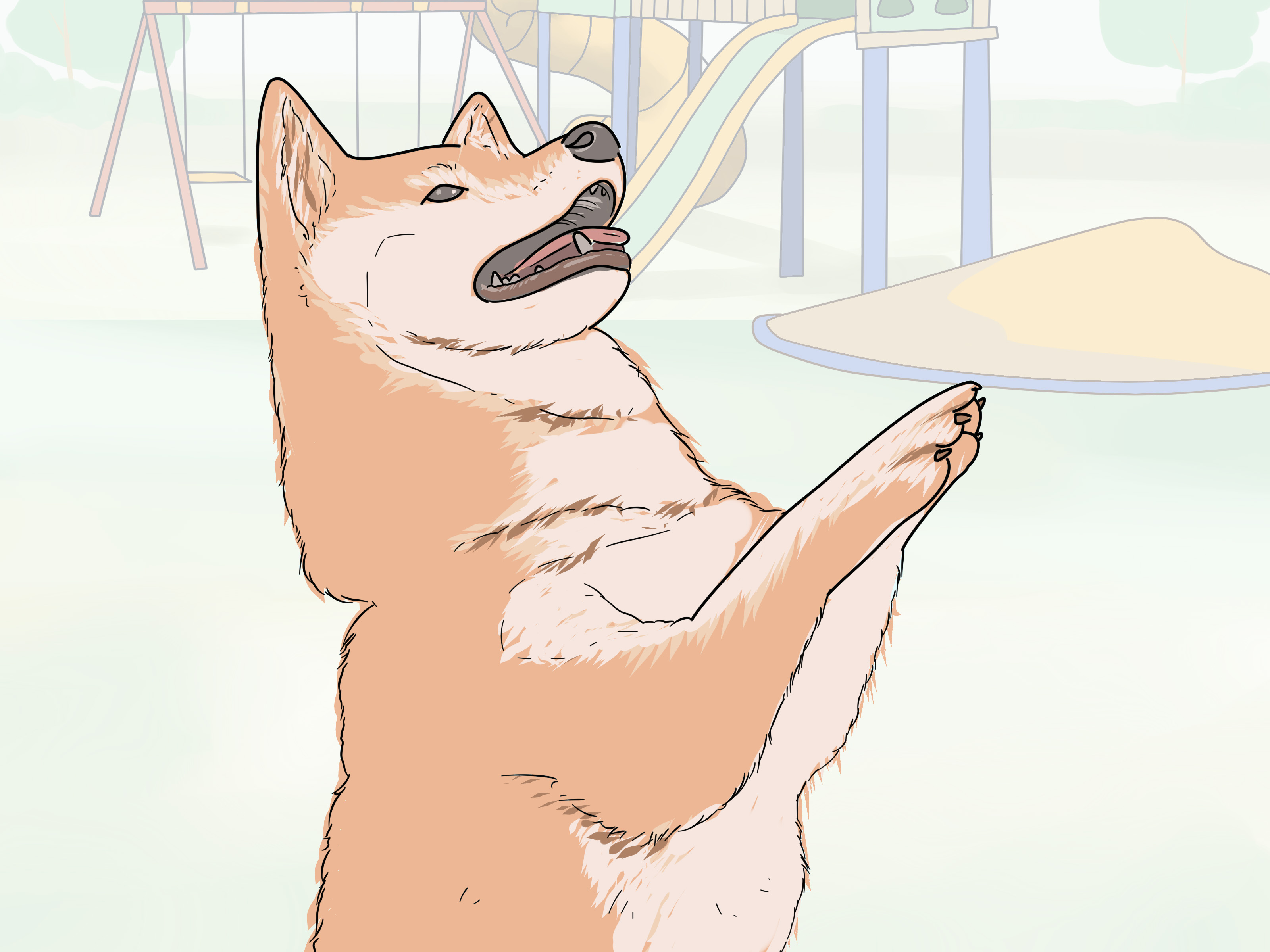
The easiest place to begin is the overall silhouette. A purebred Shiba Inu is a sturdy, athletic dog with a compact frame. It is not a toy breed, but it is not large either. Adult males are typically around 14.5 to 16.5 inches tall at the shoulder and often weigh about 23 pounds. Adult females are usually slightly smaller, around 13.5 to 15.5 inches tall and about 17 pounds. The result is a dog that looks small enough for apartment life but strong enough to hike like it has a secret mountain-climbing membership.
The Shiba Inu Has a Balanced, Muscular Build
A Shiba Inu should look well-proportioned, never fragile or overly bulky. The chest is moderately developed, the back is firm, and the body appears slightly longer than tall. This balance gives the breed its agile, ready-for-action appearance. Shibas were originally developed in Japan for hunting in mountainous terrain, so their bodies are built for quick turns, alert movement, and confident footing.
When identifying a Shiba Inu, avoid focusing on size alone. A young Akita may look similar but will grow much larger. A mixed-breed dog may have a Shiba-like tail but a longer body, narrower chest, or softer structure. The Shiba’s body should give the impression of controlled power in a small packagelike a sports car that also sheds on your couch.
Check the Fox-Like Head and Expression
The Shiba Inu’s face is one of its biggest giveaways. The breed has a broad forehead, a moderate stop, a slightly tapered muzzle, and dark, somewhat triangular eyes. The expression is alert, intelligent, and independent. Many Shibas appear to be constantly evaluating whether your plan meets their standards. Spoiler: it probably does not.
The ears are small, triangular, and firmly upright. They tilt slightly forward, which adds to the breed’s alert look. The nose is usually black, and the lips should be tight rather than droopy. A Shiba Inu does not have the loose facial skin of a hound or the rounded, babyish face of some companion breeds. The head is clean, sharp, and fox-like without looking delicate.
Notice the Signature Curled Tail
One of the classic Shiba Inu features is the tail. It is thick, strong, and carried curled over the back or in a sickle shape. A proper Shiba tail is not thin or whippy. It should look plush and substantial, matching the breed’s double coat. Some Shibas carry their tails in a tight curl, while others have a looser curve. Either way, the tail usually sits proudly over the back like a furry question mark.
However, a curled tail alone does not prove a dog is a Shiba Inu. Akitas, Basenjis, Spitz-type dogs, and many mixed breeds can also have curled tails. Use the tail as one clue in a larger checklist that includes size, head shape, coat, color, and behavior.
Way 2: Examine the Coat, Color, and “Urajiro” Markings
The Shiba Inu coat is another major identification tool. Shibas have a short, dense double coat. The outer coat is straight and somewhat stiff, while the undercoat is soft and thick. This combination gives the dog a plush but not long-haired appearance. A Shiba should not have flowing feathering like a Shetland Sheepdog or a silky coat like a spaniel. The coat is practical, weather-resistant, and very good at relocating itself onto your clothing.
Understand the Main Shiba Inu Colors
Common Shiba Inu colors include red, red sesame, black and tan, and cream. Red is the most widely recognized color and gives the Shiba its famous fox-like look. Red sesame means the dog has a red base coat with black-tipped hairs distributed across the body. Black and tan Shibas have a dark coat with tan points and lighter markings. Cream Shibas are pale, soft-looking, and beautiful, though cream is not preferred in some show standards because the required contrast markings can be harder to see.
Color can help, but it should not be your only deciding factor. A red dog with a curly tail is not automatically a Shiba Inu. Likewise, not every Shiba is red. Black and tan Shibas are especially distinctive when they have clear facial markings, tan points, and cream-to-white areas in the correct places.
Look for Urajiro, the Light Underside Marking
One of the most important Shiba Inu markings is called urajiro. This term refers to cream or whitish markings on specific areas of the dog, such as the sides of the muzzle, cheeks, under the jaw, throat, chest, belly, inside the legs, and underside of the tail. On red and sesame Shibas, urajiro creates the classic contrast that makes the breed look so bright and expressive.
Think of urajiro as the Shiba’s built-in highlight feature. It gives the face a lively shape and helps define the body. If a dog has a solid red coat without any light markings, it may still have Shiba ancestry, but it does not match the typical breed appearance as closely. On black and tan Shibas, the light markings combine with tan points to create a dramatic, mask-like pattern.
Expect Seasonal Shedding
Shiba Inus are famous for shedding. Many owners joke that Shibas shed twice a year: once for six months and then again for the next six months. In reality, they often “blow coat” seasonally, releasing large amounts of undercoat. During these periods, a Shiba may look slightly fluffier, patchier, or surrounded by small tumbleweeds of fur.
If you are identifying a Shiba Inu in person, touch can help. The coat should feel dense and resilient, not silky, curly, or wiry. The fur stands slightly away from the body because of the undercoat. A healthy Shiba’s coat gives the dog a neat, natural outline without needing elaborate trimming.
Way 3: Observe Temperament, Movement, and Behavior
Physical traits are important, but Shiba Inu behavior can be just as revealing. This breed is known for being alert, independent, intelligent, clean, and bold. A Shiba Inu often behaves less like a clingy lapdog and more like a tiny roommate who pays no rent but has strong opinions about the furniture.
Watch for Confident Independence
Many Shibas are affectionate with their families but reserved with strangers. They may not rush toward every visitor with golden-retriever enthusiasm. Instead, they often pause, assess, and decide whether the person deserves their attention. This does not mean the dog is unfriendly. It means the Shiba is selective.
Shibas are intelligent, but they are not always eager to obey just because a human asked nicely. They can learn commands quickly, then choose whether the command seems worth performing. This independent streak is one reason early socialization and positive training are so important. A well-raised Shiba can be loyal, charming, and beautifully mannered. An undertrained Shiba may become a professional escape artist with a side business in selective hearing.
Notice Clean, Agile Movement
A Shiba Inu usually moves with quick, light, efficient steps. The gait should look smooth and balanced, not clumsy or heavy. Because the breed was developed for hunting in rough terrain, Shibas tend to be agile and sure-footed. They often turn quickly, jump confidently, and move with the alertness of a dog that has already noticed the squirrel you have not seen yet.
The posture is also distinctive. Shibas often stand proudly with ears forward, tail curled, and eyes focused. They look awake to the world. Even when relaxed, they rarely look sloppy. A sleeping Shiba may resemble a cinnamon roll, but once upright, the breed usually returns to its dignified little-samurai stance.
Listen for the Famous “Shiba Scream”
Not every Shiba Inu does it often, but the breed is known for a dramatic high-pitched vocalization sometimes called the “Shiba scream.” This sound may happen when a Shiba is excited, frustrated, startled, or deeply offended by nail trimming. It is less of a bark and more of an opera solo from a dog who believes customer service has failed.
Of course, vocalization alone cannot identify the breed. Many dogs make unusual sounds. But when paired with the Shiba’s compact body, fox-like face, double coat, curled tail, and independent personality, this dramatic voice can be one more clue.
Common Breeds Mistaken for Shiba Inus
Because Shiba Inus belong to the broader Spitz-type family, they can be confused with several other breeds. The Akita is one of the most common comparisons, but Akitas are much larger and heavier. A Finnish Spitz may share the red coat and pointed ears but usually has a different head shape and overall proportions. Korean Jindos can also look similar, though they are generally larger and less compact. Mixed-breed dogs may borrow the curled tail, red coat, or prick ears without having the full Shiba package.
The best method is to compare several traits together. A likely Shiba Inu will have a compact muscular body, upright triangular ears, a curled tail, a dense double coat, urajiro markings, and a confident, alert personality. If only one or two traits match, the dog may be a mix or a different Spitz breed.
Quick Shiba Inu Identification Checklist
Physical Features
Look for a small-to-medium, compact, muscular dog with a fox-like head, dark triangular eyes, upright ears, and a curled tail carried over the back.
Coat and Color
Check for a dense double coat in red, red sesame, black and tan, or cream. Look for urajiro markings on the muzzle, cheeks, chest, belly, inner legs, and underside of the tail.
Personality and Behavior
Observe whether the dog is alert, independent, clean, agile, and somewhat reserved with strangers while still loyal to familiar people.
Practical Examples: Is That Dog a Shiba Inu?
Imagine a dog at the park with a red coat, upright ears, curled tail, and white markings on the cheeks and chest. The dog is compact, moves lightly, and watches strangers with polite suspicion. That dog is very likely a Shiba Inu.
Now imagine a similar red dog that is much taller, heavier, and has a broad bear-like head. That may be an Akita or Akita mix. If the dog is leaner, taller, and has a less plush coat, it may be another Spitz-type breed. If the dog has one floppy ear, a long body, and a curled tail, it may be a mixed breed with some Shiba-like features.
For rescue dogs, visual identification can only go so far. DNA testing can provide more clarity, especially when a dog has a blend of traits. Still, learning the classic Shiba Inu features can help you make a smart first guess.
Extra Experience-Based Tips for Identifying a Shiba Inu
One of the best ways to identify a Shiba Inu is to watch how the dog reacts to the world. Many breeds are cute, fluffy, and pointy-eared, but the Shiba has a special presence. It often stands with quiet confidence, as if it has read the room and found everyone mildly amusing. This is not a dog that usually begs for approval from strangers. A Shiba may accept admiration, but it does not necessarily audition for it.
In everyday situations, Shibas tend to show a mix of curiosity and caution. For example, if someone drops a set of keys, a young Labrador might bounce over like the keys are a new best friend. A Shiba may step back, study the object, sniff it carefully, and then decide whether it deserves further investigation. This thoughtful, self-directed behavior is a major part of the breed’s identity.
Another experience-based clue is grooming behavior. Shibas are often described as cat-like because many of them keep themselves surprisingly clean. They may lick their paws, avoid muddy puddles, and dislike being dirty. This does not mean they never roll in questionable outdoor substancesdogs remain dogs, after allbut many Shiba owners notice that their pets have a tidy streak. If you see a dog with a plush coat, curled tail, and a habit of cleaning itself with intense seriousness, you may be looking at a Shiba.
Leash behavior can also offer clues. Shibas usually have strong prey drive and sharp environmental awareness. On a walk, they may suddenly lock onto a squirrel, bird, blowing leaf, or suspicious plastic bag. Their body becomes still, their ears point forward, and their curled tail may tighten. This alert focus comes from their hunting background. Because of this, Shibas are generally not considered reliable off-leash dogs unless they are in a secure area and have exceptional training.
Another sign is the way a Shiba handles personal space. Many Shibas love their families deeply but do not always enjoy being squeezed, grabbed, or carried around. A Shiba may sit near you rather than on you. It may follow you from room to room while pretending this was its idea all along. This loyal-but-independent style can surprise people who expect every small dog to behave like a cuddle machine with paws.
If you are meeting a possible Shiba Inu puppy, remember that puppies can be misleading. Their ears may look oversized, their bodies may not yet show adult proportions, and their tails may change carriage as they mature. Still, Shiba puppies often show early signs of the breed: triangular ears, a plush coat, a curled or curling tail, bright eyes, and a confident attitude. They may be playful, but they often have a thoughtful, slightly mischievous expression, as if they are already planning how to steal a sock and blame gravity.
In shelters or rescues, identification becomes more complicated. A Shiba mix may have the face and tail but not the body size. Another may have the coat and attitude but different ears. Instead of asking, “Is this definitely a Shiba Inu?” ask, “How many Shiba traits does this dog show?” The more traits that line upcompact frame, dense double coat, curled tail, urajiro, fox-like head, independent personality, agile movementthe stronger the case.
Finally, spend time around known Shiba Inus if possible. Breed recognition improves with real-life comparison. Photos help, but seeing a Shiba move, stand, shed, side-eye, and dramatically object to minor inconvenience gives you a much clearer understanding. Once you know the look, the attitude, and the little spark of mischief, Shibas become much easier to spot. They are not just dogs with curled tails. They are compact, clever, ancient-looking companions with enough personality to fill a room and possibly reorganize your expectations about dog ownership.
Conclusion
Identifying a Shiba Inu is easiest when you combine three clues: body structure, coat markings, and behavior. The breed is compact and muscular, with a fox-like face, upright triangular ears, and a curled tail. Its dense double coat usually appears in red, red sesame, black and tan, or cream, often with distinctive urajiro markings. Its personality is alert, independent, intelligent, and loyal, with just enough stubborn charm to keep life interesting.
Whether you are admiring one at the park, researching a future pet, or trying to identify a rescue dog, remember that no single feature tells the whole story. A true Shiba Inu is a complete package: elegant but sturdy, affectionate but independent, clean but heavily shedding, small but full of opinions. In other words, the Shiba Inu is proof that great things come in compact, curly-tailed, judgmental packages.