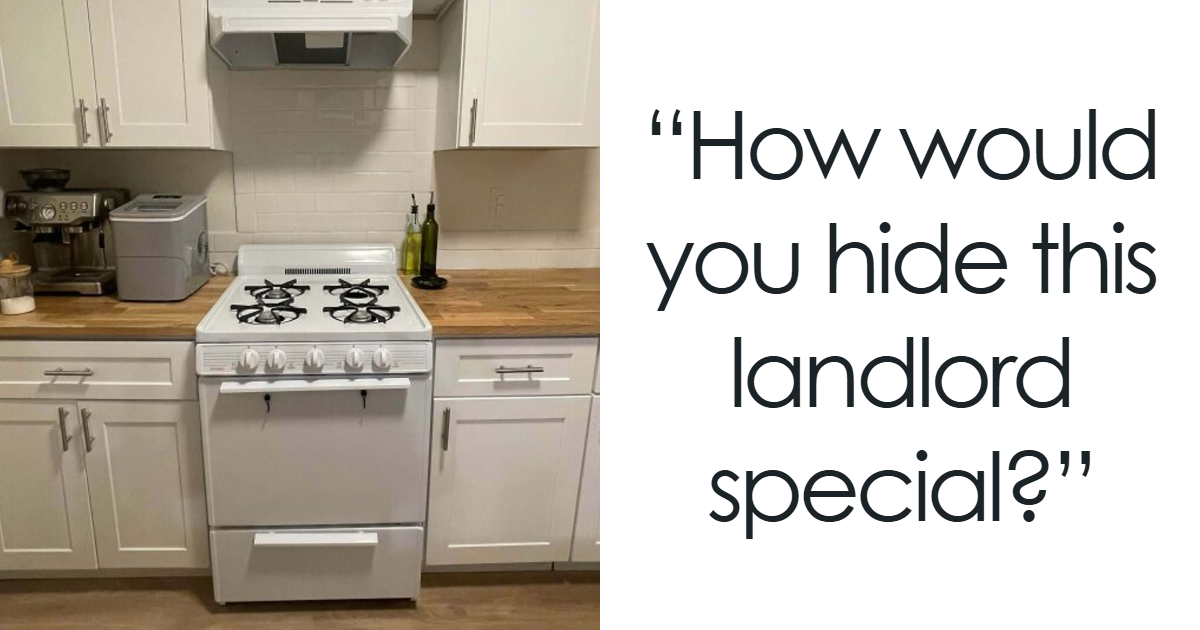
Every renter has a story. Some are mild, like the landlord who painted over a dead bug and called it “texture.” Others are horror-movie level, like the ceiling leak that came with its own indoor weather system. The internet is full of rental nightmares where landlords tried to save ten dollars, skip a professional repair, or pretend duct tape was a licensed contractor. Unfortunately for them, tenants now have cameras, group chats, review sites, and the sacred power of posting receipts.
The phrase “landlord special” exists for a reason. It describes those quick, sloppy fixes that look fine from six feet away if the lights are off and everyone agrees not to breathe. Think painted-over outlets, mystery stains covered with rugs, cabinets hanging on like they have student debt, and “newly renovated” bathrooms where the renovation was apparently one tube of caulk and a dream.
But behind the humor, these rental disasters point to something serious: renters deserve safe, clean, habitable homes. A bad repair is not just ugly. It can create health risks, fire hazards, mold problems, pest infestations, electrical dangers, and legal disputes. So let’s walk through the funniest, most frustrating, and most revealing types of rental nightmares where corner-cutting landlords got exposed.
Why Rental Nightmares Go Viral
Rental nightmares spread online because they hit a nerve. Nearly everyone has rented, helped someone move, or toured an apartment that looked great in the listing and suspiciously damp in real life. The gap between “cozy vintage charm” and “the stove has emotional trauma” is where viral content is born.
Photos of bad landlord repairs are especially shareable because they are instantly understandable. A door painted shut does not need a legal explanation. A smoke alarm dangling by one wire does not require a three-part podcast. You see it, you gasp, and then you send it to your friend with the caption: “At least our place only has one haunted pipe.”
These stories also expose power imbalance. Tenants often pay application fees, deposits, moving costs, and rising rent before discovering hidden problems. When a landlord cuts corners, the renter is usually the one living with the consequences. That is why public exposure can feel like a tiny burst of justice wrapped in a meme.
The Classic “Landlord Special” Repairs
1. Paint As A Personality Type
Some landlords do not repair; they repaint. Cracked tiles? Paint. Rusty hinges? Paint. Window stuck shut? More paint. A mystery object on the wall that may be a nail, a screw, or a fossilized raisin? Paint it beige and move on.
The worst examples include outlets painted shut, light switches sealed like ancient tombs, and bathroom tiles coated with wall paint that peels the moment steam enters the chat. Paint is not a structural solution. It is makeup for a building, and even makeup needs clean skin underneath.
2. Caulk Mountains
Caulk is useful when applied correctly. In rental nightmares, it becomes cake frosting for plumbing sins. Tenants have shared sinks surrounded by white blobs, bathtubs sealed with uneven rubbery ridges, and windows where caulk appears to be doing the job of wood, glass, and prayer.
A proper repair fixes the source of a gap, leak, or failure. A lazy repair simply hides it until the next tenant discovers that the “fresh bathroom update” is actually a moisture problem wearing a silicone hat.
3. Duct Tape Engineering
Duct tape can save a camping trip. It should not be the backbone of a rental property. Yet renters have reported taped pipes, taped vents, taped appliances, taped screens, and taped cabinet doors. At some point, the apartment stops being a home and becomes a craft project with rent.
The funny part is how confidently these fixes are presented. “Maintenance completed,” says the message, while a pipe under the sink looks like it just survived a minor alien invasion.
When Cheap Repairs Become Real Hazards
Not every bad repair is merely ugly. Some corner-cutting can make a rental unsafe. Loose stair rails, broken locks, missing smoke alarms, damaged electrical outlets, water leaks, pest infestations, and mold growth are not cosmetic quirks. They can affect health, safety, and basic habitability.
Water damage is one of the biggest red flags. A landlord may want to paint over a ceiling stain and call it solved, but stains often mean an active or repeated leak. If moisture stays trapped, mold can grow, materials can weaken, and the same spot can return like a villain in a sequel nobody requested.
Mold is another issue renters take seriously. It may cause irritation and breathing symptoms for some people, and it can be worse for people with asthma, allergies, or weakened immune systems. The real solution is not perfume, paint, or “just open a window.” The moisture source has to be found and fixed.
Electrical shortcuts are even scarier. Painted outlets, sparking switches, exposed wiring, overloaded power strips, and broken fixtures should never be shrugged off. A rental home should not make tenants wonder whether turning on the hallway light is a normal activity or a boss fight.
64 Rental Nightmares, Grouped By The Crimes Against Common Sense
Instead of copying anyone’s list, here are the major categories that show up again and again in real rental horror stories:
Kitchen Chaos
Tenants have reported cabinets installed crooked, drawers that cannot open because they hit the stove, refrigerators blocking doorways, and “updated” counters made from materials that stain if you look at them with tomato sauce. A common corner-cut is replacing only the visible part of a kitchen while leaving rotten undersides, old leaks, and unsafe wiring untouched.
Bathroom Betrayals
The bathroom is where cheap repairs go to confess. Painted tubs, loose toilets, wobbly vanities, blackened grout, mystery smells, and showerheads mounted at chin height all make regular appearances. A bathroom must handle water every day, so lazy waterproofing is not just annoying. It is a future repair bill wearing flip-flops.
Door And Lock Disasters
A door that does not close, a lock that sticks, or a window that cannot latch is not a minor inconvenience. Security matters. Some landlords try to “adjust” locks with random screws, shave doors unevenly, or ignore broken entry points. Tenants quickly expose these fixes because nobody wants to pay full rent for a home guarded by vibes.
Heating, Cooling, And Hot Water Games
Renters often complain about landlords delaying furnace repairs, ignoring air-conditioning failures, or providing hot water that lasts exactly long enough to wash one elbow. Essential services vary by local rules, but a habitable home generally needs safe heating, plumbing, and sanitation. A landlord who treats heat like an optional subscription is asking to be documented.
Pest Problems With Bonus Denial
Pests are another classic rental nightmare. Tenants see roaches, mice, ants, or bedbugs, while the landlord suggests the problem is “probably just one.” It is never just one. One roach is a press secretary. One mouse is a scouting department. Proper pest control requires finding entry points, removing food sources, treating the infestation, and keeping the building maintained.
Security Deposit Shenanigans
Many rental nightmares continue after move-out. Tenants document spotless apartments, then receive deposit deductions for “cleaning,” “paint,” “general wear,” or damages that existed before move-in. This is why experienced renters photograph everything: walls, floors, appliances, windows, closets, sinks, and even the inside of cabinets. Your camera roll may look boring, but future you may thank you like you invented electricity.
Why Landlords Cut Corners
Some landlords are responsible and responsive. Others treat maintenance like a personal insult. The corner-cutters usually fall into a few types.
The first type is the “minimum possible effort” landlord. They want the unit rented quickly and cheaply, so they do surface fixes before showings. New paint, new photos, same old problems.
The second type is the “my cousin can fix it” landlord. Sometimes the cousin can fix it. Sometimes the cousin owns one screwdriver and a YouTube history full of confidence. The result is a repair that technically happened but spiritually did not.
The third type is the “delay until they give up” landlord. This one responds to maintenance requests with vague phrases like “looking into it,” “vendor is backed up,” or “have you tried resetting it?” Tenants expose this behavior by saving emails, texts, photos, and dates. Documentation is the sunlight that makes excuses shrink.
How Tenants Can Protect Themselves
Document Everything Before Moving In
Before unpacking, take clear photos and videos of the entire rental. Capture scratches, stains, broken blinds, appliance issues, water marks, loose fixtures, missing screens, and anything that looks suspicious. Send the notes to the landlord or property manager in writing so there is a timestamp.
Make Repair Requests In Writing
Phone calls are easy to deny or forget. Written requests create a record. Be specific: identify the issue, when it started, where it is located, and why it matters. Include photos when possible. A message saying “the ceiling is leaking above the bed” is stronger than “place is weirdly moist.”
Know Local Rules
Landlord-tenant laws vary by state and city. Some places have strong repair timelines, inspection systems, rent escrow options, or anti-retaliation protections. Others require specific steps before tenants can withhold rent, repair and deduct, or break a lease. The safest move is to check local housing authority guidance or talk to a qualified tenant organization before taking major action.
Do Not Ignore Safety Issues
Missing smoke alarms, carbon monoxide concerns, exposed wiring, gas smells, sewage backups, major leaks, broken exterior locks, and collapsing structures are not “wait and see” problems. Tenants should report urgent issues quickly, keep records, and contact appropriate local authorities if there is immediate danger.
How Good Landlords Avoid Becoming Internet Famous
The best landlords understand that maintenance is not a favor. It is part of the business. A rental property is not passive income if the sink is actively leaking. Good landlords inspect units, hire qualified professionals, respond promptly, communicate clearly, and fix root causes instead of decorating problems.
They also know that transparency builds trust. If a repair takes time because a part is delayed, say so. If a contractor needs access, schedule it properly. If a tenant reports mold, water, pests, or safety hazards, do not minimize the issue. Investigate it.
Most tenants are not trying to create drama. They just want the home they paid for: safe, functional, clean, and not held together by optimism.
Experience Section: What Rental Nightmares Teach Us In Real Life
After reading dozens of rental nightmare stories, one lesson stands out: the problem is rarely just the broken thing. It is the pattern around the broken thing. A leaky faucet is annoying. A landlord who ignores the leak for three months, then blames the tenant for water damage, is the real nightmare. A cracked tile can be fixed. A property manager who insists the crack is “normal settling” while the floor feels like a trampoline is the plot twist.
In real life, renters often learn to become detectives. They inspect under sinks during tours. They check whether windows open. They look for fresh paint only in one suspicious corner. They smell cabinets, test water pressure, and listen for buzzing lights. This may sound extreme until you have lived somewhere with a dishwasher that drains into the cabinet like a tiny indoor swamp.
One of the most useful habits is building a move-in file. It does not need to be fancy. Create a folder with the lease, inspection checklist, photos, videos, emails, receipts, and repair requests. Label everything by date. When a dispute happens, organized evidence turns “I told you about this” into “Here is the message from March 4 with three photos attached.” That difference matters.
Another experience renters share is the importance of polite firmness. You do not need to begin every repair request like a courtroom speech. Start clear and calm. But if the issue affects safety, health, or basic use of the home, do not let it disappear into casual conversation. Follow up. Ask for timelines. Keep everything in writing. A friendly tone and a solid paper trail can coexist beautifully, like coffee and complaining.
Tenants also learn that cheap cosmetic upgrades can hide expensive problems. A listing may brag about “new flooring,” but if the floor dips near the bathroom, ask questions. A “freshly painted” ceiling might look clean, but if there is a faint ring above it, look closer. A strong air freshener during a showing may be innocent, or it may be trying to body-slam a mildew smell. Trust your senses. Rentals tell stories; some just whisper through baseboards.
For landlords, the experience lesson is simple: repairs are cheaper before they become scandals. Fixing a leak early is cheaper than replacing flooring, drywall, and a tenant’s patience. Hiring a licensed electrician is cheaper than gambling with safety. Returning a fair security deposit is cheaper than earning a public review titled “Do Not Rent Here Unless You Enjoy Plot Development.”
The best rental relationships are built on mutual responsibility. Tenants should report problems promptly, keep the unit reasonably clean, and avoid causing damage. Landlords should provide a safe home, handle maintenance, respect privacy, and stop pretending every problem can be solved with beige paint. When both sides do their part, nobody has to become a viral cautionary tale.
Conclusion
“64 Rental Nightmares Where Landlords Tried To Cut Corners And Got Exposed” is funny because the photos and stories are absurd, but it is also relatable because bad housing experiences are far too common. Behind every painted-over outlet or duct-taped pipe is a bigger reminder: renters deserve homes that are properly maintained, not patched together for the next listing photo.
The internet has made it harder for corner-cutting landlords to hide sloppy work. Tenants can document, share, review, report, and compare experiences faster than ever. That does not solve every housing problem, but it does shift the conversation. A rental is not just an investment asset. It is someone’s kitchen, bedroom, bathroom, work-from-home corner, pet palace, and safe place to exhale.
So yes, laugh at the landlord special. Laugh at the cabinet door that opens directly into another cabinet door. Laugh at the “luxury renovation” where the luxury is apparently one chrome faucet from 2009. But also remember the serious takeaway: safe housing should not depend on whether a tenant is brave enough to complain or lucky enough to go viral.