Every generation has its food celebrities. One decade worships cupcakes wearing frosting hats taller than small children. Another bows before gold-flaked steaks, rainbow bagels, tower burgers, viral smoothies, and drinks with so many toppings they need architectural permits. But as one online community hilariously pointed out, not every famous bite deserves a standing ovation. Some foods are tasty but overpriced. Some look better on Instagram than they taste in real life. And some have been carried by hype so long they probably need a chiropractor.
This list is not about shaming anyone’s favorite snack. Food is personal. A dish can be overrated to one person and deeply nostalgic to another. The point is simpler: hype can make us expect fireworks, a choir, and maybe a tiny food angel playing the harp. Then the plate arrives, and it is just… fine. Maybe dry. Maybe salty. Maybe $38 for pasta you could have made at home while wearing pajama pants.
Below are 30 foods and food trends that people often argue are not as magical as their reputation suggests, along with practical reasons why the hype sometimes collapses faster than a tall burger under gravity.
Why Food Hype Gets Out of Control
Food hype usually starts with one of four things: scarcity, price, appearance, or nostalgia. If something is rare, people assume it must be special. If it is expensive, people assume it must be luxurious. If it photographs well, people assume it must taste amazing. And if everyone grew up loving it, nobody wants to admit it might be average.
There is also the modern “camera eats first” problem. Restaurants and brands know that dramatic foods travel well online. A giant milkshake covered in candy, a burger stacked like a skyscraper, or a cupcake with glittery frosting can pull attention before anyone asks the most important question: does it actually taste good?
30 Overhyped Foods People Say Are Not Worth the Fuss
1. Designer Cupcakes
Designer cupcakes often look like tiny edible sculptures, but the flavor can be surprisingly underwhelming. The frosting may be too sweet, the cake may be dry, and the price can feel dramatic for something eaten in four bites. A good cupcake should taste like joy, not like a bakery auditioning for a beauty pageant.
2. Giant “Shock Food” Milkshakes
Milkshakes topped with whole brownies, donuts, cookies, whipped cream, candy bars, and possibly a small mortgage may look fun online. In reality, they are often messy, overly sweet, and impossible to finish. They are made for photos first and actual drinking second.
3. Artificial Banana-Flavored Snacks
Real bananas are creamy, fragrant, and naturally sweet. Artificial banana flavor can taste like a cartoon version of fruit that has never met a tree. For many people, banana candy and banana pudding mixes are less “tropical treat” and more “science project wearing yellow.”
4. Artificial Cherry-Flavored Foods
Cherry flavoring has a loyal fan base, but critics say it often tastes medicinal. Real cherries have depth and tartness. Fake cherry flavor can feel sharp, sticky, and oddly nostalgic in a cough-syrup sort of way.
5. Gold-Flaked Cuisine
Edible gold is the ultimate example of food hype with very little flavor payoff. It looks extravagant, but it does not add much taste. When the main selling point is “this has gold on it,” the dish may be trying to distract you from the fact that your wallet is quietly crying.
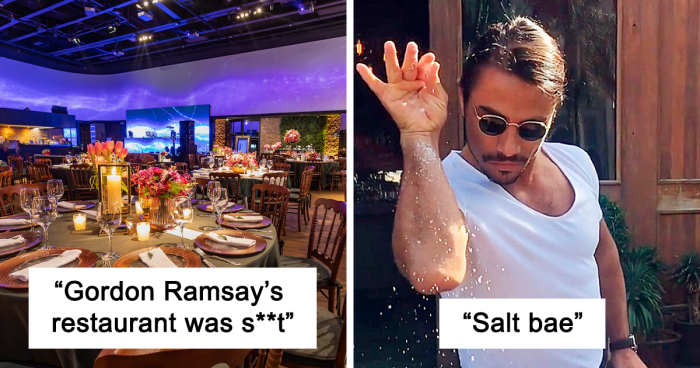
6. Celebrity Steakhouse Steaks
A perfectly cooked steak can be wonderful. But celebrity-branded steaks sometimes carry expectations no piece of beef can satisfy. When the price climbs into luxury territory, diners expect tenderness, seasoning, service, and atmosphere to all perform a synchronized dance. If one element fails, the hype falls apart.
7. Deconstructed Anything
Deconstructed dishes can be clever when they reveal something new about a recipe. But sometimes “deconstructed” just means “we placed the ingredients separately and charged more.” A deconstructed bagel that is simply bread, cream cheese, and salmon spread across a plate is not innovation. It is a lunch puzzle.
8. Overpriced Pasta
Fresh pasta, good sauce, and careful technique deserve respect. Still, many diners roll their eyes at very expensive pasta that tastes no better than a solid home-cooked version. Pasta is comfort food. When it becomes too precious, it risks losing the cozy magic that made people love it in the first place.
9. Truffle Oil on Everything
Truffle oil can add an earthy aroma in small amounts, but too much turns a dish into perfume with fries nearby. The trend became so common that the flavor started feeling like a shortcut for “fancy.” A little goes a long way; a lot goes straight into regret.
10. Food That Looks Better Than It Tastes
Some dishes are clearly built for the camera. They have neon colors, dramatic drizzles, flowers, smoke, towers, and swirls. But flavor still matters. A beautiful plate that tastes bland is like a movie trailer better than the movie.
11. Fancy Foams
Foams can be creative in high-end cooking, but they also attract jokes for good reason. When diners pay serious money and receive a spoonful of flavored air, not everyone feels enchanted. Sometimes people want dinner, not a bubble bath for their tongue.
12. Restaurants With Huge Menus
A massive menu promises “something for everyone,” but it can also suggest that nothing is truly specialized. When a restaurant offers sushi, pasta, burgers, tacos, pancakes, seafood, and three pages of appetizers, diners may wonder how fresh and focused everything can really be.
13. Ranch on Everything
Ranch dressing has earned its place as an American comfort condiment. Still, some people think it gets poured on too many foods. Used wisely, it is creamy and tangy. Used everywhere, it can flatten flavors until vegetables, pizza, fries, and sandwiches all taste like the same salad dressing wearing different costumes.
14. Lobster
Lobster has a luxurious reputation, but not everyone finds it worth the cost. It can be sweet and delicate, especially in a good lobster roll, but plain lobster sometimes depends heavily on butter for excitement. For critics, crab often wins the seafood popularity contest.
15. Overdecorated Cakes
Cake decorating has become an art form, and some creations are genuinely impressive. The problem starts when appearance outruns flavor. Dry cake under thick fondant may photograph beautifully, but nobody wants dessert that tastes like sweet cardboard in formalwear.
16. Celebrity Chef Restaurants
A famous name can create sky-high expectations. Sometimes the meal delivers; sometimes diners feel they paid for branding more than brilliance. A celebrity chef restaurant still has to nail the basics: good ingredients, consistent cooking, warm service, and dishes people actually want to eat.
17. Frozen Kids’ Meals
Many adults remember frozen kids’ meals with nostalgia, but memory is a generous editor. The brownie could turn rock-hard, the macaroni could be watery, and the vegetables often looked like they had given up on life. Fun packaging does not always equal good food.
18. Heavy American-Italian Chain Dishes
Italian-American food can be comforting and delicious, but some oversized chain versions rely heavily on cheese, cream, and repetition. After a few bites, every dish can start tasting like pasta, sauce, melted cheese, and a nap. The best versions balance richness with brightness.
19. Deep-Fried Everything
Fried food can be glorious when the coating is crisp, the seasoning is smart, and the inside stays juicy. But deep-frying cannot rescue bland ingredients forever. If the main flavor is “hot breading,” the hype deserves a timeout.
20. Processed Meat Croquettes and Similar Snacks
Many cultures have beloved fried meat snacks, and some are fantastic. The overhyped versions, however, can taste like salty mystery filling wrapped in crunch. They are often best judged honestly: comforting, yes; gourmet miracle, not always.
21. Offal as Luxury Cuisine
Organ meats can be flavorful, traditional, and sustainable when prepared well. But when a restaurant presents them mainly as a daring luxury experience, diners may feel the drama is bigger than the pleasure. The issue is not the ingredient; it is the sales pitch.
22. “Free-From Everything” Packaged Foods
Gluten-free, dairy-free, nut-free, and other specialty foods are essential for people with allergies, intolerances, or medical needs. But some products use “free-from” language as a health halo even when the food is still high in sugar, sodium, or refined starches. A cookie without gluten is still a cookie.
23. Fusion Food Done Lazily
Great fusion cooking can be exciting, thoughtful, and delicious. Lazy fusion is different. It throws two cuisines together and hopes the word “bold” will cover the confusion. A sushi burrito, kimchi taco, or curry pizza can work beautifully, but only when flavor leads the idea.
24. Chilean Sea Bass
Chilean sea bass became a restaurant favorite because it is rich, mild, and buttery. But for some diners, it is too soft, too expensive, or simply not memorable enough to justify the reputation. Like many luxury foods, it suffers when expectations arrive wearing a crown.
25. Butter-Drenched “Fancy” Food
Butter is delicious. That is not a controversial statement; it is practically a national agreement. But using butter as the main personality of a dish can feel lazy. Richness needs balance from acidity, herbs, texture, or freshness, or the meal becomes a buttery fog.
26. Food Judged by Stereotype
Some people call entire cuisines overrated after trying one bland version at one restaurant. That is unfair to Mexican, British, Greek, French, Korean, Japanese, Italian, and every other food tradition. Often the problem is not the cuisine. It is a weak restaurant, poor seasoning, or a diner expecting one dish to represent millions of cooks.
27. Korean BBQ When You Do Not Want to Cook
Korean BBQ is interactive, social, and fun for people who enjoy grilling at the table. For others, paying restaurant prices to cook their own meal feels confusing. The hype depends on what kind of dining experience you want. If you want to relax completely, tongs may feel like homework.
28. Sushi Chosen Only for Looks
Great sushi is about rice, fish quality, temperature, knife work, balance, and restraint. Overhyped sushi often focuses on colorful sauces, giant rolls, and visual drama. Pretty sushi is nice, but if the rice is gummy and every bite tastes like spicy mayo, the sparkle fades quickly.
29. Tall Burgers
A burger should be eatable by a human mouth, not only by a snake unhinging its jaw. Tall burgers look impressive but often collapse, slide, drip, and require emergency napkins. A wider burger with balanced toppings usually beats a tower that needs structural engineering.
30. Viral Health Bowls
Acai bowls, smoothie bowls, grain bowls, and protein bowls can be nutritious. They can also turn into dessert wearing gym clothes. When loaded with sweetened granola, honey, nut butter, chocolate chips, and oversized portions, the health halo gets suspiciously shiny. The label “wellness” does not automatically cancel calories, sugar, or portion size.
The Real Lesson: Hype Is Not Flavor
The funniest thing about overrated food debates is that nobody is completely right. One person’s overpriced lobster is another person’s birthday tradition. One person’s boring ranch is another person’s emotional support condiment. Food is wrapped in memory, culture, mood, budget, and expectation.
Still, there is a useful lesson hiding inside the jokes: marketing is powerful. A food can become famous because it is colorful, expensive, rare, nostalgic, or attached to a celebrity. That does not mean it is automatically satisfying. The smartest diners ask better questions. Is it fresh? Is it balanced? Is the price fair? Would I still want this if nobody could photograph it?
Nutrition labels can also cut through hype. Added sugar, sodium, saturated fat, and serving size tell a story that front-of-package claims often skip. A snack can say “natural,” “plant-based,” or “made with real fruit” and still be more treat than health food. That does not make it evil. It just means it should not be allowed to wear a superhero cape.
How to Spot an Overhyped Food Before You Buy It
Look Past the Presentation
If a food’s main selling point is height, gold, smoke, glitter, or an unusual serving board, pause. Visual drama is fun, but it should support the flavor, not replace it.
Check the Ingredient Logic
Some combinations sound exciting but do not make sense together. Ask whether the ingredients create balance: salty, sweet, acidic, bitter, crunchy, creamy, hot, cold. If everything is rich and sweet, your taste buds may retire halfway through.
Respect Simple Food
A perfect grilled cheese, ripe peach, warm bowl of soup, or well-seasoned taco can beat a luxury dish trying too hard. Simple food has nowhere to hide, which is why good simple food deserves more credit.
Separate “Popular” From “Good for Me”
Viral does not mean nutritious, and expensive does not mean balanced. Enjoy treats without guilt, but do not let buzzwords make decisions for you. A food can be fun and still be occasional.
Personal Experiences With Foods That Did Not Match the Hype
Almost everyone has a food disappointment story. Mine usually begins with confidence and ends with me staring at a plate like it personally betrayed me. The first time I tried an ultra-fancy cupcake, I expected bakery magic. It had a perfect swirl of frosting, tiny decorations, and the kind of packaging that suggested it had its own publicist. Then I bit into it and discovered the cake was dry enough to file paperwork. The frosting was sweet, yes, but sweet in the way that makes your teeth start writing a complaint letter. A grocery-store sheet cake would have beaten it in a blind taste test and probably charged less for the privilege.
Another classic disappointment is the giant novelty milkshake. It arrives like a parade float: whipped cream, candy, cookies, syrup, sprinkles, a brownie, and maybe a sparkler if the restaurant wants everyone nearby to look over. For the first minute, it is exciting. Then you realize you have to dismantle the toppings before reaching the actual drink. By the time you get to the milkshake, your hands are sticky, your spoon has disappeared into a whipped-cream canyon, and you are no longer hungry. It is not a beverage; it is an unpaid internship.
Truffle oil fries also taught me an important lesson: fancy flavor should know when to leave the room. A little truffle aroma can be pleasant. Too much makes every bite taste like the fries were stored in a perfume drawer. The same goes for foods that rely on one loud ingredient to seem expensive. If all I can taste is truffle oil, ranch, sugar, butter, or smoke, the dish is not complex. It is just yelling.
Then there are restaurant foods that are disappointing because of expectation, not quality. Lobster is a good example. A fresh lobster roll can be fantastic, especially when the meat is sweet and the bread is toasted. But plain lobster at a luxury price often makes people wonder whether they are paying for flavor or status. It is fine. Sometimes it is very good. But hype can make “very good” feel like a letdown when you were promised “life-changing.”
The most useful experience, though, is learning that overrated does not mean worthless. It means the story got bigger than the bite. Some people genuinely love tall burgers, foams, sushi rolls covered in sauce, rich pasta, fusion tacos, and elaborate cakes. That is allowed. The trick is to stop letting trends bully your taste buds. Order what sounds good, not what looks expensive. Try viral foods with curiosity, not blind faith. And when a famous dish turns out average, laugh, learn, and remember: the best meal is not always the loudest one on the menu.
Conclusion
Food hype is fun, but it should never be the only seasoning. The online community’s complaints about overrated foods reveal something honest about modern eating: people are tired of paying premium prices for dishes that look dramatic but taste ordinary. Designer cupcakes, gold flakes, giant milkshakes, tall burgers, and luxury pasta can all be enjoyable, but they are not automatically better just because they are trendy.
The best approach is balanced curiosity. Try new foods. Laugh at the ridiculous ones. Read labels when health claims sound too shiny. Respect cultural dishes beyond stereotypes. And most importantly, trust your own taste. If a simple cheeseburger, homemade pasta, fresh fruit, or humble bowl of soup makes you happier than a gold-covered steak, congratulations. Your taste buds have escaped the marketing department.
Note: This article is for general food commentary and entertainment. Nutrition needs vary by person, so readers with allergies, medical conditions, or special diets should follow professional guidance.